Home Blog Page 33

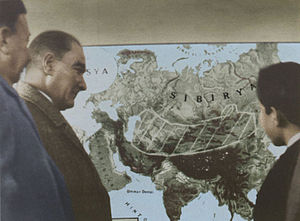
Atatürk ve Büyük Akdeniz Birliği. Deniz Mecmuası 32. Mart 2024


Thoughts and Thinking by Balkan Sages

  • Being content with little is the teacher of all wisdom and creates the most beautiful thoughts for us . Sophocles, (Anthologia Stobaiou)
  • It is wisest to think twice about a thing . Euripides, Hippolytus
  • The most necessary thing in every army is unity of will and thought , only this will ensure superiority and defeat the enemy. Aesop
  • Not once did the bird come to life and ask: “Why did you light up?” And I have never asked myself: “Why did you shoot?”, or suffered from a pang of conscience or anything like that. On the contrary – at such moments a person falls into a completely different state of absent-mindedness, from which even thought is carried away. During the hunt, the thought does not have to move anyway, it can be said that the hunter is memoryless, where only passions and the eternal desire to be the ruler of the world, the owner of all its treasures, keep him on his feet. Yordan Radichkov, The Ibis Bird
  • The Ottoman army had mobilized, and there were a lot of false rumors. On the other hand, there was something that bothered people more than the Ottoman army. And that was the words Balkans and Balkanlı. Before the Turks had even set foot in the region, they had baptized the peninsula and its inhabitants with these words, so much so that this word had stuck to their backs like new scales on an old reptile. The local people couldn’t get out of this situation. They struggled to get rid of this word, but the result was the opposite. The word Balkanlı was sticking to their backs more and more tightly, as if it wanted to replace their own skin. And now, torn apart, they realized something else: they had never given the peninsula they lived on a name before. Some of them tried to call it “Illyricum”, but others immediately rose to establish the name “New Byzantium”, then others wanted to name it “Alpania” because of the Albanian Alps, and still others wanted to establish the name Great Slavonia, derived from the word Slav. But it was too late to think about this , and those who were to defend the region, as it was now, would go to war without a common name, and even with the name imposed on them by the enemy, and would suffer defeat. Ismail Kadare, Three Elegies for Kosovo
  • Those who embark on a task without thinking it over first not only fail to do it, but also make everyone laugh at them. Aesop
  • My teachers, Milan Resetar, Jozef Jirecek, Wilhelm Jeruzalem, Oskar Evald, Jozef Klem, taught me that knowledge is everything and that ignorance breeds bigotry and darkness of thought . Danilo Kiş, Oud and Scars
  • Lucky is the one who deals with science, who tires himself, who researches. He does not think of harming his fellow citizens, he never reaches for injustice. He looks at the endless order of nature, he never takes his eyes off it, he asks where and how this universe came into being. Such a person is clean, spotless, he is far from evil and suspicion in all his work. Euripides, Fragment
  • Bosnia cannot tolerate certainty. Somehow, it is looking for someone who is multi-national and multi-religious, and who is not hindered by this diversity. Neither churches nor cathedrals are an obstacle for us. We have learned to live with people who think and feel differently, and we consider this our superiority. Alija Izetbegovic
  • Despite the thought that everyone would soon abandon the construction of this windmill, Dıbak and Korçan continued to work. The slashes of their sharp axes and the full blows of their adzes could be heard throughout the village all day long. They were completely absorbed in the thought of this great work , they did not feel sorry for their labor, they did not feel tired, they did not rest. They worked from morning to evening, in the long summer days, under the rays of the burning sun that dried the sweat on their faces, taking off their shirts and not leaving the tools in their hands. They devoted themselves to their work, they did not even speak. Elin Pelin, Windmill
  • And we all reach conclusions according to our experiences. Personally, I think that our childhood is the most important period of our lives . Wherever a person reaches in his life, he can find an explanation for this in the conditions of his upbringing and his childhood situation. Childhood is the seed from which mankind grows. The world grows with children. Aliya Izetbegovic
  • Even when I am sad, I do not stop thinking . That is what keeps me alive and makes me human. Philemon, (Anthologia Stobaiou)
  • A part of our existence belongs to our country; a part to our parents; another part to our friends… If our country calls us to do state affairs, would it be appropriate to refuse? Besides, if we do so, we would be leaving our place to worthless people who never think of good when they enter state affairs . Plato, Epistolary
  • If the citizens think that they must spend everything in a frenzy , that they must devote all their efforts to love-making, and that they must occupy themselves with nothing but eating and drinking, no law, however good, can bring peace to a state. Plato, Epistolary
  • In reality, no one felt the pleasure of rest as much as Salih Yaşar. As soon as he arrived home, he would sit on the bench outside, drink his coffee, light cigarette after cigarette, and rest, staring at the plain across from him. As the fatigue drained from his body with a pleasant shiver, he would think of nothing but rejoice in the view before his eyes. Yordan Yovkov, The Song of the Wheels
  • I was born as a member of my people who have lived for centuries on the great border, at the intersection of worlds, feeling a sense of belonging to both; Western in mind and thought , Eastern in spirit and emotion. Therefore, my belief is that while serving Islam and Muslims, I am also serving all sensible people. Aliya Izetbegovic
  • Is there no friendship on earth other than the tavern friendship where everyone pays their own bill? Doesn’t a person feel the same joy in giving and taking? “So why do we fall in love with a man, a complete stranger, sometimes even a stranger with whom we disagree? Why do we begin to love this person so much that we can’t live without him? You look into his eyes, they are the same as yours, and there you see the infinity of your own desires. You want to take his blazing face in your hands and press it to your chest for a long time. And you can hardly keep yourself from leaning your cheek, sometimes your forehead that is burning like fire, on his hands that lie on the table like the big paws of a lovely dog. Because this kind of love is an unquenchable torch that defies all the storms of life, nourished by the oil that God created without thinking any evil . Panait Istrati, Mihail (Friend)
  • Unity of thought creates friendship. Democritus
  • When we say we will be friends with someone, we will unite with him, think about whether he can help us in times of danger or not . Aesop
  • Consider that those who are truly friends are not only those who grieve at their misfortunes, but also those who do not envy their happiness . Isocrates, Pros Demonikon,
  • It is beautiful to believe in the absolute truth of one’s thoughts and actions. To consider oneself as a measure for all things. To value nothing that is unknown or different from oneself. But without the deep doubts that weigh down the brain and dry up the throat, we are nothing more than insignificant beings who think we are something. And the sacred thought that we avoid is of no importance. Miro Gavran, Clara
  • It is possible for the young to be wise and the old to be foolish; it is not time that teaches thoughtfulness , but the education and temperament of the time. Democritus
  • Lycurgus was of the opinion that the greatest and most beautiful work of the lawgiver was education . Plutarch, Bioi Parallelou (Lycurgus)
  • Those who neglect their education fail to understand that the consequence of this is that they are unable to think properly . Isocrates, Peri Eirenes
  • The bow that is always strung breaks easily… The soul needs a little fun to think well when necessary. Phaedrus
  • Neither the bright gold that mortals can scarcely find in their hopeless lives; nor the jewels, nor the silver beds that men so value; nor the fields where the heavy ears of grain grow of themselves in the wide plains; they are not as bright as the thoughts of the virtuous . Plato, Epistolary
  • Calmness is a beautiful thing, boldness is deceptive.
  • Be moderate in good fortune, moderate in bad luck Periander of Corinth
  • Not to have evil thoughts : This is the greatest gift of God. Aeschylus, Agamemnon,
  • Look for the friend in the enemy. Get rid of hatred, contempt, and humiliation. Do not be angry because you suffer; suffering is what creates you. Go to meet Erde without thinking about your body for a moment . Smile at the contradictions and oppositions. Be kind to others as you are to yourself. When death calls you, do not be offended that it has come early; be aware of the fact that everything is best when it is right. Reach nothingness without a single regret. Then you will be a better person in your next life. Miro Gavran, Clara
  • If you want to be better than others, think about them . Fight your mistakes without complaining. Don’t rush and take it slow – take your steps in harmony with the world, and you will discover virtue in every move. Miro Gavran, Clara
  • Come, then, let us add the rest of Asia to the lands you already possess, and make a small addition to your conquests! If we thought that this was enough , and lived in comfort in Macedonia, and only guarded our homes, and did nothing except prevent the incursions of the Thracians, Tribalians, and even the disturbing Greeks, into our borders, what a glorious and noble deed we would have been. Alexander the Great
  • He was a young man with blond hair, his lovely big blue eyes gave his face a different beauty. He was single, and it was as if he never thought of getting married . In the village, it was very difficult for a person to get married after the age of thirty. He was a good womanizer in his time, an enviably lively young man, and he was also unmatched in horon dancing. But after ten years of wandering around Vlashko land with carpenters and earning money, he returned to his village calm and collected, and repaired the watermill, the only legacy he had left from his father. He started living there. Elin Pelin, Windmill
  • There was something that made him resemble these people, though. Like every blacksmith, he was solid and strong, but at the same time he was a kind-hearted, calm and prudent man. He spoke little, but he spoke clearly, intelligently and with measure. Those who listened always thought that there was something else hidden in his eyes that remained unspoken. It was as if another blacksmith, who worked like him and forged iron like him, was hidden inside Salih Yaşar. This second man was not visible, the spark and flame of this inner fire shone only in Salih Yaşar’s thoughtful eyes. Yordan Yovkov, The Song of the Wheels
  • To claim that there is no difference between beauty and ugliness is to be ungrateful and naive… This is the thought of those who do not know the nature of things and think that if they hear this difference they will be dragged away and destroyed . It is not possible to escape from beauty by ignoring it. It is necessary to know it and to endure it. Epictetus
  • If each of us had fought against those who do injustice with all our heart, thinking that the injustices that occur will turn against us , and if we had cooperated closely among ourselves as citizens, the evil that comes from those with bad intentions would perhaps not have become so fierce. Menandros, [Anthologia Stobaiou]
  • … if you will only let night follow each day without thinking of pain , it will give you all the pleasures. Euripides, Heracles
  • In everything you do, think carefully about what will happen and what will follow before you start , and then start working. If you do not follow this path, you will initially enjoy every action, because you did not plan what would follow. But when the disgrace shows itself in the end, you will be filled with shame. Epictetus
  • The spring sparks rising from the earth and water were slowly covering his whole being, igniting and confusing his emotions. It was giving him thoughts mixed with a kind of intoxication . Ivo Andrić, The Bridge on the Drina
  • This has nothing to do with the religion of the Nemseli, Müderris Efendidi!..he said. They do this for their own benefit. They do not spend their time in vain and have fun. Even when they sleep, they always think about their work . We cannot see it yet, but we will see it soon. The late Şemsi Bey used to say, “The fuse of the Nemseli bomb is long.” How right he was. I think their purpose in numbering the houses is to impose a new tax. Or they intend to recruit soldiers. İvo Andriç, Drina Bridge
  • Molla Ibrahim was famous in his circle for his generosity and good-heartedness. In every aspect, there was a sense of gentleness, deep peace and tranquility. When you met him, you forgot both his stuttering and his appearance. He attracted the sick, the troubled and the poor. They would come to him from even the most distant villages to seek his advice. There was never a shortage of people waiting for him in front of his house. Women and men who wanted to seek his advice would often block his path. He would never turn anyone away empty-handed. He did not sell expensive amulets and prayers like other clerics. When he wanted to talk to someone, he would sit on the first stone he came across, in a shady spot, and wait for the man to tell him his troubles in a low voice. Molla Ibrahim would listen to him with great attention and compassion, finally say a few sweet words to him and always find the most appropriate solution. Sometimes he would put his hand in his robe pocket and, making sure that no one would see, he would slip a few coins into the man’s palm. Since he was always busy with other people’s troubles, he had no time to think about himself. He believed that his life, approaching a century, was always spent in health, happiness and prosperity. Ivo Andrić, The Bridge on the Drina
  • Those who are experienced in life and know history often think that fate was unfair to this woman by giving her such a mean and narrow field of work. If she had not fallen into such a place and had not been in such a job, what would this woman, who managed a provincial hotel and emptied the pockets of the rich and the dissolute with such cunning, who was as self-sacrificing as she was ambitious, as honest and cold as she was beautiful and charming, have not done! Who knows, perhaps she would have become one of those famous women in history who managed the destinies of great families, palaces, states and always dragged everything towards the best. Ivo Andrić, The Bridge on the Drina
  • If women look at their nails while talking, it means they are not speaking as they think . Azem Shkreli, The Eyes of Eve
  • Woman is more ardent for evil thoughts than man. Little speech is the adornment of woman. Democritus
  • The people he met on the road, after greeting him respectfully, looked at his face in surprise and thought that Salih Yaşar’s heart was troubled by grief and that if he was rushing home at this moment, it was not to rest but to be alone with himself and his thoughts . Yordan Yovkov, The Song of the Wheels
  • Tule was a conceited person. She had a habit of smiling at men and thinking that they were not worthy of her. When she fought against the desire that burned inside her, the pride that arose from this thought , Tule looked even more beautiful. She liked to blush when men complimented her. She made them crawl on the ground, she treated them like worms – they trembled with excitement before her. After all this, she advised them to win the favor of another girl. She also advised them not to bow down to the ground in front of the women they admired, because women are cruel to those who are unhappy in love. Azem Shkreli, The Eyes of Eve
  • When you discover what comes after happiness, you no longer long for happiness. Forgive those who do wrong, if the wrong is unintentional, if the wrong is unintentional, if the wrong is not their fault, but if it is intentional, it is unnatural and deserves pity. Do not torture your body with long thoughts and your mind with hard physical efforts. Do not despise your past, your mistakes were necessary. Miro Gavran, Clara
  • Think about what you do . Listen a lot, speak appropriately. Bias of Priene
  • It is the characteristic of a slave not to say what you think of when you have to speak . Mousonios, (Anthologia Stobaiou) 
  • Sometimes what is fearful is also good, it should sit as a watchman in the heart and wait; it is useful to be thoughtful in difficult situations . Aeschylus, Eumenides
  • The farm laborer, who had come from the threshing floor, was standing next to the boy, up to his armpits in the water, holding him under his chest with both arms, despite the pile of stones at the bottom. So that he would not be sad, so that he would not think of his fear , the man did his best to talk. It did not matter what he said, the important thing was to talk, to say what came to his mind, not to be silent no matter what: not even for a second, because the boy would immediately start crying. Yordan Radichkov, Hot Noon
  • Whoever thinks evil of another, it will surely come back to him. Pausanias, Periegesis tes Hellados,
  • We are simple people, sir, they call us in high tones. You think so , but in reality it is not so. Our peasants are cunning out of ignorance. Actually, out of ignorance and poverty. Elin Pelin, Andreshko
  • A person should feel relieved by comparing his life with that of those who are in a worse situation and consider himself happy by thinking that he is in a better situation and job than them, considering what they have suffered . Democritus
  • Some people… when asked for advice, do not say what they think but say the opposite of what they feel, trying to understand what kind of answer the person asking for advice would like. Plato, Laches
  • Sometimes death was ready next to the bed, sometimes somewhere inside him, in his chest, in his lungs, in his blazing brain.
  • But there, that morning, a calmness had settled over him, we did not know why or how. He had accepted the unacceptable: that everything was over for him, that the hours of his days were numbered. He tried to make the balance sheet of his life, to see it as others saw it, and he smiled inwardly. He had filled his life with solitude, sacrifice, and work, and now he was dying; the efforts of men always teach us the same thing, that is, that law, measure, order, and sacrifice, which constitute the meaning of men’s works, exist in this world. Whatever is beautiful and great is created in blood, sweat, and silence. Who had said this? Had he read it somewhere, or had he written it himself, long ago? Now, only now, he found this thought , if not comforting, at least true. Danilo Quiche, Oud, and Scars
  • Do what you want, I like it and I will continue to make paths. Just think , when you enter the forests, there are bushes everywhere and rocks around you, then you work hard and make a path here and a person passes on this path! Living things pass one person, two people… I do this only for myself, not for money!… For example, that day a young man and his girlfriend were passing by. When they saw me clearing the path, they said: – Clear it but don’t go too far, otherwise some old people can stop and watch us on this beautiful path! In other words, they don’t want the old people to see them. What they mean is, if I clear everything like that, there will be no place for the young people to hide. Nikolay Haytov, Paths
  • It is better to think before doing something than to regret it later . Democritus, Fragment
  • When thinking , take the past as a model for the future. Isocrates, Pros Demonikon
  • They had no idea of ​​anything else but what had happened between them and this small but angry officer who neither thought of himself nor cared about others, who considered all the people and countries around him as a subject or a means of war fought only for himself and in his own name, whose life and existence was war. Ivo Andrić, The Bridge on the Drina
  • I will tell people that this destiny and all the others were thought up by the gods . If anyone does not agree with this idea , let him hold on to his own faith, and I will hold on to it. Sophocles, Aias,
  • History has put us to a cruel test and we have passed this test. They planned to destroy us. Now think about it Aliya Izetbegovic
  • Forgetting would erase all pain and leave it behind. Singing was the best way to forget. Because when a person sings, they always think of the things they love . And so on Kapia, which lies between the sky and the mountains above the river, the ears that pass one after another learn not to be too sad about the things carried away by the roaring waters of the Drina.
  • The hopes of rational thinkers can be realized, but those of fools are impossible. Democritus, [Anthologia Stobaiou]
  • It has been twenty-two years since I left Bulgaria. I know you will not doubt when I say that throughout all these long years, wherever I was and whatever I was doing, I never stopped thinking about the Bulgarian people, their future, their happiness and prosperity , and working for this cause. Dimitrov
  • The writer must perceive life as a whole, he continued. He must announce death as the great theme – in order to reduce people’s pride, egoism and bad intentions a little – but in contrast, he must also give meaning to life. Art is the balancing of these two contradictory ideas . The task of man, especially the writer – you will say that I am talking nonsense like an old man – is to leave behind not a work when he leaves this world, because everything is a work, but a little goodness, a little knowledge. Every written word is like a creation myth. Danilo Quiche, Oud and Scars
  • The song was playing and it was as if it was telling the story of how rich and at the same time how miserable a person was. What did Salih Yaşar need this wealth for? He had come too late. On the way back from the city, on the right side of the main road where the harmonious sound of the cars was emanating, in the cemetery on the slope, his two sons and two falcons were lying. High and roughly carved stones were erected on their graves. The soil there was covered with grass as if it had never been dug, and as if a lilac planted by God Himself bloomed every spring, spreading a delicious scent all around. Salih Yaşar thought : “I will not be able to take anything from my gold to them, nor will I be able to take anything with me when I go to them .” The darkness covered Salih Yaşar’s eyes, and at that moment it was impossible to see what was hidden in those eyes. And he looked at the ground and said to himself, instead of being rich, it would be better if my two young bulls, whose blue eyes were still smiling in front of me, were alive. Yordan Yovkov, The Song of Wheels

WRITERS

  • Aeschylus: Greek tragic poet (525-456 B.C.)
  • Aeschylus (525-456 B.C.) Ancient Greek Philosopher
  • Aesop: Ancient Greek writer of fables (around 570 BC)
  • Alcidamas (4th century BC) Ancient Greek Philosopher
  • Alcmeon (6th Century BC) Ancient Greek Philosopher
  • Amphidos or Amphis (4th Century BC) Ancient Greek Philosopher
  • Andric, Ivo, Yugoslavian writer
  • Antiphanes: Ancient Greek poet, comedy writer (408/5?-334/1? B.C.)
  • Antiphon (480-411 BC) Ancient Greek Philosopher
  • Antisthenes (444-365 B.C.) Ancient Greek Philosopher
  • Apollonius of Rhodes: Ancient Greek orator and poet (222-181 BC)
  • Aristippus (435-366/355 B.C.) Ancient Greek Philosopher
  • Aristophanes (448/445 – 388/385 B.C.) Ancient Greek Philosopher
  • Aristotle (384-322 B.C.) Ancient Greek Philosopher
  • Archilochus: Ancient Greek poet and satirist (7th century BC)
  • Astydamas (4th century BC) Ancient Greek Philosopher
  • Bias (625-520 B.C.) Ancient Greek Philosopher
  • Bion: Ancient Greek Poet. (300?-100? B.C.)
  • Alexander the Great


  • Csatho, Kalman: Hungarian playwright and novelist (1881-1964)
  • Csiky, Gergely, Hungarian Playwright (1842-1891)


  • Chudomir, Bulgarian short story writer


  • Democritus (460-370 B.C.) Ancient Greek Philosopher
  • Demosthenes: Greek orator (385-322 B.C.)
  • Dimitrov, Bulgarian Statesman
  • Diogenes Laertius (c. 3rd century AD) Ancient Greek Philosopher
  • Diogenes: Ancient Greek philosopher (around 44 BC)
  • Diphilos (c. 4th-3rd century BC) Ancient Greek Philosopher


  • Plato: Ancient Greek philosopher (428-347 B.C.)
  • Epichurus (540-450 B.C.) Ancient Greek Philosopher
  • Epictetus (40-125 AD) Ancient Greek Philosopher
  • Epicurus: Ancient Greek philosopher (342-270 BC)
  • Euripides: Ancient Greek playwright (480-406 BC)


  • Gardony, Geza: Hungarian writer (1863-1922)
  • Gavran, Miro, contemporary Croatian writer


  • Haytov, Nikolay, Bulgarian short story writer
  • Heraclitus: Ancient Greek philosopher (536-470 BC)
  • Herczeg, Ferenc: Hungarian Novelist and Playwright (1863-?)
  • Herodotus: Ancient Greek historian (484-424 BC?)
  • Hesiod: Ancient Greek poet (8th century BC)
  • Hippocrates: Ancient Greek physician (460-357 BC)
  • Hivzi Suleimani, Kosovar Albanian Writer
  • Homer: Ancient Greek epic poet (8th century BC)


  • Iamblichus (4th century AD) Ancient Greek Philosopher
  • Ionesco, Eugene: French playwright of Romanian origin (1912-.)
  • Isocrates (436-338 B.C.) Ancient Greek Philosopher
  • Istrati, Panait, Romanian short story and novel writer
  • Izetbegovic, Alija, Bosnian Statesman


  • Jokai, Mor: Hungarian novelist (1825-1904)


  • Kadare, Ismail, is a writer born in 1936 in Gjirokaster, Albania.
  • Kelmendi, Ramiz, Kosovar Albanian Writer, İpek (1930-)


  • Chilon (6th Century BC) Ancient Greek Philosopher
  • Kish, Danilo, Yugoslav writer (1935-1989)
  • Kisfaludy, Karoly: Hungarian playwright, storyteller (1788-1830)
  • Cleanthes (331-232 B.C.) Ancient Greek Philosopher
  • Kleobulos (VI Century BC) Ancient Greek Philosopher
  • Konstantinov Konstantin, Bulgarian short story writer
  • Periander of Corinth (Ancient Greek Philosopher)
  • Croesus: King of Lydia (around 560 BC)
  • Critias (5th Century BC) Ancient Greek Philosopher
  • Xenophanes (570-475 B.C.) Ancient Greek Philosopher
  • Xenophon (430-355 BC) Ancient Greek Philosopher


  • Pittacus of Lesbos, Ancient Greek Philosopher
  • Lucian, ancient Greek satirist (120-180)
  • Lysias (445-380 B.C.) Ancient Greek Philosopher


  • Menander: Ancient Greek poet (342-291 BC)
  • Mikszath, Kalman: Hungarian Novelist (1847-1910)
  • Thales of Miletus, Ancient Greek Philosopher
  • Mimnermus: Ancient Greek poet (630-600 BC)
  • Mousonios (1st Century BC) Ancient Greek Philosopher
  • Ovid, Publius: Roman poet (43 BC – 18 AD)


  • Pausanias (2nd Century AD) Ancient Greek Philosopher
  • Pelin, Elin Bulgarian story writer
  • Periander (668-585 B.C.) Ancient Greek Philosopher
  • Phaborinos (2nd Century AD) Ancient Greek Philosopher
  • Phaedrus (Phaedrus) (15-1 BC/AD 54/68) Ancient Greek Philosopher
  • Philemon (361-262 B.C.) Ancient Greek Philosopher
  • Phokylides (6th century BC) Ancient Greek Philosopher
  • Pindar (522/518-446 B.C.) Ancient Greek Philosopher
  • Pittacus: Ancient Greek poet, one of the seven judges (652-569 BC)
  • Pittacus (648-569 B.C.) Ancient Greek Philosopher
  • Plato Ancient Greek Philosopher
  • Plautus
  • Plutarch: Ancient Greek moralist and biographer (around 66)
  • Priene’li Bias
  • Pythagoras (6th Century BC) Ancient Greek Philosopher


  • Radichkov, Yordan, Bulgarian short story writer


  • Sappho: Ancient Greek female poet (612 BC-?)
  • Selimovic, Mesha, Bosnian novelist
  • Simonides (556-467 BC) Ancient Greek Philosopher
  • Socrates: Ancient Greek philosopher (469-399 BC)
  • Solon (640-558 BC) Ancient Greek Philosopher
  • Sophocles: Ancient Greek tragic poet and playwright (495-406 BC)
  • Chilon of Sparta
  • Stanev, Emilian, Bulgarian short story writer
  • Stobaios (ISV Century) Ancient Greek Philosopher
  • Suleimani, Hivzi, Kosovo Albanian Writer, Mitrovica (1910-9)
  • Szabo, Dezsö: Hungarian novelist (1879-1945)
  • Szigligeti, E.: Hungarian playwright (1815-1878)


  • Shkreli, Azem, Kosovar Albanian writer, İpek (1938-)


  • Talev, Dimitir Bulgarian short story writer
  • Thales (624-545 BC) Ancient Greek Philosopher
  • Theages (6th Century BC) Ancient Greek Philosopher
  • Themistocles: Athenian statesman, orator (514?-449 BC)
  • Theognis (c. 1st century BC) Ancient Greek Philosopher
  • Theocritos (III century BC) Ancient Greek Philosopher
  • Thucydides (460-440 BC) Ancient Greek Philosopher
  • Timokreon (5th Century BC) Ancient Greek Philosopher
  • Tito, Josip Broz Yugoslav Statesman


  • Yovkov, Yordan, Bulgarian short story writer


İstanbul Adaları /Prince Islands

İstanbul Adalarında Yaşamış Ünlü Yazarlar

İstanbul Adaları, sadece doğal güzellikleriyle değil, aynı zamanda zengin edebiyat geçmişiyle de dikkat çeken yerleşim yerleridir. Birçok ünlü yazar, bu adaların huzurlu atmosferinde ilham bulmuş ve unutulmaz eserlere imza atmıştır.

Büyükada özellikle, edebiyat dünyasının önemli isimlerini ağırlamış bir ada. İşte bu adada yaşamış bazı ünlü yazarlar:

  • Yakup Kadri Karaosmanoğlu: Türk romanının önemli isimlerinden olan Yakup Kadri, Büyükada’da yaz mevsimlerini geçirir ve burada birçok eserini kaleme alırdı.
  • Reşat Nuri Güntekin: Türk romanının duayenlerinden Reşat Nuri Güntekin de Büyükada’da yaşamış ve adanın atmosferinden etkilenerek eserlerine yansıtmıştır.
  • Nurullah Ataç: Eleştirmen, çevirmen ve deneme yazarı olan Nurullah Ataç, Büyükada’da uzun yıllar yaşamış ve buradaki evi, edebiyat sohbetlerinin merkezi haline gelmiştir.
  • Ziya Gökalp: Türk aydınlarının önemli isimlerinden Ziya Gökalp da bir dönem Büyükada’da yaşamıştır.
  • Yahya Kemal Beyatlı: Şair Yahya Kemal, Büyükada’da hem yaşamış hem de dersler vermiştir. Nâzım Hikmet ve Necip Fazıl Kısakürek gibi önemli şairler, burada onun öğrencileri arasındaydı.

Diğer Adalarda Yaşamış Yazarlar:

  • Adalar genelinde: Necmi Tanyolaç, Buket Uzuner, Oral Çalışlar, Ahmet Tanrıverdi, Bercuhi Berberyan, Zafer Ataylan, Nejat Güler gibi birçok yazar, farklı dönemlerde Adalar’da yaşamış ve buraya dair yazılar yazmıştır.

Adaların Edebiyattaki Yeri:

İstanbul Adaları, sadece yazarların yaşadığı yerler değil, aynı zamanda birçok eserde de önemli bir mekân olarak yer alır. Adaların huzurlu atmosferi, deniz manzarası, tarihi evleri, yazarlara ilham kaynağı olmuş ve eserlerinde bu atmosferi yansıtmışlardır.

Neden Adalar?

  • Huzurlu ve sakin bir ortam: Şehrin gürültüsünden uzak, doğa ile iç içe bir yaşam sunar.
  • Tarihi doku: Eski Rum ve Ermeni evleri, dar sokaklar, yazarlara ilham veren bir atmosfer oluşturur.
  • Deniz manzarası: Ege Denizi’nin eşsiz güzelliği, yazarların yaratıcılığını besler.
  • Edebiyat ortamı: Birçok yazarın bir araya gelmesi, edebiyat sohbetlerinin yapılması, yaratıcı bir ortam sağlar.

Sonuç:

İstanbul Adaları, sadece tatil için değil, aynı zamanda edebiyat tutkunları için de önemli bir ziyaret noktasıdır. Burada yaşayan ve eser veren ünlü yazarların izlerini sürmek, adaların tarihi ve kültürel zenginliğini daha iyi anlamak için harika bir fırsat sunar.

Daha Fazla Bilgi İçin:

Prens Adaları’nda Troçki Dışında Ziyaret Eden Ünlüler

Prens Adaları, İstanbul’un hemen yanı başında yer alan huzurlu ve tarihi atmosferiyle birçok ünlüyü cezbeden bir yer. Sadece Troçki değil, birçok sanatçı, yazar, düşünür ve hatta kraliyet ailesinden üyeler bu adaları ziyaret etmiş ve burada ilham almıştır.

Peki, Troçki dışında kimler Prens Adaları’na gelmiş?

Bu sorunun net bir cevabı vermek zor, çünkü adaların tarihi boyunca birçok ünlü ismi ağırlamış olması muhtemel. Ancak, en bilinenlerden bazıları şunlar:

  • Yabancı Yazarlar ve Şairler:
    • Lawrence Durrell: İngiliz yazar, özellikle Büyükada’da uzun süre yaşamış ve buradaki yaşamını “Alexandria Quartet” adlı romanında ölümsüzleştirmiştir.
    • Gustave Flaubert: Fransız yazar, 19. yüzyılda İstanbul’a yaptığı seyahat sırasında Prens Adaları’nı ziyaret etmiş ve buradaki izlenimlerini notlarına düşmüştür.
  • Türk Edebiyatçılar:
    • Yahya Kemal Beyatlı: Türk şairinin, adalar hakkında yazdığı şiirler bulunmaktadır.
    • Orhan Pamuk: Nobel ödüllü yazar, İstanbul’a ve adalarına duyduğu hayranlığı birçok eserinde dile getirmiştir.
  • Sinema ve Müzik Dünyasından İsimler:
    • Yabancı sinemanın birçok ismi: Özellikle 19. ve 20. yüzyılda İstanbul’a gelen birçok yabancı oyuncu ve yönetmen, adaları ziyaret etmiştir.
    • Türk sinemasının önemli isimleri: Türk sinemasının altın çağı olarak kabul edilen yıllarda, birçok ünlü oyuncu ve yönetmen adalarda tatil yapmış veya yaşamıştır.

Neden Ünlüler Prens Adaları’nı Tercih Eder?

  • Tarihi ve doğal güzellikler: Adaların tarihi evleri, kiliseleri ve manastırları, ünlüler için büyük bir çekim noktasıdır. Ayrıca, adaların huzurlu ve doğal atmosferi, yoğun şehir hayatından kaçmak isteyenler için ideal bir ortam sunar.
  • Gizlilik: Ünlüler, adaların sakin ortamında daha rahat hareket edebilir ve paparazzilerin dikkatinden uzak kalabilirler.
  • İlham: Adaların tarihi ve kültürel zenginliği, sanatçılar ve yazarlar için büyük bir ilham kaynağı olmuştur.

Prens Adaları’nda Ünlü Bir Evde Kalmak

Bugün, Prens Adaları’nda birçok tarihi ev, butik otel veya kiralık villa olarak hizmet vermektedir. Bu sayede, ünlülerin konakladığı evlerde kalma fırsatı bulabilirsiniz.

Unutmayın:

  • Adaların her köşesi bir sürpriz barındırır: Sadece ünlülerin değil, birçok sanatçının, yazarın ve düşünürün izlerini bulabilirsiniz.
  • Adalar, yılın her mevsimi güzeldir: Hem yazın hem de kışın farklı bir atmosfer sunar.
  • Adalarda yaşamak veya tatil yapmak, unutulmaz bir deneyim olacaktır.


The Outside World and Our Inside World

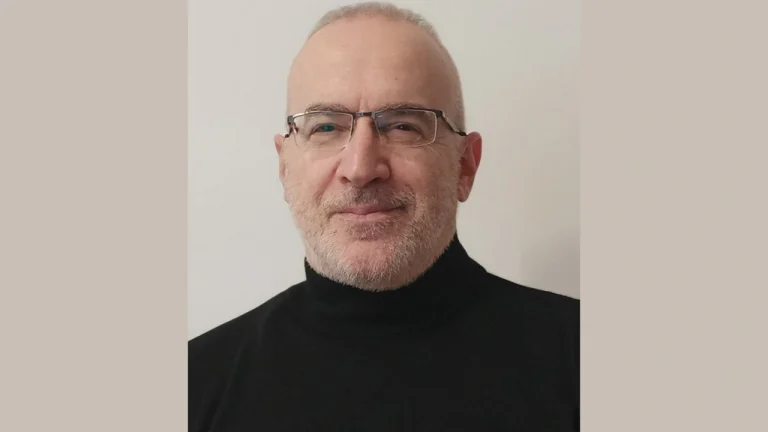
Levent Ağaoğlu Exporter, Poet, Writer

October 2023

Since my profession is export, I have been to 33 countries for work. I stayed in Hong Kong for five years. I was always in the export sales department of Şişecam Global Company, where I was, and I was at the forefront.

Mutemet Street, Fatih

Fatih, Mutemet Street, 1961. My childhood in my memory and the balloons of hope I hold in my hands. I am in Little Bey’s Payitaht, Fatih’s Mutemet Street, The Conqueror’s Sons, Great Ancestors, Little Child, Levent on the Logs, In Hearts…

In selling Turkish products, I have always acted with this spirit that I acquired from Fatih, the district where I grew up. Since Fatih also gave me a spirit of getting along with people, I have always acted with this spirit in Fatih, where I was born. Fatih has a decree in Bosnia, there will be no discrimination of religion, whether Catholic or Muslim, I have always felt that, I have felt that in China and in Europe . I have been to four continents and I have felt that in all of them. In terms of loving people and serving your country.

Transcripts of Traveller’s Talks

All Over The World Traveller’s Talks:1 All over the World 1987-2019  EASTERN EUROPE Traveller’s Talk: Romania Traveller’s Talk: Bulgaria Traveller’s Talk: Eastern Europe. Hungary Traveller’s Talk: Eastern Europe. Slovakia Traveller’s Talk:…

Today is my 40th year in my profession. I started in Mecidiyeköy in 1983. My start was a coincidence. I was doing my master’s degree at Boğaziçi University . I enrolled in Boğaziçi University’s master’s degree program to learn English. I wanted to be an academician. One day, I ran into my friend in the school garden. When my friend said, “Levent, there is such a job”, I said okay, that was the start, I continued for 40 years. I was actually glad that I was not an academician. I traveled the world, I did not just stay in a room like this. I retired in 2012 through SGK, my retirement is on paper, I continue my activities and events in every way, I continue my activities in the style of consultancy, writing, I am a person who likes to be energetic.

I value the concept of wisdom plus leadership, in the sense of wise leadership . In my way of thinking, I constantly think in triangles, because when there is a line, there is a reciprocal movement, it is just a line, let’s say linear, but when there is a triangle, there are angles, there are different perspectives, I find this very valuable.


I formulated it this way; wisdom, leadership, the outside world. The outside world is what feeds both leadership and wisdom. It is your footprint in the outside world, as they say now, carbon footprint.

The person’s own footprint will be there. Last week I went to Balıkesir and gave two conferences there. The eye is stronger than the brain, I was impressed by what I saw there.

In that sense, I act with these triangles. Perspectives in business life are very much based on competition. We are all one person, so sharing is very important, I push competition to the background. Solidarity, cooperation, being together in business processes, for example, Italy had a model, let’s say you produce a product in the production stages, there are ten stages in this production, in Turkey, we do all of this ourselves, we set up a factory, we do all the stages ourselves, we compete with each other.

How do Italians do this? There is a model that comes from the Roman Empire . They divided the production in a certain region, let’s say you are going to produce finished leather from raw hides, there are different stages for this. The producers all specialize in a different part of it, that is, the producers become each other’s suppliers, they do not become competitors, they become perfect in what they do, they do not become competitors, see this is wisdom.

Indeed, wisdom is a model in my mind, it is not a way of thinking that is foreign to us, for example, we now call it innovation , it is a foreign word, not Turkish. This word, which comes from Latin, is not ours. In our first written document, the Bilge Tonyukuk inscription written on stone, wisdom is a title. There is no innovation without wisdom. This has not been talked about yet, everyone says how innovation is done, yes, innovation is done with wisdom , but this sentence has not been formed yet.

In that respect, we should be ourselves, we should go with our own concepts. The concepts used in business life and management are all foreign concepts, American concepts are not even French, French was used in state administration at that time.

We need to think about ourselves in these concepts, then we will have drawn our own path, we have a path, there is no other nation in the world, let’s say an 8000 km road from one end of Asia to Asia Minor Anatolia , there is a tremendous wealth and accumulation that this brings.

Here is the consultancy that I know, we call it cooperation, pulling back the competition in business life a little and bringing cooperation forward with wisdom. Wisdom is leadership, in fact, they are all united on the basis of the outside world.

The important thing in the process of transition from export to poetry and writing is the eye. If you have that. Exporting was my profession, it was a profession I loved because I loved being with people and that brings you success, because you are outspoken. There was also this thing in exporting, “One Man Show”. When you talk to a customer, you can’t say “let me ask Ahmet, let me ask Ayşe, let me ask Mehmet, let me ask Fatma”. You will have a specialty on your own; Representation. Then you have to be very knowledgeable, the customer will ask you QUESTIONS from right, left, middle and everywhere, you will have to answer them immediately, that is the importance of being complete, that is why I liked this profession.

Because for me there are two values ​​in life: knowledge and love. Those two are very, very important concepts for me.

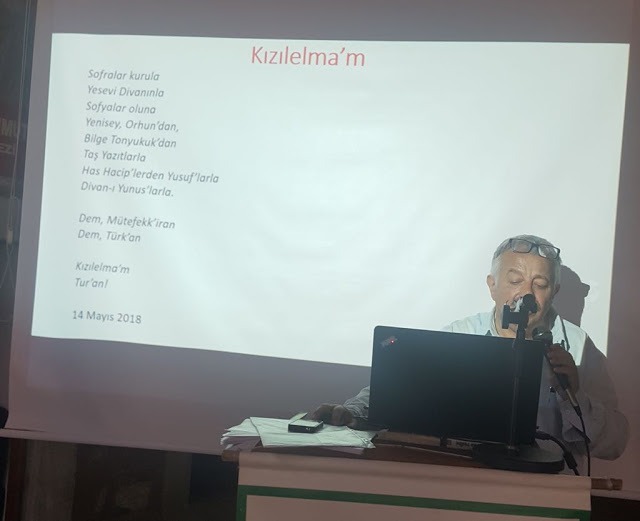
Regarding my transition to poetry, I wrote my first poem in Hong Kong in 1997. I named my poetry book, which I published in 2022, Levendname , in the style of a great Asian epic, because I was in Hong Kong in 1997 and I stayed there for five years and developed it from the period I stayed there. My grandmother was a poet, I saw on her gravestone the poem she wrote for my grandfather, my grandmother Feleknaz Funda,   my grandfather had passed away before, I saw her. I was shaken, she was my root, my mother also had that poetry, so a person is drawn to their own roots. She came and found me. It walks with generations. Of course, it comes from my mother and grandmother, I was very happy about that, and of course, poetry is something very unique to a person, very special, you reveal yourself subjectively. But that is the feature I like the most about myself, of course I have a researcher personality, but poetry is something else, in other words, the power of art to influence is much greater.

Voiced Poems

Selimiye and Three Rivers (Poem) Levent Ağaoğlu – 14/11/2023 Poem: Levent Ağaoğlu (Poet) Voiceover: Gönül Dilek (Poet)

My most preferred feature is actually, okay, I was an exporter by profession, but the transition style is like this, I mean poetry is in my essence, my observations are eye. Your eye sees. I love being with the people because it gives you energy, for example, I constantly go and come back by public transportation, people give you energy, people give you energy and these eventually turn into verses.

For example, my friend called me this morning and I had a meeting with him about exporting to South Africa. I give conferences. I have a website booksonturkey.com , I write articles there. I have books that I have written. I have been writing articles on my website for two years, I have added 2000 articles to my website, both in Turkish and English because we do not have an advertisement in English, it is the language of the world. I care about Turkish very much, but that is another issue. We also need to become a world language, I will start an E-book project on the website.

LEVENT AĞAOĞLU: “TOURISTS CANNOT GO TO BEYLİKDÜZÜ. A FAIR CENTER SHOULD BE OPENED IN YENİKAPI”

LEVENT AGAOGLU:

Poet and writer Levent Ağaoğlu said that the fair centers in Beylikdüzü and Atatürk Airport region have lost their appeal for local and foreign visitors due to transportation difficulties and that fairs on culture, art, technology and tourism in particular should be opened in Yenikapı within the borders of the Historical Peninsula.

My Experiences 35+ Years in Export


In Turkey, the paper price has increased a lot, books are around 200 TL, right? Then I thought, for example, I wrote this book, when I wrote “Cyprus is the Center of the World”, Mustafa Kemal Atatürk said, “Pay attention to Cyprus”. This is the vision now, if I publish it in English and write “The Center of the World is Cyprus”, if I make sentences and determinations that bring the world together in Cyprus, I think it will attract the attention of the world because after all, Cyprus is an island in the Mediterranean, the center of the world is the Mediterranean. The Mediterranean is the middle of the world, in terms of English books, I have an Indian friend, Indians are strong in e-books and editorial issues. The books will be both Turkish and English, and since the cost of this will be low, there will be no paper because it is available, and it will be more accessible. A friend of mine said to me, “Look, if you are not here -he means your mobile phone- you are not here”. He said, “Don’t assume yourself if you are not in your pocket”.

My Export Travels. 33 countries in 33 years (1987-2019)


The year I was in Hong Kong in 1997 is very interesting, it is the beginning of the internet in the world, 35 years have passed. Look, I will tell you a very interesting memory, I am glad it came to my mind, the year is 1998, I attended a conference of Jack Ma , the founder of Ali Baba, as a listener, I like such conferences and meetings, I said what is going on and what is not in the outside world, you know, one of the triangles. Such a short man from China is giving a conference. AliBaba was not AliBaba at that time , it was a startup, it was at a new level in terms of recognition. Americans injected Alibaba into the stock market, the internet started in the world in the first period in 1997.

He started speaking at the conference and the people sitting there were Ericsson and Nokia, the giant companies of that time, in the position of today’s iPhone and Apple. He was speaking standing up, he said you are sharks, there was a presentation in the background, shrimps were flowing on the screen in an active manner.

He said, “Look, we Chinese are like shrimps at the bottom of the sea, we are not sharks like you.” He said, “We are very small, but our smallness and the communication between us creates a very big power,” and he put an end to it.

Now, go back 25 years and see, that guy was a startup and became the number one in the world. Where is Ericcson and where is Nokia, they are now in a very passive position.

Magazines-My Articles

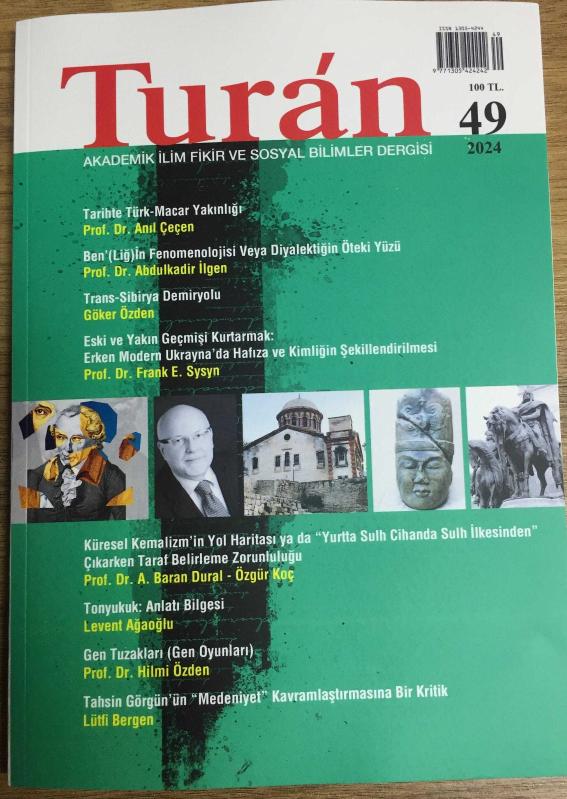
Magazines Made in Turkey Deri’s Eurasia File Turan Yeni Deniz Silk Road with Sebilürreşad Türksoy The Voice of Rumelia Turkish Time World Agenda Hamle Magazine Yesevi…

What did I see there, this is the vision. What is vision, it is personal, the man has leadership, wisdom, both, so the outside world. Here is a very important memory.

I went to Balıkesir recently and gave a conference on Tonyukuk to students at the Anatolian High School. Our first writer is on Tonyukuk. When I saw the young people there, I talked to them by asking them questions, I liked it very much, they are very active and lively, I mean I got hopeful, they are labeled as Generation Z. What does Generation Z mean? Z is the last, there is no letter after Z, there is no person, I do not accept that discourse, but it is a divisive discourse, Generation XYZ, what are these? What I can tell the young people, based on my own experience, is struggle, courage, vision, dream. To pursue these, to be constantly dynamic and lively.

My Political Days in Şişli, 1975-1979

Prof Dr Mübeccel Kıray, 1923-2007 I started Şişli Political School in the fall of 1975 and at that time the school was closed due to right-left conflicts, it was opened later and the most crowded classes…
One of the main themes of the Levendname poems is the poems that verse the historical peninsula of Istanbul. The poet makes references to the Roman and Ottoman periods, especially on the historical peninsula Fatih…


There is no question of discouragement. For example, young people go abroad, my daughter is also working abroad, I do not criticize young people who go abroad, they will represent us there, they will have a different life, they should be very open to the outside world, they should watch what is going on and what is going on. Of course, new professions are developing, there are newly developing professions, but there is a handicap, as I said, experts. Now, all professions are experts, at the bottom, experts, in that case, you cannot see the general picture, if you are in a labyrinth, you can get lost, they should not get lost, they should see the general picture, what is going on and what is going on in the world, and two foreign languages ​​are definitely necessary. I was 40 years old, I took private lessons, I learned Chinese in Hong Kong , I spoke, isn’t the important thing to speak, you speak and you can communicate with the people in front of you. Also, they should care a lot about their language, Turkish, they should drop foreign words.

Books by Levent Ağaoğlu

Thinker, Writer, Poet Levent Ağaoğlu was born in Fatih, Vakıf Gureba as the child of Fatih parents (1958). He kissed the hands of his elders who said, “Be long, my child.” and became the Trustee…

Levendname Poems

Istanbul Poems, Levendname Levent Ağaoğlu – 28/05/2024 One of the main themes of Levendname poems is the poems that verse the historical peninsula of Istanbul. The poet makes references to the Roman and Ottoman periods, especially…

Turkey entered this imitation in 1982, the late Turgut Özal is my idol, he is the father of my profession, he is the person who started exporting in Turkey, but he focused a lot on using foreign words. But there is a time before that, I mean the Turks used French words, German was not used much, but later on English foreign words. Look at the names, look at the names that the Turks took in history, this has changed recently, children are given Turkish names, but Arabic, Persian and even Chinese names were given, this is not nice. Language is a person’s identity, I told this to the youth in Balıkesir. How England became a world leader, it happened with language, it made its language the world language, it did this by dethroning Turkish.

The second is thought, look, there are books on the table today, the British rule the world with their own ideas. Capitalism is a British thought, a system, football is a British system, that is, management and entertainment have all dominated the world with thought. I think we should also pave the way for the dominance of our language and thought.

Speeches, Conferences

******************************************* VOICE RECORDINGS / VOICE FILES ASAM QUESTION MY COMMENTS EDUCATION İHSAN FAZLIOĞLU CONVERSATIONS WITH MYSELF Africa and Asia Byzantium and Rome Republic Language Turkish and Thought Economy Export North South Dialogue Russia Turkey Concept Turks …

I am 65 years old and I have not lost my energy. I was born in 1958 and I always walk around with this energy. If they tell me “hop on and go to South Africa and export there” the next day, I jump on and go.

Conversations with Myself

Conversations with Myself- Africa and Asia African and Asian Continents3. Audio 2022-08-05.ogg African and Asian Continents. AUDIO-2022-05-08.m4a African and Asian Continents2. AUDIO-2022-05-08.m4a Our export performance to the African continent 2022-05-22.m4a Conversations with Myself- Language…

Our youth should follow the country and the world, develop their own independent ideas, that is, reason. Turks gave us creative intelligence, in fact, means the created. Turks have understood this, they have understood theology, let them think. Let them be themselves, in terms of language, thought, what they do, and also be proud of their identities.

They should follow the country and the world well, develop their own independent ideas, reason, He gave us a creative mind. Yes, they should use that mind. In fact, Turk means created, it is a divine concept after all. They should think constantly and be themselves, in terms of language, thought, and actions. They should also take pride in their identities.


In this sense, Vision is very important, look, I used a foreign word, didn’t I? We actually need to remove these. There is a horizon, in the sense of keeping our horizons wide, in the sense of being open to the world.

250 Years of Tea Enjoyment in Fishavi

  Poet Levent Ağaoğlu traveled to 33 countries in 33 years. He stayed in some countries for long years due to his duties. He missed tea the most. In every country he went, Fatih…
Fishavi Coffeehouse Egypt
12 Wise Turks and their remarkable works / Levent Ağaoğlu Our Wise Leaders Atatürk, Tonyukuk and our future – Our Youth / Levent Ağaoğlu Atatürk, the People and the 101st year
WHO LIVES LONGER? We have good news for bookworms. People who read for 30 minutes a day live two years longer than those who don’t read at all. Those who read books…
9 July 2022

Dış Dünya Yazıları

Levent Ağaoğlu İhracatçı, Şair, Yazar Ekim 2023 Mesleğim ihracat olduğu için 33 ülkede iş gereği bulundum. Hong Kong’da beş yıl kaldım. Bulunduğum Şişecam küresel şirketinde hep…
Liderlik, Bilgelik ve Dış Dünya Levent Ağaoğlu – 18/11/20230 Liderlik, Bilgelik ve Dış Dünya Levent Ağaoğlu – 07/10/20230 Düşünce sistematiğinde üç başlık son derece önemlidir. Birinci başlık liderlik konusudur. Bu konuda şahsen…
******************************* ( D-630+ )   DAVA DEVLET DİL DİN DÜŞÜNCE DIŞ DÜNYA DİJİTAL ÇAĞ ******************************* DAVA: Türk Mefkuresi DEVLET: Türk Devletler Teşkilatı DİL: Türkofon Uluslar Topluluğu DİN: 7 Din Tek Millet DÜŞÜNCE&KÜLTÜR: Bilgelik DIŞ DÜNYA&İHRACAT: Tek Pazar DİJİTAL ÇAĞ: Yazılım Dili…
https://www.youtube.com/watch?v=MBmTTHgGSwI&t=57s&ab_channel=MGTVT%C3%BCrkD%C3%BCnyas%C4%B1n%C4%B1nSesi ****************************************** DIŞ DÜNYA Türkiye’de Uluslararası Medya: Uluslararası Medya Türkiye’de neden daha etkin? Dış Dünyaya Neden İlgimiz Yok? Uluslararası Dış Dünyada Türk Medyası neden etkin değil?…
Bir ülkenin kendi dışındaki dünyayı incelemesi sınıflaması kategorize etmesi dış dünya ile olan yakınlığın ve faydanın temin edilmesi açısından önemli bir faaliyettir. ABD’den Samuel…
Düşünce sistematiğinde üç başlık son derece önemlidir. Birinci başlık liderlik konusudur. Bu konuda şahsen en çok önemsediğim şahsiyet Fatih sultan Mehmettir. Çünkü ben Fatih’te…
https://www.agaoglulevent.com/levendname-2/
I. Dünya Savaşı, Osmanlı Devleti’nin Kafkasya, Irak, Sina- Filistin-Suriye, Yemen, Hicaz, Süveyş Kanalı, Çanakkale, Galiçya, Makedonya,…
Şair Levent Ağaoğlu: Azerbaycan’da neden Mehmet Emin Resulzade’nin adı bir havalimanına verilmez?  LEVENT AĞAOĞLU’NDAN TÜRK DÜNYASINA BÜYÜK AKDENİZ BİRLİĞİ (BAB) ÇAĞRISI! I 5.KUVVET715 I MGTV Levent…

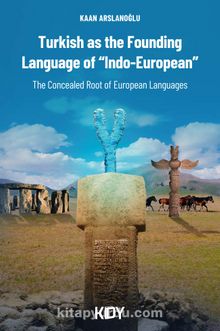
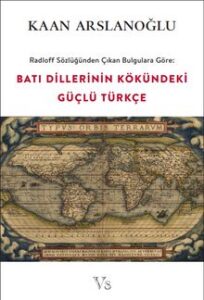
Strategic Wise Power: Turkish Language

Strategy:

What needs to be preserved is the Turkish Ideal through the Turkish identity, and here, the concept of language, not religion, is used as a leverage.

A project without a cause is not possible, and the cause is the Turkish Ideal.

The Turkish identity has been attacked from all sides for the past 50 years and is on the verge of melting. It is essential to revive and strengthen this identity in line with the ideal. Until the 1990s, the Turkish identity and the Turkish language existed and tried to exist only with the Republic of Turkey, much later, with the beginning of the nineties when the Berlin Wall fell, and the Turkistan Republics started to stand by the Republic of Turkey, the Organization of Turkic States was established to encompass all of them.

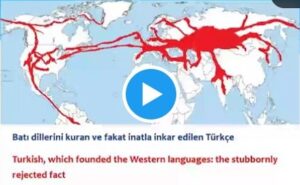
The organization in question is trying to survive with eight countries, but since the Turkish language is spoken in 58 countries, a separate structure based on the Turkish language should be created by establishing the Turkophone Nations Community. Because Turkishness will exist with language. 

Today, within the British Commonwealth of Nations, which has a population of 2.5 billion, the population of England is not even 70 million. But language binds 53 countries into the British Commonwealth of Nations.

Since the Turkish Ideal has not been spread through language, it cannot exceed a population of 300 million. 

Overcoming this limited population and reaching billions will only be possible by teaching and spreading Turkish in regions such as Africa, India and the Balkans, and making it a vibrant language of trade and communication.

Here, the structures that will carry out the Turkish cause will be the Republic of Turkey, two Turkic States Organizations and three Turkophone Nations.

Stratejik Bilge Güç: Türkçe

Stratejik Bilge Güç: Türkçe

Muhafaza edilmesi gereken Türk kimliği üzerinden Türk Mefkuresidir ve burada ise din değil ama dil kavramı kaldıraç olarak kullanılmıştır.

Davası olmayan bir proje mümkün değildir, dava da Türk Mefkûresidir.

Türk kimliği, geçmişteki 50 yıl boyunca her taraftan saldırıya uğratılmış ve erimeye yüz tutmuştur. Mefkure doğrultusunda bu kimliğin yeniden canlandırılması, kuvvetlendirilmesi elzemdir. 1990’lı yıllara kadar sadece Türkiye Cumhuriyeti ile var olan, var olmaya çalışan Türk kimliği ve Türkçe, çok daha sonra Berlin duvarının yıkıldığı doksanlı yılların başlangıcı ile birlikte Türkistan Cumhuriyetlerinin de Türkiye Cumhuriyeti’nin yanında yer almaya başlaması ile birlikte, hepsini kapsayacak şekilde Türk Devletler Teşkilatı kurulmuştur.

Söz konusu teşkilat sekiz ülkeyle ayakta kalmaya çalışmaktadır ve fakat 58 ülkede Türk dili konuşulduğu için Türkofon Uluslar Topluluğu oluşturularak Türk dili bazlı ayrı bir yapılanmanın da oluşturulması gerekmektedir. Çünkü Türklük dil ile var olacaktır. 

Bugün 2,5 milyar nüfuslu İngiliz Uluslar Topluluğunun içinde İngiltere’nin nüfusu sadece 70 milyon bile değildir. Ama dil 53 ülkeyi İngiliz uluslar topluluğu bünyesine bağlamaktadır.

Türk Mefkuresi, dil üzerinden yaygınlaştırılmadığı için 300 milyon nüfusu aşamamaktadır. 

Bu kısıtlı nüfusun aşılarak milyarlara ulaşılması için ise ancak Türkçe’nin Afrika, Hindistan, Balkanlar gibi bölgelerde öğretilmesi ve yaygınlaştırılarak canlı bir ticaret ve iletişim dili haline gelmesi ile mümkün olacaktır.

Burada Türk davası yürütücüsü olan yapılar bir Türkiye Cumhuriyeti, iki Türk Devletler Teşkilatı üç Türkofon Uluslar Topluluğu olacaktır.

Hangi yazar yüzde kaç türkçe yazmış 

Türk Dili yeni kelimelerle nasıl zenginleştirilebilir?

Türk edebiyatı ile ilgili eserlerde romanlarda şiirlerde hikayelerde tiyatro eserlerinde edebiyatçı yazarların kullandıkları yeni kelimeler dili zenginleştirme konusunda önemli bir kaynak olabilir mi. Türkçenin kelime kapasitesi bu şekilde yükseltilebilir mi?

Edebiyat Eserleri ve Kelime Zenginleştirme

Evet, Türk edebiyatı eserleri, romanlar, şiirler, hikayeler ve tiyatro eserleri, yazarların kullandığı yeni kelimeler ve dil zenginleştirme konusunda önemli bir kaynak olabilir. Edebiyatçılar, dilin sınırlarını zorlayarak yeni kelimeler türeterek, mecazlar yaratarak ve dilleri ustalıkla kullanarak Türkçenin kelime kapasitesini genişletmeye katkıda bulunabilirler.

Bunun birkaç yolu vardır:

1. Yeni Kelimeler Türetmek: Yazarlar, yeni kavramları ifade etmek veya var olan kelimelerin yetersiz kaldığı durumlarda yeni kelimeler türetebilirler. Bu kelimeler, kökler, ekler ve bileşik kelimeler gibi çeşitli yöntemlerle oluşturulabilir. Örneğin, Yunus Emre’nin “aşkın” kelimesi, Farsça “aşk” ve Türkçe “ın” ekinden türetilmiştir.

2. Mecaz Kullanımı: Edebiyatçılar, kelimeleri asıl anlamlarının dışında kullanarak mecazlar yaratabilirler. Bu mecazlar, dilde yeni anlamlar ve çağrışımlar yaratabilir ve okuyucunun hayal gücünü harekete geçirebilir. Örneğin, Mevlana’nın “gözlerim kör oldu seni görmeden” mısraında, “kör” kelimesi asıl anlamının dışında kullanılmıştır ve sevginin yoğunluğunu ve görme yetisini gölgede bırakacak kadar güçlü olduğunu ifade etmektedir.

3. Dil Ustaca Kullanımı: Yazarlar, dilbilgisi kurallarını ve dilin nüanslarını ustalıkla kullanarak dilde yeni ve ilgi çekici ifadeler yaratabilirler. Bu, dilin daha estetik ve etkileyici olmasını sağlayabilir. Örneğin, Orhan Pamuk’un romanlarında kullandığı uzun ve karmaşık cümleler, okuyucuyu hikayenin içine çeker ve dilin müzikalitesini vurgular.

Edebiyat eserlerinin dil zenginleştirmeye katkısının yanı sıra, okuyucuların da kelime hazinelerini geliştirmede önemli bir rolü vardır. Okuyucular, yeni kelimelerle karşılaştıklarında anlamlarını araştırmaya ve onları kendi yazılarında ve konuşmalarında kullanmaya çalışmalıdırlar.

Ancak, edebiyat eserlerinin tek başına Türkçenin kelime kapasitesini genişletmek için yeterli olmadığını da belirtmek önemlidir. Yeni kelimelerin ve dilbilgisi kurallarının yaygın olarak benimsenmesi için eğitim sisteminin ve dil kurumlarının da desteği gereklidir.

Sonuç

Edebiyat eserleri, Türkçenin kelime kapasitesini genişletmek için önemli bir kaynak olabilir. Yazarlar, yeni kelimeler türeterek, mecazlar kullanarak ve dili ustalıkla kullanarak dile katkıda bulunabilirler. Okuyucular da yeni kelimelerle karşılaştıklarında anlamlarını araştırmaya ve onları kendi yazılarında ve konuşmalarında kullanmaya çalışarak dil hazinelerini geliştirebilirler.

Ancak, edebiyat eserlerinin tek başına yeterli olmadığını ve dilin gelişmesi için eğitim sistemi ve dil kurumlarının da desteği gerektiğini unutmamak gerekir.

“Türklerin zihin dünyası Türk edebiyatında saklıdır. Sosyologlar, felsefeciler, tarihçiler, pedagoglar, antropologlar… Orhun Yazıtları, KB, DLT, Dede Korkut ile Türkçe destan, hikâye ve masalları iyice incelemelidirler. Bunları anlamadan Türkleri anlamaları mümkün değildir.” Prof. Ali Akar

12 ada Yunanistan tarafından silahlandırılmakta mıdır?

BOP Kronolojisi


1943: Türkiye Siyaseti ikinci Dünya Savaşı sonrasında 1943 yılından başlamak üzere tedricen merkez parti ekseninden Anglosakson ABD ve İngiltere tarafından milliyetçi muhafazakar etiketle empoze edildiği bir BOP formasyonuna sokulmuştur.

1949: Fullbright Anlaşması

1951: İmam Hatip Okullarının Açılışı. Evet, 70 sene önce 17 Ekim 1951‘de 7 ilde imam hatip okulu açılması kararıyla Türkiye’nin imam hatipli yılları işte böyle başlamıştır. Üç yıllık lise bölümleri 1954’te açılmış. Bu okul mezunlarının okuyabileceği yüksekokul olarak Yüksek İslam Enstitüleri 1959’da kurulmuştur.

1969: Kanlı Pazar

1969: CKMP 1969 Kongresi ile de Türkeş milliyetçiliği ABD nin BOP formatına iliştiriyor. Siyasal İslamın milliyetçi kanadını tesis ediyor.

Seyyid Kutup kitapları: İkinci Dünya Savaşından sonraki süreçler içerisinde ABD ve Rusya arasında kurulan yumuşama dengesi kapsamında, ülkeler ve bölgeler iki kutuplu dünya tarafından paylaşılmaya başlanmış ve devamında ise Rusya sıcak denizlere inme politikası içerisinde kuzey Afrika’da Mısır merkezli olarak kendisine yer edinmeye başlamıştır. Karşı hareket ABD’den gelerek İhvan hareketi lideri Seyyid Kutub üzerinden Siyasal İslam ideolojisi, türban ve cihat kavramları merkezli olarak ABD tarafından örgütlenmiştir.

1972:  MSP nin Kuruluşu

1980 Darbesi

1982: Rabıta

1993: Örtülü Darbe

2001: AKP nin Kuruluşu


Eşbaşkanlık BOP


BOP Aparatları

Dini siyasallaştırıp ideolojiye dönüştüren Birleşik Krallıktır. Anglikanizm, Siyonizm, Siyasal İslam hep ingiliz kumaşından dokunmuştur. Dillerini dünyaya hakim kılarken semavi dinleri de ideolojiye dönüştürdüler. 1928’de İngilizler tarafından…

Büyük Orta Doğu Yazıları

  Türkiye’de Büyük Orta Doğu Levent Ağaoğlu – 14/03/20230 TESPİT: Türkiye’de Büyük Orta Doğu. Batı literatüründe ilk kez 1943 yılında kullanılan BOP kavramının kullanımı ülkemizde 45 yıl sonra 1988…