covered bazaar. Shopping centers. Lively bazaars.
Turks like Bazaars whether these are open bazaars or covered bazaars. Where ever they go they establish daily bazaars, whether it is closed Bazaar or an open bazaar in is it. Turks call bazaar names with the names of the days. It’s a great tradition first for text to have to have a regular and steady bazaars the reason why is they they prefer to have a talks and exchange of views and understandings and having the fresh news and making you and making negotiations buying while buying the most economical products and really this is the way of life for the Turks.

It is really astonishing to know that in in Asian turkey and then say the south south eastern parts of Europe say in Bulgaria Greece and ask Yugoslavia territories there are many place names with bazaar. And even the Turkish language has been widespread it in the towns and cities and villages with the communications in Turkish communications language communications in the bazaars so buying and selling yeah that’s not only serve for the exchange of the goods but exchange of the language as well. And then also in for example in Ephesus for the shops for buying and selling the area is called as the third one in the state they’re going is it four size. This is the same as in in example is again with four corners building supply called Çarşı again in Turkish.

Language is the name two names of the days is buzzer and she means after bazaar day names are related to PAZARCIK so this shows the strong correlation between days and Bazzano’s in the language sure the language is the indication of way of thinking so language has text saved in their mind is strong correlation with exchanging the products shopping and we did thatWe talk to him before the names of the bazaar or with the names of the days are cold with the names of the days.
And recently since since early 2000s almost every city has a new shopping centers this is a covered building cover billing it is not open one so especially in Istanbul they are abundant shopping centers for the city residence living in the city and then the tourists also travellers as well they are making their shopping because there are especially for the closings Gloating specialist and she has a stronger text Aylin the street so you can find all the governments items in these bozos
Lonely Planet Turkiye: Plan the Trip of a Lifetime | Detailed Itineraries & Maps | Insider Tips | Covers Istanbul, Troy, Izmir and more (Travel Guide)
$12.73 (as of 24/10/2026 03:12 GMT +03:00 - More infoProduct prices and availability are accurate as of the date/time indicated and are subject to change. Any price and availability information displayed on [relevant Amazon Site(s), as applicable] at the time of purchase will apply to the purchase of this product.)
Istanbul Colouring Book (Türkiye in Colour)
$13.32 (as of 24/10/2026 03:12 GMT +03:00 - More infoProduct prices and availability are accurate as of the date/time indicated and are subject to change. Any price and availability information displayed on [relevant Amazon Site(s), as applicable] at the time of purchase will apply to the purchase of this product.)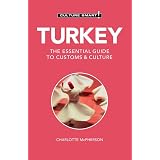
Turkey - Culture Smart!: The Essential Guide to Customs & Culture
$7.43 (as of 24/10/2026 03:12 GMT +03:00 - More infoProduct prices and availability are accurate as of the date/time indicated and are subject to change. Any price and availability information displayed on [relevant Amazon Site(s), as applicable] at the time of purchase will apply to the purchase of this product.)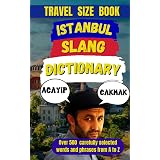
Istanbul Slang Dictionary: Your Ultimate Guide to Istanbul’s Colorful and Cheeky Language (Slang Dictionary Around The World Book 72)
$3.15 (as of 24/10/2026 03:12 GMT +03:00 - More infoProduct prices and availability are accurate as of the date/time indicated and are subject to change. Any price and availability information displayed on [relevant Amazon Site(s), as applicable] at the time of purchase will apply to the purchase of this product.)
Rick Steves Istanbul: With Ephesus & Cappadocia
$12.36 (as of 24/10/2026 03:12 GMT +03:00 - More infoProduct prices and availability are accurate as of the date/time indicated and are subject to change. Any price and availability information displayed on [relevant Amazon Site(s), as applicable] at the time of purchase will apply to the purchase of this product.)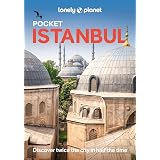
Lonely Planet Pocket Istanbul: Discover Twice the City in Half the Time | Top Sights | Maps & Walking Tours | Covers Sultanahmet & Sirkeci, Bazaar ... & Western Districts and more (Pocket Guide)
$6.99 (as of 24/10/2026 03:12 GMT +03:00 - More infoProduct prices and availability are accurate as of the date/time indicated and are subject to change. Any price and availability information displayed on [relevant Amazon Site(s), as applicable] at the time of purchase will apply to the purchase of this product.)
Istanbul: The Imperial City
$1.43 (as of 24/10/2026 03:12 GMT +03:00 - More infoProduct prices and availability are accurate as of the date/time indicated and are subject to change. Any price and availability information displayed on [relevant Amazon Site(s), as applicable] at the time of purchase will apply to the purchase of this product.)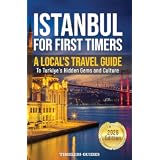
Istanbul For First Timers: A Local's Travel Guide To Turkiye's Hidden Gems and Culture
$4.99 (as of 24/10/2026 03:12 GMT +03:00 - More infoProduct prices and availability are accurate as of the date/time indicated and are subject to change. Any price and availability information displayed on [relevant Amazon Site(s), as applicable] at the time of purchase will apply to the purchase of this product.)
Istanbul & Northwest Turkey Travel Reference Map WP
$10.95 (as of 24/10/2026 03:12 GMT +03:00 - More infoProduct prices and availability are accurate as of the date/time indicated and are subject to change. Any price and availability information displayed on [relevant Amazon Site(s), as applicable] at the time of purchase will apply to the purchase of this product.)
Blue Guide Istanbul: Sixth Edition (Travel Series)
$6.26 (as of 24/10/2026 03:12 GMT +03:00 - More infoProduct prices and availability are accurate as of the date/time indicated and are subject to change. Any price and availability information displayed on [relevant Amazon Site(s), as applicable] at the time of purchase will apply to the purchase of this product.)
God's Battalions: A Study of the Crusades, Christian Warfare, and the Fight for the Holy Land
$5.19 (as of 24/10/2026 03:12 GMT +03:00 - More infoProduct prices and availability are accurate as of the date/time indicated and are subject to change. Any price and availability information displayed on [relevant Amazon Site(s), as applicable] at the time of purchase will apply to the purchase of this product.)
Istanbul: Memories and the City (Vintage International)
$11.94 (as of 24/10/2026 03:12 GMT +03:00 - More infoProduct prices and availability are accurate as of the date/time indicated and are subject to change. Any price and availability information displayed on [relevant Amazon Site(s), as applicable] at the time of purchase will apply to the purchase of this product.)
The Christian Traveler's Guide to the Holy Land
$18.63 (as of 24/10/2026 03:12 GMT +03:00 - More infoProduct prices and availability are accurate as of the date/time indicated and are subject to change. Any price and availability information displayed on [relevant Amazon Site(s), as applicable] at the time of purchase will apply to the purchase of this product.)
Türkiye (Turkey): Mediterranean Coast Map (National Geographic Adventure Map, 3019)
$10.95 (as of 24/10/2026 03:12 GMT +03:00 - More infoProduct prices and availability are accurate as of the date/time indicated and are subject to change. Any price and availability information displayed on [relevant Amazon Site(s), as applicable] at the time of purchase will apply to the purchase of this product.)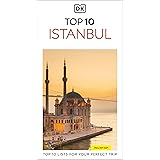
DK Top 10 Istanbul: Top 10 lists for your perfect trip, plus an all-weather folded map (Pocket Travel Guide)
$5.71 (as of 24/10/2026 03:12 GMT +03:00 - More infoProduct prices and availability are accurate as of the date/time indicated and are subject to change. Any price and availability information displayed on [relevant Amazon Site(s), as applicable] at the time of purchase will apply to the purchase of this product.)
Turkish Grammar Made Simple: A Beginner's Guide with Practice Exercises A1-A2 (TURKISH STEP BY STEP GRAMMAR Book 1)
$4.90 (as of 24/10/2026 03:12 GMT +03:00 - More infoProduct prices and availability are accurate as of the date/time indicated and are subject to change. Any price and availability information displayed on [relevant Amazon Site(s), as applicable] at the time of purchase will apply to the purchase of this product.)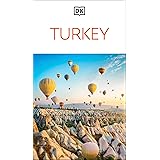
DK Turkey: Must-See Sights. Culture & History. Detailed Maps & Tours. Covers Istanbul, Cappadocia, Antalya, Bodrum, & more (Travel Guide)
$20.55 (as of 24/10/2026 03:12 GMT +03:00 - More infoProduct prices and availability are accurate as of the date/time indicated and are subject to change. Any price and availability information displayed on [relevant Amazon Site(s), as applicable] at the time of purchase will apply to the purchase of this product.)
The Turkish Cookbook
$43.40 (as of 24/10/2026 03:12 GMT +03:00 - More infoProduct prices and availability are accurate as of the date/time indicated and are subject to change. Any price and availability information displayed on [relevant Amazon Site(s), as applicable] at the time of purchase will apply to the purchase of this product.)
Strolling Through Istanbul: The Classic Guide to the City
$12.81 (as of 24/10/2026 03:12 GMT +03:00 - More infoProduct prices and availability are accurate as of the date/time indicated and are subject to change. Any price and availability information displayed on [relevant Amazon Site(s), as applicable] at the time of purchase will apply to the purchase of this product.)