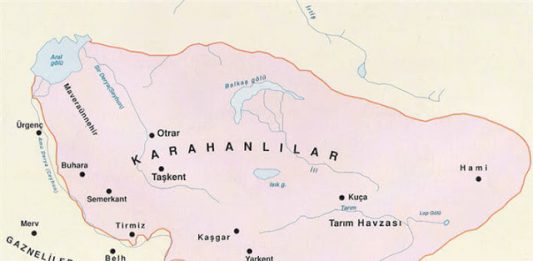
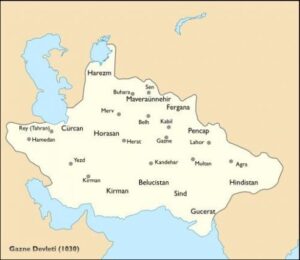
AFGHANISTAN
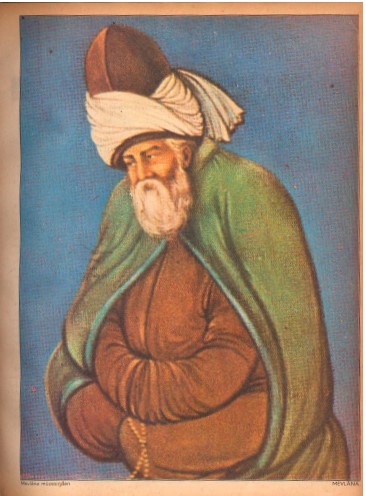
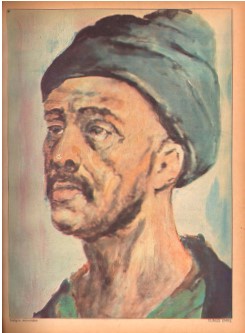
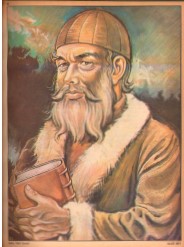
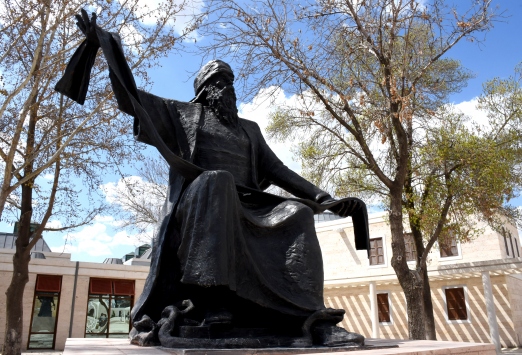
Mevlana Belh Horasan Afghanistan
Ebul Kasım Unsuri (968–1039). Belh Afghanistan
Ebul Fazl Beyhaki (995–1077). Gazne Afghanistan
Hücviri Ö.1072 Gazne Afghanistan
Ali Şir Nevai Herat Maveraünnehir Afghanistan
Kemaleddin Bihzad (1450–1537). Herat Afghanistan
Hüseyin Baykara. Herat Afghanistan
Ebul Hasan İbni Culuğ Faruki. Sistan Afghanistan
AZERBAİJAN
Ahmet Ağaoğlu Azerbaijan Azerbaijan
Molla Hafız Gence, Berda Azerbaijan
Gönül Bünyadzâde Göyce Azerbaijan
Abdulkadir El Meragi Meraga Azerbaijan
Hüseyinzâde Ali Turan Salyan Azerbaijan
İmameddin Nesimi Şamahı Azerbaijan
Ahmet Cevat Şemkir Azerbaijan
Muhammed Bin Mahmud Şirvani Şirvan Azerbaijan
Seyyid Yahya Şirvani Şirvan Azerbaijan
Fethullah Eş-Şirvanı Şirvan, Şemahi Azerbaijan
INDIA
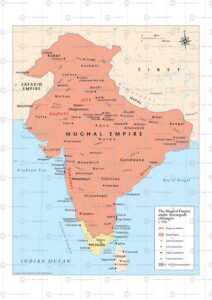
Seydi Ali Reis. Gucerat’a ulaşmış. India
IRAN
Ebu’l Hasan Herekani Bistam Iran Iran
Ebü’l-Vefa Elbuzcanî Buzhgan Horasan Iran
İbn Türk El-Ceylî Ceyl Maveraünnehir Iran
Şeyh Yusuf Hemedani Hemedan Horasan Iran
Molla Fenarî Horasan Maveraünnehir Iran?
Ahi Evran Hoy Iran Iran
El Biruni Kas, Harezm Maveraünnehir Iran
Şeyh Küşteri Küşter Horasan Iran
Ebul Hasan El Amiri Nişabur Horasan Iran
Ömer Hayyam Nişabur Horasan Iran
Hacı Bektaşı Veli Nişabur Horasan Iran
Fahreddin Er-Râzî Rey Iran Iran
Kutbüddin Razi Rey, Veramin Horasan Iran
Uluğ Bey Sultaniye Maveraünnehir Iran
Şahabettin Sühreverdi 1153-1191 Sühreverd Iran Iran
Ali Tusi Tus Iran Iran
Cabir Bin Hayyan Tus Horasan Iran
Et Tusi Naşirüddin (1201 – 1274): Tus Iran
Nizamülmülk (1018 – 1092): Tus Iran
El Gazali 1058-1111. 1058 Tus Iran
KAZAKHSTAN
El Farabi (870-950). Farab Kazakhstan
Farabi Farab (Otrar), Kazakhstan Maveraünnehir Kazakhstan
Ahmet Yesevi Yesi, Kazakhstan Maveraünnehir Kazakhstan
UZBEKİSTAN
İmam Buhari Buhara Maveraünnehir Uzbekistan
İbni Sina Buhara Maveraünnehir Uzbekistan
Bahaeddin Mehmed Nakşibendi Şah-I Nakşibend Buhara Maveraünnehir Uzbekistan
Babür Şah Fergana Türkistan Uzbekistan
Necmeddin Kübra Hiva Maveraünnehir Uzbekistan
Musa El Harezmi Hive Maveraünnehir Uzbekistan
İmam Maturidi 870 Semerkand Maveraünnehir Uzbekistan
Edip Ahmet Yükneki Semerkand Maveraünnehir Uzbekistan
Ali Kuşçu Semerkand Maveraünnehir Uzbekistan
Şemsüddin Es Semerkandi Semerkand Maveraünnehir Uzbekistan
Ebu Hanife Tirmiz Maveraünnehir Uzbekistan
İmam Tirmizi Tirmiz Maveraünnehir Uzbekistan
PAKISTAN
Ekber Şah. Sind Pakistan
TAJIKISTAN
Ebu’l-Mahmud El-Hocendî Hocend (Khujand) Tajikistan Maveraünnehir Tajikistan
En Nesefi Nesef Maveraünnehir Tajikistan
Nasir Hüsrev (1004–1088). Qabodiyon Tajikistan
TURKMENISTAN
Meruzî Merv Horasan Turkmenistan
Nesevî Nesa Horasan Turkmenistan
Easy Turkish Phrase Book for Travel: 1500+ Essential Phrases for Vacation, Restaurants, Hotels & Everyday Conversations in Turkey: The Ultimate Guide ... Local Slang & Essential Survival Phrases
$10.99 (as of 09/08/2026 02:09 GMT +03:00 - More infoProduct prices and availability are accurate as of the date/time indicated and are subject to change. Any price and availability information displayed on [relevant Amazon Site(s), as applicable] at the time of purchase will apply to the purchase of this product.)
Istanbul: The Imperial City
$17.98 (as of 09/08/2026 02:09 GMT +03:00 - More infoProduct prices and availability are accurate as of the date/time indicated and are subject to change. Any price and availability information displayed on [relevant Amazon Site(s), as applicable] at the time of purchase will apply to the purchase of this product.)
Topkapi Palace: A Coffee Table Book Showcasing Istanbul's Imperial Legacy – Also see Harem, Imperial Gate, Courtyards, Sacred Relics, Bosphorus Views and much more (Travel Coffee Table Books)
$14.99 (as of 09/08/2026 02:09 GMT +03:00 - More infoProduct prices and availability are accurate as of the date/time indicated and are subject to change. Any price and availability information displayed on [relevant Amazon Site(s), as applicable] at the time of purchase will apply to the purchase of this product.)
Amazing Turkey Facts for Kids: A Fun Learning Book with Color Photos About Istanbul, Ephesus, Ancient Temples, Underground Cities, Wildlife, Culture, Food, and Famous Landmarks
$16.99 (as of 09/08/2026 02:09 GMT +03:00 - More infoProduct prices and availability are accurate as of the date/time indicated and are subject to change. Any price and availability information displayed on [relevant Amazon Site(s), as applicable] at the time of purchase will apply to the purchase of this product.)
Istanbul: Memories and the City (The Illustrated Edition)
$22.04 (as of 09/08/2026 02:09 GMT +03:00 - More infoProduct prices and availability are accurate as of the date/time indicated and are subject to change. Any price and availability information displayed on [relevant Amazon Site(s), as applicable] at the time of purchase will apply to the purchase of this product.)
DK Turkey: Must-See Sights. Culture & History. Detailed Maps & Tours. Covers Istanbul, Cappadocia, Antalya, Bod (Travel Guide)
$20.33 (as of 09/08/2026 02:09 GMT +03:00 - More infoProduct prices and availability are accurate as of the date/time indicated and are subject to change. Any price and availability information displayed on [relevant Amazon Site(s), as applicable] at the time of purchase will apply to the purchase of this product.)
Laminated Istanbul Map by Borch (English) (English, Spanish, French, Italian and German Edition)
$9.95 (as of 09/08/2026 02:09 GMT +03:00 - More infoProduct prices and availability are accurate as of the date/time indicated and are subject to change. Any price and availability information displayed on [relevant Amazon Site(s), as applicable] at the time of purchase will apply to the purchase of this product.)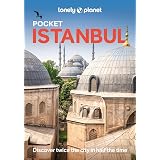
Lonely Planet Pocket Istanbul: Discover Twice the City in Half the Time | Top Sights | Maps & Walking Tours | Covers Sultanahmet & Sirkeci, Bazaar ... & Western Districts and more (Pocket Guide)
$11.01 (as of 09/08/2026 02:09 GMT +03:00 - More infoProduct prices and availability are accurate as of the date/time indicated and are subject to change. Any price and availability information displayed on [relevant Amazon Site(s), as applicable] at the time of purchase will apply to the purchase of this product.)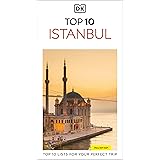
DK Top 10 Istanbul: Top 10 lists for your perfect trip, plus an all-weather folded map (Pocket Travel Guide)
$7.31 (as of 09/08/2026 02:09 GMT +03:00 - More infoProduct prices and availability are accurate as of the date/time indicated and are subject to change. Any price and availability information displayed on [relevant Amazon Site(s), as applicable] at the time of purchase will apply to the purchase of this product.)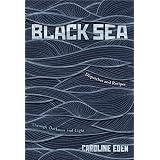
Black Sea: Dispatches and Recipes – Through Darkness and Light
$14.98 (as of 09/08/2026 02:09 GMT +03:00 - More infoProduct prices and availability are accurate as of the date/time indicated and are subject to change. Any price and availability information displayed on [relevant Amazon Site(s), as applicable] at the time of purchase will apply to the purchase of this product.)
Türkiye (Turkey) Map (National Geographic Adventure Map, 3018)
$7.22 (as of 09/08/2026 01:52 GMT +03:00 - More infoProduct prices and availability are accurate as of the date/time indicated and are subject to change. Any price and availability information displayed on [relevant Amazon Site(s), as applicable] at the time of purchase will apply to the purchase of this product.)
Istanbul: Memories and the City (Vintage International)
$14.94 (as of 09/08/2026 01:52 GMT +03:00 - More infoProduct prices and availability are accurate as of the date/time indicated and are subject to change. Any price and availability information displayed on [relevant Amazon Site(s), as applicable] at the time of purchase will apply to the purchase of this product.)
Great Escapes Mediterranean. The Hotel Book
$59.71 (as of 09/08/2026 01:52 GMT +03:00 - More infoProduct prices and availability are accurate as of the date/time indicated and are subject to change. Any price and availability information displayed on [relevant Amazon Site(s), as applicable] at the time of purchase will apply to the purchase of this product.)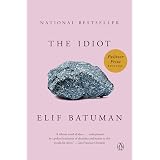
The Idiot: A Novel
$3.05 (as of 09/08/2026 01:52 GMT +03:00 - More infoProduct prices and availability are accurate as of the date/time indicated and are subject to change. Any price and availability information displayed on [relevant Amazon Site(s), as applicable] at the time of purchase will apply to the purchase of this product.)
The Essential Travel Guide to Turkiye: Iconic Sights, Authentic Food and Smart Travel Tips From A Local (Istanbul, Cappadocia, Antalya and Beyond)
$17.99 (as of 09/08/2026 01:52 GMT +03:00 - More infoProduct prices and availability are accurate as of the date/time indicated and are subject to change. Any price and availability information displayed on [relevant Amazon Site(s), as applicable] at the time of purchase will apply to the purchase of this product.)
DK Top 10 Istanbul: Top 10 lists for your perfect trip, plus an all-weather folded map (Pocket Travel Guide)
$7.31 (as of 09/08/2026 01:52 GMT +03:00 - More infoProduct prices and availability are accurate as of the date/time indicated and are subject to change. Any price and availability information displayed on [relevant Amazon Site(s), as applicable] at the time of purchase will apply to the purchase of this product.)
Fodor's Essential Turkey (Full-color Travel Guide)
$16.59 (as of 09/08/2026 01:52 GMT +03:00 - More infoProduct prices and availability are accurate as of the date/time indicated and are subject to change. Any price and availability information displayed on [relevant Amazon Site(s), as applicable] at the time of purchase will apply to the purchase of this product.)
God's Battalions: A Study of the Crusades, Christian Warfare, and the Fight for the Holy Land
$5.99 (as of 09/08/2026 01:52 GMT +03:00 - More infoProduct prices and availability are accurate as of the date/time indicated and are subject to change. Any price and availability information displayed on [relevant Amazon Site(s), as applicable] at the time of purchase will apply to the purchase of this product.)
Out of Istanbul: A Journey of Discovery Along the Silk Road
$17.89 (as of 09/08/2026 01:52 GMT +03:00 - More infoProduct prices and availability are accurate as of the date/time indicated and are subject to change. Any price and availability information displayed on [relevant Amazon Site(s), as applicable] at the time of purchase will apply to the purchase of this product.)