Home Blog Page 198

Hotels.com

Booking.com

Expedia Group

https://affiliates.expediagroup.com/en-us/home

https://affiliates.expediagroup.com/en-us/signup

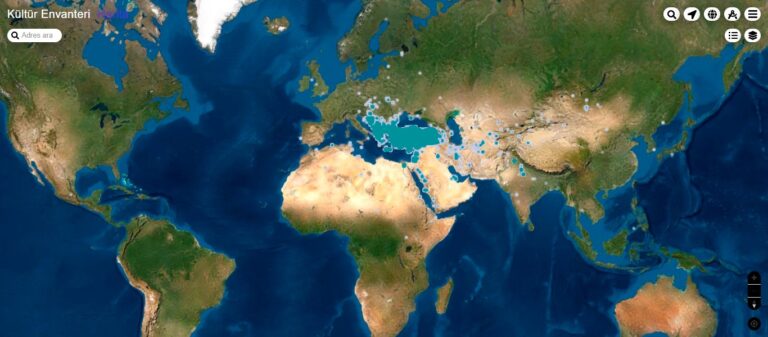
Cultural Heritage of Turks

ASIA


Araştır / Dizin

Araştır / Dizin

Araştır / Dizin

Araştır / Dizin

Araştır / Dizin

Araştır / Dizin

Araştır / Dizin

Araştır / Dizin

Araştır / Dizin

Araştır / Dizin

Araştır / Dizin

Araştır / Dizin

Araştır / Dizin

EUROPE

Araştır / Dizin

Araştır / Dizin

Araştır / Dizin

Araştır / Dizin

Araştır / Dizin

Araştır / Dizin

Araştır / Dizin

Araştır / Dizin

Araştır / Dizin

Araştır / Dizin

Araştır / Dizin

ASIA-CAUCASIA

Araştır / Dizin

Araştır / Dizin

AFRICA

Araştır / Dizin

Araştır / Dizin

Araştır / Dizin

Araştır / Dizin

TÜRKİYE

Araştır / Dizin

Welcome to Turkey great destination for tourism

Modern Turkish diasporas

BooksonTurkey

by Levent Ağaoğlu

https://booksonturkey.com/

https://www.biyografya.com/biyografi/22973
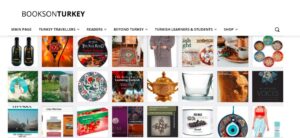
All in Turkey and key for unique Turkey as well www.booksonturkey.com

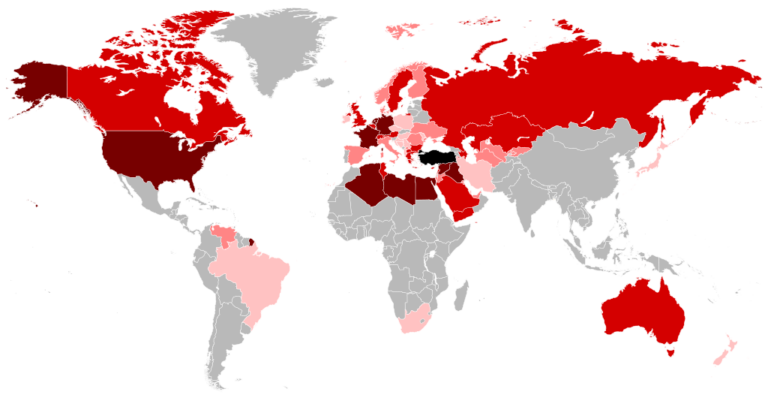
Turks journied all through Asia, Europe and Africa over several millenniums and marked their legacies in geography and history of the countries stretching throughout the continents of the old world.

What is imagined in mindset as Turkey is functionally stereotyped under 8 categories; for Turkey Travellers, for Readers, for Buyers, for Turkish Learners&Students, for Turkish Cuisine, for Turkish Medical, for Beyond Turkey, for Turcophiles and several sub categories for easy access and reference.

“Books on Turkey” is not confined to works on Turkey; it also includes historical, cultural, social, and political research carried out on countries and societies “beyond Turkey”; extending from Europe to the Balkans, Middle East, North Africa and Far East, Near East, Central, South and South East of Asia.

Key for creative solutions of the world from Turkey with books, bazaars, businesses, travellers, nomads, towns, mountains, rivers, seas, antiquity, first settlers, literature, philosophy, wisdom, olives, endemics, language, hospitality, smile on faces; so on and more on the continental peninsulas of faith and infinity of the humankind.

Yes, BooksonTurkey’s language is entirely in English, but it has become a Turkish site after all.

As a person who has stepped into 32 countries as part of my export profession, I am delighted to have surpassed “Turkish propaganda for Turks” and made Ataturk’s ideal of “Peace at home, peace in the world” visible as a result of adding Turkeys outside Turkey to the content of the site with original photographs of my own.

Saying Turkey, what I mean is the World.

I want to further this message.

https://www.youtube.com/watch?v=RKCU1e3rwXY&t=3s

Vision of BooksonTurkey

  1. Togetherness
  2. Universality
  3. Rationality
  4. Key
  5. Equality
  6. Youth

All in Turkey and key for unique Turkey as well www.booksonturkey.com

Turks journied all through Asia, Europe and Africa over several millenniums and marked their legacies in geography and history of the countries stretching throughout the continents of the old world.

What is imagined in mindset as Turkey is functionally stereotyped under 8 categories;

  • for Turkey Travellers
  • for Readers
  • for Buyers
  • for Turkish Learners&Students
  • for Turkish Cuisine
  • for Turkish Medical
  • for Beyond Turkey
  • for Turcophiles

and several sub categories for easy access and reference.

https://booksonturkey.com/vision-of-booksonturkey/

What are the Stereotypes for BooksonTurkey content and interest?

 Retired Traveller

https://booksonturkey.com/retired-travellers/

Religious Traveller

https://booksonturkey.com/c/for-turkey-travellers/religious-traveller/

Young Traveller (EuroTrain)

https://booksonturkey.com/young-travellers/

Turkish Literature Reader

https://booksonturkey.com/?s=Literature+

Art and Cultural Interest

https://booksonturkey.com/c/for-readers/art-culture/

Business Traveller

https://booksonturkey.com/c/for-turkey-travellers/business-traveller/

Buyers

https://booksonturkey.com/c/for-buyers/

Turkish Politics. Strategy. History

https://booksonturkey.com/whats-going-on-with-politics-in-turkey/

Food, Nature and Health

https://booksonturkey.com/?s=food

Istanbul Attraction

https://booksonturkey.com/?s=Istanbul

Shopping and Bazaars

https://booksonturkey.com/shoppingbazaar/

Hotels and Hostels

https://booksonturkey.com/hotels-hostels/

https://booksonturkey.com/what-are-the-stereotypes-for-booksonturkey-content-and-interest/

Snapshot: BooksonTurkey.com

  1. 16 years (2006) domain
  2. Over 1700 entries
  3. Over 4500 photos
  4. 50 categories
  5. 25 authors
  6. Black-White photos
  7. “Books on Turkey” is not limited to studies on Turkey; It also includes historical, cultural, social and political research on countries and societies “beyond Turkey”;
  8. It stretches from Europe to the Balkans, the Middle East, North Africa and the Far East, the Near East, the Central, South and South East of Asia.
  9. With books, bazaars, businesses, travelers, nomads, towns, mountains, rivers, seas, antiquity, first settlers, literature, philosophy, wisdom, olives, endemics, language, hospitality, smiles on faces,
  10. Turkey is the key to the world’s creative solutions. ; such and more in the continental peninsulas of humanity’s faith and eternity.

https://booksonturkey.com/snapshot-booksonturkey-com/

BooksonTurkey recordings

 https://booksonturkey.com/booksonturkey-recordings/

 IMAGES OF TURKEY Photographies

118 black and white photographs from 1974-75 with Turkish and English photo captions

In 1974-1975.

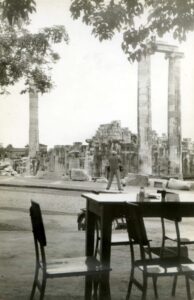
Let’s look at these places from the perspective of 2022 and try to understand a global transformation story by comparing old photographs with today’s facts and developments.

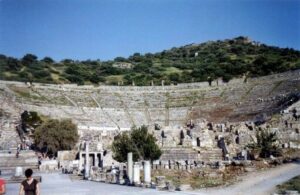
Istanbul, Troy, Pergamon, Ephesus, Seljuk, Didim.

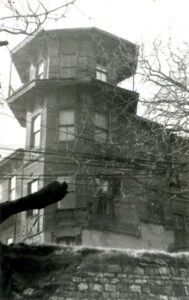
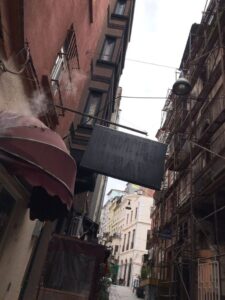
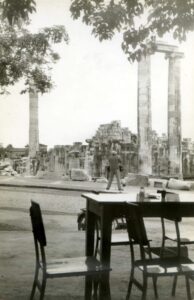
The photographs I shot half a century ago in Istanbul Fatih, the historical peninsula and ancient cities such as Troy, Pergamon, Ephesus and Didim in the Aegean shed light on our day. The permanence of ancient cities, which have not changed for thousands of years, clad in silence and solitude. The ancient cities we visited on the Aegean coast were in their heyday when Istanbul was not yet on the scene. Sharp and striking change experienced in the city of Istanbul in the last 50 years, occur together with the testimony of our eyes and extend to the present day of the beginnings of the 21st century.

https://booksonturkey.com/?s=1975

Traveller’s Talks of Turkish Exporter: All Over The World

I am happy to share my experiences as human adventure with humans all over the world. As an exporter professional I have been travelled to 32 countries within 32 years (1987-2019).

Starting with Syria, France and China in 1987 and finally before the pandemic in 2018 and 2019, I was in India, stayed there almost a month, in Egypt, in Iran as the three big civilisations in the East and Qatar as well.

Have a good day all my friends, good day to all of you.

https://www.youtube.com/channel/UCwtivaqM4NZGJQXqZw4-7wA/videos       

40 years of experience, for the memorial of an unforgettable Turkish coffee….

https://booksonturkey.com/40-years-of-experience-for-the-memorial-of-an-unforgettable-turkish-coffee/

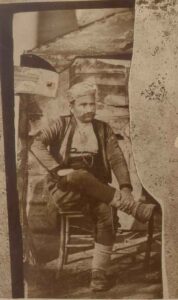
Kosoğlu İsmail, Grandest Father. Ustina, Pazarcık, Filibe (Plovdiv), Bulgaria İsmail Kosoğlu, 1870. Ustina village, Pazarcık, Filibe

The first photograph on the BooksonTurkey site is my grandfather’s Yörük photograph dated 1878 in Plovdiv. My first article is an article about Prince Sabahattin 40 years ago in 1982. My first photos abroad are those of Damascus, Paris and Beijing in 1987.

40 years of experience, for the sake of a Turkish coffee….

What is Turkey?

Turkey is a huge continent consisting of two peninsulas, one on the European continent and the other on the Asian continent. The synthesis of two continents, Europe and Asia, in Turkey has created a completely different continent. Just as India was called a subcontinent by the British, we also call Turkey; Turkey is a continent over continents.

When the first man’s journey from Africa began, the main route of the transit routes was spread over the Turkish continent to Asia, Europe and the north. The richness of Turkey is its underground resources as well as its living creatures, people, animals and plants.

When Fatih Sultan Mehmet entered Istanbul, he entered this city with dogs and animals. People and animals live together on the streets in this country. In this country, people are not separated by color, colors are only descriptive for geography; It is the Mediterranean, the Red Sea, the Black Sea, the Blue Danube, the Gökçe Sea (Caspian sea).

https://booksonturkey.com/what-is-turkey-2/

  1. How do you define Turkey for your understanding. What is Turkey?
  2. What is imagined in mindset as Turkey, What is Turkey as a concept
  3. Do you think Turkey means the world?
  4. Do you think that Turkey represents a unique story?
  5. Do you understand the books only as the books or more meanings?
  6. Who are the stereotyped individuals in respect of who shows an interest in Turkey?
  7. Which of the stereotyped individuals are more important in respect of Turkey interest?
  8. Do you think that English language literature on Turkey is sufficient?
  9. When we talk about “Beyond Turkey” concept and understanding, what comes to your mind?
  10. Do you think that Turkey is a unique key for creative solutions of the world and if so how?
  11. Do you think any parallel understanding of Humanity concept and Turkey?
  12. Is Turkey a follower or a leader in the world?
  13. Do you think “Made in Turkey” label has a global or a regional brand image?
  14. Do you publish your books and articles in English language as well and is it enough?

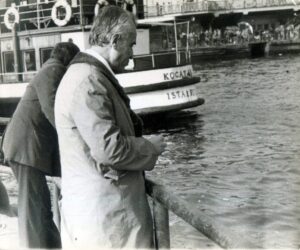
© Copyright photo by Levent Ağaoğlu, 1975, Fatih, Istanbul, Turkey

https://booksonturkey.com/what-is-turkey/

BooksonTurkey on Digital Platforms

BOOKSONTURKEY https://booksonturkey.com/

YOUTUBE          https://www.youtube.com/channel/UCwtivaqM4NZGJQXqZw4-7wA

TWITTER           https://twitter.com/agaoglulevent

FACEBOOK       https://www.facebook.com/lagaoglu/

https://www.facebook.com/Booksonturkey-100562802403623

LINKEDIN          https://www.linkedin.com/in/levent-a%C4%9Fao%C4%9Flu-6a470644/

BLOGSPOT        http://leventagaoglu.blogspot.com/

SPOTIFY             https://open.spotify.com/show/6ydikHH9dBcfb25WjY2WIa?si=sflvDkjqT_GF7F1gkgy72A

SOUNDCLOUD  https://soundcloud.com/levent-a-ao-lu

SLIDESHARE      https://www.slideshare.net/lagaoglu1

INSTAGRAM     https://www.instagram.com/levent_agaoglu/

https://www.instagram.com/booksonturkey/

https://booksonturkey.com/booksonturkey-on-digital-platforms/

Non Turkish Scholars devoted to Turkish Language

Dear Readers,

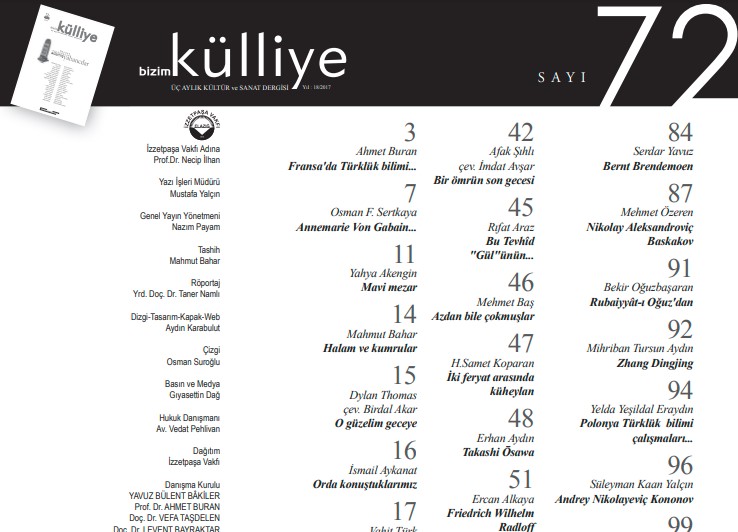
We have reserved this issue of our magazine for foreigners who have devoted their lives to our Turkish language. They say that they are foreigners who are interested in studies on Turkish language and dialects and our Turkishness and astonish us with what they have revealed. These studies of foreigners date back to the centuries before Christ. The tendency of us, that is, the Turks, to scientific studies about themselves begins with Mahmud of Kashgar in the eleventh century.

Eight centuries later it gains momentum. Domestic or foreign; Of course, it is what we do that paves the way for scientists to serve our language and culture. In short, it is our handcrafted items, our epics that tell our world ordeal, our destination with embroideries, our eternal stones that embody time, and our social and political relations.

These are the secrets of our mirror.

Also, “Even a person speaks a word / A word to say / This
Those of us who say the hell of the world / Eight flights are a word.

The editor of this issue, esteemed Turcologist Prof. Dr. Ahmed Buran. We would like to thank him, the faculty members and staff of Fırat University who contributed, and the friends who were guests of our issue from afar. However, it is not possible to fit those who dedicate their years to our Turkish language and bring our works to light between two covers of a magazine. We hope they turn it into a book volume from them.

3 Ahmet Buran Fransa’da Türklük bilimi…
7 Osman F. Sertkaya Annemarie Von Gabain…
11 Yahya Akengin Mavi mezar
14 Mahmut Bahar Halam ve kumrular
15 Dylan Thomas çev. Birdal Akar O güzelim geceye
16 İsmail Aykanat Orda konuştuklarımız
17 Vahit Türk Willy Bang Kaup
20 Bilgehan Atsız Gökdağ Andreas Tietze
24 Ahat Üstüner Türkçeye ve Türkiye’ye gönülden bağlı Macar Türkolog
29 Nurettin Demir Lars Johanson
33 Nevzat Özkan Az bilinen konuların bilgesi: Aleksandr Garkavets
37 Çimen Özçam Nicholas Poppe
40 Ahmet Turan Sinan Ettore Rossi’nin Türklük bilgisine katkıları
42 Afak Şıhlı çev. İmdat Avşar Bir ömrün son gecesi
45Rıfat Araz Bu Tevhîd”Gül”ünün…
46 Mehmet Baş Azdan bile çokmuşlar
47 H.Samet Koparan İki feryat arasında küheylan
48 Erhan Aydın Takashi Ōsawa
51 Ercan Alkaya Friedrich Wilhelm Radloff
58 Gürer Gülsevin Gerhard Doerfer
61 Birol İpek Güney Koreli bir Türkolog
64 Erdoğan Erbay röp.: Emine Koca
68 Mustafa Sever Sarayova’da bir Türkolog…
74 Cengiz Alyılmaz Çinli bilim adamı…
76 Ahmet Günşen Köklerini Türk dili ve tarihinde arayan bir Macar…
84 Serdar Yavuz Bernt Brendemoen
87 Mehmet Özeren Nikolay Aleksandroviç Baskakov
91 Bekir Oğuzbaşaran Rubaiyyât-ı Oğuz’dan
92 Mihriban Tursun Aydın Zhang Dingjing
94 Yelda Yeşildal Eraydın Polonya Türklük bilimi çalışmaları…
96 Süleyman Kaan Yalçın Andrey Nikolayeviç Kononov
99 Galip Şefahet çev. Abdulkadir Özkan Merdiven
100 Kübra Gök Üşümüş dağlar

101 Ahmet Doğru Su yatağı
102 Ferhat Nitin Aralamak doğan güneşi
103 Murat Aka Arvo Martti Oktavianus Räsänen
107 Veysel Karaca Vilhelm Ludwig Peter Thomsen
109 Bilgit Sağlam Sir Gerard Clauson
112 Osman Suroğlu / Çizgi

Muhterem Okurlar,

Dergimizin bu sayısını ömürlerini Türkçemize adamış yabancılara ayırdık. Derler ki Türk dili ve lehçeleriyle, Türklüğümüzle ilgili çalışmalara eğilen ve ortaya çıkardıklarıyla bizleri hayrette bırakan yabancılardır. Yabancıların bu çalışmaları milattan önce bilmem kaçıncı yüzyıllara kadar uzanır. Bizim, yani Türklerin kendilerine dair bilimsel çalışmalara yönelmesi ise on birinci yüzyılda Kaşgarlı Mahmud ile başlar. Sekiz asır sonra hız kazanır. Yerli veya yabancı; bilim adamlarının dil ve kültürümüze hizmette bulunmalarının yolunu açan elbette yapıp ettiklerimizdir. Kısaca söylersek, el emeği göz nuru eşyalarımız, dünya çilemizi, menzilimizi nakışlı bezekli anlatan destanlarımız, zamanı somutlaştıran bengi taşlarımız ve sosyal ve siyasi ilişkilerimizdir.
Aynamızın sırı bunlardır.

Bir de “Kişi bile söz demini / Demeye sözün kemini / Bu
cihan cehennemini / Sekiz uçmağ ede bir söz” diyenlerimiz.

Bu sayımızın editörü değerli Türkolog Prof. Dr. Ahmet Buran. Kendisine, emeği geçen Fırat Üniversitesi öğretim üye ve elemanlarıyla uzaktan yakından sayımıza konuk olan dostlara teşekkür ediyoruz. Ancak Türkçemize yıllarını adayarak eserlerimizi gün yüzüne çıkaranları hepten bir derginin iki kapağı arasına sığdırmak mümkün değil. Kendilerinden bir kitap hacmine dönüştürmelerini umuyoruz. 73. sayımızın dosya konusu “Edebiyat ve Düş”. Yeniden buluşmak ümit ve dileğiyle Allah’a emanet olunuz.
Bizim Külliye

https://www.academia.edu/40359816/%C3%96MR%C3%9CN%C3%9C_T%C3%9CRK%C3%87EM%C4%B0ZE_ADAMI%C5%9E_YABANCILAR

What-are-the-best-Turkish-literature-books to read

My Name is Red by Orhan Pamuk was a very entertaining historical tale, opening a window into the life of miniaturists in 1591, being something of a murder mystery story as well. Pamuk would later receive the 2006 Nobel prize for literature. Pamuk’s other books are very good as well.

Strangely when I was in Turkey our tour guide said he preferred other authors, but maybe this book has the most appeal for non-Turks. Or maybe the book improved in translation! 😉

  1. Reşat Nuri Güntekin – Acımak
  2. Orhan Pamuk – Benim Adım Kırmızı
  3. Sabahattin Ali – Kürk Mantolu Madonna (This one made me cry, and therefore and I don’t want to remember.)
  4. Ahmet Hamdi Tanpınar – Saatleri Ayarlama Enstitüsü (In order to enjoy the story, you should know about history of the Republic of Turkey, between 1923–46).
  5. Recaizade Mahmut Ekrem – Araba Sevdası (Again you should know about Ottoman history between 1840–1900. In fact, you also need to know about Divan literature).
  6. Orhan Pamuk – Cevdet Bey ve Oğulları (This one is boring maybe, but I like it anyway. It will give you an idea about a tra
  7. Ahmet Hamdi Tanpinar, HUZUR
  8. Orhan Pamuk, BENIM ADIM KIRMIZI
  9. Orhan Pamuk, YENI HAYAT
  10. Oguz Atay, TUTUNAMAYANLAR
  11. Yasar Kemal, INCE MEMED
  12. Yakup Kadri Karaosmanoglu, YABAN
  13. Resat Nuri Guntekin, CALIKUSU
  14. Kemal Tahir, DEVLET ANA
  15. Kemal Tahir, YORGUN SAVASCI
  16. Adalet Agaoglu, DUGUN GECESI
  17. İçimizdeki Şeytan (The Devil Inside) by Sabahattin Ali
  18. Kuyucaklı Yusuf (Yusuf of Kuyucak) by Sabahattin Ali
  19. Cevdet Bey ve Oğulları (Cevdet Bey and Sons) by Orhan Pamuk
  20. Kumral Ada, Mavi Tuna (I believe it’s been translated as Mediterranean Waltz) by Buket Uzuner
If you are interested in poetry, the modern poets who have left the most impression on current literature are Orhan Veli Kanık, Melih Cevdet Anday and Oktay Rıfat (all contemporaries, and considered to be the representatives of the “Garip” movement). I’d also look at the works of

Read books written by Orhan Pamuk, who won the Nobel Prize for Literature. His books are wonderfully written, with a unique style, fantastic attention to historical detail (especially on the Ottoman empire), and characters whose personal psychology, passions, inner turmoil, and beautiful soul he portrays like a true artist of the written word.

Here are some of Pamuk’s books I would recommend:

  • Istanbul: Memories and the City
  • The Museum of Innocence
  • Other Colors
  • The New Life
  • A Strangeness in My Mind (this one is the latest (as of 2015)

in academic Ahmet Hamdi Tanpınar, İnci Enginün will be helpful.

But Turkish literature has a huge chamber the period is also important.

I give you last period of it with these books. (at least academic part)

You can read any books of these writers/poets.

Turkish literature has roots of hundreds of years. Books from the Ottoman period or after that can be recommended. But I would like to recommed some books that I recently read from Turkish literature:

One of the most well known Turkish author is Orhan Pamuk. He won the Nobel Prize on 2006. I could recommend you some of his books.

1)Istanbul: Memories of a City

2)The Museum of Innocence

3) My name is red

Also we can recommend you the famous representative of the early Turkish Republic literature : Orhan Kemal. His literary works has socialist and realistic tone. The books I read from Orhan Kemal

… (more)

Kar (Snow) by Orhan Pamuk. Short and sweet. If it charms you, A Strangeness in my Mind, by Orhan Pamuk as well. The latter is a lesson on a huge slice of contemporary Turkey.

Kazakhs

From Professor Ahmet Tasagil

I would like to share some of my thoughts about Kazakhs on the independence day of Kazakhstan.

My perspective on the Kazakhs living in different parts of Mongolia, mainly Nalayh, in the vast area stretching from the Volga river to the deserts of Kansu-Ordos and in Koşağaç and Bayan-Ölgiy is based on the history of Turkish tribes. B.C. The territory of Kazakhstan, where Ting-ling (Ogur) tribe groups lived during the Huns, became the home of the Toles first and then the On Ok (Turgis/Oghuz) during the Gok Turk period.

Kipchaks of the Irtysh tribe emerged at the end of the 9th century and dominated the area stretching from the plains of Hungary to Egypt, from India to Tatarstan. With the weakening of the Golden Horde state, the tribes that formed the eastern wing of the state began to act independently in the middle of the 15th century, and as a result, both the Kazakh Khanate and the Kazakhs emerged.

Considering the stature system of the Kazakhs, it is seen that especially the large stature comes from historical depths. In other words, when the dominance of Genghis Khan and his sons weakened, the tribes in the steppe were organized as Kazakhs. Cossacks are an alliance of tribes that do not prefer settled life. From this point of view, Kazakh = powerful man, power man, in my opinion.
Today, Kazakhs are the people who have managed to preserve the old Turkish customs and traditions. Therefore, they have a special place in the history of the Turkish World.

Being able to survive in the vast steppes of Eurasia despite hunger, thirst and Russian cruelty is a great achievement.

…………………………………….

Profesör Ahmet Taşağıl’dan

Kazakistan’ın bağımsızlık gününde Kazaklar hakkında bazı düşüncelerimi paylaşmak isterim.
Volga ırmağından Kansu-Ordos’un çöllerine kadar uzanan geniş sahada ve Koşağaç ile Bayan-Ölgiy’de Moğolistan’ başta Nalayh olmak üzere değişik yerlerinde yaşayan Kazaklara benim bakış açım Türk boyları tarihi üzerindendir. MÖ. Hunlar zamanında Ting-ling(Ogur) boy gruplarının ömür sürdüğü Kazakistan toprakları Gök Türk devrinde önce Töleslerin daha sonra On Ok (Türgiş/Oğuzların) yurdu olmuştur.

İrtiş boyundaki Kıpçaklar, 9.yüzyılın sonlarında ortaya çıkıp Macaristan ovalarından Mısır’a, Hindistan’dan Tataristan’ kadar uzanan sahada hakim olmuşlardır. Altınordu devletinin zayıflaması üzerinde devletin doğu kanadını oluşturan boylar 15.yüzyıl ortalarında bağımsız hareket etmeye başlamış, neticede hem Kazak Hanlığı hem de Kazaklar ortaya çıkmıştır.

Kazakların boy sistemine bakıldığından özellikle büyük boyların tarihi derinlerden geldiği görülür. Yani Cengiz Han ve oğullarının hakimiyeti zayıflayınca bozkırdaki boylar Kazaklar olarak teşkilatlanmıştır. Kazaklar yerleşik hayatı tercih etmeyen boyların ittifakıdır. Bu açıdan bakıldığında bana göre Kazak= Muktedir adam, erkin adam demektir.
Günümüzde eski Türk töresini ve geleneklerini korumayı başarmış halktır Kazaklar.. Bu yüzden Türk Dünyası tarihinde özel bir yere sahiptirler..

Avrasya’nın uçsuz bucaksız bozkırlarında açlığa, susuzluğa ve Rus zulmüne rağmen ayakta kalabilmek büyük başarıdır.