https://twitter.com/search?q=%40NurayBLGL1%20yaz%C4%B1t&src=typed_query&f=top

The inscription unearthed in the ancient city of Sura, located near the Syrian city of Raqqa, during the illegal excavations carried out by ISIS between 2013 and 2015, has been evaluated as the oldest known written trace of the West Hun Empire in the Middle East. https://tr.sputniknews.com/20210917/suriyede-west-hun-emperatorlugunun-known-en-old-written-traces-isidin-kazilarinda-revealed-1048994615.html?fbclid=IwAR16C5Y73tIw97qH591yKufkxx80DbccA18FYN

Stone Inscription of Genghis Khan. It is written in Turkish Uyghur letters. “After Genghis Khan conquered the Sartuul Dynasty [in Central Asia] in 1224, all the Mongol lords gathered in the Bukha-Sojikhai steppe. There, Yesunkhei hit a target with a bow and arrow at a distance of 335 arms.”

BİTIGLİ BENGÜTAŞLAR. The written ones of bengü rocks, which literally means “Eternal Stone”, are also called “Bitigli Stone”. The rocks are called “Bengütaş”, that is, infinity stones. Bitig means writing, record, inscription.

ORHUN MONUMENTS. Handmade Bilge Khan Period, Tortoise Base, Bitigli Bengütaş Written with Turkish Runes. Bitig Yazıt means Bilig Knowledge. Saying “I finished this stone” means that I wrote this stone. #nuraybilgili #eletmişbilgekağan #turkmitoloji #orhunanıtları
………………………………………………….
Suriye’nin Rakka kenti yakınlarında bulunan Sura Antik Kenti’nde, 2013-2015 yılları arasında IŞİD’in yaptığı yasa dışı kazılarda ortaya çıkan yazıt, Batı Hun İmparatorluğu’nun Ortadoğu’da bilinen en eski yazılı izi olarak değerlendirildi.
https://tr.sputniknews.com/20210917/suriyede-bati-hun-imparatorlugunun-bilinen-en-eski-yazili-izleri-isidin-kazilarinda-ortaya-cikti-1048994615.html?fbclid=IwAR16C5Y73tIwqH591yKufk80mtFYNxxDJPcctw97peMeA1sU3Ltb18-DWP0
Cengiz Kağan’a ait Taş Yazıt. Türk Uygur Harfleri ile yazılmıştır. “Cengiz Han 1224’te Sartuul Hanedanlığını [Orta Asya’da] fethettikten sonra, tüm Moğol beyleri Bukha-Sojikhai bozkırında bir araya geldi. Orada, Yesunkhei ok ve yay ile 335 kollu bir mesafeden bir hedefi vurdu.”
BİTİGLİ BENGÜTAŞLAR. Kelime anlamı itibariyle “Ebedi Taş” demek olan bengü kayaların yazılı olanlarına “Bitigli Taş” adı da verilir. Kayalara “Bengütaş” yani sonsuzluk taşları adı verilir. Bitig ise, yazı, kayıt, yazıt anlamına gelir.
ORHUN ANITLARI. El Etmiş Bilge Kağan Dönemi, Kaplumbağa Kaideli, Türk Runeleri ile Yazılmış Bitigli Bengütaş. Bitig Yazıt, Bilig Bilgi demektir. “Bu taşı ben Bitidim” demek, bu taşı ben yazdım anlamındadır. #nuraybilgili #eletmişbilgekağan #türkmitolojisi #orhunanıtları
……………………………………………………….
https://twitter.com/search?q=%40NurayBLGL1%20beng%C3%BCta%C5%9F&src=typed_query&f=top


Tamgalı Bengütaş, who is thought to be at the entrance of İlteriş Kagan Tomb. Stamps of various Turkish tribes were struck on this stone, which almost expresses Turkish unity. Presumably, the Khagans themselves signed the Treaty by “Taming” this stone.

The “Wolf Dragon Iconography” on Bitigli Bengütaş, erected in memory of the cult, is known as the Wolf-Ejder, “Time Tengri” among Huns and Göktürks, and is thought to have created time by turning the Universe. In this inscription, the following sentences coincide with this idea.

BENGÜTAŞ. The Obelisk is also known as the Eternal Stone or the Infinity Stone. Wolf, Hand, Belt, Sword and Cosmic Symbols were engraved on this stone, which was erected during the Gokturk period. It was probably erected for a Kagan or Alpine.

A Bengütaş in Denizli. Salur Boy Tamga. Tamgas are the “Identity Document” of the Turks. They mark their own identity information on the places where they migrate. Turkish Oghuz Tribe Stamps are these Encrypted signs. Each Boy has a unique “Abstract” shape.

HUN EMPIRE. Buryat Ulan Ude city was one of the important centers of the Hun-Xiongnu Empire. B.C. 1st century Excavations for the city on the banks of Lake Baikal and the Selenge river continue. A “Monument Bengütaş” was built to keep the memory of the Huns alive. A metal plate representing the belt buckle used by the Hun Khan and his Alps was placed on the stone. The opening is magnificent. Actors disguised as Wolf and Deer, playing an important role in Hun and Turkish myths, took part in the opening. In Hun and Turkish myths, Wolf and Deer are the “Avatar” animal of God and Goddess, symbolizing the masculine and feminine element. In the Turkish logic and thought system, “Duality” is symbolized by these two sacred animals.
“Planting Stones” is one of the most important rituals for Turks. It means “Cosmicizing” the lands they live in. Cities that are cosmicized and built around a center become sacred. Bengütaş, sacred trees, sky pillars and of course temples are sacred centers that connect three cosmic regions and provide communication with God. #nuraybilgili
……………………………………………………..
BENGÜTAŞ. Dikili Taş, Ebedi Taş ya da Sonsuzluk Taşı olarak da bilinir. Göktürk döneminde dikilmiş bu taş üzerine, Kurt, El, Kemer, Kılıç ve Kozmik Semboller kazınmıştır. Muhtemelen bir Kağan ya da Alp için dikilmiş.
Denizlide bir Bengütaş. Salur Boy Tamgası. Tamgalar Türklerin “Kimlik Belgesidir”. Göç ettikleri yerlere kendi kimlik bilgilerini işaretlerler. Türk Oğuz Boyu Tamgaları işte bu Şifreli işaretlerdir. Her Boy’un kendine özgü “Soyut” bir şekli vardır.
HUN İMPARATORLUĞU. Buryat Ulan Ude şehri Hun-Xiongnu İmparatorluğunun önemli merkezlerindendi. M.ö. 1.yy. Baykal gölü ve Selenge ırmağı kıyısındaki şehir kazıları devam etmekte. Hunlar’ın anısını yaşatmak için bir “Anıt Bengütaş” yapılmış. Taşın üzerine Hun Kağan ve Alp’larının kullandığı kemer tokasını ifade eden metal bir plaka yerleştirilmiş. Açılış muhteşem. Hun ve Türk mitlerinde önemli rol oynayan, Kurt ve Geyik kılığına giren oyuncular açılışta rol almış. Hun ve Türk mitlerinde, Kurt ve Geyik eril ve dişil öğeyi simgeleyen, Tanrı ve Tanrıçanın “Avatar” hayvanıdır. Türk mantık ve düşünce sisteminde “Düalite” bu iki kutsal hayvan İle sembolize edilir.
“Taş Dikmek” Türkler için en önemli ritüellerdendir. Yaşadıkları toprakları “Kozmikleştirme” anlamına gelir. Kozmikleştirilen ve bir merkez etrafında kurulan şehirler kutsallaşır. Bengütaşlar, kutsal ağaçlar, gök direkleri ve tabiki tapınaklar, üç kozmik bölgeyi birbirine bağlayan ve Tanrı ile iletişimi sağlayan kutsal merkezlerdir. #nuraybilgili
Istanbul For First Timers: A Local's Travel Guide To Turkiye's Hidden Gems and Culture
$4.99 (as of 13/11/2026 03:20 GMT +03:00 - More infoProduct prices and availability are accurate as of the date/time indicated and are subject to change. Any price and availability information displayed on [relevant Amazon Site(s), as applicable] at the time of purchase will apply to the purchase of this product.)
Lonely Planet Turkiye: Plan the Trip of a Lifetime | Detailed Itineraries & Maps | Insider Tips | Covers Istanbul,Thrace, Marmara, Izmir, Bodrum, Antalya, Cappadocia and more (Travel Guide)
(as of 13/11/2026 03:20 GMT +03:00 - More infoProduct prices and availability are accurate as of the date/time indicated and are subject to change. Any price and availability information displayed on [relevant Amazon Site(s), as applicable] at the time of purchase will apply to the purchase of this product.)
Istanbul: The Imperial City
$17.09 (as of 13/11/2026 03:20 GMT +03:00 - More infoProduct prices and availability are accurate as of the date/time indicated and are subject to change. Any price and availability information displayed on [relevant Amazon Site(s), as applicable] at the time of purchase will apply to the purchase of this product.)
Istanbul: The Monocle Travel Guide Series
(as of 13/11/2026 03:20 GMT +03:00 - More infoProduct prices and availability are accurate as of the date/time indicated and are subject to change. Any price and availability information displayed on [relevant Amazon Site(s), as applicable] at the time of purchase will apply to the purchase of this product.)
Istanbul, City map 1:10.000, City Pocket map + The Big Five
(as of 13/11/2026 03:20 GMT +03:00 - More infoProduct prices and availability are accurate as of the date/time indicated and are subject to change. Any price and availability information displayed on [relevant Amazon Site(s), as applicable] at the time of purchase will apply to the purchase of this product.)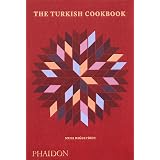
The Turkish Cookbook
$54.95 (as of 13/11/2026 03:20 GMT +03:00 - More infoProduct prices and availability are accurate as of the date/time indicated and are subject to change. Any price and availability information displayed on [relevant Amazon Site(s), as applicable] at the time of purchase will apply to the purchase of this product.)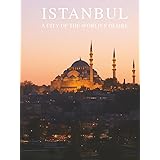
Istanbul a City of The World's Desire: a Photo Travel Experience
$58.09 (as of 13/11/2026 03:20 GMT +03:00 - More infoProduct prices and availability are accurate as of the date/time indicated and are subject to change. Any price and availability information displayed on [relevant Amazon Site(s), as applicable] at the time of purchase will apply to the purchase of this product.)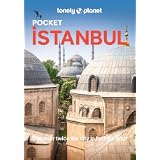
Lonely Planet Pocket Istanbul (Pocket Guide)
$13.27 (as of 13/11/2026 03:20 GMT +03:00 - More infoProduct prices and availability are accurate as of the date/time indicated and are subject to change. Any price and availability information displayed on [relevant Amazon Site(s), as applicable] at the time of purchase will apply to the purchase of this product.)
Istanbul & Northwest Turkey Travel Reference Map WP
(as of 13/11/2026 03:20 GMT +03:00 - More infoProduct prices and availability are accurate as of the date/time indicated and are subject to change. Any price and availability information displayed on [relevant Amazon Site(s), as applicable] at the time of purchase will apply to the purchase of this product.)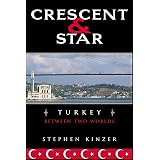
Crescent & Star: Turkey Between Two Worlds
$3.99 (as of 13/11/2026 03:20 GMT +03:00 - More infoProduct prices and availability are accurate as of the date/time indicated and are subject to change. Any price and availability information displayed on [relevant Amazon Site(s), as applicable] at the time of purchase will apply to the purchase of this product.)
What's So Special About Istanbul?: A Solva Publishing Travel Guide (A Solva Publishing Travel Guide Series)
$11.86 (as of 13/11/2026 03:19 GMT +03:00 - More infoProduct prices and availability are accurate as of the date/time indicated and are subject to change. Any price and availability information displayed on [relevant Amazon Site(s), as applicable] at the time of purchase will apply to the purchase of this product.)
The House of the Virgin Mary in Ephesus: Exploring the History, Faith, Archaeology, and Mysteries of Mary's Final Home Near Ancient Ephesus in Turkey (Ancient History Collection)
$12.99 (as of 13/11/2026 03:19 GMT +03:00 - More infoProduct prices and availability are accurate as of the date/time indicated and are subject to change. Any price and availability information displayed on [relevant Amazon Site(s), as applicable] at the time of purchase will apply to the purchase of this product.)
Crescent & Star: Turkey Between Two Worlds
$3.99 (as of 13/11/2026 03:19 GMT +03:00 - More infoProduct prices and availability are accurate as of the date/time indicated and are subject to change. Any price and availability information displayed on [relevant Amazon Site(s), as applicable] at the time of purchase will apply to the purchase of this product.)
Constantinople to Istanbul: One City, Two Empires.
$54.99 (as of 13/11/2026 03:19 GMT +03:00 - More infoProduct prices and availability are accurate as of the date/time indicated and are subject to change. Any price and availability information displayed on [relevant Amazon Site(s), as applicable] at the time of purchase will apply to the purchase of this product.)
Istanbul: Memories and the City (Vintage International)
$11.94 (as of 13/11/2026 03:19 GMT +03:00 - More infoProduct prices and availability are accurate as of the date/time indicated and are subject to change. Any price and availability information displayed on [relevant Amazon Site(s), as applicable] at the time of purchase will apply to the purchase of this product.)
A Guide to Biblical Sites in Greece and Turkey
(as of 13/11/2026 03:19 GMT +03:00 - More infoProduct prices and availability are accurate as of the date/time indicated and are subject to change. Any price and availability information displayed on [relevant Amazon Site(s), as applicable] at the time of purchase will apply to the purchase of this product.)
Great Escapes Mediterranean. The Hotel Book
$55.92 (as of 13/11/2026 03:19 GMT +03:00 - More infoProduct prices and availability are accurate as of the date/time indicated and are subject to change. Any price and availability information displayed on [relevant Amazon Site(s), as applicable] at the time of purchase will apply to the purchase of this product.)
Türkiye (Turkey) Map (National Geographic Adventure Map, 3018)
(as of 13/11/2026 03:19 GMT +03:00 - More infoProduct prices and availability are accurate as of the date/time indicated and are subject to change. Any price and availability information displayed on [relevant Amazon Site(s), as applicable] at the time of purchase will apply to the purchase of this product.)
DK Turkey: Must-See Sights. Culture & History. Detailed Maps & Tours. Covers Istanbul, Cappadocia, Antalya, Bodrum, & more (Travel Guide)
(as of 13/11/2026 03:19 GMT +03:00 - More infoProduct prices and availability are accurate as of the date/time indicated and are subject to change. Any price and availability information displayed on [relevant Amazon Site(s), as applicable] at the time of purchase will apply to the purchase of this product.)