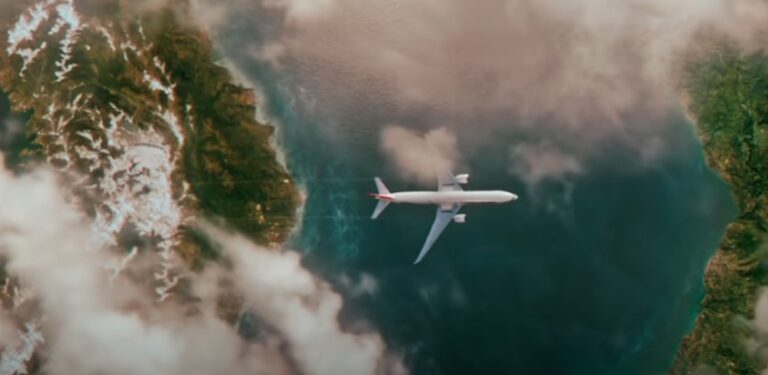
No airline connects more countries than @turkishairlines – and it was great to reconnect with them for this year’s Super Bowl commercial. #Pangea #SuperBowlLVI
300 million years ago, there was no Africa, Asia, Americas or Europe.
Just one, big supercontinent: Pangea.
And today there is still a force connecting those divided by distance,
reversing millions of years of rifting.
Making far feel close.
Bringing there to here.
We connect more countries than any other airline.
Turkish Airlines
Turkish Airlines, the airline that flies to the most countries in the world, is inspired by the supercontinent of Pangea and our longing to come together. While the priorities, needs and sensitivities of people living on five continents differed, our feelings were common. We wanted to get closer, strengthen ties and, in short, bring the world back together.
Turkish Airlines connects 329 points from 128 countries through İstanbul, the meeting point of the continents. Regardless of the circumstances, we will continue to carry our passengers to the places and experiences that renew and comfort them, to their loved ones.
We invite you to an experience where you will feel at home in the sky and enjoy the privileges of Turkish Airlines while exploring new worlds.
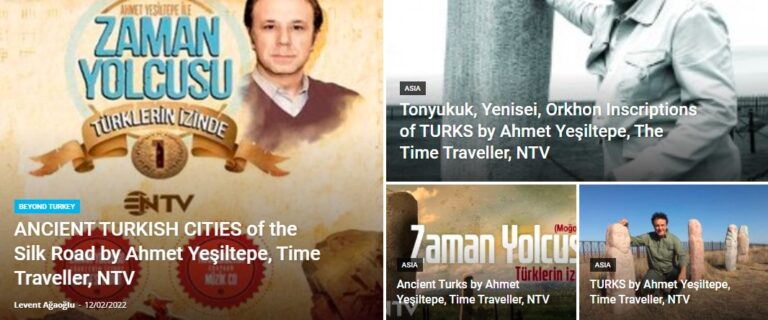
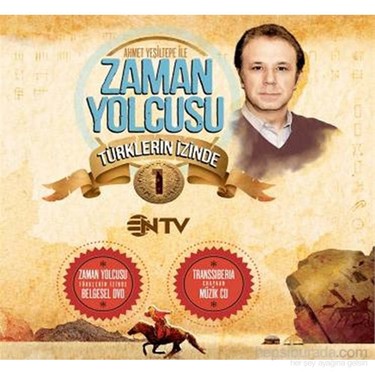
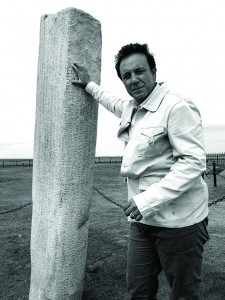
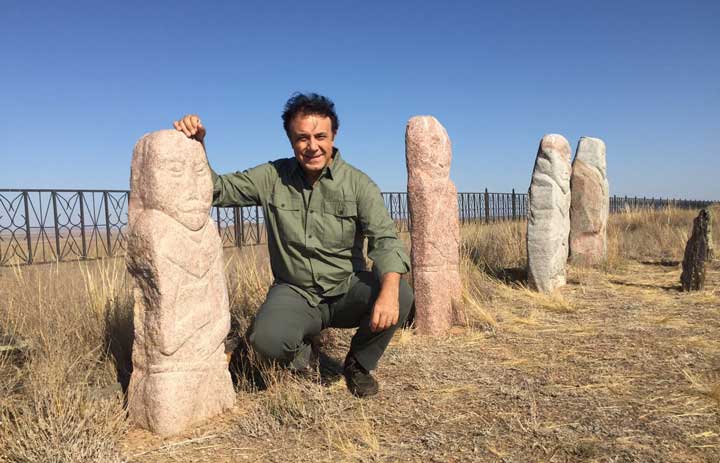
The Surviving Turks of Time Traveller by Ahmet Yeşiltepe. The Surviving Turks of Time Traveller by Ahmet Yeşiltepe.
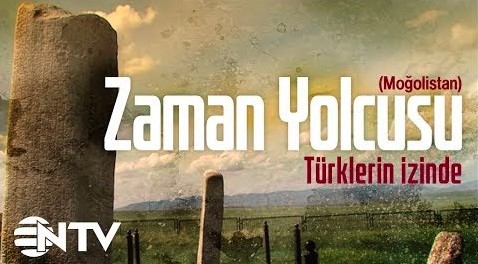
This video is our gratefullness and fidelity on behalf of Dear Ahmet Yeşiltepe, visionary Turkish media professional for his over 40 innovative documentaries on Time Traveller TV series of “In the Footsteps of the Turks”.
This series has engraved survival struggle of Turksin the depths of history which is a pioneering position in changing the Turkish perception in the world unlike the the imported format of Survivor games on TV channels.
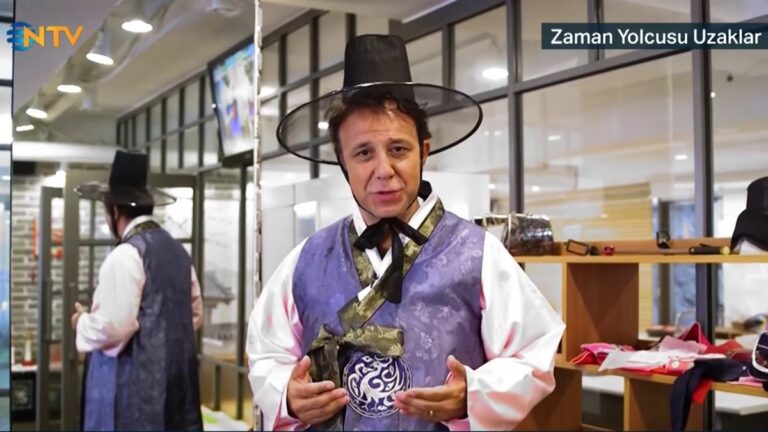
Time Traveler – Far Away: The extraordinary story of Japanese cuisine (28 December 2019)
There was little arable land. The climate and geography were challenging. Despite this, they created one of the richest cuisines in the world. They built a universe of flavors from seafood around the rice. Starting from Kobe in beef, they became a reference to the world. From Sushi to Kobe Meat, from sweet cookies to fermented products; The whole story of the extraordinary Japanese cuisine comes to the screen. “Time Travelers Far Away” with Ahmet Yeşiltepe will be on NTV and NTV Radyo on Saturday, 28 December at 23.15.
Time Traveller – Far Away: The different facet of Japanese culture; geishas (21 December 2019)
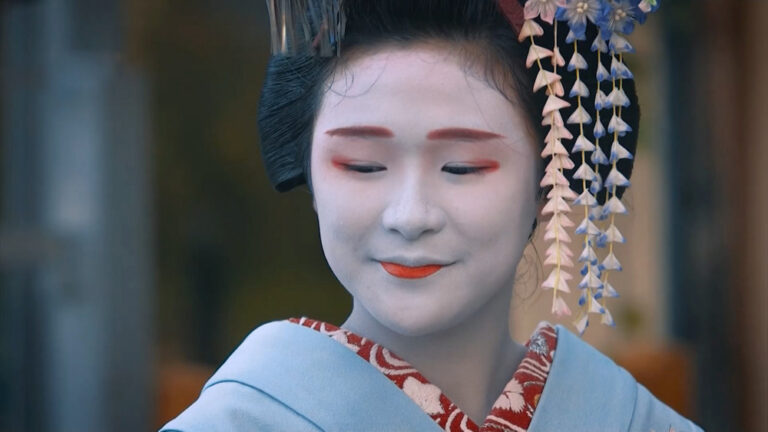
A little-known institution of Japan in the new episode of NTV’s documentary series “Time Traveler – Far Away”; It brings the unknown about Geisha and Geisha to the screen. The Edo Period, which represents the rise of the samurai, and the Meiji Restoration, the most comprehensive “Westernization Movement” in history, are among the main topics of this chapter. After Japan’s emergence as an imperial power, in addition to its role and position in the 1st and 2nd World Wars, the atomic bombs dropped on Hiroshima and Nagasaki are also on the screen. “Time Travelers Far Away” with Ahmet Yeşiltepe will be on NTV and NTV Radyo on Saturday, 21 December at 23.15.
The World of the Samurai … Time Traveller – Far away … December 14, 2019
This week’s episode of the documentary “Time Travelers Far Away” deals with the “Samurai class” that has left its mark on Japan’s national history and its cultural heritage that it has brought to the present day. The cultural heritage of the samurai from the past to the present, their influence on modern Japan, and the hand-crafted process of the Samurai’s legendary “Katana” sword, known as the most effective sword on earth, is on the screen. “Time Travelers Far Away” with Ahmet Yeşiltepe will be on NTV and NTV Radio with the episode of Samurai on Saturday, 14 December at 23.15.
Japanese, a distant relative of the Turkish language… Time Traveler – Distant 7 December 2019
NTV’s cultural history documentary “Time Traveler – Far Away” explores the traces of Central Asia in Japan in its new episode. The titles in this section of the documentary prepared and presented by Ahmet Yeşiltepe; A tradition that reached the Japanese islands from Central Asia centuries ago; cheese making. Japanese Equivalent of Shamanism; Shinto Faith. Japanese equivalent of shamanism; Shinto belief. A forgotten monumental tomb architecture; Stone Kurgans. Sacred deer living in the streets of the ancient capital Nara. distant relative of the Turkish language; In Japanese… “Time Traveler Far Away” with Ahmet Yeşiltepe will be on NTV on Saturday, December 7th at 23.15.
From the world of the samurai to its unique cuisine; Japan … Time Traveler-Away 30 November 2019
Prepared as a cultural history documentary, “Time Traveller – Far Away” turns from South Korea to Japan in its 4th episode. The title of the first part of the documentary series about Japan is the historical ties between Turkey and Japan. In particular, the “Ertuğrul Frigate and Turkish-Japanese relations”, which has been recorded as the biggest disaster in Turkish maritime history, will be explained. Nara, the ancient capital of Japan, Kyoto, the 1000-year-old capital of the emperors, and the stories of the Heian Period, which adds finesse and aesthetics to every work, are the subjects of these chapters. Samurai history, Geisha culture, martial arts Aikido and Iaido, and the making of a samurai sword; Katana manufacturing creates the most interesting visuals of Japan sections. From sushi making to tea ceremonies, from Kobe beef to traditional sweet Wagashi shops, traditional Japanese cuisine will also be covered.
South Korea’s glorious rise … Time Traveller-Fars 23 November 2019
It was born from the ashes of war… It invested in education, science and technology. It became the new reference of the world. South Korea’s glorious rise, “Korean Wave – Hallyu”, Korean pop music groups, international interest in Korean dramas… “Time Traveler – Far Away” tells the success story of South Korea. “Time Traveler Far Away” with Ahmet Yeşiltepe will be on NTV on Saturday, 23 November at 23.15.
The brotherhood of Koreans and Turks … Time Traveler-Fars 9 November 2019
Prepared and presented by Ahmet Yeşiltepe, Time Traveller Far Away starts on Saturday, November 9 at 23.15 on NTV. “Time Traveler” again follows a very different route in the history of culture. “Distants” travels to places in Japan and South Korea that are not included in any documentary, sheds light on little-known historical events about Turkey and Turks, and presents extraordinary sections from the cultural life of these countries.
Many cultural experiences that the audience will discover, accompanied by stunning views from South Korea and Japan, are displayed on these journeys from the bottom past to the present day. The Blood Relatives of Turks and Koreans As a strange twist of history, extraordinary stories from the “Salsu War”, in which Turks and Koreans fought side by side against a common enemy 13 centuries ago, to the Battles of Kunuri, from Korean popular culture to traditional cuisine, are among the topics of the first episode.
Scanning the South Korean archives, examining the Hun and Gokturk artifacts and objects of the National Archaeological Museum, and researching the private collections of local museums, “Time Traveler” brings the unity and brotherhood of Turks and Koreans dating back 13 centuries to the screen with its original narration. From the World of the Samurai to Japan’s Surprising Cuisine Japanese culture, history, cuisine, anime and manga trends and historical ties between Japan and Turkey are among the important titles of this series.
“Ertuğrul Frigate and Turkish-Japanese relations”, which is recorded as the biggest disaster in Turkish maritime history, will be on the screen. Nara, the ancient capital of Japan, Kyoto, the 1000-year-old capital of the emperors, and the stories of the Heian Period, which adds finesse and aesthetics to every work, are also the subject of this episode. Samurai history, Geisha culture, the making of a samurai sword with the martial arts Aikido and Iaido; Katana manufacturing creates the most interesting visuals of Japan sections.
Traditional Japanese cuisine will also be covered, from sushi making to tea ceremonies, from Kobe beef to traditional sweet Wagashi shops. “Time Travelers Far Away” with Ahmet Yeşiltepe starts on Saturday, November 9th at 23.15 on NTV.
Time Traveller – In the Footsteps of Turks/In the Home of Oghuzes, the process of conversion to Islam and Hoca Ahmed Yesevi
The “Time Traveler” goes to the historical region of Kazakhstan, which used to be called “South Kazakhstan” but is now (as in ancient times) “Turkestan”. This is actually the ancestral home of the Oghuzs. It especially witnesses the archaeological excavations in the ancient settlement of Otrar and its surroundings. In the city of Otrar, which was destroyed by the Mongols and still led the “Islamic Renaissance”, Emir Timur, the founder of the “Timurid State”, died as a result of a sudden illness. The stories of countless legendary heroes, from Dede Korkut to Bamsı Beyrek, have come to life in this geography, where it is believed that the Oghuz ancestry originated.
“Time Traveller” tells the little-known history of the Oghuz ancestral homeland in this region, especially on the banks of the Syr Darya, that is, the Seyhun river. How was the conversion of Turkish tribes to Islam in these lands (Maveraünnehir) known as “Oğuzeli”? The answer to this question is given in the city of Yesi, today’s name of Turkestan. In the city where Hodja Ahmed Yesevi’s tomb is located, this process is explained in detail. Yesevi’s method of introducing the Turks and Oghuz tribes to Islam and “Central Asian Sufism” are among the other titles of this section.
Time Traveler – In the Footsteps of the Turks / Haytarma and the monumental name of Turkism; İsmail Gaspirali
Our brothers we lost with the Küçük Kaynarca Agreement… The Crimean Tatars… The heaviest defeat of the Ottomans. Russian invasion of Crimea. Tsarina II. Katerina’s dream comes true. The lands that the Ottomans fought with the British to take back. Battle of Sevastopol. Memorable moments of the Ottoman-Russian War… The attack of the British Light Horse. Turkish martyrdom in Sevastopol… Traces of the First and Second World War in Crimea. And a great Turk; Ismail Bey Gaspirali.
His museum house in Bahçesaray. Tercüman newspaper published by Gaspıralı in the museum. And Tatar Exile. Don’t worry. Painful, heartbreaking stories. Undoubtedly, they have a special position among Turkish communities. Ottoman cavalry, diplomat, comrade, Crimean Tatars, one of the founding powers of the Republic of Turkey… The “Time Traveler” is going to Bahçesaray, the capital of the Crimean Tatars.
Time Traveller – In the Footsteps of the Turks/Nowruz in Central Asia
“Time Traveler” is in East Turkestan again in the third episode of Discovery – Special broadcasts… Now it’s Nowruz time. A journey from the Tarim Basin to the Taklamakan Desert to a different climate where Nowruz is celebrated. The “Time Traveler” meets the Uighurs again after 3 years, this time telling the story of Kashgar. In the documentary prepared and presented by Ahmet Yeşiltepe, extraordinary scenes from the first Islamic capital of the Turks are on the screen.
Time Traveler – traditional Turkish music; Throat Songs
In this episode, “Time Traveller” traces the ancient music of the Turks, “throat songs”… He meets Kongar-Ool Ondar, one of the most important names of this music, and attends a lecture where these songs are performed at the conservatory directed by him. He also witnesses a traditional meeting where shamanic rituals are held and explores the origins of a millennial musical tradition around the Yenisei river. The “Time Traveler” is also herding horse on the steppes in the Republic of Tuva, which has one of the world’s best preserved ancient cultures. “Time Traveler”, which also explores the culinary culture of Tuvan Turks, finally brings the extraordinary stories of Yenisey Monuments to the screen. This section also includes an interview with the President of the Tuva Autonomous Republic, Şolban Kara-Ool.
Time Traveler – In Search of the Turks / Kashgar and Balasagun
The “Time Traveler” goes to the ancient settlement Balasagun, the legendary capital of the Karakhanids, the first Turkish state to convert to Islam. Here, he tells about the transition process of the Turks to Islam and the turning point events. It stops by one of the forgotten markets of the Silk Road and the Osh Bazaar, which is still operating today. Bringing the region where the Talas war took place in 751 to the screen, Time Traveler asks Central Asian experts the question “Who are the Turks” at the National History Museum in Bishkek, the capital of Kyrgyzstan. This section ends with the chapters from the Epic of Manas.
Time Traveler – In the Footsteps of the Turks/Turkish cities that hosted the Islamic Renaissance; Bukhara and Khiva
The “Time Traveler”, 36 thousand kilometers long journey starting from the Orkhon Valley in Mongolia and following the footsteps of the Turks, makes its season finale in Transoxiana, west of Uzbekistan. The “Time Traveler” goes to the cities in Central Asia where the period considered as the “Islamic Renaissance” began; to Bukhara and Khiva. Time almost took a break in these lands, where pioneering scientists such as Ibn Sina, Biruni and Harezmi were born and raised, and where Islamic scholars such as Imam Bukhari, Hoca Ahmed Yesevi and Bahauddin Nakşibendi grew up.
The “Time Traveler”, which tells about the first two centuries after the conversion of the Turks to Islam in Bukhara, passes from here to Khiva, one of the capitals of the Khwarazmshahs, on the banks of the Ceyhun River (Amu Derya). “Time Traveler” tells the story of many cultures and civilizations that established states in this geography, from Samanids to Khwarazmshahs, from Oghuzs to Seljuks.Khiva is also the location where the first season finale of the documentary series was recorded.
Time Traveler – In Search of the Turks / Timur Bey and his magical city; Samarkand
Uluğ Bey Observatory, the world’s oldest observatory, and many more historical and cultural heritages come to life with their little-known stories. “Time Traveler” brings together ancient settlements that have not been visited until now, combining the migration routes of Turks from the Silk Road route.
Time Traveler – In the Footsteps of the Turks/Ancient Turkish cities of the Silk Road
He visits the tomb of Yusuf Has Hacib, the author of the book Kutadgu Bilig (Knowledge That Brings Happiness). He explores the ancient treatment methods of Uyghur physicians who sell scorpions in Kashgar Bazaar.
The Time Traveler – In Search of the Turks/Tonyukuk Inscriptions
In the second part of his Discovery – Special edition, “Time Traveller” brings to the screen the archaeological excavations around the Tonyukuk Inscriptions in Mongolia. Is Tonyukuk’s tomb the beginning of the shrine tradition in the Turks? The monumental granite stones, on which the word “Turk” was written for the first time, are still standing in the Mongolian steppe with many unknowns. Important scientific discoveries are being made during the excavations carried out by the Turkish Cooperation and Coordination Agency TIKA, around these inscribed stones and the Tonyukuk tomb complex, where the Göktürks wrote their history in the 8th century AD. The documentary prepared and presented by Ahmet Yeşiltepe also includes information about these discoveries and the museum to be built in the region.
Time Traveler – Legacy of Ancient Turks; Yenisei Monuments
The “Time Traveller” crosses the God Mountains… On the side of the Koksaal Mountains on the China-Kyrgyzstan border, he reaches Çolpan Ata, known as Göbeklitepe of the Ancient Turks, on the shore of Issyk-K Lake. He is making an extraordinary journey of discovery in the region, which has been used as a worship area for thousands of years. The ancient ruins were discovered and taken under protection during the Soviet period. The rock paintings, which the researchers describe as the “Turks’ Subconscious”, are the most important haunt of the Time Traveler in this episode. Also in the chapter, a nomadic Kazakh tribe in the Koksaal Mountains and the Muslim Chinese living around Lake Issyk Kul; The stories of Dungans and Kipchak Turkish tribes are on the screen.
The Time Traveler – In Search of the Turks/Orkhon Inscriptions
One of the most interesting capitals of the world, Ulan Bator… We see Bilge Kagan’s golden crown in the “Turkish Period Artifacts” section of the National History Museum here. The museum with a rich collection of artifacts and objects from this period is the “Inscriptions Museum” in the Orhun Valley. The Orkhon Inscriptions are examined in the most interesting details. The little-known story of the giant rock inscriptions carved for Bilge Kağan and Kültigin comes to the screen. Ahmet Yeşiltepe and his team then return to Ulan Bator and continue their journey in time in the Terelj region where the Tonyukuk Inscriptions are located.
Time Traveler – In the Footsteps of the Turks/The First Temple of the Göktürks
In this part of the documentary, a temple area in Mongolia is the subject. The temple area discovered in the Şivet Ulan region is dated to the Göktürk period. “Time Traveler” evaluates the archaeological researches in this region with experts, seeking answers to the question of who belongs to the tomb complex around the temple. Kutluk Kagan, known as the founder of the second Gokturk state and therefore with his title “Ilteriş”, meaning “reuniting the province and the homeland”, died at the end of the 7th century.
Archaeological excavations continue under the leadership of the International Turkic Academy, headquartered in Nursultan, the capital of Kazakhstan, in Şivet Ulan, and it is estimated that the existing remains belong to the tomb complex of Kutluk Kagan.
In this part of “Time Traveller”, the unique stones found in Şivet Ulan are also discussed. Like this, The answer to the question of whether there were other inscriptions before the “Orkhon Inscriptions”, the first written sources of Turkish history, is sought. In this episode, new archaeological excavations and surface surveys in the Orhun Valley are also displayed. “Time Traveler – Discoveries” prepared and presented by Ahmet Yeşiltepe witnesses a brand new discovery with this episode.
Time Traveller – In the Footsteps of the Turks/Silk Road and the Ancient Turks
In this part of the documentary, one goes to the “Western Market”, which is the starting point of the Silk Road in the city of Xi’an (Xian), one of the ancient settlements of China. In addition, the events of the month of Ramadan are being screened in Xi’an Great Mosque, the oldest mosque in Asia. In this episode, Göktürk works in the Xi’an Archaeological Museum will be broadcast on a Turkish television for the first time. In this context, the little-known relations of the Göktürks with the Tangs, one of the most famous dynasties of China, are discussed.
Especially the background of the “Kürşad Epic” is brought to the screen by historians with interesting stories. The biggest building after the Great Wall of China… The energetic, colorful Muslim quarter of the ancient city of Xi’an is one of the other topics. The documentary also includes the West Lake, which is a source of inspiration for traditional Chinese poetry and painting, the city of Hangzhou, famous for its natural beauties,
Time Traveller – In the Footsteps of the Turks/From the Great Wall of China to Xi’an, the capital of the Han Chinese
Prepared and presented by Ahmet Yeşiltepe, Time Traveler – In the Footsteps of Turks Documentary goes to China in this episode in its third season, titled “Discoveries”. The documentary Time Traveler – Discoveries, the third season of which consists of 10 episodes, brings to the screen archeological and historical discoveries that are little known in the Turkish world. In this section, the city of Xi’an, the starting point of the historical Silk Road, is discussed. The pyramidal tomb of the first emperor, the world-famous “Terracota Soldiers” and the oldest mosque in the country are displayed in Xi’an, located in the center of China.
In “Time Traveler – Discoveries”, in which little-known parts of ancient Turkish history are also covered, in addition to the actual shootings made in China, Mongolia, Kazakhstan, Turkmenistan, Azerbaijan, Iran and Iraq, there are also artifacts and objects related to Turkish history in the museums of these countries. meets the audience for the first time.
Again, Distances at a Record Distance… “Time Traveller – Discoveries”, which emerged as a result of two years of shooting with approximately 30 thousand kilometers traveled, comes to the screen with unusual images that will arouse excitement and excerpts from newly announced scientific reports this season. “Time Traveler – Discoveries”, of which the Cinematographer Ahmet Uçar and the editing belongs to Cihan Çekiç, tells and conveys the little-known things in the history of the Turkish World, without leaving the axis of scientific and academic studies, in the most accurate, most understandable way.
Time Traveller – Following the Turks/Ergenekon Valley
Archaeologists discovered Ergenekon. For the first time on Turkish television and digital media… News of an extraordinary discovery in the archaeological excavations carried out by the International Turkic Academy and the Turkish Cooperation and Development Agency on the Russian-Chinese border of Kazakhstan.
According to archaeologists and historians, the area where the excavations were made may be the place where the Turkish epic Ergenekon takes place. The artifacts and objects found in the topography and kurgans here support this view.
The Berel Valley of Eastern Kazakhstan is reached after a 9-hour flight in Turkey and a 14-hour journey by land gear vehicles. Here, the “Time Traveler” ascends to the Karakaba Plateau at an altitude of 2,000 meters and witnesses an extraordinary discovery. Ahmet Yeşiltepe describes this valley and its discovery process, which was broadcast for the first time on Turkish television.
Time Traveller – Following the Turks/Ötüken in Mongolia
The first homeland of the Turks; Ötüken in Mongolia Turkish communities who wrote their own history since the 6th century AD erected one of the first and most magnificent monuments of this in the Orkhon Valley in present-day Mongolia. The Orkhon Inscriptions, in which the name “Turk” appears for the first time in a “nomad” – “nomadic” cultural product, was also the starting point of the documentary series “Time Traveler – In the Footsteps of the Turks”.
The producer and presenter of the documentary series, Ahmet Yeşiltepe, will be attending the world’s largest nomad festival “Naadam Festivals” in Ulan Bator, the capital of Mongolia, at the first stop of his extraordinary trip for 4 years. Watching wrestling, archery and horse races here, the Time Traveler team also visits the world’s tallest metal statue, the “Genghis Khan Monument”.
Time Traveler – In Search of the Turks/Göbekli Hill of the Ancient Turks; Colpan Ata
The “Time Traveller” crosses the God Mountains… On the side of the Koksaal Mountains on the China-Kyrgyzstan border, he reaches Çolpan Ata, known as Göbeklitepe of the Ancient Turks, on the shore of Issyk-K Lake. He is making an extraordinary journey of discovery in the region, which has been used as a worship area for thousands of years. The ancient ruins were discovered and taken under protection during the Soviet period.
The rock paintings, which the researchers describe as the “Turks’ Subconscious”, are the most important haunt of the Time Traveler in this episode. Also in the chapter, a nomadic Kazakh tribe in the Koksaal Mountains and the Muslim Chinese living around Lake Issyk Kul; The stories of Dungans and Kipchak Turkish tribes are on the screen.
Time Traveler – In Search of Turks/Jewish Turks; Karaims
They are on the verge of extinction… They speak Turkish, they pray in Turkish. They seek their religious identity in Judaism and their national identity in their Turkish roots. They consider themselves descendants of the Khazars, the greatest power of the Middle Ages. But the direction they follow on the path of faith is very different from those of other Turkish origin. What are the historical and cultural ties of these people, who belong to the Karaite sect of Judaism, with the Turks? Do they have relations with Ashkenazi communities in Eastern Europe? Could they be the unknown 13th tribe of the Jews?
Time Traveler – In the Footsteps of the Turks/Forgotten arm of the Turks in the West; Gagauz
“Time Traveler” makes its last trip to Bessarabia, the precious land of the Ottoman Empire for the 2nd season. He meets our Orthodox Christian brothers, about whom we know little. In the current documentary prepared and presented by Ahmet Yeşiltepe, the history and present of the Gagauz people living in the Gagauz Autonomous Republic of Moldova comes to the screen.
How did the Gökoğuzs, the westernmost branch of the Oghuzs, become Christians? Gagauz are the branch of the Oghuzs, which is known as the core community of the Turks of Turkey, who adopted Christianity in the Kipchak geography. “Time Traveler” enters the life of Gagauz people from weddings to funerals, from the table to the field, discovering the cultural richness of this community, which resembles Anatolian Yoruks in terms of appearance, face, dialect and dialect.
Time Traveler – In the Footsteps of the Turks/Turks in the Crimean Peninsula
This part of the documentary series begins with Haytarma, namely the exile ordeal of the Crimean Tatars. Our brothers lost with the Küçük Kaynarca Agreement… Crimean Tatars… Images from Feodosya, Kefe city. Ivan Ayvazovski’s exquisite Istanbul paintings. Yalta and the Crimean coast. Livadiye Palace. Swallow’s Nest. The longest trolleybus line in the world. Gorgeous Crimean coast. West coast of Crimea. Kezlev, Observatory. The Han Mosque is the northernmost work of Mimar Sinan. Folk poet Aşık Ömer. Historical Mevlevi Lodge. St. Baba Lodge. Traces of the First and Second World Wars in Crimea.
And a great Turk; Ismail Bey Gaspirali. His museum house in Bahçesaray. Tercüman newspaper published by Gaspıralı in the museum. And Tatar Exile. Don’t worry. Painful, heartbreaking stories. Undoubtedly, they have a special position among Turkish communities. Ottoman cavalry, diplomat, comrade, Crimean Tatars, one of the founding powers of the Republic of Turkey… The “Time Traveler” is going to Bahçesaray, the capital of the Crimean Tatars. It brings their sad stories of exile back to the screen. In this section, detailed information about the Crimean Tatars is given.
Time Traveler – In Search of Turks/Crimean Tatars
Crimean Tatars… They have a special position among Turkish communities. Ottoman cavalry, diplomat, comrade, one of the founding powers of the Republic of Turkey, the Crimean Tatars… The “Time Traveler” is going to Behçesaray, the capital of the Crimean Tatars. It brings their sad stories of immigration and exile to the screen. He closely follows the process organized after Russia’s invasion and annexation of Crimea. The train journey, which starts in Odessa, Ukraine, ends in Simferepol. It follows the traces of a forgotten history in the Tatar name “Akmescit”.
The Khazar Empire, the Great Bulgarian State and the remnants of the Golden Horde are telling about the Khanates one by one. It tells the little-known story of Tatar noble peoples who migrated and settled in the Crimean peninsula. Later, he reaches the memory of Sultan Baybars… He finds traces of Seljuk history in Suğdak Castle. It deals with the relations of this ancient people of Kipchak geography with the Ottoman Empire. He enters the Khan’s Palace in Bakhchisaray.
From the Fountain of Pushkin’s Tears to the Summer Gazebo, from the Falcon Tower to the tombstones, it brings the smallest detail to the screen without missing. It tells the extraordinary story of the Crimean Khan Haji Giray. He listens and narrates the stories of Zincirli Madras that transcends the ages. He takes a closer look at the exile of the Crimean Tatars and explains the suffering and separation with examples.
Time Traveler – In the Footsteps of Turks/Chuvash and the forgotten plural suffix of Turkish…
The “Time Traveler” visiting the National History Museum reveals the forgotten bond between the Chuvash and the Anatolian Turks. Epics, songs, sayings are the cultural treasures carefully preserved by this people who speak a Ural-Altaic language. The stories of Historian Prof.Yegorov Nikolai Ivanovich are full of valuable historical and scientific notes that require Turkey to look more carefully at the Chuvash people. The “Time Traveler”, who goes to a Chuvash church and talks to the priest who conducts the service there, also has an unusual discovery.
This discovery is that one of the first cosmonauts in space was the Chuvash. Visiting the house of the proud Chuvash Andriyan Nikolayev, which is now a museum, the “Time Traveler” meets with the extraordinary memory of Nikolayev, as the Chuvashs there say, “the first Turk in space”. idioms are the cultural treasure carefully preserved by this people who speak a Ural-Altaic language.
Time Traveler – In Search of Turks/Misher Tatars, Chuvashs and a historical city; Simbirsk…
A tribe among the Idil-Ural Tatars; Mishar Tatars… Their lives in the Kipchak plains of this tribe belonging to the Islamic religion, their village life… “Time Traveler” is once again on an extraordinary journey. This time the route; Following the banks of the Idil Simbirsk, today’s name Ulyanovsk. On the way from Kazan to Ulyanovsk, where Lenin was born, the “Time Traveler” stops by a village belonging to the Mishar Tatars.
Aleksandr Kerensky, one of the leaders of the February Revolution that put an end to the monarchy in Russia, the architect Vladimir Ilyich Lenin of the October Revolution, and Yusuf Akçura, one of the first theorists of Turkism, are some of the names born in Ulyanovsk… Here we go on a different time journey between the Turkish-origin communities Misher Tatars, Chuvashs and Mongolian-origin Kalmuks. . In the previous part, he first battles the troubled neighborhood of the Tatars with the Russians for nearly 1000 years, He met the heroes of forgotten stories in the Kazan Kremlin.
The most important of these was Süyümbike Hatun, known as the last Kazan Khan. The “Time Traveler”, which tours the Kazan Kremlin, that is, the “Kaleiçi” region and introduces the artifacts and objects in the museums here, brought a little-known real history to the screen. Abdullah Tukay, one of the greatest poets of the Turkish language, who instilled in a people the consciousness of being a nation, was one of the most important topics of this section.
Tukay, the national poet and national hero of the Tatars, died when he was only 27 years old. Despite his short life, Tukay’s little-known story in Turkey, who raised the Tatars against Russia and led the struggle for freedom and rights, was also screened in “Time Traveler”. He met the heroes of forgotten stories in the Kazan Kremlin.
Time Traveler – In the Footsteps of the Turks/The legacy of the Golden Horde; The Tatars, the warrior people of the Kipchak plains
The history of Kazan, the capital of Tatars, is the most important topic of this section. “Time Traveler”, which tells about the troubled neighbors of Tatars with Russians for nearly 1000 years, first through wars and then “the ideal of living together”, meets the heroes of forgotten stories in the Kazan Kremlin. The most important of these is Süyümbike Hatun, which is known as the last Kazan Inn. “Time Traveler”, which tours the Kazan Kremlin, that is, “Kaleiçi” region and introduces the artifacts and objects in the museums here, brings a little-known real history to the screen.
Abdullah Tukay, one of the greatest poets of the Turkish language, who instilled in a people the consciousness of being a nation, is one of the most important topics of this section. Tukay, the national poet and national hero of the Tatars, died when he was only 27 years old. Despite his short life, he resurrected the Tatars against Russia, The little-known story of Tukay, who led the struggle for freedom and rights, is also in “Time Traveler”. Idil – Ural Tatars or “Kazan Tatars”… “Time Traveler” in this second “Tataristan” part tells about Tatars who have built an enormous cultural basin, established civilizations and states on the arms of the giant river called Volga by Russians.
He goes to Kazan, the capital of present-day Tatarstan. He discovers extraordinary stories in the old quarter of the Tatars, who ruled the Russians for 500 years. He gives examples of the cultural equivalent of the saying “If you dig up a Russian, a Tatar will emerge from it”. He discovers the sad story of Süyümbike Hatun, the adopted mother of Tatars, in the Kazan Kremlin, the most intact fortress building after Moscow. He shares the striking details of the Russian fortification on Sviyazshk Island to capture Kazan.
Later on, When the Golden Horde eventually turned into a Turkish-Mongolian empire, they were the ones who had a say in its administration. The 6 Tatar-Kipchak Khanates that emerged when this empire was destroyed by Tamerlane contributed greatly to the ethnic and cultural diversity of today’s Russia. In this part of “Time Traveler”, there are interviews with the leaders of Tatars who have a national consciousness.
Time Traveler – In the Footsteps of the Turks/A people who ruled the Russians for 500 years; Kazan Tatars
Idil – Ural Tatars or “Kazan Tatars”… “Time Traveler” tells about Tatars who built a huge cultural basin, civilizations and states on the arms of the giant river that the Russians call the Volga. He goes to Kazan, the capital of present-day Tatarstan. He discovers extraordinary stories in the old quarter of the Tatars, who ruled the Russians for 500 years. He gives examples of the cultural equivalent of the saying “If you dig up a Russian, a Tatar will emerge from it”.
He discovers the sad story of Süyümbike Hatun, the spiritual mother of the Tatars, in the Kazan Kremlin, the most surviving fortress building after Moscow. He shares the striking details of the Russian fortification on Sviyazshk Island to seize Kazan. Later, he tells the story of the Golden Horde Empire, considered the ancestor of the Kazan Tatars and the Turkish and Tatar civilizations that emerged in the Kipchak steppes.
The Golden Horde, which emerged with the Turkish-Mongolian fusion, changed the fate of the Kipchak geography. “Time Traveller” makes a comprehensive trip about the customs, language and beliefs of the Tatars. In this section, the establishment process of the Golden Horde, a forgotten empire despite writing the golden pages of Turkish history, is discussed in archaeological ruins. Among them, Bulgar, the ancient capital of the Tatars, who converted to Islam in AD 922, is the most important.
Despite the invasion of the Mongol army, the “Bulgarian Tatars” or the Great Bulgarian Khanate were the ones who founded the Golden Horde and gave it a state identity. When the Golden Horde eventually turned into a Turkish-Mongolian empire, they were the ones who had a say in its administration. The 6 Tatar-Kipchak Khanates that emerged when this empire was destroyed by Tamerlane contributed greatly to the ethnic and cultural diversity of today’s Russia. In this part of “Time Traveler”, there are interviews with the leaders of Tatars who have a national consciousness.
Time Traveller – In Search of Turks/Following of Scythians… The mysterious story of “The Man in the Golden Dress”
“The Time Traveler” delves into a little-known history in the second season of his long journey through the Turkish geography of Central Asia. In the dark corridors of this deep history, he seeks answers to the questions “Who are the Scythians, can their origins and past be associated with Turkish noble tribes”. Therefore, he goes to Almaty, Kazakhstan. Here, he views the Scythian kurgans surrounding the city and evaluates Scythian history in the company of experts.
He visits the National Archaeological Museum in Almaty. Here, he brings the story of the “Man in the Golden Dress” to the screen, many of which were unearthed during archaeological excavations across Kazakhstan. It then goes to the Tamgali Strait, 160 kilometers from Almaty. It tells the forgotten true stories of an extraordinary history in Tamgalı, one of the richest areas of petroglyph-rock painting on earth.
Time Traveler – our close relatives in East Turkestan; Uighurs
The “Time Traveler” crosses the God Mountains and heads south. It enters the geography known today as China’s Xinjiang Uyghur Autonomous Region. This is actually the land that the Turks call “East Turkistan”. The ancient people living here, the blood brothers of the Turks, are the Uyghurs. The Uighurs, who built an enormous civilization in the Tarim Basin and the Taklamakan Desert, are in a way the community that took the first important step among the nomadic tribes and settled down. In the forgotten corridors of deep history, he reaches the little-known stories of the Uyghurs, their magnificent history that is tried to be forgotten.
The Anatolian Turks, inspired by the Uyghurs, placed the verb “civilization” in their language as a synonym for the word “modernization”. “Time Traveler” brings the details of this story to the screen with actual testimonies.The “Time Traveler”, who stops by the Silk Road cities in East Turkestan, tells extraordinary stories from Urumqi, Gulca, Turfan and Kashgar. In particular, he photographs the mummy of the 4,000-year-old “mother” of today’s Uyghurs in Urumqi and explores the mysterious aspects of archaeological discovery. Who was Miss Lolen? You can watch Miss Lolen, who is called the grandmother of the Uyghurs, and her surprising story in this episode.