Anatolian origin in Crete
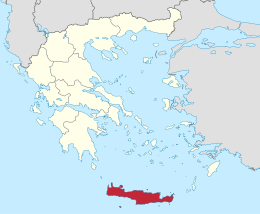
Upcoming on Greece aDNA: “We have analyzed newly generated genome-wide data from 102 ancient individuals from Crete, the Greek mainland and the Aegean Islands, spanning from the Neolithic to the Iron Age”
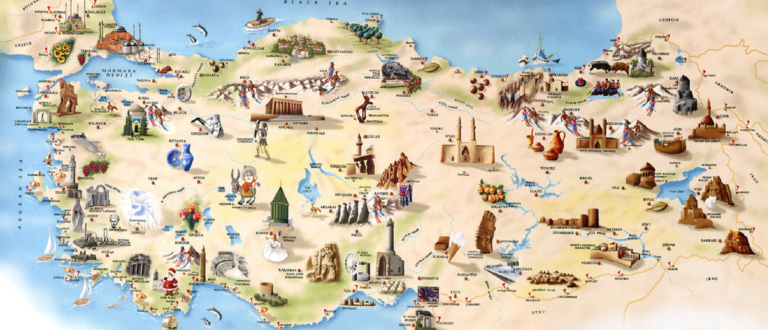
We found that the early farmers from Crete shared the same ancestry as other contemporaneous Neolithic Aegeans. In contrast, the end of the Neolithic period and the following Early Bronze Age were marked by ‘eastern’ gene-flow, which was predominantly of Anatolian origin in Crete. https://twitter.com/nrken19/status/1607412296053129218
Ancient Mediterranean
Welcome it is so great to be together again live in the same room this is fantastic to bring together philologists geneticists archaeologists historians interested people brilliant economists we are surrounded by really smart people with really different backgrounds and that is the essence of the science of the human past and what we’re trying to do with the max plan Carver Research Center we have a particular Joy today to hear from one of the moving Spirits behind the moxplot Harvard research center for the archoscience of the ancient Mediterranean which as many of you know is pronounced by many people as Mom and by me is Mayhem and it just it really is great to be together.
We even have fantastic professors of astrology oh no it’s not that being funny Mike so the science of the human past as you know is something that has existed at Harvard since I think 2011 and our goal has been to bring together people who would never otherwise meet and to cry and bring thepower of the Sciences to Bear the great questions of the humanists the people who are working the liberal arts and the humanities to understand our human past in all its Splendor and sometimes disappointing detail we want to create new knowledge by bringing together people who would never otherwise meet we want to engage students at all levels in this discovery and so we’ve had Harvard undergraduates going taking a course in science and human past and going off and being first author with Nick Patterson and David Reich on studies on the migration of the South into the british ısles
This is an amazing human and intellectual ferment that is occurring here we are trying to create and your presence here helps us see that we‘re not complete failures a critical mass of researchers who are interested in Reaching Across the aisle to their colleagues working in different areas and wrestling with different problems or similar problems with the same with different tools and so doing to bridge the the gap Bridge the area between the so-called two cultures of the humanities liberal arts and the sciences and what better way to try and do that than with the support of our steering committee and the science of the human past which as you can see is drawn from all across the university in terms of Divisions and schools and to do so with the organism that has emerged as an Institutional framework out of the science of the human past as Max plant Harvard research center which is virtual not a penny is spent on info on buildings on structures it’s all in the mind and in the people that we have created as we together working together to create a group of researchers and Scholars and Laboratories and seminars who are addressing the questions of the origins of civilization in Western Eurasia and North Africa around the Mediterranean Sea from the epipleolithic forward
What we see at the same time in Central Europe Michael said in the Lake Valley where we see 800 years of petri locality and females send over 400 kilometers and the itchin is the radical different from all the systems that we know throughout Central Europe at least all Central Europe we have started from Germany Switzerland Czech Republic Austria whatever you know but this is acompletely different system there it was important it was a network-based living and here we have a locality focused on locality so when we speak about locality it’s not that there was no Mobility so I will share you my insights about Mobility too with the focus on a site in Attica called and on or beer on the island of obia called near steering again excuse for the the bhima is too bright I try to change but I couldn’t so in this side of near stira we have a shaft grave in this case of the early bronz age of the third millennium and shaft gray phone had 27 individuals that we studied out of 50 and only five had sufficient DNA preservation which is of course frustrating um it’s clear that these individuals were buried together in one shaft so we assume that they are related and they were buried together with the classical material culture of the early Atlantic period of atika and the calculate these so-called Cheryl Cirrus figurines which is exactly from the shaft grave and also the typical Pottery so-called depas amphicipalon or so-called sources saw Sports.
Anatolia-Crete Connection
These are just examples they were only shirts but I just want to give you an idea how these vessels look like why aren’t you presenting this burial it‘s interesting to see that these five individuals from this grave one are buried together but they have significant genetic different ancestries two of them this near Theory and this Theory individual look like the egn already in the Neolithic so basically they their ancestors have lived for thousands of years already in egn three of the individuals have an ancestry that is clearly located in the Anatolian herculithic or Bronze Age so these three individuals definitely have no background in the IGN or at least their ancestors but they were all buried together I mean I don’t know if these individuals left Anatolia for ibia or if their parents standard and then of course didn’t it mixed with local communities.
But what is interesting for me is that they had different background of origin but were buried together all in the same shaft with the local material culture and you see it also from the radiocarbon dating it completely overlaps so there’s no time difference it fits very well to archaeological ideas about the income of Technologies and also people in the early Bronze Age from Anatolia and another story which is about human mobility and by the way these images at the bottom are from my computer game is the disputed notion of the Takeover of creed by the Greek mainland during the 16th and 15th century and this idea that Crete was then subsequently controlled by the Greek mainland in almost a colonial manner something that came out and that was recently also discussed in the paper by just lots of readers that that was recently published in science is an interesting genetic difference between Maine and Greece and Creed and you see here this is Cretan genetic signatures in the early Bronze Age in the Neolithic and this is the degree this is Creed after 1600.
So what we see here is that there‘s a genetic change on Creed the question is what does it mean this change how intense it was and how can we interpret this change what you see here mainland Greek mainland around 2000 the early second millennium suddenly had a significant genetic input from what we call the step signature people coming somewhere from the north northeast something that has been shown that went throughout Europe in the third millennium and was discussed in several transport and redistribution means from an economic historical perspective and this needs to be studied in the future and I also need to say that archeology we also need to think about the ash that we usually throw away and in the future it might make sense to study it more closely to see what was actually burned last but not least my last slides
And Mike I promise I only have a few more minutes and are about the about a historical diseases in the second millennium is the Mediterranean and what we can learn about it in Greece so I don‘t read this I just say a few things this is a letter of the 18th century from King simply of Maori to his five ship to and I think it’s like and I it looks very much like what we read during the pandemic times and I’ve heard that now Nami is suffering from skin leash and yet she frequents the palace it will infect many women with her ailment now give strict orders that no drink from the cup she uses no one sit on the seat which she sits no one lie on the bed which she lies so that it would not infect many women on survived and so on so you see they had quite a good idea what infection means and this is 18th century BC where you really knew that infection takes place of course you have a little bit of a medical understanding you also pray to God you basically combine different perspectives to do the best things against illnesses and the most famous texts of this time is the.
Hatti and Hittite
So look at Hittite plague where there’s so-called constant dying in the land of Hatti and Anatolia and the question will the plague never be eliminated from the land of Hatti I cannot overcome the worry of my heart and since this time we are struggling to find out what the so-called Hittite plague was so what did we do well I mean I know Greece is not Central Anatolia but unfortunately the number of retired burials is very very small so what we present here is a view from again my knowing Creed very screen 67 teeth from individuals from ıosum on Creed it’s a Highland side LA City plateau and used from the late Neolithic to the middle Bronze Age and the for secondary burial so you died somewhere else and then your bones were brought the end the samples that I speak of are around 2000 BCE and we found in one individual was positive for your senior pastors so the plague but it was not the one it was not the bubonic one because it was in a time when it couldn’t be transmitted by fleece and it’s probably also not the one that is transmitted by Blood contact so there’s a high probability that what we get isronomic plague which then raises the question how this was spread what you can see is a these plagues of the third and second Millennium what we call lnba play glad Neolithic bronze H plague was not transmitted by fleece we the 6th 7th 10th degree can we get closer ideas about how people in such a community were interrelated there are a lot of questions that I’m not able to solve at the moment so let’s see what we can do in the future.
Anatolian Neolithic and Bronz Age
David I wanted to ask about that really would look to me like amazing data that you had from Nia stera maybe I’m mispronouncing that with this substructured group with a group that looked more like the Anatolia Neolithic and more I think you said Anatolian Bronze Age or or something like this and the plot that you showed actually didn’t seem to support that statement about Anatolian Bronze Age it seemed to be off-gradient and is that just because you’re not including other samples that do show that similarity or they seem to be sort of already moving toward the European admixture gradients so you see that if you look at Anatolia calcolithic they’re to the right of those three points so basically at least this is what you really modeled so yeah really modeled admixture and these individuals don’t need any anatol they don’t need any Neolithic in the modeling of their but are they they look like they’re at least from that picture they don’t look like they’re in the main Anatolian calcolithic maybe Bronze Age cluster so it looks like they’re deviating toward Europe is that an artifact is that real is that are you not including all the Anatolian Bronze Age or calcolithic individuals are there is there evidence that these individuals already have some kind of European like related or alien related admixture that then that so we’ve been in the Quest for finding the source of this kind of Anatolian slash Middle Eastern ancestry that spreads into the Mediterranean that gets to to the Italian and that also eventually gets to maybe even close to the same time gets to Sicily into southern Italy even before you know Magna Gray and so on and you know now it looks like you have individuals at least at this site that might be from the source
So I’m really interested in what you can say about where they come from this is something that we see one should say that during the third millennium so after the neolithization and before 2000 we see both on Creed on Greece as you just said an impact somewhere from the East and its genetic impact and it’s interesting that it differs what we can see in our paper is that the impact that we see on Crete is from different sources than it is on the Greek mainland and for the Greek mainland it seems what we see that the individuals have part ancestry somewhere could even go to the Caucasus it could go to Anatolian Bronze Age it seems from Crete it goes more in the diverse direction of Northern Levant maybe northern Mesopotamia but this is something that is very very vague at the moment and
I don’t want to promise anything at the moment that we can solve this but I agree with you and I was speaking stool so it what we think is that the ancestry came from different parts of the East and different parts of the East had a different impact on different parts of the egn so this is what we can say now and as we are missing in many parts of the East a differentiated picture of the local ancestry at this time and as the data set for the EG and it’s very small it’s very difficult for us to model it’s very interesting now from archaeological point of view because in the third millennium there has been that for example side of Petras where you have individuals that are very completely in 11 time custom you know where you know equipment you know with regard to their their dress where you just think what does it what does it mean are these people that come from from the Levant.
So can we get this this is something that I’m very very interested also in this time we see the fast wheel for pottery is introduced from the East to the EG and so it has been archaeologically very clear that something comes from let’s call it the East to the itchin but now we see it came from different parts of the east in different intensity in different locations to different different parts of the EG and this is something where Anthony one of our Imam PhD students will now work on
Because I think this is super exciting and David I agree with you it’s so interesting but at the moment I cannot tell you more than we have here in the middle of finding this out in a better way and I will ask definitely Irene again about this graph and about the Anatolian points I will do so the questions just get bigger and bigger and better and better Dan and then Claire and then Alex please thank you Claire Dan Smith in the history Department
Thank You Phillip that was that was fascinating two quick questions the the first which follows up on David’s first question about cousin marriage is it possible I may have missed this is it possible to actually discern the ratio of parallel cousin marriage versus cross-cous in marriage in the sample and the second question you mentioned proteomics early in your talk and I’ve only just learned about this field I’d love to hear what else we’re learning from proteomics on the sites that you work on.
I mean first of all yes you can differentiate in cursing custom marriage what kind of cousins married but it’s something that we try so we didn’t find a unique pattern now in our data set so as far as I remember this is something that we haven’t included in this publication Irene is I think evaluating the state and respectively so I can’t give you final results
David Reich – “Insights into human population history from a high coverage Neandertal genome” Science of the Human Past MHAAM Lecture: Johannes Krause on Ancient Pathogen Genomes Science of the Human Past
Philipp Stockhammer, Professor of Prehistoric Archaeology, Ludwig Maximilian University (Munich)
Notes on a Foreign Country: An American Abroad in a Post-American World
$9.87 (as of 17/08/2026 02:12 GMT +03:00 - More infoProduct prices and availability are accurate as of the date/time indicated and are subject to change. Any price and availability information displayed on [relevant Amazon Site(s), as applicable] at the time of purchase will apply to the purchase of this product.)
Easy Turkish Phrase Book for Travel: 1500+ Essential Phrases for Vacation, Restaurants, Hotels & Everyday Conversations in Turkey: The Ultimate Guide ... Local Slang & Essential Survival Phrases
$10.99 (as of 17/08/2026 02:12 GMT +03:00 - More infoProduct prices and availability are accurate as of the date/time indicated and are subject to change. Any price and availability information displayed on [relevant Amazon Site(s), as applicable] at the time of purchase will apply to the purchase of this product.)
Insight Guides Turkiye: Travel Guide with eBook: 2026-2027 | Culture & Society | Must-See Sights | Stunning Photos | Expert Advice | Covers: Istanbul, Cappadocia, Ephesus and more
$20.06 (as of 17/08/2026 02:12 GMT +03:00 - More infoProduct prices and availability are accurate as of the date/time indicated and are subject to change. Any price and availability information displayed on [relevant Amazon Site(s), as applicable] at the time of purchase will apply to the purchase of this product.)
Rick Steves Istanbul: With Ephesus & Cappadocia (Rick Steves Travel Guide)
$22.99 (as of 17/08/2026 02:12 GMT +03:00 - More infoProduct prices and availability are accurate as of the date/time indicated and are subject to change. Any price and availability information displayed on [relevant Amazon Site(s), as applicable] at the time of purchase will apply to the purchase of this product.)
The Turkish Cookbook
$36.46 (as of 17/08/2026 02:12 GMT +03:00 - More infoProduct prices and availability are accurate as of the date/time indicated and are subject to change. Any price and availability information displayed on [relevant Amazon Site(s), as applicable] at the time of purchase will apply to the purchase of this product.)
The Rough Guide to Turkey (Travel Guide with eBook) (Rough Guide Main Series)
$16.88 (as of 17/08/2026 02:12 GMT +03:00 - More infoProduct prices and availability are accurate as of the date/time indicated and are subject to change. Any price and availability information displayed on [relevant Amazon Site(s), as applicable] at the time of purchase will apply to the purchase of this product.)
Istanbul, City map 1:10.000, City Pocket map + The Big Five
$17.43 (as of 17/08/2026 02:12 GMT +03:00 - More infoProduct prices and availability are accurate as of the date/time indicated and are subject to change. Any price and availability information displayed on [relevant Amazon Site(s), as applicable] at the time of purchase will apply to the purchase of this product.)
After Happy Ever After: He thinks it's a normal holiday to Istanbul, she has other plans. (Adam's Adventures Book 4)
$5.99 (as of 17/08/2026 02:12 GMT +03:00 - More infoProduct prices and availability are accurate as of the date/time indicated and are subject to change. Any price and availability information displayed on [relevant Amazon Site(s), as applicable] at the time of purchase will apply to the purchase of this product.)
Istanbul & Northwest Turkey Travel Reference Map WP
$10.95 (as of 17/08/2026 02:12 GMT +03:00 - More infoProduct prices and availability are accurate as of the date/time indicated and are subject to change. Any price and availability information displayed on [relevant Amazon Site(s), as applicable] at the time of purchase will apply to the purchase of this product.)
Istanbul For First Timers: A Local's Travel Guide To Turkiye's Hidden Gems and Culture
$17.80 (as of 17/08/2026 02:12 GMT +03:00 - More infoProduct prices and availability are accurate as of the date/time indicated and are subject to change. Any price and availability information displayed on [relevant Amazon Site(s), as applicable] at the time of purchase will apply to the purchase of this product.)
God's Battalions: A Study of the Crusades, Christian Warfare, and the Fight for the Holy Land
$10.55 (as of 17/08/2026 01:54 GMT +03:00 - More infoProduct prices and availability are accurate as of the date/time indicated and are subject to change. Any price and availability information displayed on [relevant Amazon Site(s), as applicable] at the time of purchase will apply to the purchase of this product.)
High Albania
$0.99 (as of 17/08/2026 01:54 GMT +03:00 - More infoProduct prices and availability are accurate as of the date/time indicated and are subject to change. Any price and availability information displayed on [relevant Amazon Site(s), as applicable] at the time of purchase will apply to the purchase of this product.)
Fodor's Essential Turkey (Full-color Travel Guide)
$17.16 (as of 17/08/2026 01:54 GMT +03:00 - More infoProduct prices and availability are accurate as of the date/time indicated and are subject to change. Any price and availability information displayed on [relevant Amazon Site(s), as applicable] at the time of purchase will apply to the purchase of this product.)
Shadow of the Silk Road: A 7,000-Mile Journey Through Central Asia―Trade, Religions, and Ideas from China to Turkey (P.S.)
$1.85 (as of 17/08/2026 01:54 GMT +03:00 - More infoProduct prices and availability are accurate as of the date/time indicated and are subject to change. Any price and availability information displayed on [relevant Amazon Site(s), as applicable] at the time of purchase will apply to the purchase of this product.)
Lonely Planet Turkish Phrasebook & Dictionary
$7.71 (as of 17/08/2026 01:54 GMT +03:00 - More infoProduct prices and availability are accurate as of the date/time indicated and are subject to change. Any price and availability information displayed on [relevant Amazon Site(s), as applicable] at the time of purchase will apply to the purchase of this product.)
The Turkish Cookbook
$36.46 (as of 17/08/2026 01:54 GMT +03:00 - More infoProduct prices and availability are accurate as of the date/time indicated and are subject to change. Any price and availability information displayed on [relevant Amazon Site(s), as applicable] at the time of purchase will apply to the purchase of this product.)
Great Escapes Mediterranean. The Hotel Book
$56.99 (as of 17/08/2026 01:54 GMT +03:00 - More infoProduct prices and availability are accurate as of the date/time indicated and are subject to change. Any price and availability information displayed on [relevant Amazon Site(s), as applicable] at the time of purchase will apply to the purchase of this product.)
Istanbul For First Timers: A Local's Travel Guide To Turkiye's Hidden Gems and Culture
$17.80 (as of 17/08/2026 01:54 GMT +03:00 - More infoProduct prices and availability are accurate as of the date/time indicated and are subject to change. Any price and availability information displayed on [relevant Amazon Site(s), as applicable] at the time of purchase will apply to the purchase of this product.)
Black Sea: Dispatches and Recipes – Through Darkness and Light
$16.74 (as of 17/08/2026 01:54 GMT +03:00 - More infoProduct prices and availability are accurate as of the date/time indicated and are subject to change. Any price and availability information displayed on [relevant Amazon Site(s), as applicable] at the time of purchase will apply to the purchase of this product.)