Life
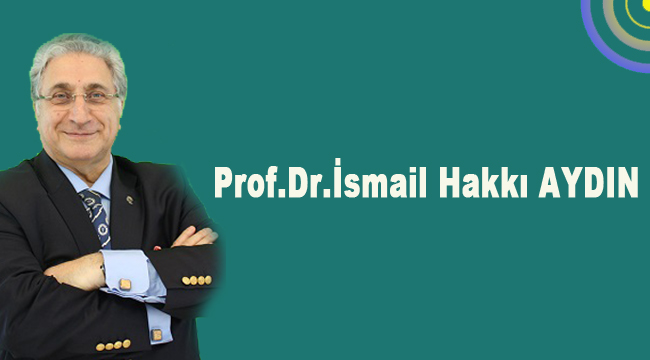
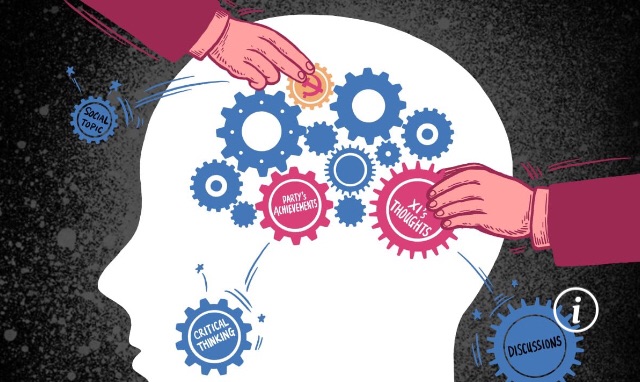
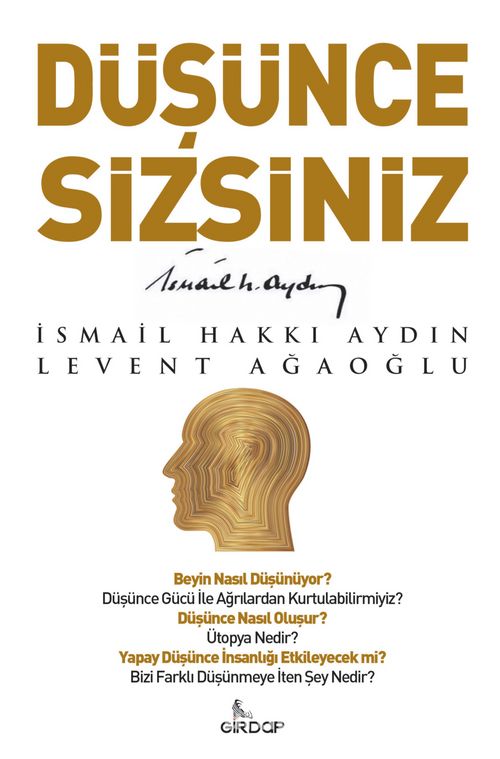
Let’s not say human, humanity or even humanity, let’s say for life, now it is necessary to focus on life, because innovation, new thinking is life, not human. We always say that life is for people, isn’t it? The world is not for man, man is for life, man is for the universe, man is for the universe, we will talk about this in a moment.
Life and Connectivity: In many of your speeches, you say “life is not for man, but man is for life”. Can you explain this a little bit?
Now in all this connective totality, life is not for man, man is for life. “Hayrun nas men yenfeun nas” (The best of people is the most beneficial for humanity, for life) says our prophet.
Allah also says: Everyone is in loss, except those who do good deeds for humanity. (Surah 4 Asr, verses 1-3.)
Now do we understand mathematical integrity? Do we understand that life is not for people, but people, or rather everything is for life and for a better life?
Do we understand how important mathematical integrity is, how important the new paradigm is to imagination, doubt and curiosity? Life, vitality is information processing, the more information we can process, the more we exist, the more we contribute to life. Then, the more we can contribute to life, the more we exist, the more our PHI number has increased.
Life is not for man, man is for life!
Source. Prof Dr İsmail Hakkı Aydın, Düşünce Sizsiniz
………………………………………………………….
Hayat
İnsan ve insanlık hatta insanlık da demeyelim hayat
için diyelim, artık hayat üzerinde durmak gerekmektedir,
çünkü yenilik, yeni düşünce artık hayattır, insan
değildir. Hep deriz acaba hayat insan içindir değil mi?
Dünya insan için değil, insan hayat içindir, insan kâinat
içindir, insan evren içindir, birazdan bu konuya değineceğiz.
Dini kavramlarla da onu destekleyeceğiz inşallah.
Hayat ve Bağlantısallık
Birçok konuşmanızda “hayat insan için değil de
insan hayat içindir” diyorsunuz. Bunu biraz açıklar
mısınız?
Şimdi bütün bu bağlantısal bütünsellik içerisinde hayat
insan için değildir, insan hayat içindir. “Hayrun nas
men yenfeun nas” (İnsanların hayırlısı, insanlık için, hayat
için en faydalı olandır) diyor peygamberimiz.
Allah da diyor ki: insanlık için iyi işler yapanlar hariç,
herkes hüsrandadır. (4 Asr suresi, 1-3. ayetler.)
Şimdi anladık mı matematiksel bütünselliği?
Anladık mı şimdi hayat insan için değil de
insanın daha doğrusu her şeyin hayat için ve daha iyi
hayat için olduğunu.
Anladık mı matematiksel bütünlüğün ne kadar
ehemmiyetli olduğunu, yeni paradigmanın hayal, şüphe,
merak ne kadar ehemmiyetli olduğunu?
Hayat, canlılık bilgi işlemektir, ne kadar enformasyon
işleyebiliyorsak o kadar varız, o kadar hayata katkı
sağlıyoruz. O zaman hayata ne kadar katkı sağlayabilmişsek
o kadar varız, o kadar PHI sayımız artmıştır.
Hayat, insan için değil, insan, hayat içindir!
Kaynak. Prof Dr İsmail Hakkı Aydın, Düşünce Sizsiniz
No matter where in the world, cities and settlements have a central point. That point is the place accepted as the middle of the city. In ancient times, kilometers were always calculated from that point, maps were drawn accordingly, and caravans traveled accordingly. A monumental stone, a column, a wall, or a monument was erected at this spot, which must have been attributed to some god, a hero, or a commemoration of a past victory.
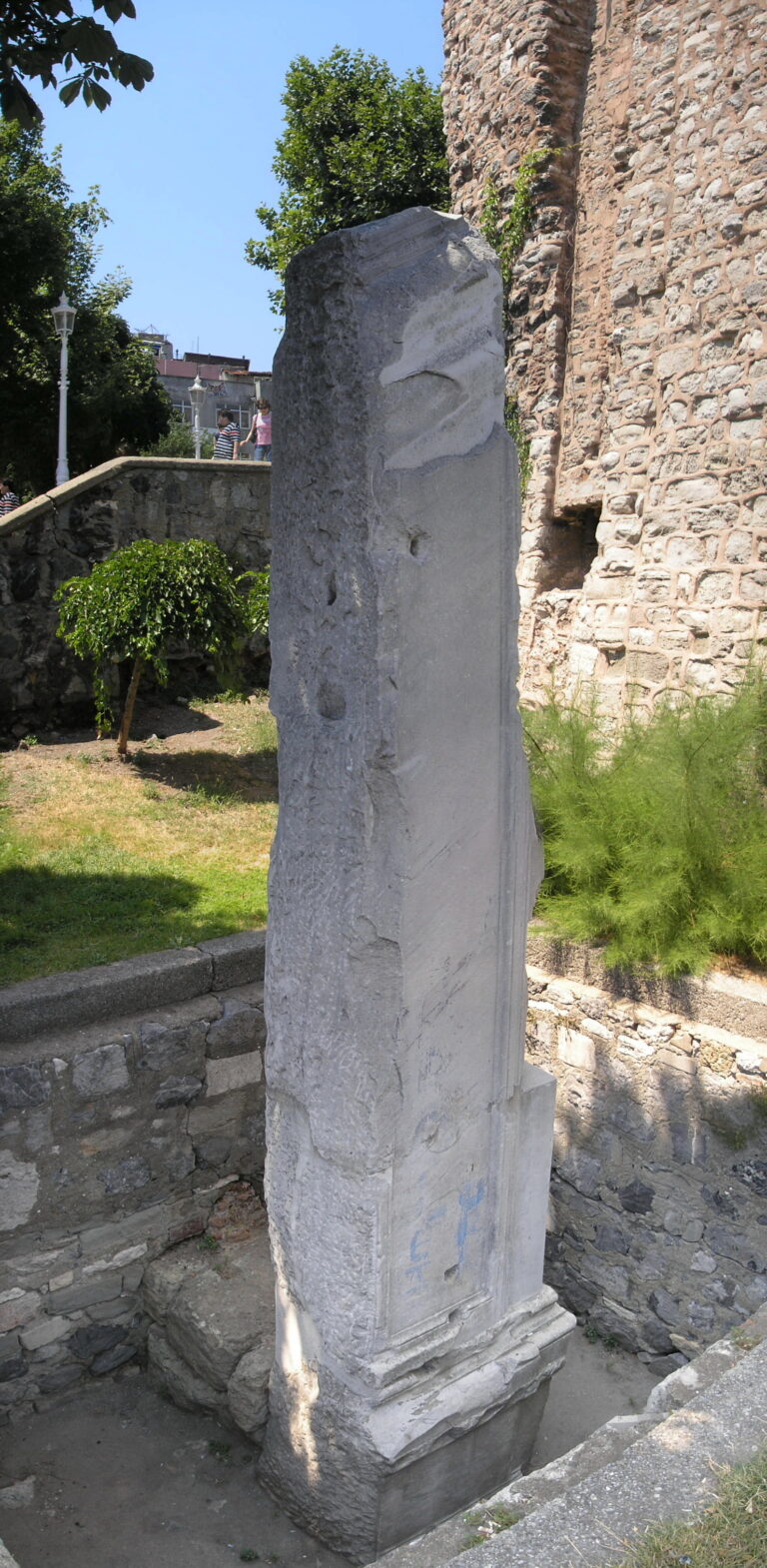
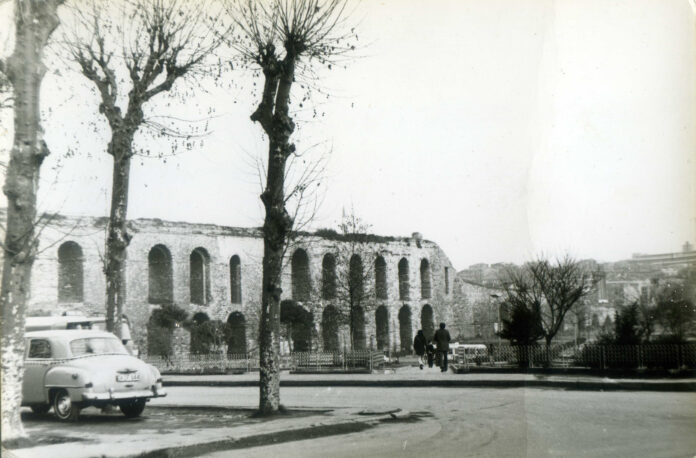
The center, which was accepted as the “0” point of the city in Istanbul of the Byzantine period, was located at the western end of the Augusteion (Victory) Square, which lies in front of Hagia Sophia. Today, a columnar stone made of Byzantine marble, falling just behind the entrance to the Basilica Palace and rising in a hollow place on the side of the fast tramway, is seen as the only surviving piece of the magnificent Milion Monument, which was once located here and marks the “0” point of the city.
The Milion Monument, which is known as one of the important monuments on Mese, the main street of Byzantium, passing through the middle of the city and ending at the Imperial gate on the Yedikule walls, rising in the shape of a Tetrapylon (on four columns) in Byzantine period Istanbul, was the first to be named after Emperor I.
It was built by Constantine in the late 320s. It is written that during the reign of Justinian I, who ruled Byzantium between 527-565, which is considered as the golden age of Byzantium, it was renewed and decorated with a crown in the form of a sun circle.
The distances of the important centers of the empire to the capital were measured from this monument, and the milestones placed on the roadsides were placed according to the mile calculation made from here. In Byzantine times, roads were calculated on the basis of Roman miles, and 1 Roman mile was equal to approximately 1,480 metres.
In fact, in Rome and other cities, distances between settlements were calculated from the city gates, but Byzantium was calculating this distance symbolically from the Milion Monument.
The “Milion Monument” of Byzantium was a domed structure, supported by arches on all four sides, rising on a square base in the form of a platform, paved with stones, and was once located in front of the Basilica Stoa Church, which was behind the Basilica Palace.
Zosimos and Hesihios, the famous historians of Byzantium, claimed in their histories that the Milion Monument was a monument built in the name of Goddess Tihe, who was respected as one of the pre-Christian gods and the patron deity of the ancient city of Istanbul. As we learned from ancient sources, it is understood that during the reign of Constantine I, there is a statue group showing Emperor Constantine and his mother Helena holding a cross on the eastern façade of the Tetrapylon-shaped monument, and on the same façade, there is a depiction of the Goddess Tihe with a crown on her head and a trumpet in her hand.
During the reign of Justinian I, who ruled the Byzantine Empire between 527-565, when magnificent palaces and churches such as Hagia Sophia, cisterns were built, and the Byzantine Empire expanded its borders from Egypt to the Moroccan coast, the Milion Monument façade was decorated with a sun circle; It is known that during the reign of Emperor Filippikos, who was on the throne for a short time between 711 and 713, religious depictions of Christianity were added, and a sculpture group decorated with the scenes of horse races in the Hippodrome was placed on the monument by Constantine V, who reigned between 741-775. Besides all these, historical sources, They wrote that between the VIII. and XII. centuries, some imperial ceremonies held in Hagia Sophia continued under this monument after the church.
The existence of the Milion Monument, whose ownership was given to the Hagia Sofia Church in 1268, continued for a while in the Ottoman period after the conquest of Istanbul, and after that, it was gradually disintegrated and reached today in its single stone form.
The remains of the Milion Monument were unearthed in 1957, when the area around Sultanahmet Square was organized by the Istanbul Municipality.
The Imperial Gate on the walls of Yedikule, where Mese Street, which passed through the middle of Byzantium, ended in Istanbul centuries ago, was the beginning of the main inter-city road, known as Via Egnatia, which later extended to Rome through the Dalmatian region. From here, on the Via Egnatia route, there were milestones called Hermesia, which were used in ancient Greek and Roman times.
After leaving the city walls of Istanbul, you first arrive at the small fishing village on the coast of Zeytinburnu, which was called Kiklobion cape in Byzantium, then from the Veliefendi Hippodrome to today’s Yenimahalle side, which is decorated with military training and official buildings, and then two important churches, two palaces, It was coming to Hebdomon, where important structures such as monasteries and cisterns are located, that is, the coastal part of today’s Bakırköy.
The reason why Bakırköy was called Hebdomon in the Byzantine period was because the distance from the Million Stone to here was 7 miles, and because of this location, ancient Bakırköy was referred to with the word Hebdomon, which means seventh in Greek. After Hebdomon, he comes to today’s Little Drawer, a military outpost known as Via Egnatia Reghion,
Articles
Across the Island Lesbos
Ancient Egypt’s Tomb Babies: Ushabtis
A Cappadocian Saint: Saint Mamas
Mysterious Bird of Ancient Egypt Ibis
ANKARA SHIP
SAMATYA
Crocodile’s Tears
Makriköy “Şömendöfer” Station
Keeper of Darkness Anubis
A Roaring City: FEZ On One Side
in Egypt’s Western Deserts
Mediterranean on one side The Great Sahara Desert: ALGERIA
Aya Mama Creek
Aya Eirene Church
Baruthane Tower
Rüstempaşa Mosque
8th Wonder of History Hagia Sophia
Statue at Sarayburnu
Holy Oil Miron
A Neighborhood That Continues Its Past SAMATYA
The unknown face of Egypt
Death in Madagascar
Galata Tower
Zero Point of Istanbul: Million Stone
Obelisk
A Cappadocia Tour

Düşüncenin gram değeri Düşüncenin gram değeri Düşüncenin gram değeri Düşüncenin gram değeri
Peki düşünce nasıl değerlenmektedir.
Zamanların derinliğinde, zeminlerin enginliğinde sürekli hareket halinde olan zihinde biriken düşüncelerin değeri yeganedir.
Prof. Dr. İoanna Kuçuradi: ‘En önemli eksiklerden biri bağlantıları görememek’
“Ezberci eğitim, eğitim hakkının ihlalidir. Ezberci eğitimle yetişenler, bağlantıları göremiyor”
“Eğitim sisteminde ana sorunlardan biri ezberciliğin her düzeyde olması. Ama önce öğretmenlerde bunu aşmamız gerekiyor. Uygun eğitimle bunlar mümkündür, olmayacak şeyler değil ama inat etmek gerek.”
“Ezberci eğitimle yetişenler bağlantı kuramıyor. Eğitimde önemli eksiklerden biridir bağlantıları görememek. Bunun öneminin de farkında değiller. “Modüler Eğitim” diyorlar. Modüller eşya içindir, eğitim modüllerle olmaz, bir bütündür, yan yana konularak olmaz. Ezberci eğitim, eğitim hakkının ihlalidir, binanın, şunun bunun olmamasından daha beterdir.”
Savunma Sanayiinde Rekabet mi, Maraba Kültürü mü?
“70’lerde ABD’de bu konularda iki bölge öne çıkıyordu: Birisi Kaliforniya’daki Silikon Vadisi, diğeri ise Boston Massachusetts’teki Route 128. İkisinde de dünyanın en iyi üniversiteleri vardı. İkisi de kocaman kocaman ofis binalarında büyük şirketlerde mühendislerin çalıştığı yerlerdi. O zaman şimdiki gibi günün yarısında yoga yapıp, diğer yarısında TikTok çeken girişimciler yoktu.
Peki, bugün inovasyon deyince neden tüm dünyanın aklına Silikon Vadisi geliyor? Bu da Kaliforniya ile Massachusetts arasında tek bir farktan kaynaklanıyor: Kaliforniya’da 1872’de tesadüfen çıkarılan bir kanun ile çalışanların iş sözleşmelerine rekabet yasağı koymak yasaklanmış. O yüzden, bir şirkette çalışanlar işten ayrılıp ona rakip şirket kurabiliyor. Hatta rakip firmaya geçip tecrübesini beraberinde götürebiliyor. Hem yeni iş kurmak hem de kalifiye insan kaynağına erişip işini büyütmek daha kolay. Tabii ki kimsenin çalıştığı şirketin ticari sırlarını alıp gitmesine izin verilmiyor (dilerseniz böyle şeyleri ABD’de bir deneyin).
Massachusetts’te ise durum böyle değil. Çalışanlara rekabet yasağı koymak serbest. O yüzden yapabileceğiniz inovasyon ancak çalıştığınız şirketin öncelikleri ve size verdiği hedeflerle sınırlı.
İşte, Silikon Vadisi’ni Silikon Vadisi yapan şey havanın güzel olması filan değil, basit bir kanunmuş. Bugün hâlâ Silikon Vadisi’nde başka başka alanlarda başarılı şirketlerin %90’ının kökeni ilk çip şirketi Fairchild Semiconductors’a dayanıyor.
Demek ki, ekonomik kalkınma için iş gücünün şirketler arasında özgürce yer değiştirebilmesi gerekiyor.
Peki “iki sene sonra ayrılacak adama ben niye yatırım yapayım?” diye soran şirket yöneticilerinin sesini duyar gibiyim.
Yüksek teknoloji inovasyonuna dayanan şirketleri maraba kültürüyle yönetmeye kalkınca insanın aklına böyle sorular gelebilir.
Peki ya ulusal güvenlik? Son zamanlarda, herkes işine gelmeyen rekabete karşı “ulusal güvenliğimizi koruyoruz” argümanları kullanmaya başladı.”
(Elbette Stephen Covey’den özür dileyerek.) (Ama alışkanlık listeleri gerçekten işe yarıyor!)
Yazmak gizemli bir uygulamadır, bu yüzden yapabileceğiniz en iyi şey, yapabildiğiniz her yerde mantık ve sistem uygulamaktır. Bir alıştırma veya program kullanarak mükemmel bir cümle kuramazsınız, ancak o cümleyi kurma olasılığınızın arttığı bir ortam yaratabilirsiniz. Yemek pişirirken veya spor yaparken doğru ekipmanı kullanmak gibi bir şey. Ekipman, bir tabakta yaratıcı bir bükülme veya oyunu kazandıran yükselen ters vuruş sağlayamaz, ancak kendiniz için mümkün olan en iyi durumu oluşturmak, bu ilham verici anları geliştirmeye yardımcı olur. İşte sizi doğru yöne yönlendirebilecek bir kontrol listesi:
SOURCE: Eight Habits of Highly Effective Writers
Booksonturkey Yazıları (2000 adet) / Booksonturkey Articles (2000 entries)
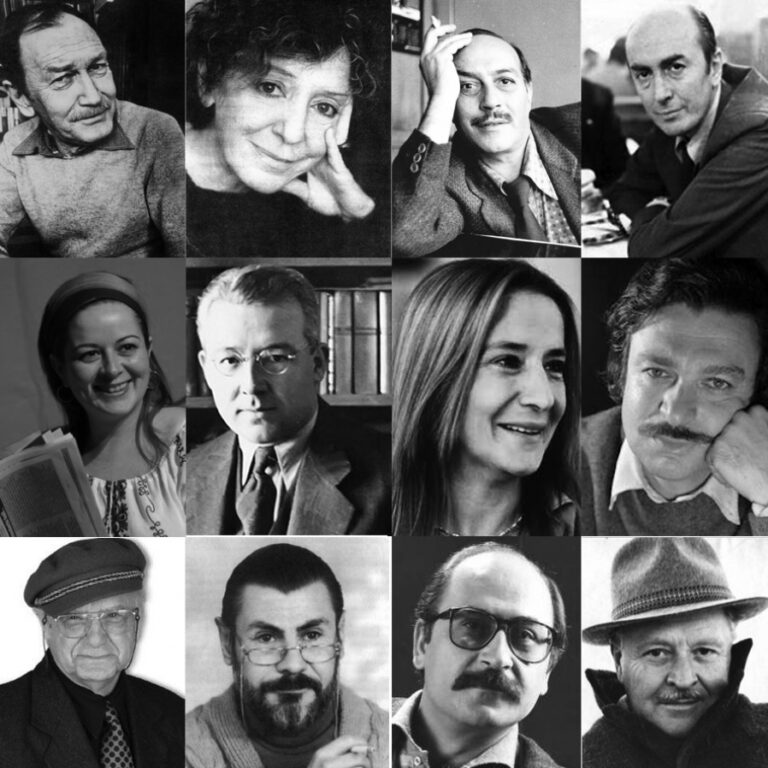
Mehmet Necati Lugal.. 16
Besim Atalay…………… 18
Mehmet Şemsettin Günaltay ….. 20
Ismayıl Hakkı Baltacıoğlu….. 22
Mehmed Fuat Köprülü 24
Yusuf Hikmet Bayur … 26
Agop Dilâçar…………… 28
Nusret Hızır…………….. 30
Remzi Oğuz Arık …….. 32
Abdülbaki Gölpınarlı .. 34
Şevket Aziz Kansu …… 36
Akdes Nimet Kurat ….. 38
Suut Kemal Yetkin…… 40
Hasan Tahsin Banguoğlu.. 42
Enver Ziya Karal …….. 44
Muzaffer Şerif Başoğlu.. 46
Pertev Naili Boratav…. 48
Saadet Çağatay………… 50
Mehmet Karasan ……… 52
Afet İnan ………………… 54
Bekir Sıtkı Baykal……. 56
Niyazi Berkes………….. 58
Bedrettin Tuncel………. 60
Behice Boran…………… 62
Hamdi Ragıp Atademir.. 64
Ekrem Akurgal………… 66
Aydın Sayılı ……………. 68
Sedat Alp………………… 70
Mustafa Akdağ………… 72
Osman Turan…………… 74
Orhan Burian…………… 76
Azra Erhat ………………. 78
Muzaffer Süleyman Şenyürek… 80
Tahsin Özgüç ………….. 82
Mehmet Altay Köymen….. 84
Halil İnalcık ……………. 86
Nermin Erdentuğ……… 88
Suat Sinanoğlu ………… 90
Orhan Acıpayamlı ……. 92
Mübeccel Belik Kıray . 94
İlhan Başgöz……………. 96
Osman Ersoy …………… 98
Sevim Tekeli …………. 100
Bahaeddin Ögel……… 102
Şerafettin Turan……… 104
Mübahat Türker Küyel.. 106
Metin And …………. 108
Sedat Veyis Örnek….. 110
Doğan Aksan…………. 112
Turgut Özakman…….. 114