Ağrı Dağı. Mt. Ararat towers over the land where Noah’s ark came to rest. The same story appears in the Babylonian myth of Gilgamesh.
Akhisar. An agricultural center, Thyatira was one of the Seven Churches admonished by St. John.
Alaşehir. One of the Seven Churches, Philadelphia was a border post in the 1st century AD.
Altınbaşak. Birthplace of Abraham, it was here that he heard the call to found a great nation that believed in One God. A 9th century BC Temple to Sin was part of a university complex. Crusaders held the fortress in the 12th century AD.
Ani. Ani’s continnuing fame is as a city of a thousand churches.
Ankara. The 15 th century Hacı Bayram Mosque and the Roman Temple to Rome and Augustus with its inscription about Caesar’s census are located back-to-back.
Antakya. City where Christians were first named, the 11th century Crusaders believed that they found St. Peter’s sword in the Church of St. Peter. St. Paul began his missionary journeys form Antioch.
Bergama. One of the Seven Churches, St. John denounced the Thorne of Satan in his reference to church members.
Bursa. Beautiful mosque complexes from the 13the and 14th centuries enrich the early Ottoman capital.
Divriği. Exquisite designs on Ulu Cami are a record of the skill of Selçuk stone carvers.
Diyarbakır. It comes second to Istanbul in the number of handsome mosques in the city.
Edirne. The complex of the Selimiye Camii is the masterpiece of the 16 the century architect Sinan.
Efes. Once renowned for its gleaming Temple to Diana, the archaeological site of Ephesus is famous for the missionary work of St. Paul, and as one of the churches addressed by St. John. The Home of the Virgin Mary has been a quiet mountain retreat.
Erzurum. The Yakutiye and Çifte Minareli Medreses are evidence of the Selçuk religious activities in Erzurum in the 12th and 13th centuries.
Hacıbektaş. The Bektaşi dervish community dates its inspration from the life and work of Hacı Bektaş Veli who lived here in the 13th century.
İstanbul. The museums of St. Sophia, St. Irene, and Kariye hold masterpieces of Christian art. Unrivaled Muslim relics are found in the Pavilion of the Holy Mantle in the Topkapı Museum. Among the famous mosques are the Süleymaniye Compleq and the Sultanahmet. A number of Jewish synagogues are active in the city.
İzmir. One of the Seven Churches, İzmir’s Church of St. Polycarp memorializes the 2nd century martyred bishop. Many synagogues serve the Jewish community of İzmir.
İznik. Both the first and the last of the Christian Ecumenical Councils took place in İznik.
Kapadokya (Cappadocia). Center of monastic cave churches, Christians also tunnelled many stories underground for refuge.
Kayseri. Residence of the 4th century church leaders, St. Basil and St. Gregory, Kayseri is also known in the Mahperi Huand Hatun Complex for its Selçuk Muslim art.
Konya. For Christians, Konya was one of St. Paul’s centers of preaching; for Muslims the tomb of the Whirling Dervish saint, Mevlana Celaleddin Rumi, is a place of pilgrimage.
Laodikya. The last of the Seven Churches, which was neither hot nor cold, Laodicea is close to the hot springs and travertine deposits of Pamukkale.
Mardin/Tur Abdin. Since earliest times the Tur Abdin region has been the location of Christian monasteries such as Deyrulzarafan and Mor Gabriel.
Şanlıurfa. Legendary place of the contest between Abraham and Nimrod, the Halil ar-Rahman Camii is a place of pilgrimage for Muslims.
Sart. The Temple to Artemis, the synagogue and the position of Sardis as one of the Seven Churches identify its varied religious significance.
Tarsus. Birthplace of St. Paul, Tarsus lies in the fertile Çukurova plain.
Trabzon. The ceiling of the 13th century Museum of St. Sophia is covered with Christian frescoes. Nearby in the mountains is the famous Sumelas Monastery.
Van/Ahtamar. Historically the region around Van was the center of Urartu-Ararat. The 10th century Church of the Holy Cross on the island of Ahtamar is a classic example of Armenian art.
Yalvaç. St. Paul preached his first recorded sermon in Pisidian Antioch and was expelled from the city.
Yazılıkaya. Second millennium BC priest-gods march in procession to the altar of the Hittite temple in Yazılıkaya.
Source: Anna G.Edmonds. Turkey’s Religious Sites
Istanbul: City of Majesty at the Crossroads of the World
$9.99 (as of 24/10/2026 03:12 GMT +03:00 - More infoProduct prices and availability are accurate as of the date/time indicated and are subject to change. Any price and availability information displayed on [relevant Amazon Site(s), as applicable] at the time of purchase will apply to the purchase of this product.)
Lonely Planet Pocket Istanbul: Discover Twice the City in Half the Time | Top Sights | Maps & Walking Tours | Covers Sultanahmet & Sirkeci, Bazaar ... & Western Districts and more (Pocket Guide)
$6.99 (as of 24/10/2026 03:12 GMT +03:00 - More infoProduct prices and availability are accurate as of the date/time indicated and are subject to change. Any price and availability information displayed on [relevant Amazon Site(s), as applicable] at the time of purchase will apply to the purchase of this product.)
The Essential Travel Guide To Turkiye: Iconic Sights, Authentic Food and Smart Travel Tips From A Local (Istanbul, Cappadocia, Antalya and Beyond)
$2.99 (as of 24/10/2026 03:12 GMT +03:00 - More infoProduct prices and availability are accurate as of the date/time indicated and are subject to change. Any price and availability information displayed on [relevant Amazon Site(s), as applicable] at the time of purchase will apply to the purchase of this product.)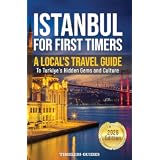
Istanbul For First Timers: A Local's Travel Guide To Turkiye's Hidden Gems and Culture
$4.99 (as of 24/10/2026 03:12 GMT +03:00 - More infoProduct prices and availability are accurate as of the date/time indicated and are subject to change. Any price and availability information displayed on [relevant Amazon Site(s), as applicable] at the time of purchase will apply to the purchase of this product.)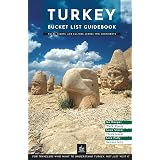
Turkey Bucket List Guidebook: Walks, Sights, and Culture Across Two Continents
$21.95 (as of 24/10/2026 03:12 GMT +03:00 - More infoProduct prices and availability are accurate as of the date/time indicated and are subject to change. Any price and availability information displayed on [relevant Amazon Site(s), as applicable] at the time of purchase will apply to the purchase of this product.)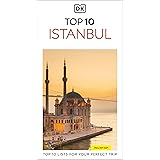
DK Top 10 Istanbul: Top 10 lists for your perfect trip, plus an all-weather folded map (Pocket Travel Guide)
$5.71 (as of 24/10/2026 03:12 GMT +03:00 - More infoProduct prices and availability are accurate as of the date/time indicated and are subject to change. Any price and availability information displayed on [relevant Amazon Site(s), as applicable] at the time of purchase will apply to the purchase of this product.)
Istanbul: The Imperial City
$1.43 (as of 24/10/2026 03:12 GMT +03:00 - More infoProduct prices and availability are accurate as of the date/time indicated and are subject to change. Any price and availability information displayed on [relevant Amazon Site(s), as applicable] at the time of purchase will apply to the purchase of this product.)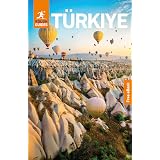
Rough Guides Turkiye: Travel Guide with eBook: 2026-2027 | Insider Tips | Must-See Sights | Maps & Itineraries | Covers: Istanbul, Cappadocia, the Turquoise Coast and more
$22.54 (as of 24/10/2026 03:12 GMT +03:00 - More infoProduct prices and availability are accurate as of the date/time indicated and are subject to change. Any price and availability information displayed on [relevant Amazon Site(s), as applicable] at the time of purchase will apply to the purchase of this product.)
Lonely Planet Turkiye: Plan the Trip of a Lifetime | Detailed Itineraries & Maps | Insider Tips | Covers Istanbul, Troy, Izmir and more (Travel Guide)
$12.73 (as of 24/10/2026 03:12 GMT +03:00 - More infoProduct prices and availability are accurate as of the date/time indicated and are subject to change. Any price and availability information displayed on [relevant Amazon Site(s), as applicable] at the time of purchase will apply to the purchase of this product.)
The Turkish Cookbook
$43.40 (as of 24/10/2026 03:12 GMT +03:00 - More infoProduct prices and availability are accurate as of the date/time indicated and are subject to change. Any price and availability information displayed on [relevant Amazon Site(s), as applicable] at the time of purchase will apply to the purchase of this product.)
Istanbul: Memories and the City (Vintage International)
$11.94 (as of 24/10/2026 03:12 GMT +03:00 - More infoProduct prices and availability are accurate as of the date/time indicated and are subject to change. Any price and availability information displayed on [relevant Amazon Site(s), as applicable] at the time of purchase will apply to the purchase of this product.)
God's Battalions: A Study of the Crusades, Christian Warfare, and the Fight for the Holy Land
$5.19 (as of 24/10/2026 03:12 GMT +03:00 - More infoProduct prices and availability are accurate as of the date/time indicated and are subject to change. Any price and availability information displayed on [relevant Amazon Site(s), as applicable] at the time of purchase will apply to the purchase of this product.)
Lonely Planet The Mediterranean: Over 30 Mesmerising Cities & Islands | 15 Weekend Long Road Trip Itineraries | Tips on Where to Eat & What to See | Stunning Photography
$22.11 (as of 24/10/2026 03:12 GMT +03:00 - More infoProduct prices and availability are accurate as of the date/time indicated and are subject to change. Any price and availability information displayed on [relevant Amazon Site(s), as applicable] at the time of purchase will apply to the purchase of this product.)
Lonely Planet Pocket Istanbul: Discover Twice the City in Half the Time | Top Sights | Maps & Walking Tours | Covers Sultanahmet & Sirkeci, Bazaar ... & Western Districts and more (Pocket Guide)
$6.99 (as of 24/10/2026 03:12 GMT +03:00 - More infoProduct prices and availability are accurate as of the date/time indicated and are subject to change. Any price and availability information displayed on [relevant Amazon Site(s), as applicable] at the time of purchase will apply to the purchase of this product.)
Notes on a Foreign Country: An American Abroad in a Post-American World
$9.87 (as of 24/10/2026 03:12 GMT +03:00 - More infoProduct prices and availability are accurate as of the date/time indicated and are subject to change. Any price and availability information displayed on [relevant Amazon Site(s), as applicable] at the time of purchase will apply to the purchase of this product.)
Türkiye (Turkey) Map (National Geographic Adventure Map, 3018)
$10.94 (as of 24/10/2026 03:12 GMT +03:00 - More infoProduct prices and availability are accurate as of the date/time indicated and are subject to change. Any price and availability information displayed on [relevant Amazon Site(s), as applicable] at the time of purchase will apply to the purchase of this product.)
Lonely Planet Turkiye: Plan the Trip of a Lifetime | Detailed Itineraries & Maps | Insider Tips | Covers Istanbul, Troy, Izmir and more (Travel Guide)
$12.73 (as of 24/10/2026 03:12 GMT +03:00 - More infoProduct prices and availability are accurate as of the date/time indicated and are subject to change. Any price and availability information displayed on [relevant Amazon Site(s), as applicable] at the time of purchase will apply to the purchase of this product.)
Istanbul For First Timers: A Local's Travel Guide To Turkiye's Hidden Gems and Culture
$4.99 (as of 24/10/2026 03:12 GMT +03:00 - More infoProduct prices and availability are accurate as of the date/time indicated and are subject to change. Any price and availability information displayed on [relevant Amazon Site(s), as applicable] at the time of purchase will apply to the purchase of this product.)
DK Istanbul: Must-See Sights. Culture & History. Detailed Maps & Tours. Covers Sultanahmet, Beyoglu, & more (Travel Guide)
$18.47 (as of 24/10/2026 03:12 GMT +03:00 - More infoProduct prices and availability are accurate as of the date/time indicated and are subject to change. Any price and availability information displayed on [relevant Amazon Site(s), as applicable] at the time of purchase will apply to the purchase of this product.)