1975 Photographies in Turkey
Black&White Turkey in 1975
1975 Photographes
https://booksonturkey.com/?s=1975
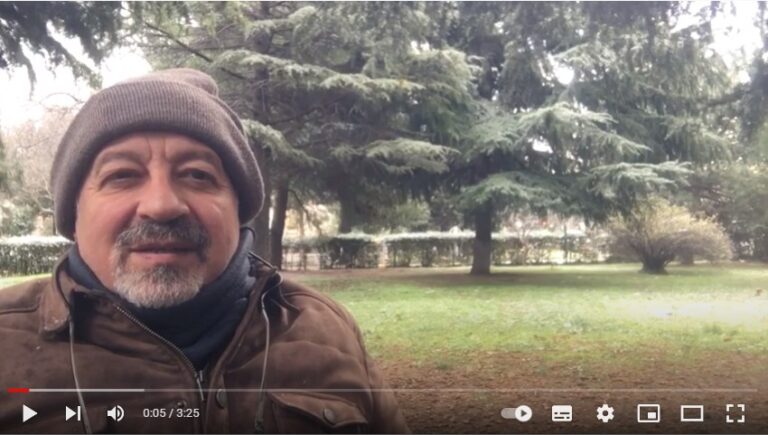
Levent Ağaoğlu, Author, Turkish Citizen
- Biography: https://www.biyografya.com/biyografi/22973
- Web: https://booksonturkey.com/
IMAGES OF TURKEY Photography
1974-75 years 118 black and white photographs
Turkish English photo captions
Within the scope of street photography, shedding light on daily life in Istanbul.
Culture, history, identity, society, people and humanity. Reality and future. Naturalness and true wealth. Our treasures that we can leave from today to tomorrow…
Turkey (Anatolia, Asia Minor) has produced cultures and civilizations for 12,000 years since the Neolithic. However, books published in English on Turkey are very limited. Foreigners cannot find books or publications about Turkey. There is no database even.
The Turkey of the 1970s can be viewed through the youth of the world’s 1968 generation movement. It is a more untouched period in the cold war and bipolar world order when archeology even was not fully active.
Let’s look at these places today from the perspective of 2022 and try to understand a global transformation story by comparing old photographs and today.
The photographs I took half a century ago in Istanbul Fatih, on the historical peninsula and in ancient cities such as Troy, Bergama, Ephesus, Didim, in the Aegean, shed light on our day. The permanence of ancient cities, which have not changed for thousands of years, clad in silence and solitude, and the sharp and striking change in the time period of 50 years in the city of Istanbul, occur together before our eyes and extend to us from the beginning years of the 21st century. The ancient cities we visited on the Aegean coast were living their heyday when Istanbul was not yet in the middle.
Despite the magnificence of Istanbul’s historical buildings, the poverty and deprivation observed in the 1975 photographs raise questions about whether human welfare or magnificent stone structures are permanent. The ruined historical wooden structures seen in the photographs were quickly destroyed and left their places to reinforced concrete structures. The apartment building fashion, which started in the mid-1950s, has rapidly changed the face of the city in 20 years.
I have been trying to convey the world reflected by the photographs and our impressions with subtitles.
I was born in Fatih district of Istanbul that is the core of İstanbul and Fatih is the historical peninsula surrounded by castles totally from the Golden Horn and Marmara Sea around. All the famous districts are scattered in Fatih. The feelings you have in the Fatih area is very unique and special and if you’re in the area you feel that it is the center of the world, not only with the center of the world because the empires Roman empire after Constantin set up in 395 and Turkish Ottoman Empire in 1453 was all controlled from Fatih district of Istanbul.
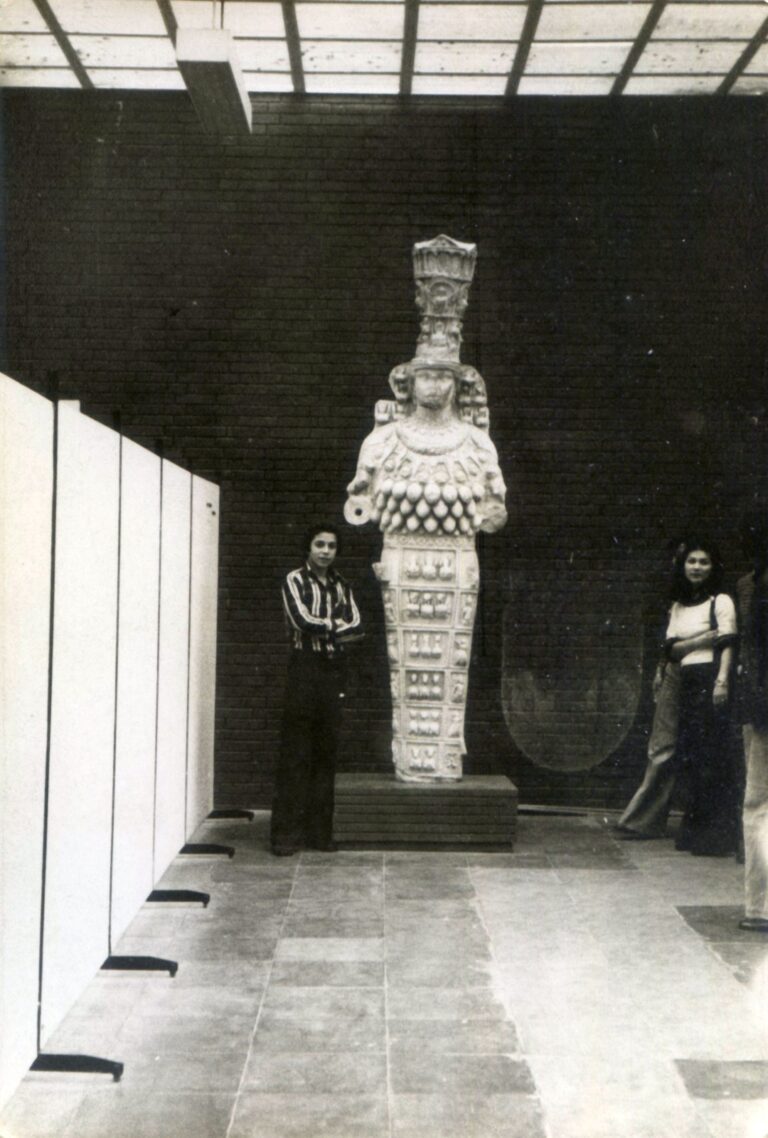
In 1974 I bought a Russian Zorki camera for black-and-white photographs and started first from Fatih and then proceeded to Western historical antique locations in the Aegean region, because of my involvement with the touristic guide course. I started from the roads and streets of Fatih, the old town, 45 years ago and got the photos of ordinary people, elderly, youngsters, children and the historical buildings and the wooden buildings in that part of the city.
These are straight black and white photographies and meaningful to show us the past of the historical Peninsula.
Maybe the individuals on the photographs, the elderly ones, may not be living now, so we can analyze the conditions of the time just after the war happened in Cyprus and Turkey started to be entering into street movements with guns which lead to the country to military coup in 12 September 1980. The photographs also reflect the property in the streets of İstanbul at the time though the buildings are very old and rich in history, the people are not that much. Here is the most conservative part of the İstanbul.
Following taking photographs of Fatih and downtown İstanbul, I moved to Western Turkey passing through Dardanel Straight snd visiting antique cities like Troy, Pergamon, Smyrna, Priene, Ephesus, Didyma, which are older than Istanbul clty, so taking the photos of these archaeological theaters and worship buildings.
Images of Aegean Antiquities of Turkey
Aegean Region: Troy, Ephesus, Bergama, Izmir, Didim

The ancient road to Ephesus Harbor. The splendor and time-resisting permanence of marble. Who knows, the hills we see in front of us used to be the sea. The tops of the columns were adorned with statues. We seem to have entered a time warp with this photo. On the contrary, the mossy marbles did not stop time and did not reach today. We are watching the road of one of the greatest ancient ports in history Who knows what goods and people were transported from this port, wines, amphorae, olives and olive oils. Audiences coming and going to the Ephesus Theatre.
Ephesus Road April 1975

Ashtrays and salt shakers on the plain restaurant table, and the Didim Apollon Temple, a world masterpiece, in front of it. Didim is 22 km away from Miletus, Capital of Philosophy of the World. The juxtaposition of philosophy and faith. Marble pillars rising to the sky by being cut into circles, twin marble pillars with grooves. Uncle tourist took care of himself by crossing his legs with the camera team. Didim Temple Apollon Cult Izmir Trip April 1975
Images of Historical Downtown of Istanbul
Istanbul: Fatih, Sultanahmet, Eminonu, Sarayburnu, Sahil Yolu, Topkapi Walls, Dolmabahce
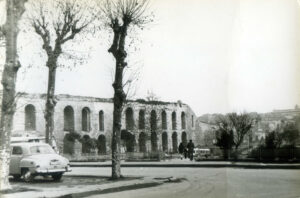
Valens Roman Aqueduct from 1650 years away, completed in 373 AD, in the heart of the historical peninsula. Walking citizens, Dodge minibus and city bus decorate the square. It’s a cold winter’s day and its branches are lonely, leafless gloomy trees. Bozdogan Arch 21 December 1974

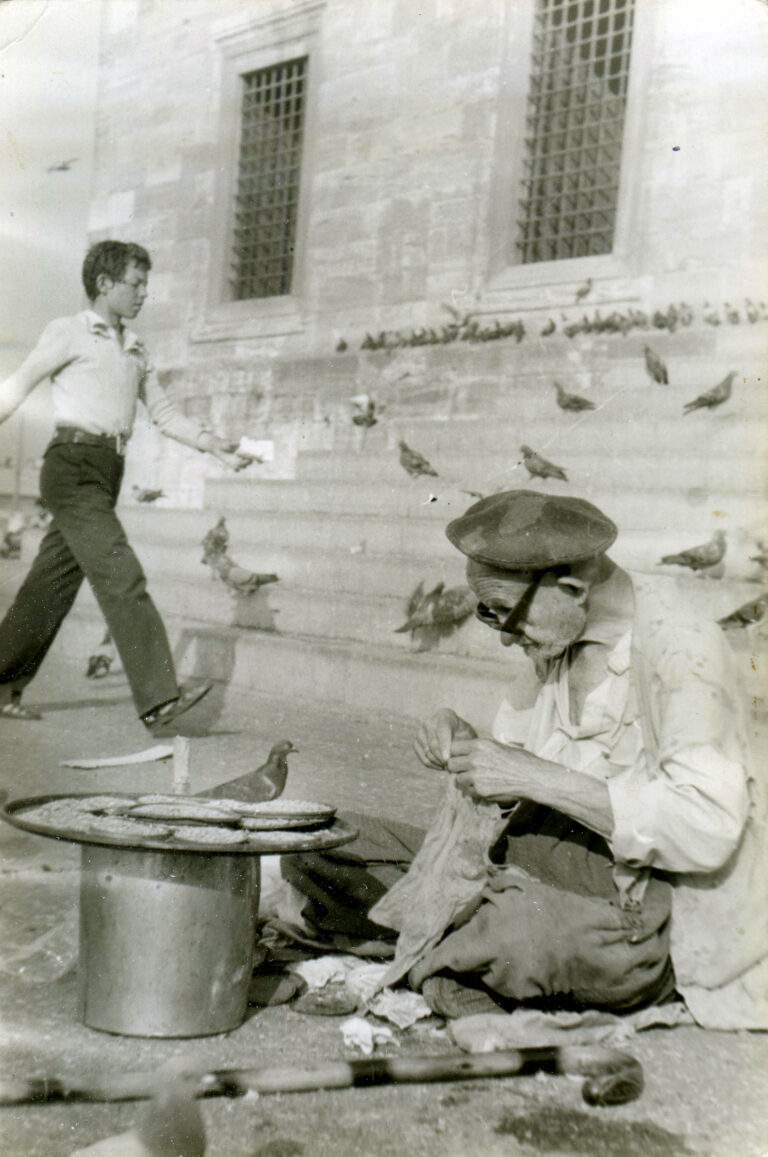
Entrance stairs of the old New Mosque. The elder is feeding the cornfields and the pigeons. Blessings to your heart, strength to your eyes and stick. A typical Istanbul ritual. The young boy adorned the square with running steps. New Mosque August 1975
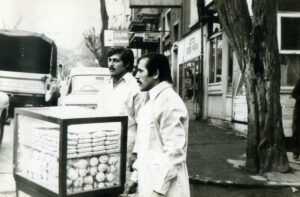
Auto spare parts shop, watch repair shop and artisan restaurant on the road to Fatih Mosque. Karakaş karabiyik peddlers dressed in clean white and rags. Cold toasts at the glass car stalls. Istanbul street delicacies. As the weather is so cold, fists are clenched.
Street From Fatih Park From Fire Brigade to Taş Mektep (Stone School9 December 21, 1974

Istanbul: The Imperial City
$12.99 (as of 14/08/2026 02:10 GMT +03:00 - More infoProduct prices and availability are accurate as of the date/time indicated and are subject to change. Any price and availability information displayed on [relevant Amazon Site(s), as applicable] at the time of purchase will apply to the purchase of this product.)
DK Turkey: Must-See Sights. Culture & History. Detailed Maps & Tours. Covers Istanbul, Cappadocia, Antalya, Bod (Travel Guide)
$20.33 (as of 14/08/2026 02:10 GMT +03:00 - More infoProduct prices and availability are accurate as of the date/time indicated and are subject to change. Any price and availability information displayed on [relevant Amazon Site(s), as applicable] at the time of purchase will apply to the purchase of this product.)
Lonely Planet Turkiye: Plan the Trip of a Lifetime | Detailed Itineraries & Maps | Insider Tips | Covers Istanbul, Troy, Izmir and more (Travel Guide)
$18.87 (as of 14/08/2026 02:10 GMT +03:00 - More infoProduct prices and availability are accurate as of the date/time indicated and are subject to change. Any price and availability information displayed on [relevant Amazon Site(s), as applicable] at the time of purchase will apply to the purchase of this product.)
Istanbul, City map 1:10.000, City Pocket map + The Big Five
$17.43 (as of 14/08/2026 02:10 GMT +03:00 - More infoProduct prices and availability are accurate as of the date/time indicated and are subject to change. Any price and availability information displayed on [relevant Amazon Site(s), as applicable] at the time of purchase will apply to the purchase of this product.)
Istanbul Travel Pack (Globetrotter Travel Packs)
$3.35 (as of 14/08/2026 02:10 GMT +03:00 - More infoProduct prices and availability are accurate as of the date/time indicated and are subject to change. Any price and availability information displayed on [relevant Amazon Site(s), as applicable] at the time of purchase will apply to the purchase of this product.)
DK Istanbul: Must-See Sights. Culture & History. Detailed Maps & Tours. Covers Sultanahmet, Beyoglu, & more (Travel Guide)
$17.87 (as of 14/08/2026 02:10 GMT +03:00 - More infoProduct prices and availability are accurate as of the date/time indicated and are subject to change. Any price and availability information displayed on [relevant Amazon Site(s), as applicable] at the time of purchase will apply to the purchase of this product.)
Lonely Planet Pocket Istanbul: Discover Twice the City in Half the Time | Top Sights | Maps & Walking Tours | Covers Sultanahmet & Sirkeci, Bazaar ... & Western Districts and more (Pocket Guide)
$12.48 (as of 14/08/2026 02:10 GMT +03:00 - More infoProduct prices and availability are accurate as of the date/time indicated and are subject to change. Any price and availability information displayed on [relevant Amazon Site(s), as applicable] at the time of purchase will apply to the purchase of this product.)
Rough Guides Turkiye: Travel Guide with eBook: 2026-2027 | Insider Tips | Must-See Sights | Maps & Itineraries | Covers: Istanbul, Cappadocia, the Turquoise Coast and more
$22.46 (as of 14/08/2026 02:10 GMT +03:00 - More infoProduct prices and availability are accurate as of the date/time indicated and are subject to change. Any price and availability information displayed on [relevant Amazon Site(s), as applicable] at the time of purchase will apply to the purchase of this product.)
Istanbul Travel Guide 2026–2027: Palaces, Bazaars, Bosphorus Crossings, and the Asian Side, with Transit Cards, Opening Hours, and Where Locals Actually Eat
$17.99 (as of 14/08/2026 02:10 GMT +03:00 - More infoProduct prices and availability are accurate as of the date/time indicated and are subject to change. Any price and availability information displayed on [relevant Amazon Site(s), as applicable] at the time of purchase will apply to the purchase of this product.)
The Mini Rough Guide to Istanbul and the Aegean Coast: Travel Guide with eBook
$6.47 (as of 14/08/2026 02:10 GMT +03:00 - More infoProduct prices and availability are accurate as of the date/time indicated and are subject to change. Any price and availability information displayed on [relevant Amazon Site(s), as applicable] at the time of purchase will apply to the purchase of this product.)
High Albania
$0.99 (as of 14/08/2026 01:53 GMT +03:00 - More infoProduct prices and availability are accurate as of the date/time indicated and are subject to change. Any price and availability information displayed on [relevant Amazon Site(s), as applicable] at the time of purchase will apply to the purchase of this product.)
Lonely Planet Turkiye: Plan the Trip of a Lifetime | Detailed Itineraries & Maps | Insider Tips | Covers Istanbul, Troy, Izmir and more (Travel Guide)
$18.87 (as of 14/08/2026 01:53 GMT +03:00 - More infoProduct prices and availability are accurate as of the date/time indicated and are subject to change. Any price and availability information displayed on [relevant Amazon Site(s), as applicable] at the time of purchase will apply to the purchase of this product.)
Notes on a Foreign Country: An American Abroad in a Post-American World
$9.87 (as of 14/08/2026 01:53 GMT +03:00 - More infoProduct prices and availability are accurate as of the date/time indicated and are subject to change. Any price and availability information displayed on [relevant Amazon Site(s), as applicable] at the time of purchase will apply to the purchase of this product.)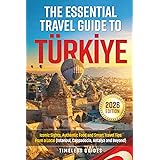
The Essential Travel Guide to Turkiye: Iconic Sights, Authentic Food and Smart Travel Tips From A Local (Istanbul, Cappadocia, Antalya and Beyond)
$17.99 (as of 14/08/2026 01:53 GMT +03:00 - More infoProduct prices and availability are accurate as of the date/time indicated and are subject to change. Any price and availability information displayed on [relevant Amazon Site(s), as applicable] at the time of purchase will apply to the purchase of this product.)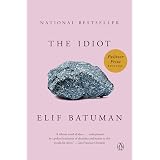
The Idiot: A Novel
$9.47 (as of 14/08/2026 01:53 GMT +03:00 - More infoProduct prices and availability are accurate as of the date/time indicated and are subject to change. Any price and availability information displayed on [relevant Amazon Site(s), as applicable] at the time of purchase will apply to the purchase of this product.)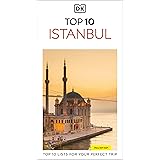
DK Top 10 Istanbul: Top 10 lists for your perfect trip, plus an all-weather folded map (Pocket Travel Guide)
$7.31 (as of 14/08/2026 01:53 GMT +03:00 - More infoProduct prices and availability are accurate as of the date/time indicated and are subject to change. Any price and availability information displayed on [relevant Amazon Site(s), as applicable] at the time of purchase will apply to the purchase of this product.)
Strolling Through Istanbul: The Classic Guide to the City
$19.99 (as of 14/08/2026 01:53 GMT +03:00 - More infoProduct prices and availability are accurate as of the date/time indicated and are subject to change. Any price and availability information displayed on [relevant Amazon Site(s), as applicable] at the time of purchase will apply to the purchase of this product.)
The Christian Traveler's Guide to the Holy Land
$18.63 (as of 14/08/2026 01:53 GMT +03:00 - More infoProduct prices and availability are accurate as of the date/time indicated and are subject to change. Any price and availability information displayed on [relevant Amazon Site(s), as applicable] at the time of purchase will apply to the purchase of this product.)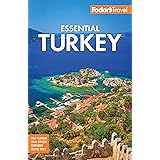
Fodor's Essential Turkey (Full-color Travel Guide)
$17.02 (as of 14/08/2026 01:53 GMT +03:00 - More infoProduct prices and availability are accurate as of the date/time indicated and are subject to change. Any price and availability information displayed on [relevant Amazon Site(s), as applicable] at the time of purchase will apply to the purchase of this product.)