Home Blog Page 256

Turkey on Carpets, Rugs and Carved Stone Monuments

Turkey in Mind


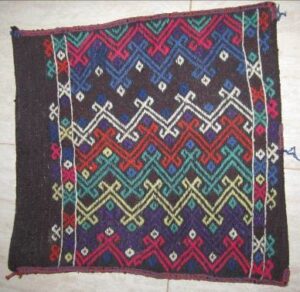
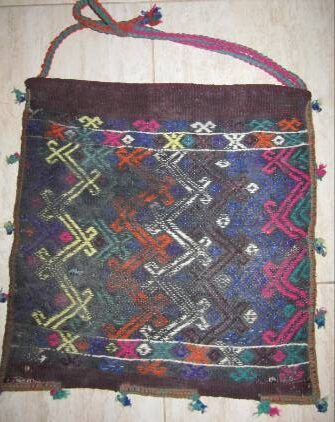
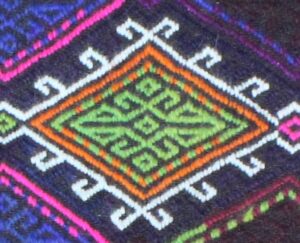
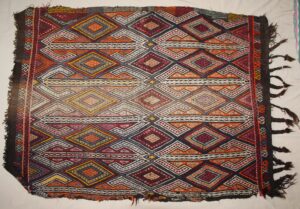
Weavings from Yenice Town Çanakkale, Turkey

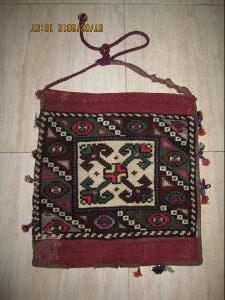
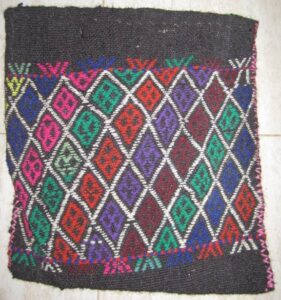
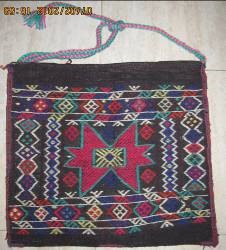
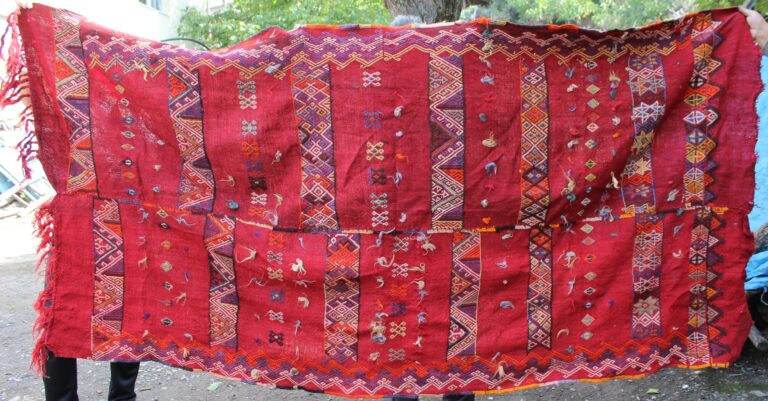
Carpet Bag, Weawing, Yenice Town, Çanakkale

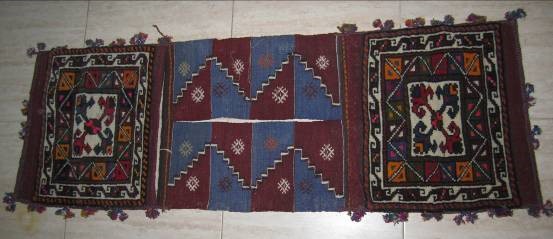
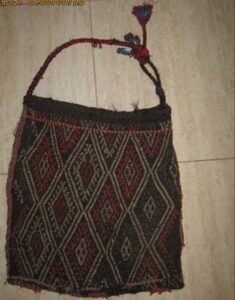
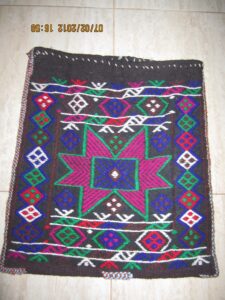
Carpet Saddlebag, Yenice town, Çanakkale

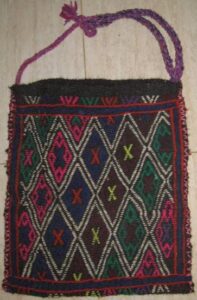
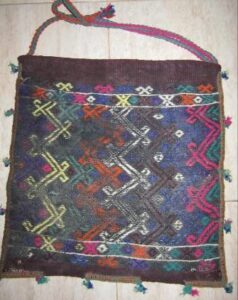
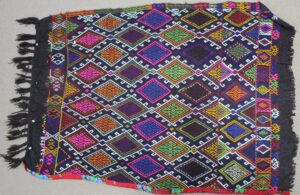
Rug (Zili) Bag, Yenice town, Çanakkale, 44×36

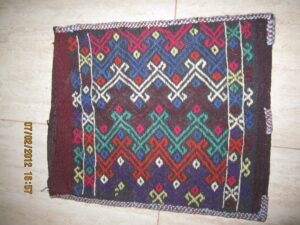
Rug (Zili) Bag, Yenice town, Çanakkale, 48×34

Rug (Zili) Bag, Yenice town, Çanakkale, Quality 42 x 36

Rug (Zili) Bag, Yenice town, Çanakkale 38 x 156

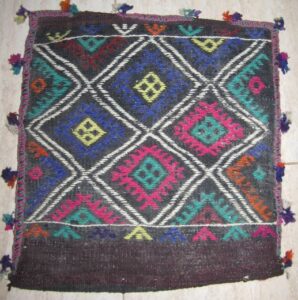
Rug (Zili) Bag, Yenice town Çanakkale

Rug (Zili) Bag, Yenice town, Çanakkale. 42×144

Rug (Zili) Bag, Yenice town, Çanakkale, 44 x 144

Rug (Zili) Bag, Yenice Town, Çanakkale, 42 warps x 152 wefts

Rug (Zili) Bag, Yenice town, Çanakkale

Rug (Zili) Bag, Yenice town, Çanakkale, 44 x 144


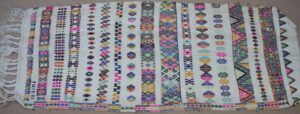
Name of the Fabric Rug (Zili) Bag
Where It Touches  Yenice Region
quality 44 x 144
size 44x44cm
Material Used  Double layer wool warp, single layer wool weft
Weaving Technique  Plain Weave, bell
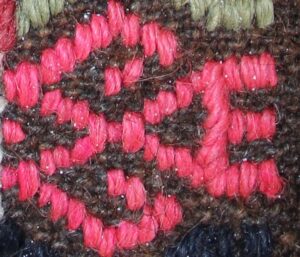
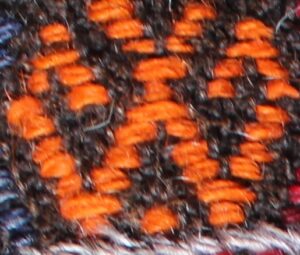
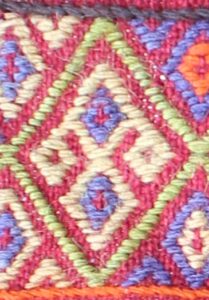
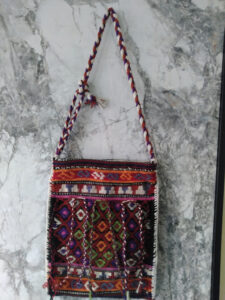
Composition The Elibelinde motif is placed in bands with the transverse bell weaving technique. A band is formed at the beginning and end of the weaving, and the interior is decorated by taking a section from the motifs of the weaving. The back of the fabric is woven into bands with colored threads. In order to become a woven bag, it is folded and joined at the edges and the edges are knitted with colored pattern threads. It is tied to the mouth of the bag by knitting a tie from the pattern threads. It is tied to the edges by making tassels from pattern threads.
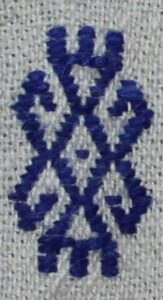
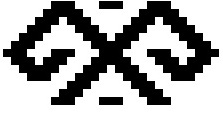
motifs man, hand on waist
warp Double wool warp
Scarf Single layer wool scarf
Colors Used  Red, white, green, blue, purple, pink, yellow, brown, black


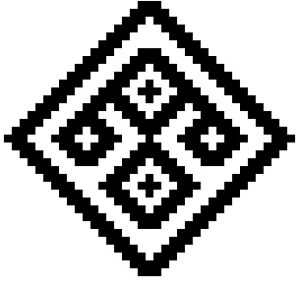
Man, hand on waist motif : This motif is the symbol of femininity and fertility. It also symbolizes abundance, fertility, luck, fortune and happiness. It was widely used in weavings in Anatolia. Many mountains in Anatolia have been given the names of various mother goddesses. The mountain known as Mount Ida in mythology was named Mount Ida. Mount Ida in mythology is the place where the Sarıkız Legend, which tells about an innocent and pure love, takes place. Ida or Kaz Mountain is the mountain where Paris, the son of the Trojan King, was a shepherd, the Trojan Wars took place after the Spartan King kidnapped his wife Helena, and Paris was killed after the destruction of Troy.


by Coşkun Yanar


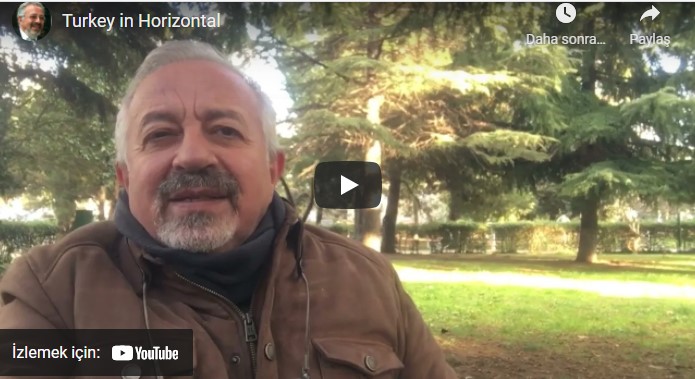
Turkey in Horizontal


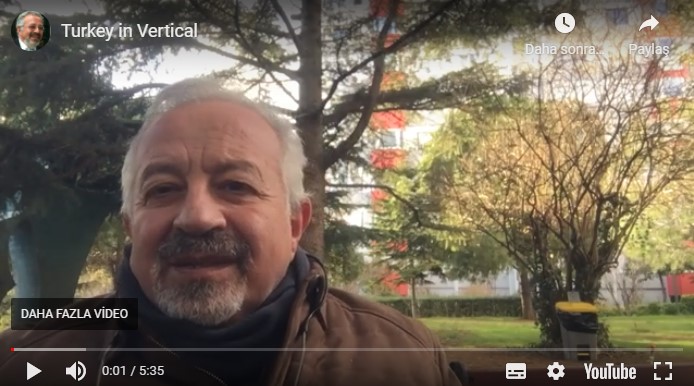
Turkey in Vertical

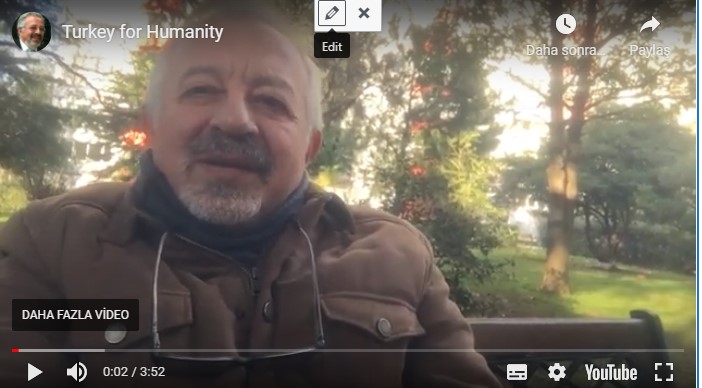
Turkey for Humanity

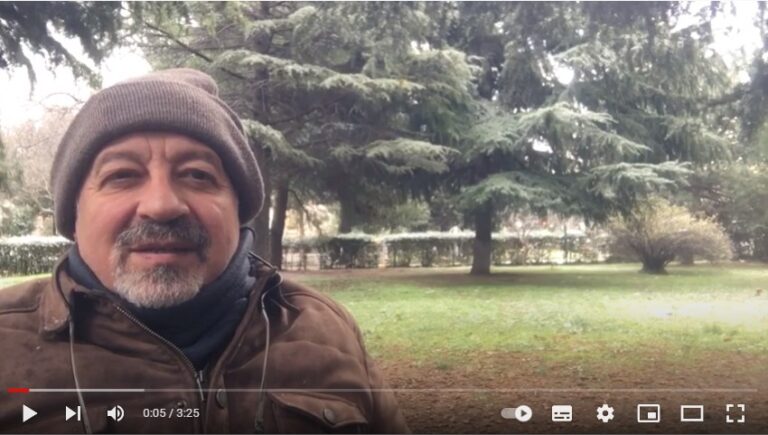
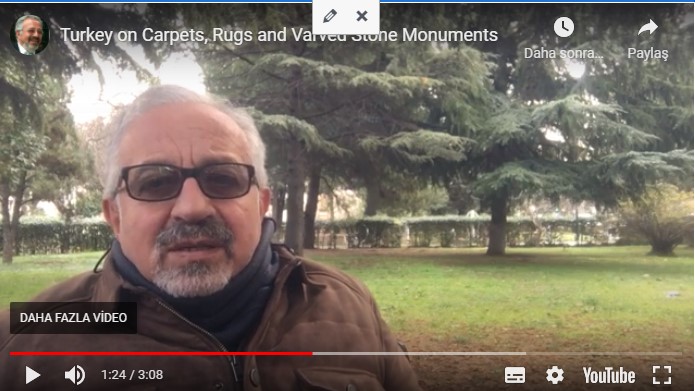
hi my friends uh
it’s monday today it’s a cold
mid-january in
2022
in istanbul turkey and we will talk on
on turkey
it’s it’s
it’s too interesting
for the world that
the geography of turkey its peninsula
is a history of
up to
neolithic taste to today from
from neolithic taste to today is
with gobekli tepe and karantape it’s
over
12 000 years
so it’s
it’s in the
fertile crescent region
it’s in mesopotamia
so it’s a
heritage for the humanity
so turkey is an open museum
for the
livings
and cultures of the
all
humanitarian
species
in turkey so
turks
have a big advantage
to share
these 12 000
years accumulation
with with themselves they they leave
this heritage in their
actions
in their thinkings
uh
it’s a great advantage
so
finally there are the archaeological
excavations at uh
current in turkey
so it is clarified that
this is a great heritage so the turks
came to anatolia in
year year
2071
and then they were in
europe in 400s in in
africa in in 800 years
finally lately there they arrived at
anatolia from
from
a deeper asia they were in iran as well
with earlier dates
so
they also brought
their
their
previous
achievements cultural achievements to
to turkey
land
so
we see it’s a very peculiar
geography chunky geography can say that
it’s
it’s for the
key for the humanity turkey is key for
the humanity
so we can understand all the
movements of the people that who moved
from africa
at the uh origin uh so they moved
through turkey also
to asia and europe as well because
it’s
the chunky geography is a
continental
accumulation point of europe africa and
asia istanbul city
is
in two continents
europe and asia
so
we should concentrate on on
humanitarian
location of turkey in in the global
history
so it’s a good day all my friends have a
good day all
bye for now

Common Motifs in Turkish Weaving from Altaylar, Central Asia to Samsun, Turkey

FROM ALTAYLAR TO SAMSUN COMMON MOTIVES IN TURKISH WEAVINGS Elibelinde-Cot Horn-Card- Lighter / Hook (Shepherd’s Marrow, Flag) Lect. See. Coskun YANAR*

Turks made their weavings in aesthetic sensitivity by combining aesthetic expression with function. (Tural 1997). They reflected the aesthetic expression with the yanış (embroidery, motifs, decorations, etc.) in their weaving. The yanış, composition and aesthetic criteria that have been going on for centuries have been shaped in line with the beliefs of the society and have been the communication tool of aesthetic expression in the decorations in the Turkish ornament and weaving arts without much change. (Karamağaralı 1997) At the same time, the burns in Turkish weaving are important elements that reflect the culture of the society.

The burns in Turkish weavings contain symbolic expressions. Symbolic expression is not the transfer of the effects taken from any entity, the information about the entity as it is, but the transfer of it with symbols, signs and images that will remind it. Symbol is defined as the use of intermediaries to announce, think, or imagine an entity or its effect, reminding it by replacing the main item, expressing the main item by evoking it, communicating with signs and images. (Tural 1998; Ateş 1996).

The elements that make up the decoration in Anatolian weavings are given names such as yanış, yangış, yaneş embroidery, nanış, embroidery, example, decoration, model, motif (Deniz 1998; Görgünay 2002). In our study, we will try to use the wrong name from these nomenclature.

In Turkish arts, flames are brought together in different orders and techniques to form patterns and compositions. The lights in the compositions reflect a certain emotion, a thought. In this respect, we can search for the semantic content and depth of meaning of Turkish weaving arts in the weavings and the meanings of the illusions. For this, it is necessary to know the meanings, implicit expressions and origins of burns well. In this context, the origin, implicit expressions, meanings and messages of the lies constitute important building blocks in Turkish societies. Yanış (yangış, yaneş embroidery, nanış, embroidery, example, decoration, model, motif) in works that show the unity of society, unity togetherness, self-recognition. It sheds light on the fashion in history. It shows respect to history to those who want to learn.It shows how rich we are the heirs of a culture to those who can read…

Certain value concepts of nomadic and settled societies developed within the framework of “sacredness, fertility and abundance”. It is seen that these concepts have also developed in the form of “holiness, warlikeness and abundance” in Turks. Protecting human existence due to wars, preserving animal existence due to geographical conditions, reproduction of society, abundance of human and animal numbers and fertility have been the most basic goals of society. (Fire 1996). Some of the yanış in weaving are among the symbolic fictions developed in this context. Burns are symbolized by the continuation of the generation, the reproduction of animals and plants, birth and reproduction, abundance and fertility. These symbolic shapes appear as incantations (embroidery, motifs) from the past to the present.The common mistakes in the weaving of Turkish communities who lived in different places and times and the similarities in these yanış show the unity of culture and style in Turkish arts from the past to the present.

Elibelinde: It is a fire that symbolizes femininity, maternity, fertility, reproduction, good luck, fertility, fortune, happiness and joy. (Erbek 2002). They are symbols of women’s fertility, pregnancy, birth and postpartum phenomena in various forms. (Fire 1996). There are different forms and interpretations of this yanış for girls and for married women. In the meanings of elibelinde yanış, girl yanış, newly married girl, bride, married woman yanış (Durul 1987) in the weavings of different regions of Anatolia, elibelinde yanış was created with small details without changing the main form of the yanış. The meanings and interpretations of these created combustions have been named without changing their essence. (Photo 1,2,3,4,5,6,7, drawing 1,2,3,4,5).

Coach horn: It has been widely used in weaving arts as a symbol of fertility, productivity, heroism, power, strength, masculinity, happiness, health and happiness (Ateş 1996; Erbek 2002; Tanrısal 1997). It is known as coach horn yanış, coach horn embroidery, coach in the region. There are similarities between the yanış of ram horns in local weavings and the yanış of ram horns in other regions of Anatolia. (Photo 8.9, drawing 6).

Chest: It contains meanings such as expectation of marriage, marriage, dowry, dowry chest, child wish, birth, reproduction, continuity of generation. In some societies, it has also been used as a symbol of death in these meanings. (Ateş 1996; Erbek 2002) It is called “chest yanış/embroidery, comb yanış/embroidery” in the region. The chest burn seen in the weavings in the region is in the form of a square and forms an outward protrusion in the form of comb teeth on the lower and upper edges. This yanış was mostly used in plain weavings.

There are different compositions of chest yanış in the weavings of the region. In some weavings, as the main yanış of the weaving, it has created the decoration on the entire surface of the weaving. (Photo 10.11). In some weavings, it is used as intermediate yanış, in belts or interspersed in between. A rich composition is created by weaving the yanks in different colors on the weaving surface. (Drawing 7).

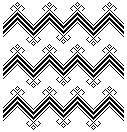
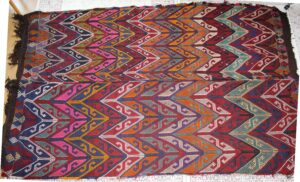
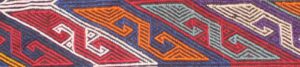
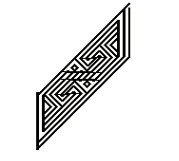
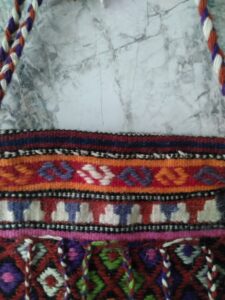
Hook/lighter/shepherd’s marrow/geydirme (keydirme): It was used in weaving and other handicrafts in almost all regions of Anatolia. It is also used as the stamp of Sarıkeçili Turkmens in Niğde Region. (Kırzioglu 2001). In addition to its meanings related to protection, it also symbolizes opposite and different concepts such as feminine masculine, male and female, wind and water. (Erbek 2002). This yanış is known as shepherd’s marrow yanış, shepherd’s marrow embroidery and lighter yanış, lighter embroidery in Vezirköprü region. It is generally used as intermediate yanış in weaving. Yanış known as geydirme and keydirme in the region was formed from hook/lighter/yanış. The same fire is known as the flag yanış (Kurt 2021) in the Yörükler village of Samsun Ondokuz Mayıs district.It was used as the main yanış in weavings known as Geydirme (keydirme). (Photo 12,13,14,15 drawing 8.9).

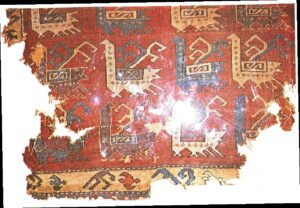
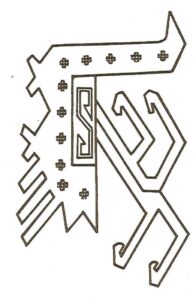
Lighter/hook/shepherd’s marrow yanış is very similar to the “S” yanış in the Pazirik horse cover (Tekçe 1993) (Drawing 10), and the animal figure in the 15th century Konya animal carpet (Aslanapa 1987) with the filling yanış in (Drawing 11). However, the similarities with the yanış of lighters in different weaving and handicrafts in different regions in Anatolia (Kırzıoğlu 2001) draw attention. (Photo 16) The yanış we compared and the lighter/hook/shepherd’s marrow yanış in the region are important in terms of showing their origins and used in Turkish art from past to present.

References

Aslanapa, O. 1987, Thousand Years of Turkish Carpet Art, Eren Publishing and Kitapçılık Ltd. Sti., Istanbul. Fire, M. 1996, Mythologies, Symbols and Carpets, Net Turistik Publications, Istanbul. Deniz, B. 1998, Ayvacık (Çanakkale) Region Plain Weaving Sheets (Kili-Cicim-Zili), Ankara. Görgünay, N. 2002, Oguz Stamps and Traces of Göktürk Letters in Our Handicrafts, Ministry of Culture Publications, Ankara. Erbek, M. 2002. Anatolian Motifs from Çatalhöyük to the Present, Ministry of Culture Publications, Ankara. Karamağaralı, B. 1997, “On the Interpretation of Motifs in Turkish Carpet Art”, Arış, 3, 28-39. Kırzıoğlu, NG 2001, Common Mistakes in the Turkish World from the Altays to the Danube, Ministry of Culture Publications, Ankara. Kurt, H. 2021, The Last Nomads of the Black Sea, Samsun Yoruks, Ayata Book, Ankara. Godly, M. 1997.“The Language of Turkish and Navaho Carpets”, Arış, 1, 94-107. Tekçe, EF 1993, The Story of a Carpet from Pazirik Altay, Ministry of Culture Publications, Ankara. Tural S. 1997, “Aesthetic Sensitivity in Weaving”, Arış, 1, 4-9. Tural, S. 1998, “A Special Indicator of Carpet’s Function”, Arış, 4, 8-21. Durul, Y. 1987, Turkish Rug Motifs, Turkish Culture Research Institute Publications, Ankara. *Lecturer, Ondokuz Mayıs University, Samsun Vocational School, Samsun/Turkey.Samsun Vocational School, Samsun/Turkey.Samsun Vocational School, Samsun/Turkey.

E-mail:[email protected]  ORCCID ID: 0000-0002-4989-1858 **

“This study was supported by Ondokuz Mayıs University with project number PYO.ILH.1904.20.002” A

Photograph 1: Scalloped/Boxed Palas. Bed duvet cover. (Annual cover). The decoration was created by using different burns in weaving. Özyörük/Vezirköprü/Samsun.
Photo 2: Detail of Yanış Elibelinde

Drawing 1: Elibelinde Yanış

Photograph 3: With Prayer/Prayer. In weaving, a floor decoration was created with the yanış of the elibelinde. A footrest was created with a different elibelinde burn. Özyörük/Vezirköprü/Samsun


Photo 4: Elibelinde Yanış Detail Drawing 2: Elibelinde Yanış

Drawing 2: Yanış Elibelinde

Photograph 5: Yanış Elibelde Detail Drawing 3: Yanış Elibelin Drawing 4: Yanış Elibelin


Drawing 3: Elibelinde Yanış

Photo 6: Detail of Yanış Elibelinde

Illustration 4: Yanış Elibelinde

Photograph.7: Detail of Yanış Elibelinde

Illustration 5: Elibelinde Yanış

Photo 8: prayer rug with ram horns, prayer/with prayer. Ground decoration was created with ram horn burns in weaving. A footrest was created with a different elibelinde burn. Özyörük/Vezirköprü/ Samsun.


Photograph. 9: Ram Horn Detail


Illustration 6: Ram’s Horn Yanış Detail

Photo 10: Palisade with chest burner. In weaving, floor decoration was created with chest / comb burns. Özyörük/Vezirköprü/Samsun.

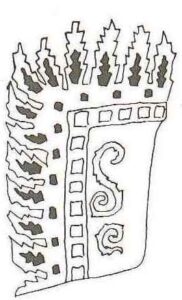
Illustration 10: Horse cover on the Pazirik carpet, (Tekçe 1993, 142)

Photograph 11: Crate Yanış Detail Drawing 7: Crate/comb Yanış Drawing 6: Coach Horn Yanış Detail

Illustration 7: Crate/comb Yanış

Photo 12: Lighter/hook/shepherd’s marrow gait (keydirme)/palas weaving with flag flares. Özyörük / Vezirköprü / Samsun.


Photo 13: Lighter/ hook/shepherd’s marrow crossing (keyring)/flag yanış detail Illustration 8: Lighter/ hook/shepherd’s marrow crossing/flag yanış


Illustration 8: Lighter/ hook/shepherd’s marrow trim/flag burn


Photo 14: Bag with a lighter/ hook/shepherd’s marrow burner. C.Yanar private collection

Photo 15: Lighter/hook/shepherd’s buttonhole Detail


Photograph 16: Rooster figured carpet, 15th century. (Aslanapa 1987, 56). Drawing 11: Figure drawing from Konya animal carpet, 15th century. (Aslanapa 1987 46)
 

Drawing 11: Figure drawing from Konya animal carpet, 15th century. (Aslanapa 1987 46)
Why Fatih is the historical center of Istanbul?

© Copyright photo by Levent Ağaoğlu

I was born in Fatih district of Istanbul that is the core of İstanbul and Fatih is the historical peninsula surrounded by castles totally from the Golden Horn and Marmara Sea around. All the famous districts are scattered in Fatih. The feelings you have in the Fatih area is very unique and special and if you’re in the area you feel that it is the center of the world, not only with the center of the world because the empires Roman empire after Constantin set up in 395 and Turkish Ottoman Empire in 1453 was all controlled from Fatih district of Istanbul.

It may have been much better to have a faunus covered on the sky of İstanbul to protect all the historical buildings of Fatih area where I was born is just near to the Fatih Mosque. In Turkish language there’s a saying and thought that while Fatih is a symbol for the earlier historical traditions, Harbiye earlier represents modernity.

In 1974 I bought a Russian Zorki camera for black-and-white photographs and started first from Fatih and then proceeded to Western historical antique locations in the Aegean region, because of my involvement with the touristic guide course. I started from the roads and streets of Fatih, the old town, 45 years ago and got the photos of ordinary people, elderly, youngsters, children and the historical buildings and the wooden buildings in that part of the city.

We may call Fatih as a city in the real sense. The oldest company in Turkey is Çemberlitaş Hamami in 1584. Fatih prouds with biggest church in the world. Saint Sophia is in Fatih. I lived all my childhood in Fatih. Living in Fatih area, your mentality is shaped with Fatih with the conqueror, over there your mentality is always with the people looking for the justice for the people and always to lead with the people, you cannot be alone and with the understanding you have developed in Fatih area is breathed in the air. His spirit makes a difference with the leadership in that area.

Constantinople started the New Rome in that area and the conqueror Fatih also started the new era in 15th century in that area. So here is the center of the world with one of the very first univesities in the world as well. also in Fatih the University as well.

These are straight black and white photographies and meaningful to show us the past of the historical Peninsula.

Maybe the individuals on the photographs, the elderly ones, may not be living now, so we can analyze the conditions of the time just after the war happened in Cyprus and Turkey started to be entering into street movements with guns which lead to the country to military coup in 12 September 1980. The photographs also reflect the property in the streets of İstanbul at the time though the buildings are very old and rich in history, the people are not that much. Here is the most conservative part of the İstanbul.

Following taking photographs of Fatih and downtown İstanbul, I moved to Western Turkey passing through Dardanel Straight snd visiting antique cities like Troy, Pergamon, Smyrna, Priene, Ephesus, Didyma, which are older than Istanbul city, so taking the photos of these archaeological theaters and worship buildings.

Turkey is unique in the world with its richness of antiquity and cultures. Truva is the area where a great war happened between Greek invaders and Anatolians written in legend. Western Turkey is geography of first philosophers in the world before 500 BC where the famous philosophers have lived in this area, so we can say Turkey geography is the homeland of philosophers starting with the Miletos philosophers.

https://theculturetrip.com/europe/turkey/articles/10-things-to-do-in-fatih/

Roman and Ottoman Turkish armies started their military advancement journies all from Fatih District. Mesa Avenue of Roman Empire and Topkapi Palace of Ottoman Empire well all effective in these advancements.

Istanbul was symboled by royal signature of Fatih as with the mission of “Always”.

Street Vendors and chidren, teenagers are the common instances of Fatih streets.


Muzaffer Maden August 1975 Kumburgaz.

© Copyright photo by Levent Ağaoğlu

My aunt Nihal’s handsome son, my late Muzaffer brother. He died on August 31, 1977, in a traffic accident in Sancaktepe, Samandira, while he was in the military, 2 years after this photo was taken. “In this world, I burn for an object. It’s like the sky reaps the harvest for those who died while they were valiant.” Yunus Emre. Muzaffer Maden August 1975 Kumburgaz.
Nihal teyzemin yakışıklı oğlu rahmetli Muzaffer ağabeyim. Bu fotoğraf çekildikten 2 yıl sonra askerde iken Sancaktepe, Samandıra’da trafik kazasında 31 Ağustos 1977’de hayatını kaybetti. Ağustos 1975 Kumburgaz. “Bu dünyada bir nesneye yanar içim göynür özüm. Yiğit iken ölenlere gök ekini biçmiş gibi.” Yunus Emre. Muzaffer Maden Ağustos 1975