Home Blog Page 175

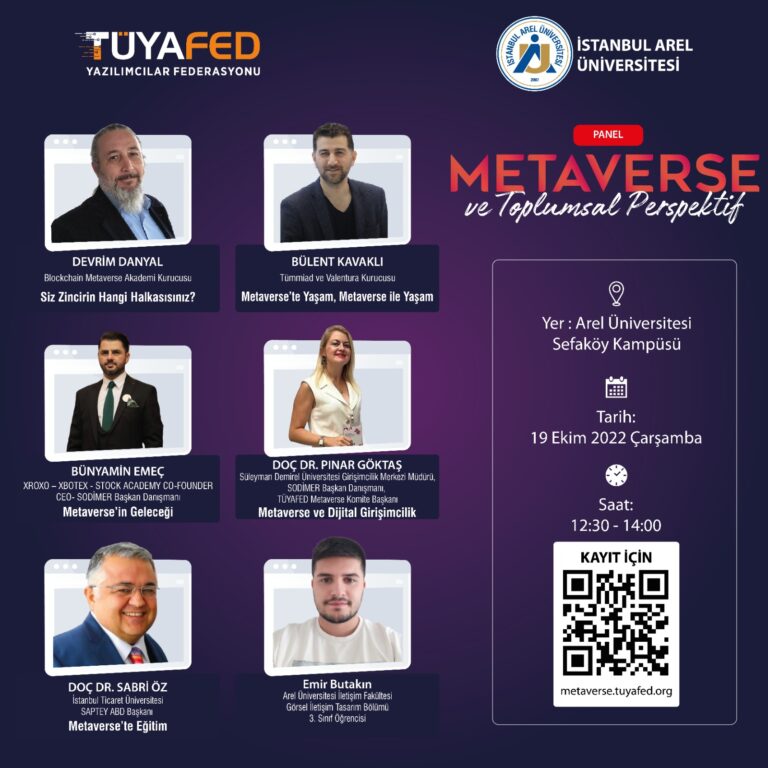
TÜYAFED Metaverse Çalıştay ve Konferansı

Hoşgörü ve Türkler

Düşünsel Olgunluk: Cumhuriyetinin yüzüncü yılı, Türk toplum tarihinin yalnız biçimsel değil, düşünsel ve siyasal yönden de en olgun dönemi olarak kutlanmalıdır. Bilgece bir hoşgörü ve bağışlama felsefesine sahip olan Türk halkına yüzüncü yıl mutluluğu, onun yazar, düşünür ya da toplumcu siyaset adamlarına, özgürlüğün kapıları ardına kadar açılarak sunulabilir. (Ali Gevgilili, Düşüncelere Kapıları Açan Döneme Doğru, Milliyet Gazetesi, Sayfa 7, 18 Temmuz 1973)

Balkan Aklı: Balkanlar, Osmanlı’nın akıl merkeziydi. Osmanlı, “Balkan Aklı”yla büyüdü, Balkanlar’ı kaybedince de küçüldü. Osmanlı’nın adaleti ve hoşgörüsü, Balkanların, silah kullanılmasına gerek kalmadan fethini sağlamış, silah sadece zorbalık edenlere karşı kullanılmıştı. Osmanlı, aklını, silahsız elde ettiği Balkanlar’ı silahla elinde tutmaya kalkışınca perişan etti. Aklını kaybeden Osmanlı, imparatorluğunu kaybetti. “Balkan Aklı”, İsa’dan Önce 9. Asır’a dayanır, Edirne bu aklın merkezidir. (Ömer Özkaya)

Türkler: Yazar Alev Alatlı, Türkiye’nin tam bağımsız bir ülke olabilmesi için kutuplaşma klişesini bir kenara bırakıp helalleşme yoluna gitmesi gerektiğini kaydetti. Bunun bugünden yarına olmayacağını, uzunca bir süreç gerektirdiğini belirten Alatlı, “Türkler iyi niyetli, hoşgörülü insanlardır. Kin tutmaz, adalet yerini bulduğu sürece can düşmanını bile affeder. Kimin sözüdür, şimdi unuttum… ‘Birkaç büyük adam yetiştirin, gerisi gelir’ derler.” diye konuştu. (Alev Alatlı)

Çoğulcu Demokrasi, çok boyutlu düzene hoşgörü ile başlar: Yasaklamaları hiç bir biçimde yararlı ve tutarlı bulmuyorum. Her şeyden önce, bütün bu yasaklamaları önleyen bir Anayasa’mız vardır ve Anayasal özgürlükler öylesine geniştir ki, bu yasaklamaların hiçbiri Anayasa’mızın kapsamı içine girmez.

Toplum yapımıza ve devlet biçimimize “demokrasi”, hem de “çoğulcu” demokrasi diyoruz. Buradaki “çoğulcu” sözcüğü, içinde birçok görüş ve düşüncelerin bulunduğu, birbirine uymayan birçok görüş ve düşünceleri kapsayan bir toplum biçimini anlatmaktadır. Yasaklamalar, “çoğulcu demokrasi” düzeniyle de hiç bir biçimde tutarlı değildir. Birbirini tutmayan birçok düşüncelerin bulunduğu bir toplum içinde yapılacak şey, bu düşüncelerin hepsine karşı “hoşgörülü” davranmak, “tolerans” göstermektir.

Zaten, “tolerans” sözcüğünün Lâtince kökünde “katlanmak” anlamı vardır. Anayasa’mız da, bu farklı düşünce ve görüşlere katlanmayı buyuruyor. Toplumumuzun yönetim biçimi olduğunu öne sürdüğümüz “çoğulcu demokrasi” düzeni de, böyle yapmayı gerektirmektedir.

Kur’ân-ı Kerim ve İslâmlık: Kur’ân-ı Kerim ve İslâmlık, öteki iki büyük din olan Yahudilik ve Hıristiyanlığın, Tevrat ve İncil’in karşıtı olduğu halde, karşıt fikirlere karşı hoşgörünün, kitaba karşı saygının en büyük örneklerini vermiştir. Şöyle ki:

* Bakara suresi 4. âyet: “Ey Muhammed, onlar sana indirilen kitaba da, senden önce indirilenlere de inanırlar.”

* Bakara suresi 41. âyet: “Elimizde bulunan Tevrat’ı teyid ederek, doğrulayarak indirdiğim Kur’ân-a inanın.”
* Bakara suresi 53. âyet: “Doğru yola gidesiniz diye, Musa’ya, hakkı batıldan ayıran kitabı vermiştik.”

* Bakara suresi 87. âyet: “Andolsun ki, Musa’ya kitap verdik, ondan sonra ard arda peygamberler gönderdik, Meryem oğlu İsa’ya belgeler verdik.”

* Al’i İmrân suresi 3. ve 4. âyet: “Kendisinden önceki kitapları teyid eden Hak, kitabı sana indirdi. Önceden insanlara yol gösterici olarak Tevrat ve İncil’i de indirmişti.”

* Maide suresi 48. âyet: “Ey Muhammed, Kur’ân’ı, önce gelen kitabı tasdiken ve ona şahit olarak gerçekte sana indirdik.”

* Maide suresi 66. ayet: “Eğer onlar Tevrat’ı, İncil’i ve Rablerinden kendilerine indirilen Kur’ân’ı gereğince uygulasalardı, her yönden nimete ermiş olurlardı.”

* Maide suresi 68. âyet: “Ey kitap ehli, Tevrat’ı, İncil’i ve Rabbinizden size indirileni gereğince uygulamadıkça, bir temeliniz olamaz.”

Bu örnekler, bir kitap saygısını da göstermektedir.

Sonuç olarak, yasaklamalar dünyanın gidişine, içine girmek zorunda olduğumuz uygarlık stiline aykırıdır. Çağdaş dünyayı, toplumu ve uygarlığı benimsemek ancak cesaret ve hoşgörüyle, katlanmakla olur.”

Bilim, sanat ve düşünceye saygılı Türkiye‘nin yeni sosyal ortamı, hoşgörü’ye dayalı bir yeni düşünce plâtformunu da bir gün elbet yaratacaktır. Yaratması, özgür varoluşunun da tek ve zorunlu koşulu…” (Metin Erksan)

Osmanlılar, Hoşgörü ve Macaristan: 500 seneye yakın bu topraklarda kavga yoktur. 500 seneye yakın bu topraklarda çeşitli insanlar vardır, çeşitli diller vardır, çeşitli dinler vardır, çeşitli medeniyetler vardır. Yalnız kavga yoktur. Dikkat edin bu çok önemli bir olay. Huzur vardır, barış vardır. Çünkü Osmanlı idaresi kendisine katılmış topraklardaki insanlara adaletle muamele ediyor, hoşgörüyle davranıyor ve güvenlik sağlıyor. Bundan alınacak dersler vardır. Yani hele bugünkü dünyada bundan alınacak çok ders vardır.

Burada size bir şey daha söylemek istiyorum. Hoşgörü dediğimiz olay. Biraz evvel izah ettim ki 167 yıl Macaristan’da kalmışız. 1526 Mohaç Meydan Muharebesi, 1566 Zigetvar Meydan Muharebesi 40 sene sonra. Padişah Kanuni Sultan Süleyman ikisinde de padişah ve 46 sene padişahlığı var. Zigetvar Kalesi’nin zabtedildiğini, yani kendi kumandanının eza, cefaya maruz kaldığını duyan padişah 71 yaşında, “Hazırlayın arabayı Zigetvar’a gidiyorum.” 3000 kilometre, 103 gün gidiyor. Kumandanının intikamını almaya, kalesini geri almaya gidiyor. Devlet bu işte, Devlet bu…! (Alkışlar) Evet, oraya gidiyor kaleyi teslim almaya iki saat kala ruhunu teslim ediyor ama kaleyi alıyorlar. İç organları oradadır, aynen Murad Hüdavendigar’ın iç organlarının Kosova’da olduğu gibi onunki de ordadır.

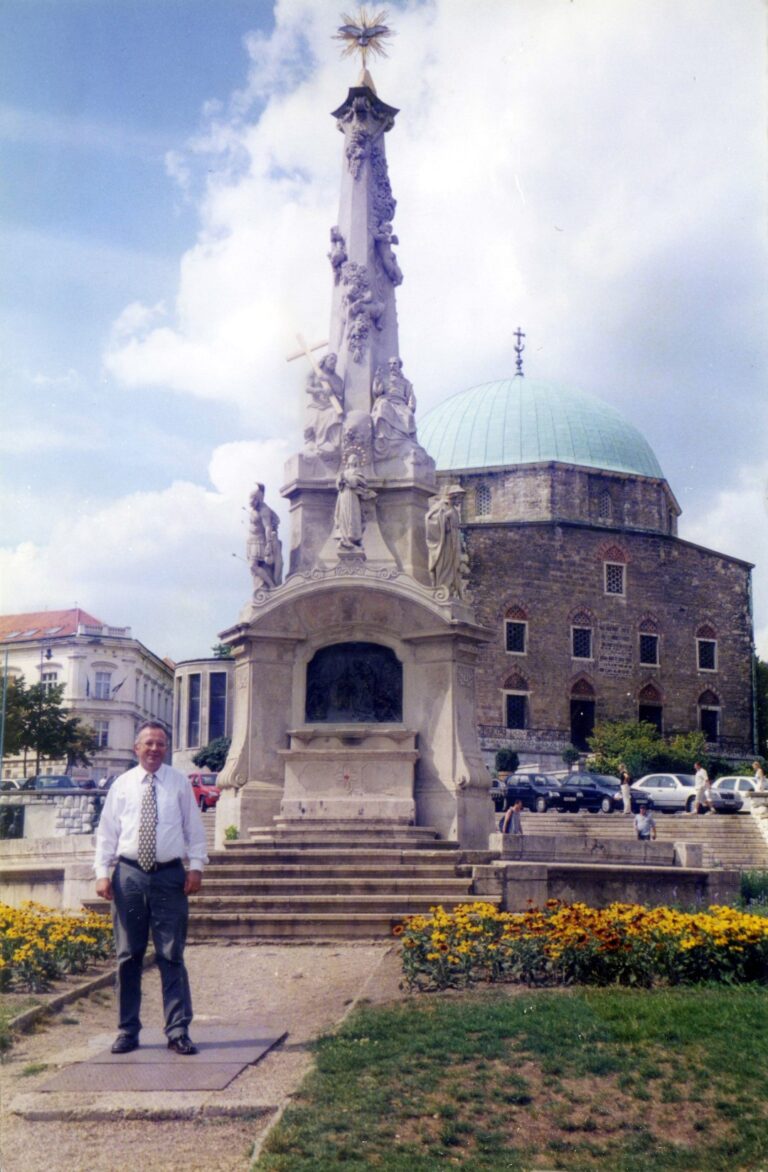
Aradan kaç sene geçiyor? 1566’dan bugüne 300 sene sonra 1998 senesinde biz orada Kanuni Sultan Süleyman’ın büstünü diktik. Olur mu böyle şey? Yani o toprakları 167 sene işgal ve idare etmiş yabancı bir kumandanın, yabancı bir hükümdarın büstünün dikilmesine razı oldu Macaristan. Niçin çünkü tarihten husumet çıkardığınız takdirde barış olmaz. Tarihten husumet çıkarmayacaksınız, tarihten ders çıkaracaksınız ders…! (Alkışlar) Olmuş kötü şeyleri unutalım mı? Hayır efendim unutmayın, onları içinizde tutun. Ama onlar yeni düşmanlıklara sebep olmasın. Macar hükümetinin Macar Parlamentosu’nun ve halkının âlicenaplığını övüyorum.

650. yıldönümünde, burada yapılmakta olan toplantılar, müzik şölenleri, bütün bu faaliyetlerin asıl amacı bana göre Balkanlar’da istikrara huzura, barışa sosyal ve ekonomik işbirliğine ve daha da önemlisi karşılıklı hoşgörüye katkıda bulunmak ve bu güzel mesajı Balkanlar’a yayabilmektir. Çok etnikli ve çok kültürlü Avrupa gerçeği içinde Balkanlar’ın gerçek yerini tayin etmek, uluslararası anlaşma ve şartlara uymak, bazı orta Avrupa ve Balkan ülkelerinden beklenmesi gereken bir davranıştır ve bugünkü uluslararası siyasî konjonktüre de uygundur. Bugün Avrupa’da Osmanlı’nın uzun yıllar örnek gösterilen hoşgörüsünü maalesef yer yer görememekteyiz.

Günümüzde soydaşlarımız ve Osmanlı’nın bize kültürel emaneti olan bazı akraba topluluklarımız, üyesi oldukları millî devletlerin uyumlu birer vatandaşları olmalarına ve ayrı birer hükümranlık talepleri hiçbir zaman bulunmamalarına rağmen, hak etmedikleri insan hakları ihlalleri ile karşılaştıkları görülmektedir. Bizi üzen bu ihlal ve kötü muamelelerin bazı Müslüman kardeşlerimiz tarafından da yapılmış olmasıdır. Türkiye ile iyi ilişkilerin geliştirilmesi, yüzyıllardır varolan Türk kimliğine, kültürel eserlerimize, kültür mirasımıza ve Türkçe’ye saygıdan geçer. Sayın cumhurbaşkanımızın ifade buyurdukları gibi biz oralarda misafir olarak bulunmadık ve bugün de oralarda misafir değiliz. (Süleyman Demirel)

Ebu’l-Hasan Harakanî

  • İslam Hoşgörüsü ve Bu Hoşgörünün İsmi Ebu’l-Hasan Harakanî
  • Ebu’l-Hasan El-Harakânî’nin Sevgi, Merhamet ve Hoşgörü Anlayışı

Melih Cevdet Anday 

  • Hoşgörü ve Softalık, Melih Cevdet Anday

Levend’name Şiirler

Gönlek dokurlar
Bir kendirden
İkkendinden
Bil ki gönlünden
Göne dokunan
Gönendiren
30 Mart 2019


Aşağıdaki link üzerinden Aktif Yayınları’ndan satın alabilirsiniz. https://www.aktifyayinlari.com/39-levend-name.html


Levent Ağaoğlu, fikir üreterek teşebbüse geçmeyi ilke edinmiş şiir sevdalısı bir şair-düşünür.

Düşünce eyleminin özündeki düş boyutunun olmazsa olmaz niteliğini önemsiyor; düşünce gücühayal gücü ile zenginleştirmeyi, çeşitlendirmeyi kendisine ilke edinmiş.

Levend'name Şiirler

Ayasofya ile Kutadgu Bilig‘in sözlük anlamlarındaki aynılıktan bir AğaSofya düşüncesi geliştirmeye gönül vermiş.

Fikir ile yatıp şiir ile kalkmayı şiar edinmiş..

Levend’nâme;

– Yol’larda…

– Yer’lerde…

– Yıl’larda…

– Yazı’larda…

– Yürek’lerde…

– Yitik’lerde…

– Yır’larda…

biriktirdiklerimizi şiirle buluşturuyor.

“Akdeniz’e bir kısrak başı gibi uzanan” Türkiye ve vahaların çevrelediği Türkistan‘ın oluşturduğu Büyük Akdeniz bütünlüğündeki Levend’âne şiirselliğin peşi sıra arayışlara giriyor.

Levend'name Şiirler
Kumkapı Çeşmesi akıyor kalbimden
Sevdalar geçiyor gönlümden
Geçtim âlemlerin bezminden
Gözlerimi dünyaya açtım
Bezmi Âlemden
22.09.2021


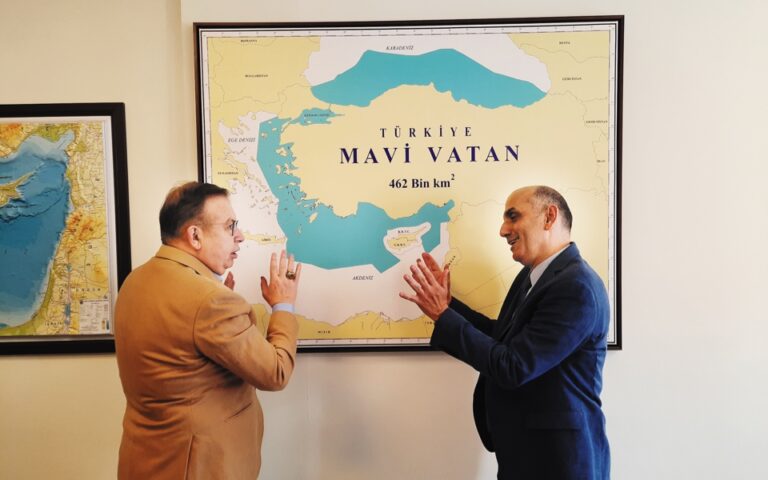
The Blue Homeland Doctrine by Turkish scholar Dr Cihat Yayci

Materializing the ‘Blue Homeland’ doctrine


The Blue Homeland Doctrine and the Eastern Mediterranean 

What is the meaning of Blue Homeland Concept and effects on Eastern Mediterranean Cooperation?

What are the Principles of the Yayci Doctrine (Turkish Maritime Territory Doctrine)


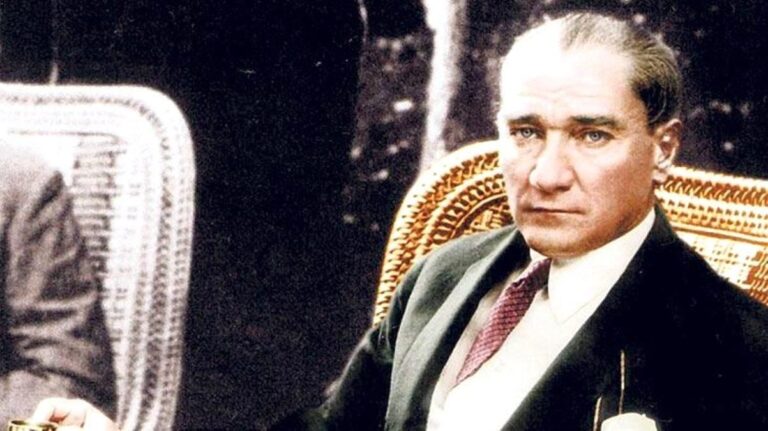
Atatürk’de Hoşgörü

Hoşgörü

Medeniyet demek, afiv ve hoşgörü demektir. İlkel budunlardır ki kan davası güderler. Afiv ve hoşgörüye dayanmayan uygarlık, zorbalığa dayanan uygarlıktır ki çöker. O, uygarlık değildir. Niteliğimiz iyi, güzel ve doğrudur. İyi ve güzelsiz doğru olmaz. Daima, her zaman, her yerde; iyi, güzel ve doğru beraber her yerde ve her zaman afiv. Afiv ve hoşgörü. Ancak ve ancak milli davalarda, milli kalkınmada, sonucu topluma etkili olan işlerimizde hoşgörünün yeri yoktur. Kişisel kinleri, kişisel düşmanlıkları körükleyen ve güdenler ancak ve ancak ilkel budunlardır. Atatürk ve Çevresindekiler, Kemal Arıburnu, Türkiye İş Bankası Kültür Yayınları, 1994

Muhtelif inanışlı kimseler, birbirlerine kin, nefret besliyorlarsa, birbirlerini hor görüyorlar ve hatta sadece birbirlerine acıyorlarsa, bu gibi kimselerde hoşgörü yoktur; bunlar bağnazdırlar. Hoşgörü o kimsede vardır ki, vatandaşının veya herhangi bir insanın vicdanî inanışlarına karşı, hiçbir kin duymaz; bilâkis hürmet eder. Hiç olmazsa, başkalarının, kendininkine uymayan inanışlarını bilmemezlikten, duymamazlıktan gelir. Hoşgörü budur. 1930 (Afet İnan, Medeni Bilgiler ve M.Kemal Atatürk’ün El Yazıları s. 509-512)

İyilik/Kötülük

Başkasına olan bir iyilik bize de iyiliktir; başkasına olan kötülük bize de kötülüktür. Bu sebeple iyiliği sevmek ve kötülükten kaçınmak lâzımdır. Yaptığımız işler, etrafımızda sevinçler veya acılar halinde akisler uyandırır; bu hal bize vicdan vazifeleri duyurur. Bağlılık, bizi başkaları için hoşgörülü yapar. Çünkü başkalarının kusurlarında bizim de istemeyerek ekseriya beraber suçlu olduğumuzu gösterir. Özetle, bağlılık, “herkes, kendi için” yerine “herkes, herkes için” düşüncesini koyar. Bu düşünce toplumsaldır, millîdir, geniş ve yüksek manasıyla insanîdir. 1930 (Afet İnan, Medeni Bilgiler ve M.Kemal Atatürk’ün El Yazıları, s. 73; 529-531)

Bağnazlık

Hoşgörü o kimsede vardır ki, vatandaşının veya herhangi bir insanın vicdanî inanışlarına karşı, hiçbir kin duymaz; bilâkis hürmet eder. Hiç olmazsa, başkalarının, kendininkine uymayan inanışlarını bilmemezlikten, duymamazlıktan gelir. Hoşgörü budur. Fakat hakikati söylemek lâzım gelirse diyebiliriz ki, hürriyeti hürriyet için sevenler, hoşgörü kelimesinin ne demek olduğunu anlayanlar, bütün dünyada pek azdır. Her yerde umumî olarak geçerli olan bağnazlıktır. 1930 (Afetinan, Medeni Bilgiler ve M.Kemal Atatürk’ün El Yazıları s. 509-512)
Görülen, hoşgörü değil, zaafın dermansız bıraktığı bağnazlıktır. 1930 (Afetinan, Medeni Bilgiler ve M.Kemal Atatürk’ün El Yazıları s. 509-512)

Nefret ve Kin

Muhtelif inanışlı kimseler, birbirlerine kin, nefret besliyorlarsa, birbirlerini hor görüyorlarsa ve hatta sadece birbirlerine acıyorlarsa, bu gibi kimselerde hoşgörü yoktur; bunlar bağnazdırlar. Hoşgörü o kimsede vardır ki, vatandaşının veya herhangi bir insanın vicdanî inanışlarına karşı, hiçbir kin duymaz; bilâkis hürmet eder.

Hiç olmazsa, başkalarının, kendininkine uymayan inanışlarını bilmemezlikten, duymamazlıktan gelir. Hoşgörü budur. Fakat hakikati söylemek lâzım gelirse diyebiliriz ki, hürriyeti hürriyet için sevenler, hoşgörü kelimesinin ne demek olduğunu anlayanlar, bütün dünyada pek azdır. Her yerde umumî olarak geçerli olan bağnazlıktır. Her yerde görülebilen barış manzarasının temeli, bağnazlık ile hür fikrin, birbirine karşı kin ve nefreti üstündedir.

Temelin devrilmemesi, kin ve nefret zeminindeki dengeyi tutan fazla kuvvet sayesindedir. Bu söylediklerimizden şu netice çıkar ki, aramızda, hürriyet engellerinin ortadan kalktığına, bizim gibi düşünen ve hissedenlerle birlikte yaşadığımıza hüküm vermek müşküldür. O halde görülen, hoşgörü değil, zaafın dermansız bıraktığı bağnazlıktır. Şüphesiz, fikirlerin, inançların başka başka olmasından, şikâyet etmemek lâzımdır. Çünkü bütün fikirler ve inançlar, bir noktada birleştiği takdirde, bu hareketsizlik belirtisidir, ölüm işaretidir. Böyle bir hal elbette arzu edilmez. Bunun içindir ki gerçek hürriyetçiler, hoşgörünün umumî bir haslet olmasını temenni ederler. 1930 (Afet İnan, Medeni Bilgiler ve M.Kemal Atatürk’ün El Yazıları s. 509-512)


Tolerance Wisdom by Atatürk

Tolerance

Civilization means affection and tolerance. They are primitive tribes who have blood feuds. A civilization based on violence and tolerance is a civilization that collapses. It is not civilization. Our quality is good, beautiful and true. It wouldn’t be right without good and beautiful. Always, anytime, anywhere; good, beautiful and true together everywhere and always afiv. Afiv and tolerance. However, tolerance has no place in national causes, in national development, in our works that have an impact on society. It is only primitive nations that fuel and drive personal grudges and personal enmities. (Atatürk ve Çevresindekiler, Kemal Arıburnu, Türkiye İş Bankası Kültür Yayınları, 1994)

If people of various faiths hold grudges and hatred towards each other, despise each other and even just feel sorry for each other, such people have no tolerance; they are bigots. Tolerance exists in a person who does not feel any grudge against the conscience of his citizens or any human being; indeed, he respects. At least, it comes from ignorance and ignorance of other people’s beliefs that do not fit with his own. That is tolerance. 1930 (Afet İnan, Civil Information and M.Kemal Atatürk’s Handwriting pp. 509-512)

Good/Evil

A favor to others is also a favor to us; Evil to others is evil to us. For this reason, it is necessary to love good and avoid evil. Our deeds resonate with us as joy or pain; This state announces to us the duties of conscience. Commitment makes us tolerant of others. Because it shows that we are often unintentionally guilty together in the faults of others. In summary, commitment replaces “everyone for himself” with “all for everyone”. This thought is social, national, human in a broad and high sense. 1930 (Afet İnan, Civil Information and M.Kemal Atatürk’s Handwritings, pp. 73; 529-531)

Bigotry

Tolerance exists in a person who does not feel any grudge against the conscience of his citizens or any human being; indeed, he respects. At least, it comes from ignorance and ignorance of other people’s beliefs that do not fit with his own. That is tolerance. But if we have to tell the truth, we can say that those who love freedom for freedom and understand what the word tolerance means are very few in the whole world. Bigotry is commonplace everywhere. 1930 (Afetinan, Civil Information and M.Kemal Atatürk’s Handwritings pp. 509-512)

What is seen is not tolerance, but bigotry left incurable by weakness. 1930 (Afetinan, Civil Information and M.Kemal Atatürk’s Handwritings pp. 509-512)

Hatred 

If people of various faiths hold grudges and hatred for each other, despise each other, or even just pity each other, such people have no tolerance; they are bigots. Tolerance exists in a person who does not feel any grudge against the conscience of his citizens or any human being; indeed, he respects. At least, it comes from ignorance and ignorance of other people’s beliefs that do not fit with his own. That is tolerance. But if we have to tell the truth, we can say that those who love freedom for freedom and understand what the word tolerance means are very few in the whole world.

Bigotry is commonplace everywhere. The basis of the peace landscape that can be seen everywhere is based on bigotry and free thought, hatred and grudge against each other. The fact that the foundation does not fall is due to the extra force that keeps the balance on the ground of hatred and grudge. From what we have said, it follows that it is difficult to conclude that the barriers to freedom have disappeared among us, and that we live together with those who think and feel like us. What is seen, then, is not tolerance, but bigotry left incurable by weakness. Undoubtedly, it is necessary not to complain about the different opinions and beliefs. Because when all ideas and beliefs converge, it is a sign of inactivity, a sign of death. Such a situation is, of course, undesirable. This is why true libertarians wish for tolerance to be a general trait. 1930 (Afet İnan, Civil Information and M.Kemal Atatürk’s Handwriting pp. 509-512)


International Day for Tolerance by UNESCO

Tolerance is the richness of the soul.
(Şeref Oğuz)


Intellectual Maturity

The centennial of the Republic should be celebrated as the most mature period in the history of Turkish society, not only formally, but also intellectually and politically. Centennial happiness can be presented to the Turkish people, who have a wise philosophy of tolerance and forgiveness, by opening the doors of freedom to its writers, thinkers or socialist politicians. Towards a Period That Opens Doors to Thoughts, Milliyet Newspaper, Page 7, 18 July 1973)

Balkan Mind

The Balkans was the mental center of the Ottoman Empire. The Ottoman Empire grew with the “Balkan Mind” and shrank when it lost the Balkans. The justice and tolerance of the Ottomans ensured the conquest of the Balkans without the use of weapons, and the weapon was used only against the tyrants. The Ottomans devastated their minds when they tried to hold the Balkans, which they had acquired without weapons, with weapons. Losing his mind, the Ottoman Empire lost its empire. The “Balkan Mind” dates back to the 9th century before Christ, Edirne is the center of this mind. (Ömer Özkaya)

Tolerant Turks

Writer Alev Alatlı noted that in order for Turkey to become a fully independent country, it must leave the polarization cliché aside and go for halal. Stating that this will not happen from today to tomorrow, and that it requires a long process, Alatlı said, “Turks are well-intentioned and tolerant people. He does not hold grudges and forgives even his mortal enemies as long as justice is served. Whose word it was, I forget now… They say, ‘Grow some great men and the rest will come’.” he said. (Alev Alatlı)

Tolerance and Democracy. Pluralist Democracy starts with tolerance to multi-dimensional order 

“I do not find the prohibitions useful and consistent at all. First of all, we have a Constitution that prevents all these prohibitions, and the constitutional freedoms are so wide that none of these prohibitions fall within the scope of our Constitution.
We call our social structure and state form “democracy”, but also “pluralist” democracy. The word “pluralist” here denotes a form of society in which there are many views and ideas, and which includes many incompatible views and ideas. Prohibitions are in no way consistent with the “pluralist democracy” order. In a society where there are many inconsistent ideas, the thing to do is to be “tolerant” towards all of these thoughts. After all, the word “tolerance” has a Latin root meaning “to endure”. Our Constitution also commands us to endure these different thoughts and opinions. The “pluralist democracy” order, which we claim to be the form of government of our society, requires doing the same. (Prof Macit Gökberk)

Quran

Although the Qur’an and Islam are the opposite of the other two great religions, Judaism and Christianity, the Torah and the Bible, they gave the greatest examples of tolerance towards opposing ideas and respect for the book. Namely:

  • Verse 4 of Surah Baqarah: “O Muhammad, they believe in the book that was revealed to you, and in what was revealed before you.”
  • The 41st verse of Surah Baqarah: “Believe in the Qur’an, which I have sent down by confirming and confirming the Torah we have.”
  • Verse 53 of Surah Baqarah: “We gave Moses the book that separates truth from falsehood, so that you may follow the right path.”
  • Verse 87 of Surah Baqarah: “We certainly gave Moses the book, and after him We sent prophets one after another, and we gave documents to Jesus, son of Mary.”
  • The 3rd and 4th verses of Surah Al’i Imran: “The Truth, who confirmed the previous books, has revealed the book to you. Previously, He had also revealed the Torah and the Gospel to guide people.”
  • Surah Maide, verse 48: “O Muhammad, we have indeed sent down the Qur’an to you, confirming the book that came before it and witnessing it.”
  • Surah Maida, verse 66: “If they had applied the Torah, the Gospel and the Qur’an, which was revealed to them from their Lord, they would have been blessed in every way.”
  • Surah Maide, verse 68: “O People of the Book, you will have no basis unless you apply the Torah, the Gospel and what has been revealed to you from your Lord,”
    These examples also show respect for a book.

New Thought Platform

As a result, prohibitions go against the way the world goes, the style of civilization we have to enter. Adopting the contemporary world, society and civilization can only be achieved with courage, tolerance and enduring. The new social environment of Turkey, which respects science, art and thought, will one day create a new thought platform based on tolerance. Its creation is the only and necessary condition for its free existence… (Ali Gevgilili)

Justice, Tolerance and Security

There are no fights in this land for nearly 500 years. There are various people, various languages, various religions, various civilizations on this land for nearly 500 years. There is no fight alone. Beware, this is a very important event. There is peace, there is peace. Because the Ottoman administration treats the people in the annexed lands with justice, treats them with tolerance and provides security. There are lessons to be learned from this. So there are many lessons to be learned from this, especially in today’s world. (Suleyman Demirel)

Magnificent Suleiman and tolerance by Hungary

I want to tell you one more thing here. It’s what we call tolerance. I just explained that we stayed in Hungary for 167 years. 1526 Battle of Mohacs, 1566 Battle of Zigetvar 40 years later. Sultan Suleiman the Magnificent, both of them are sultans and have been sultans for 46 years. Hearing that the Zigetvar Castle was captured, that is, that his commander was subjected to persecution and persecution, the sultan, 71 years old, said, “Prepare the car, I’m going to Zigetvar.” It goes 3000 kilometers, 103 days. He is going to avenge his commander, to take back his castle. This is the state, this is the state…! (Applause) Yes, he goes there, he surrenders his soul two hours before they take the castle, but they take the castle.

His internal organs are there, just as Murad Hüdavendigar’s internal organs are in Kosovo. How many years pass? In 1998, 300 years after 1566, we erected the bust of Suleiman the Magnificent there. Is there such a thing? In other words, Hungary consented to the bust of a foreign ruler, a foreign commander who had occupied and ruled those lands for 167 years. Why, because if you remove enmity from history, there will be no peace. You will not draw enmity from history, you will learn from history lesson…! (Applause) Shall we forget the bad things that have happened? No sir remember, keep them inside. But let them not cause new hostilities. I praise the generosity of the Hungarian government, the Hungarian Parliament and its people. (Suleyman Demirel)

Mutual Tolerance in the Balkans

In my opinion, the main purpose of the meetings, music festivals and all these activities being held here on the 650th anniversary is to contribute to stability, peace, social and economic cooperation, and more importantly, mutual tolerance in the Balkans, and to spread this beautiful message to the Balkans. Determining the real place of the Balkans in the reality of multi-ethnic and multi-cultural Europe, complying with international agreements and conditions is a behavior that should be expected from some central European and Balkan countries, and it is also suitable for today’s international political conjuncture. Today, unfortunately, we cannot see the tolerance of the Ottoman Empire, which has been shown as an example for many years, in Europe.

Today, it is seen that our kinsmen and some of our relatives, who are the cultural trusts of the Ottoman Empire, are faced with human rights violations that they do not deserve, even though they are harmonious citizens of the nation-states of which they are members and have never had a separate request for sovereignty. What upsets us is that these violations and ill-treatments were also committed by some of our Muslim brothers. The development of good relations with Turkey is based on respect for the centuries-old Turkish identity, our cultural artifacts, our cultural heritage and the Turkish language. As our esteemed President stated, we were not there as guests and we are not guests there today. (Suleyman Demirel)

Ebu’l-Hasan Harakani

  • Islamic Tolerance and the Name of This Tolerance Ebu’l-Hasan Harakani
  • Abu’l-Hasan Al-Harakani’s Understanding of Love, Compassion and Tolerance

Melih Cevdet Anday

  • Tolerance

Toleration

1510s, “permission granted by authority, licence,” from French tolération (15c.), from Latin tolerationem (nominative toleratio) “a bearing, supporting, enduring,” noun of action from past-participle stem of tolerare “to endure, sustain, support, suffer,” literally “to bear” (from PIE *tele- “to bear, carry;” see extol). (Online Ethymology)


Tolerance in Both Physical and Metaphysical Aspects.

METAPHYSICAL TOLERANCE

  • The word “tolerance” has a Latin root meaning “to endure”. Our Constitution also commands us to endure these different thoughts and opinions.
  • Tolerance in Physics with Powers and in Spirits.
  • The same philosophy.
  • Art makes you tolerant.
  • Tolerance exists in the universe.
  • Tolerant powers and spirits have endurance.
  • Inner Power
  • Richness of the Soul/Spirit.
  • Maturity
  • Elasticity
  • Creation and creativity is with differences
  • Movements on time and ground, facing different people and locations will make a person highly tolerant.
  • Justice
  • Forgiveness
  • Longevity
  • Longest Empires:
  • Romans 2000 years
  • Turkish Ottomans 600 years.
  • Freedom
  • Unity. Strength.
  • Toleration ensures togetherness.
  • Hinders breaking apart.

PHYSICAL TOLERANCE

  • Modern industry cannot exist today without spare parts making. In the absence of tolerant dimensioning, it is not possible to talk about making spare parts.

  • While it is absolutely necessary to pay attention to the rules of conformity in serial production, it is necessary to adhere to this in the construction of a single part or in machine or bench repairs, for parts to be made later. This is achieved by using tolerant dimensions and complying with them in the production of parts.


  • Why is tolerance needed? The importance of tolerance
  • In today’s modern industry, the construction technique can be defined as the mass production of a large number of interchangeable identical parts. The fact that the production of such interchangeable identical parts (spare parts) has become a necessity, has revealed the necessity of processing machine parts according to certain tolerances.
  • Thus, while a part is being machined, it is also called tolerance how much the size can be different to remain at the desired completeness level. So, what is tolerance? What is the shortest answer we can give to the question?
  • In short, the tolerance is the difference between the allowable upper dimension limit and the lower dimension limit.

Foreign Celebrities and Turks

SUBJECTS

IT

  • Steve Jobs
  • Elon Musk
  • Jack Ma
  • Bill Gates
  • Nicholas Negroponte

POLITICS

  • Boris Johnson
  • Sarkozy
  • Ahmedi Nejad

CINEMA

  • Marlon Brando
  • Elia Kazan
  • Daniel Craig / 007 James Bond Skyfall has a scene shot in Istanbul, Grand Bazaar
  • Adriana Lima / Metin Hara (author)
  • Zsa Zsa / married to Burhan Belge in the late 1930s, lives in Ankara. They met and danced with Atatürk

MUSIC

LITERATURE

  • Edmondo de Amicis
  • Pierre Loti
  • Irakli Kakabadze

HISTORY

  • Guigenes
  • Machiel Kiel

 TURKISH LANGUAGE

  • Andreas Tietze
  • Johan Vandewalle
  • David Cuthell

ATATÜRK

  • Arnold Ludwig
  • Andrew Mango
  • Klaus Kreiser
  • Paul Gentizon
  • Willy Sperco
  • Ray Brock
  • Norman Itzkowitz
  • Paraşkev Paruşev
  • Benoist Mechin
  • Austin Bay
  • Lord Kinross

TURKIC WORLD

  • Lazar Kokyshev

JEWISH

  • Mario Levi
  • Bernard Lewis, (31 May 1916 – 19 May 2018)
  • Stanfard Shaw

FOOTBALL

Tara Barsei


COUNTRIES

USA

https://www.youtube.com/watch?v=QTKtQF_o63Y

GREECE

  • Dimitri Kitsikis
  • Yunanlılar
  • Theodorakis
  • Herkül Millas
  • Stefanos Yerasimos

AUSTRALIA

  • Lisa Morrow Tweets on Istanbul and Turkey

UK

  • David Hotham
  • Ármin Vámbéry (19 March 1832 – 15 September 1913)
  • David Urquhart (1 July 1805 – 16 May 1877)

FRANCE

  • Jean-Étienne Liotard (22 December 1702 – 12 June 1789)
  • Pierre Loti (14 January 1850 – 10 June 1923)[

GERMANY

  • Ernst Jaeckh (February 22, 1875 – August 17, 1959)

RUSSIA

  • Lev Nikolayevich Gumilyov (1 October 1912, St. Petersburg – 15 June 1992, St. Petersburg)

CHINA

  • Li Chéngqián (618 – 5 January 645)

TUNISIA

  • Juanito (born Jean Claude Safrana; 1936, in Tunisia, Africa)

 CUBA

  • Fidel Castro / 1996 Habitat zirvesi Istanbul (Atatürk ile ilgili güzel sözleri)

OTHER SOURCES

 https://eksisozluk.com/yabancilarin-turkiye-uzerine-yazdigi-kitaplar–2077816

https://www.google.com.tr/search?q=t%C3%BCrkiye+hakk%C4%B1nda+yazab+yabanc%C4%B1+yazarlar&ie=UTF-8&oe=UTF-8&hl=tr-tr&client=safari

https://tr.m.wikipedia.org/wiki/T%C3%BCrkseverlik

https://www.booksonturkey.com/c/for-readers/turcophiles/

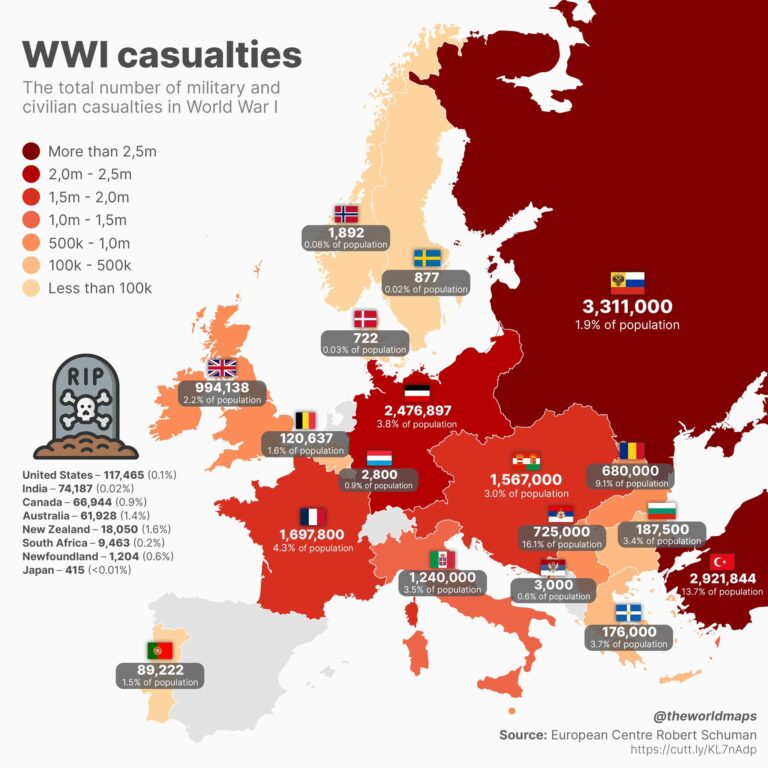
WWI Casualties

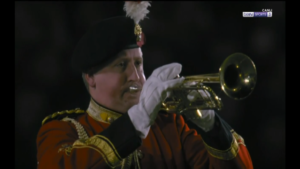
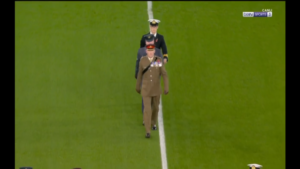
Before Manchester United – Volwes Football Match 

Turkey is the No1 loser of the WWI with over 13,7% of total casualties. It isextremely  high figure.

Xavi Ruiz @xruiztru