The Origin of Turkish and Turks Conference was Held at Kirikkale University
Ege University faculty member Prof. Dr. Osman Karatay gave a conference on ‘The Origin of Turkish and Turks’ at our University. Academicians and students showed great interest in the event organized by the Turan Peoples Research Group in the Yahya Kemal conference hall.
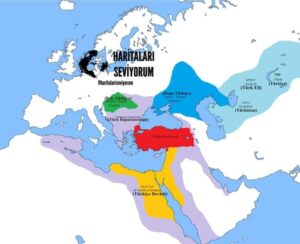
Contributing to important studies on Turkish history, Prof. Dr. Karatay opposed the idea that the homeland of the Turks, which was put forward for political purposes, was the Altai Mountains, with scientific data. Prof. Dr. Karatay said, “Many scholars share the same ideas about the origin and homeland of the Turks. They state that Turks in general originated in northern China, around Mongolia. So, where did the idea that the homeland of the Turks is the Altai Mountains around Mongolia, the idea of Turkishness and Mongolism being side by side? The emergence of this idea dates back to the 1873 Congress of Orientalists. A decision has been made regarding this idea and studies are underway to fill that decision. Since then, the idea has been put forward that the homeland of the Turks is not even the Altai Mountains, but somewhere further east, on the shores of the Pacific Ocean.
Prof. Dr. Osman Karatay stated that words can pass from one language to another as a result of cultural, political and commercial relations in every period of history, and said, “We see that there are almost no Chinese words in Old Turkish. In this case, either there was no interaction with China or it was formed in a place far from China in the Turkish formation era.
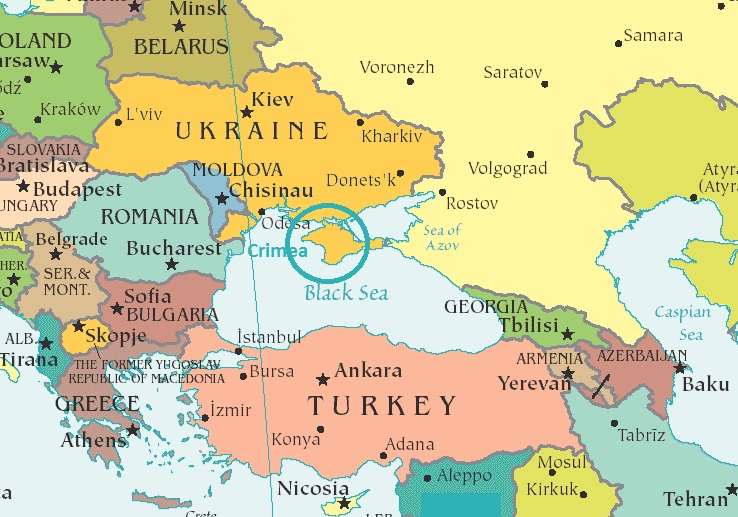
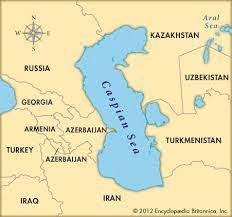
162 of the 310 foreign words identified in Pre-Turkish belong to Sanskrit, the ancient language of today’s Indians. The common ancestors of the Indians and Iranians, the Aryans, lived in the Romanian-Ukraine region, in the Ariana country. The fact that so many words are in Turkish shows that the Arians and Turks were in close relations in ancient times. When we examine the history of the Turks and Aryans, we can say that the geography that allows this neighborhood relationship is the region of the Caspian Sea.
Chinese, Greek, Roman Sources Reveal North of Caspian Sea
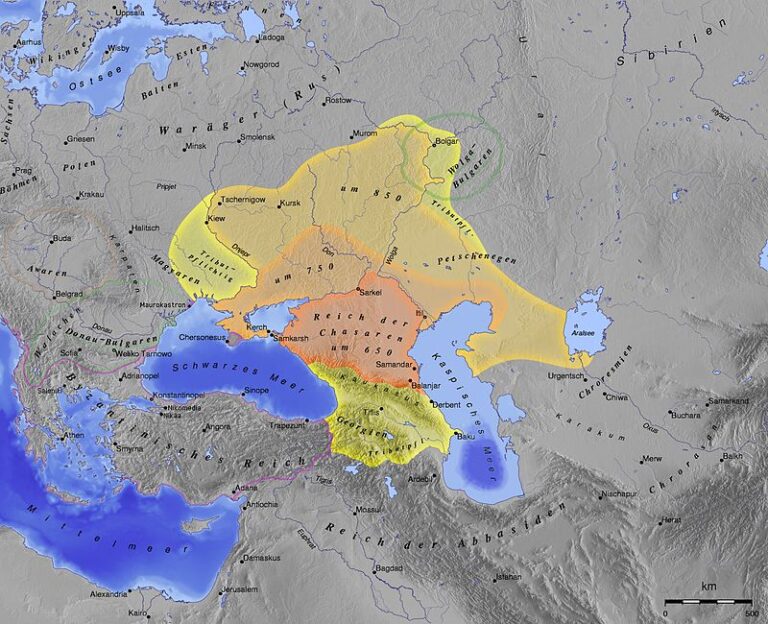
Stating that Greek and Roman historians such as Herodotus, Plinius and Pomponius mention a nation living in the upper regions of the Caspian Sea with the names Turcae, Tyrcae, Iurcae, Thyssagetae in their texts, Prof. Dr. Karatay said, “The text we read today as Ergenekon Epic is included in two Chinese yearbooks, Co-şu and Su-şu, written in the Göktürk period, the first sentence of which was taken without being translated into Turkish. In the first sentence of one of those texts, he says, ‘The ancestral home of the Göktürks is on the right bank of the West Sea’. In the other, there are expressions ‘in the upper part of the western sea’. Why did our teachers ignore these texts? “These texts show that the ancestors of the Göktürks came from the north of the Caspian Sea, which the Chinese refer to as the Western Sea,” he said.
Prof. Dr. Karatay pointed out that a large Turkish population is needed to write the history of the Turks, who established many states in different geographies of the world and left important traces, and said, “This Turkish population could not have arisen in unproductive, arid lands. Turkishness must emerge in fertile lands. The Altai Mountains region is one of the driest places in the world. Agriculture and animal husbandry are not allowed. Grassy and forested areas are very scarce. A people that originated in the Altai mountains or the Mongolian steppes cannot reach the number that can play the role of Turkishness in history. “Geodemography shows us that this is not possible,” he said.
Addressing the subject through plant names in Turkish, Prof. Dr. Osman Karatay said, “The number one method in ethnicity research in the world is to look at the plant names in that language. Turkish is a language with its own agricultural terms. We did not take barley, rye or wheat from other languages. This means that the ancestors of the Turks were not completely nomadic and there were some who were engaged in agriculture.
In the light of this information, there are three regions in Eurasia that are likely to be homelands. The Manchuria Plain is the Fergana Valleys, that is, the environs of today’s Uzbekistan, and the Southern Ural area, which is located in the north of the Caspian Sea and a little east of the north.
Words in Turkish point to cold climate plants. There are no words for peach, apricot or zerdali in Turkish. We got it from Persian because these are the fruits of the warm region, they do not grow in the north, but we grow apples, walnuts, plums. These show us that the ancient Turks were engaged in agriculture in a cold region. Therefore, it cannot be Fergana. It can’t be on the east side either, because if there were, there would be a lot of Mongolian, Chinese, words in Turkish.
“The only place we have left is the north of the Caspian Sea,” he said.
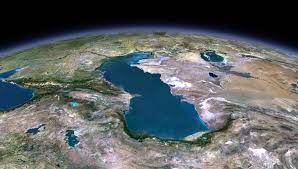
Stating that the researches and excavations carried out in the north of the Caspian Sea, the region has an important cultural development and that this culture spread to Central Asia in time, Prof. Dr. Karatay stated that those who do not want to bring the words ‘Turk, culture and civilization’ side by side are trying to show the primitive, undeveloped places of the period as the homeland of the Turks for some political purposes.
Answering the questions of the audience after the speech, Prof. Dr. To Osman Karatay, advisor to the Turan Peoples Research Society, Assoc. Dr. Seyfullah Yalın presented a plaque. At the end of the program, Prof. Dr. Osman Karatay signed his books for our students.
https://kku.edu.tr/Anasayfa/Haber/Index/511
DK Top 10 Istanbul: Top 10 lists for your perfect trip, plus an all-weather folded map (Pocket Travel Guide)
$7.31 (as of 14/08/2026 02:10 GMT +03:00 - More infoProduct prices and availability are accurate as of the date/time indicated and are subject to change. Any price and availability information displayed on [relevant Amazon Site(s), as applicable] at the time of purchase will apply to the purchase of this product.)
Crescent & Star: Turkey Between Two Worlds
$2.99 (as of 14/08/2026 02:10 GMT +03:00 - More infoProduct prices and availability are accurate as of the date/time indicated and are subject to change. Any price and availability information displayed on [relevant Amazon Site(s), as applicable] at the time of purchase will apply to the purchase of this product.)
Lonely Planet Turkiye: Plan the Trip of a Lifetime | Detailed Itineraries & Maps | Insider Tips | Covers Istanbul, Troy, Izmir and more (Travel Guide)
$18.87 (as of 14/08/2026 02:10 GMT +03:00 - More infoProduct prices and availability are accurate as of the date/time indicated and are subject to change. Any price and availability information displayed on [relevant Amazon Site(s), as applicable] at the time of purchase will apply to the purchase of this product.)
After Happy Ever After: He thinks it's a normal holiday to Istanbul, she has other plans. (Adam's Adventures Book 4)
$5.99 (as of 14/08/2026 02:10 GMT +03:00 - More infoProduct prices and availability are accurate as of the date/time indicated and are subject to change. Any price and availability information displayed on [relevant Amazon Site(s), as applicable] at the time of purchase will apply to the purchase of this product.)
DK Istanbul: Must-See Sights. Culture & History. Detailed Maps & Tours. Covers Sultanahmet, Beyoglu, & more (Travel Guide)
$17.87 (as of 14/08/2026 02:10 GMT +03:00 - More infoProduct prices and availability are accurate as of the date/time indicated and are subject to change. Any price and availability information displayed on [relevant Amazon Site(s), as applicable] at the time of purchase will apply to the purchase of this product.)
Magic Bus: On the Hippie Trail from Istanbul to India
$7.68 (as of 14/08/2026 02:10 GMT +03:00 - More infoProduct prices and availability are accurate as of the date/time indicated and are subject to change. Any price and availability information displayed on [relevant Amazon Site(s), as applicable] at the time of purchase will apply to the purchase of this product.)
Insight Guides Turkiye: Travel Guide with eBook: 2026-2027 | Culture & Society | Must-See Sights | Stunning Photos | Expert Advice | Covers: Istanbul, Cappadocia, Ephesus and more
$20.06 (as of 14/08/2026 02:10 GMT +03:00 - More infoProduct prices and availability are accurate as of the date/time indicated and are subject to change. Any price and availability information displayed on [relevant Amazon Site(s), as applicable] at the time of purchase will apply to the purchase of this product.)
Istanbul Travel Pack (Globetrotter Travel Packs)
$3.35 (as of 14/08/2026 02:10 GMT +03:00 - More infoProduct prices and availability are accurate as of the date/time indicated and are subject to change. Any price and availability information displayed on [relevant Amazon Site(s), as applicable] at the time of purchase will apply to the purchase of this product.)
Pocket Rough Guide Istanbul: Travel Guide with eBook
$11.93 (as of 14/08/2026 02:10 GMT +03:00 - More infoProduct prices and availability are accurate as of the date/time indicated and are subject to change. Any price and availability information displayed on [relevant Amazon Site(s), as applicable] at the time of purchase will apply to the purchase of this product.)
Istanbul For First Timers: A Local's Travel Guide To Turkiye's Hidden Gems and Culture
$11.30 (as of 14/08/2026 02:10 GMT +03:00 - More infoProduct prices and availability are accurate as of the date/time indicated and are subject to change. Any price and availability information displayed on [relevant Amazon Site(s), as applicable] at the time of purchase will apply to the purchase of this product.)
The Christian Traveler's Guide to the Holy Land
$18.63 (as of 14/08/2026 01:53 GMT +03:00 - More infoProduct prices and availability are accurate as of the date/time indicated and are subject to change. Any price and availability information displayed on [relevant Amazon Site(s), as applicable] at the time of purchase will apply to the purchase of this product.)
Great Escapes Mediterranean. The Hotel Book
$59.71 (as of 14/08/2026 01:53 GMT +03:00 - More infoProduct prices and availability are accurate as of the date/time indicated and are subject to change. Any price and availability information displayed on [relevant Amazon Site(s), as applicable] at the time of purchase will apply to the purchase of this product.)
DK Eyewitness Travel Guide Turkey (Eyewitness Travel Guides)
$12.11 (as of 14/08/2026 01:53 GMT +03:00 - More infoProduct prices and availability are accurate as of the date/time indicated and are subject to change. Any price and availability information displayed on [relevant Amazon Site(s), as applicable] at the time of purchase will apply to the purchase of this product.)
Istanbul: The Imperial City
$12.99 (as of 14/08/2026 01:53 GMT +03:00 - More infoProduct prices and availability are accurate as of the date/time indicated and are subject to change. Any price and availability information displayed on [relevant Amazon Site(s), as applicable] at the time of purchase will apply to the purchase of this product.)
Lonely Planet Turkiye: Plan the Trip of a Lifetime | Detailed Itineraries & Maps | Insider Tips | Covers Istanbul, Troy, Izmir and more (Travel Guide)
$18.87 (as of 14/08/2026 01:53 GMT +03:00 - More infoProduct prices and availability are accurate as of the date/time indicated and are subject to change. Any price and availability information displayed on [relevant Amazon Site(s), as applicable] at the time of purchase will apply to the purchase of this product.)
Rick Steves Istanbul: With Ephesus & Cappadocia
$8.73 (as of 14/08/2026 01:53 GMT +03:00 - More infoProduct prices and availability are accurate as of the date/time indicated and are subject to change. Any price and availability information displayed on [relevant Amazon Site(s), as applicable] at the time of purchase will apply to the purchase of this product.)
The Mini Rough Guide to Istanbul and the Aegean Coast: Travel Guide with eBook
$6.47 (as of 14/08/2026 01:53 GMT +03:00 - More infoProduct prices and availability are accurate as of the date/time indicated and are subject to change. Any price and availability information displayed on [relevant Amazon Site(s), as applicable] at the time of purchase will apply to the purchase of this product.)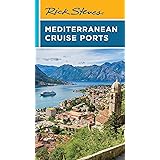
Rick Steves Mediterranean Cruise Ports (Rick Steves Travel Guide)
$19.10 (as of 14/08/2026 01:53 GMT +03:00 - More infoProduct prices and availability are accurate as of the date/time indicated and are subject to change. Any price and availability information displayed on [relevant Amazon Site(s), as applicable] at the time of purchase will apply to the purchase of this product.)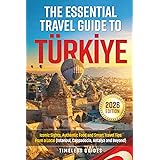
The Essential Travel Guide to Turkiye: Iconic Sights, Authentic Food and Smart Travel Tips From A Local (Istanbul, Cappadocia, Antalya and Beyond)
$17.99 (as of 14/08/2026 01:53 GMT +03:00 - More infoProduct prices and availability are accurate as of the date/time indicated and are subject to change. Any price and availability information displayed on [relevant Amazon Site(s), as applicable] at the time of purchase will apply to the purchase of this product.)