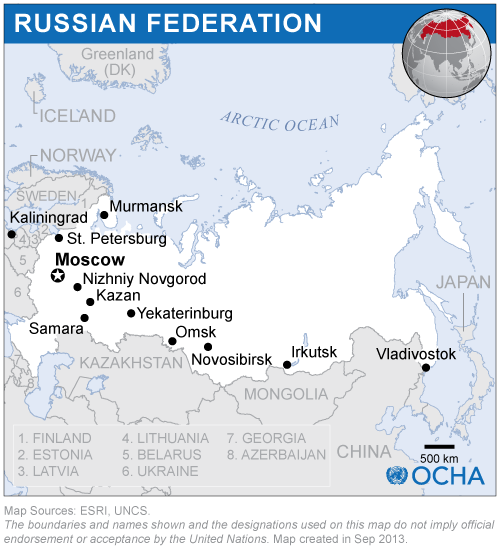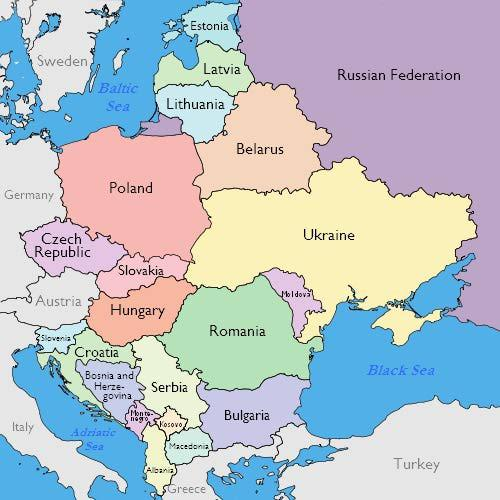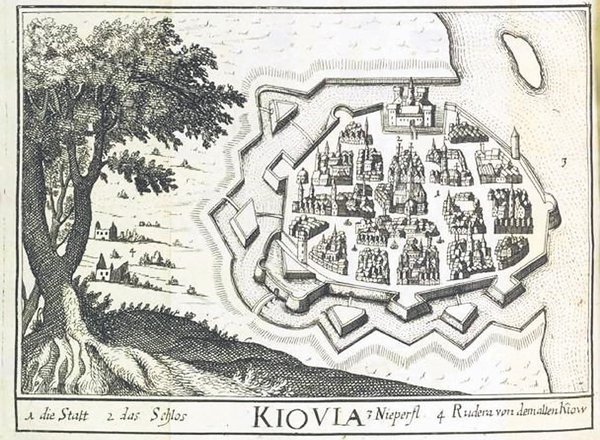
Putin said that Ukraine is actually a historical part of Russia , and that although the people of this country are originally Russian, Ukraine was cut off from Russia by the influence of Western states. However, the Kiev Principality , the ancestors of the Ukrainians , is an older state than the Moscow Principality, which was the forerunner of Russia, and originally Ukraine was not born from Russia, but from Russia Ukraine. The interesting thing is that Kyiv was a city founded by the Khazar Turks.
The migration of the Turkish tribes, which started with the Huns to the European steppes, continued with the Avars, Pechenegs, Khazars, Cumans (Kipchaks). Especially the Avars and later the Khazars, by dominating the Dnieper (Özi) River and its basin, took the Slavs under their control to a large extent. The city of Kyiv emerged as an edge fortress during the Khazar Khaganate. Although Kyiv was established in a forested land, it grew rapidly because it was intertwined with the Dnieper River. During this period, Ukraine was home to seven separate Slavic tribes.
There is detailed information about the history of Ukraine in the works of Yücel Öztürk, Akdes Nimet Kurat, Bushkovitch, Plokhy and Bushkovitch .
THE TITLE WAS KAGAN
Julius Brutzkus, in his article titled “Turkish-Caspian Origin of Ancient Kiev”, says that Kiev is a Khazar word and means “low settlement/coastal house”. The “Sambat” Castle, which means “high place” in Old Turkish, was also built by the Khazars to protect the city. As a matter of fact, in ancient sources, the residents of Kiev say to Askold, who captured Kiev ,
“There were three brothers named Kii, Shchek and Khoriv . They founded this city and died, now they stay here with us and we pay taxes to their friends, the Khazars.”
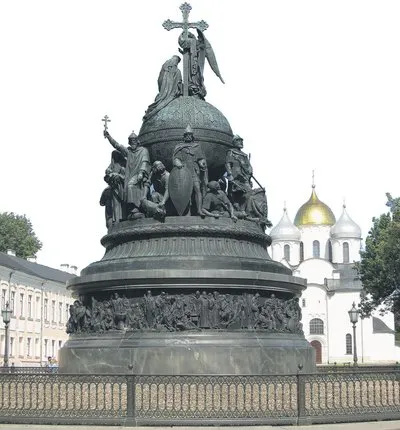 First Russian Kings
Yücel Öztürk states that it is claimed that the Principality of Kiyef was formed by a Turkish tribe with a variant of “Kiy, Koy, Kay” , that the first knez had the title of “kağan” and that their center Kiyef was based on their name. Many Ukrainian place names are associated with the Khazars.
The Varangians, mercenaries of the Khazars, captured Kiev in 890. “Kağan” and “İlek” to their leadersThe Varangians, who gave the title, used the Caspian administrative and military organization. Although the Varangians dominated the Eastern Slavs for a short time in the 10th century, the Slavs, who were large in population, drove the Varangians out of their country. However, after removing the Varangians, this time the Slavs, who fell into conflict among themselves, called the Varangians back to the region. Rurik, the chief of a Varangian tribe named
“Rus”, first settled on the shore of Lake Ladaoga, and later founded the Novgorod Principality on the banks of the Volkhov River. Rurik, who was also the founder of the dynasty that bears his name , passed the throne to his brother Oleg instead of his younger son Igor when he died in 879. Oleg, wanting to expand his state southward, he turned to the basin of the Dnieper River.
The Slavs, who thought that every move of Oleg , who was considered as a prophet in the pagan belief of the period , was based on a prophecy, acted with him. Oleg, who destroyed Askold and Dir, the princes of Kievan Principality, with a coup , became the new Kievan Principality in 882.
Oleg’s arrival at the Principality of Kiev was a turning point for the history of Russia . After this date, the center of the Eastern Slavs became Kyiv. In the capital of Kiev, which is an efficient and transit point, the Slavs, who could not be organized for centuries, managed to become a real state.
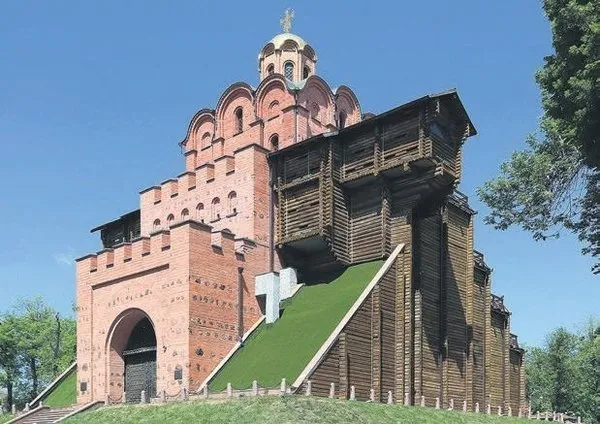 Golden Gate
Oleg’s greatest military success is the Istanbul expedition in 907. The Kyiv army came with ships, plundered the villages around Istanbul and made a treaty with Byzantium. Igor
, who succeeded his uncle Oleg to the throne in 912, besieged Istanbul twice, in 941 and 944. Byzantine Emperor VII in 945. An agreement was made with Constantine and the right of navigation of the Kievans in the Black Sea was guaranteed.
Sviatoslav Igorevich, who succeeded Oleg to the throne of Kievan Principality in 945, is a name that both Russians and Ukrainians today accept as their ancestors. He established the Russian domination in the Eastern European steppes. His rise had negative consequences for the Turkish world of the period. Alans were defeated, the Khazar State was weakened, and the First Bulgarian State, one of the states established by the Turkish tribes, entered the process of collapse. Nicknamed the Brave, Sviatoslav formed Russia’s main border in Europe.
THEY BECOME CHRISTIANS
One of the most important figures in the history of Kiev is Vladimir the Great, who ascended the throne in 980. After defeating the Itil-Volga Bulgars and Khazars, Vladimir headed for the Crimea, the key to the Black Sea. He besieged and took Hersinos, which was the trade base of Byzantium here. Thereupon, the Byzantine Emperor Baileos, panicked, sent his daughter Anna to the Crimea for peace. As a result of the negotiations, it was decided that Vladimir the Great would marry Princess Anna, on the condition that he be a Christian, and that he would establish kinship ties with Byzantium.
Istanbul For First Timers: A Local's Travel Guide To Turkiye's Hidden Gems and Culture
$11.30 (as of 14/08/2026 02:10 GMT +03:00 - More infoProduct prices and availability are accurate as of the date/time indicated and are subject to change. Any price and availability information displayed on [relevant Amazon Site(s), as applicable] at the time of purchase will apply to the purchase of this product.)
Rick Steves Mediterranean Cruise Ports (Rick Steves Travel Guide)
$19.10 (as of 14/08/2026 02:10 GMT +03:00 - More infoProduct prices and availability are accurate as of the date/time indicated and are subject to change. Any price and availability information displayed on [relevant Amazon Site(s), as applicable] at the time of purchase will apply to the purchase of this product.)
Lonely Planet Turkiye: Plan the Trip of a Lifetime | Detailed Itineraries & Maps | Insider Tips | Covers Istanbul, Troy, Izmir and more (Travel Guide)
$18.87 (as of 14/08/2026 02:10 GMT +03:00 - More infoProduct prices and availability are accurate as of the date/time indicated and are subject to change. Any price and availability information displayed on [relevant Amazon Site(s), as applicable] at the time of purchase will apply to the purchase of this product.)
Lonely Planet Pocket Istanbul: Discover Twice the City in Half the Time | Top Sights | Maps & Walking Tours | Covers Sultanahmet & Sirkeci, Bazaar ... & Western Districts and more (Pocket Guide)
$12.48 (as of 14/08/2026 02:10 GMT +03:00 - More infoProduct prices and availability are accurate as of the date/time indicated and are subject to change. Any price and availability information displayed on [relevant Amazon Site(s), as applicable] at the time of purchase will apply to the purchase of this product.)
Rick Steves Istanbul: With Ephesus & Cappadocia
$8.73 (as of 14/08/2026 02:10 GMT +03:00 - More infoProduct prices and availability are accurate as of the date/time indicated and are subject to change. Any price and availability information displayed on [relevant Amazon Site(s), as applicable] at the time of purchase will apply to the purchase of this product.)
Istanbul 50 Unsung Places
$6.50 (as of 14/08/2026 02:10 GMT +03:00 - More infoProduct prices and availability are accurate as of the date/time indicated and are subject to change. Any price and availability information displayed on [relevant Amazon Site(s), as applicable] at the time of purchase will apply to the purchase of this product.)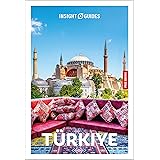
Insight Guides Turkiye: Travel Guide with eBook: 2026-2027 | Culture & Society | Must-See Sights | Stunning Photos | Expert Advice | Covers: Istanbul, Cappadocia, Ephesus and more
$20.06 (as of 14/08/2026 02:10 GMT +03:00 - More infoProduct prices and availability are accurate as of the date/time indicated and are subject to change. Any price and availability information displayed on [relevant Amazon Site(s), as applicable] at the time of purchase will apply to the purchase of this product.)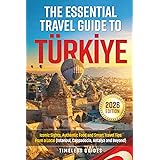
The Essential Travel Guide to Turkiye: Iconic Sights, Authentic Food and Smart Travel Tips From A Local (Istanbul, Cappadocia, Antalya and Beyond)
$17.99 (as of 14/08/2026 02:10 GMT +03:00 - More infoProduct prices and availability are accurate as of the date/time indicated and are subject to change. Any price and availability information displayed on [relevant Amazon Site(s), as applicable] at the time of purchase will apply to the purchase of this product.)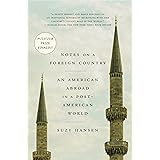
Notes on a Foreign Country: An American Abroad in a Post-American World
$9.87 (as of 14/08/2026 02:10 GMT +03:00 - More infoProduct prices and availability are accurate as of the date/time indicated and are subject to change. Any price and availability information displayed on [relevant Amazon Site(s), as applicable] at the time of purchase will apply to the purchase of this product.)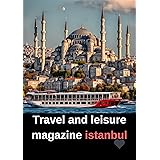
Travel and leisure magazine istanbul: A Guide For First Time Travelers
$2.99 (as of 14/08/2026 02:10 GMT +03:00 - More infoProduct prices and availability are accurate as of the date/time indicated and are subject to change. Any price and availability information displayed on [relevant Amazon Site(s), as applicable] at the time of purchase will apply to the purchase of this product.)
Türkiye (Turkey) Map (National Geographic Adventure Map, 3018)
$7.22 (as of 14/08/2026 01:53 GMT +03:00 - More infoProduct prices and availability are accurate as of the date/time indicated and are subject to change. Any price and availability information displayed on [relevant Amazon Site(s), as applicable] at the time of purchase will apply to the purchase of this product.)
The Turkish Cookbook
$36.46 (as of 14/08/2026 01:53 GMT +03:00 - More infoProduct prices and availability are accurate as of the date/time indicated and are subject to change. Any price and availability information displayed on [relevant Amazon Site(s), as applicable] at the time of purchase will apply to the purchase of this product.)
Fodor's Essential Turkey (Full-color Travel Guide)
$17.02 (as of 14/08/2026 01:53 GMT +03:00 - More infoProduct prices and availability are accurate as of the date/time indicated and are subject to change. Any price and availability information displayed on [relevant Amazon Site(s), as applicable] at the time of purchase will apply to the purchase of this product.)
Lonely Planet Turkish Phrasebook & Dictionary
$7.67 (as of 14/08/2026 01:53 GMT +03:00 - More infoProduct prices and availability are accurate as of the date/time indicated and are subject to change. Any price and availability information displayed on [relevant Amazon Site(s), as applicable] at the time of purchase will apply to the purchase of this product.)
Istanbul: Memories and the City (Vintage International)
$15.77 (as of 14/08/2026 01:53 GMT +03:00 - More infoProduct prices and availability are accurate as of the date/time indicated and are subject to change. Any price and availability information displayed on [relevant Amazon Site(s), as applicable] at the time of purchase will apply to the purchase of this product.)
High Albania
$0.99 (as of 14/08/2026 01:53 GMT +03:00 - More infoProduct prices and availability are accurate as of the date/time indicated and are subject to change. Any price and availability information displayed on [relevant Amazon Site(s), as applicable] at the time of purchase will apply to the purchase of this product.)
DK Eyewitness Travel Guide Turkey (Eyewitness Travel Guides)
$12.11 (as of 14/08/2026 01:53 GMT +03:00 - More infoProduct prices and availability are accurate as of the date/time indicated and are subject to change. Any price and availability information displayed on [relevant Amazon Site(s), as applicable] at the time of purchase will apply to the purchase of this product.)
DK Top 10 Istanbul: Top 10 lists for your perfect trip, plus an all-weather folded map (Pocket Travel Guide)
$7.31 (as of 14/08/2026 01:53 GMT +03:00 - More infoProduct prices and availability are accurate as of the date/time indicated and are subject to change. Any price and availability information displayed on [relevant Amazon Site(s), as applicable] at the time of purchase will apply to the purchase of this product.)
Lonely Planet Pocket Istanbul: Discover Twice the City in Half the Time | Top Sights | Maps & Walking Tours | Covers Sultanahmet & Sirkeci, Bazaar ... & Western Districts and more (Pocket Guide)
$12.48 (as of 14/08/2026 01:53 GMT +03:00 - More infoProduct prices and availability are accurate as of the date/time indicated and are subject to change. Any price and availability information displayed on [relevant Amazon Site(s), as applicable] at the time of purchase will apply to the purchase of this product.)