Turks in Sources:
- 3rd century BC China
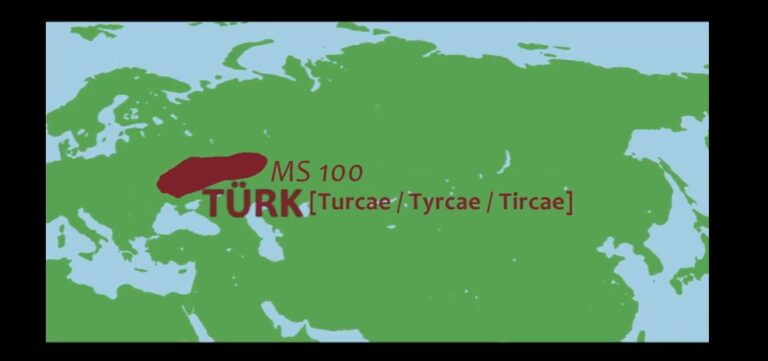
- 100 Romans (Pomponius Mela, Plinius) (People living east of Azov Turcae/Tyrcae)
- 420 Persian
- 542 China
- 582 Byzantium
- 603 Arab
Inscriptions mentioning the Turks:
– Tonyukuk
– Bilge Kagan
– Kültigin
– Ongin
– Shine Us
– Tariat
Source: Hatice Şirin. Ancient Turkish Inscriptions. TDK
These inscriptions belong to the period of the Göktürks (550-740 AD). The ancient period also ended in the 500s.
The first use of the Turkish name, accepted by the scientific community, was recorded in the 1st century AD by Roman historians named Pomponius Mela and Plinius. The people living in the east of Azov were recorded as Turcae/Tyrcae. Expressions close to the word “Turk” are found in Chinese sources in BC. It takes place in the 3rd century.
https://en.wikipedia.org/wiki/T%C3%BCrk_(etymology)
Turks have developed philosophy covering universe by looking at the depths of the sky in the steps and recorded their findings in the unique language of universe namely turkish language. Thanking Altay Mountain for crucial contribution.

Rick Steves Istanbul: With Ephesus & Cappadocia
$8.97 (as of 15/08/2026 02:11 GMT +03:00 - More infoProduct prices and availability are accurate as of the date/time indicated and are subject to change. Any price and availability information displayed on [relevant Amazon Site(s), as applicable] at the time of purchase will apply to the purchase of this product.)
Istanbul For First Timers: A Local's Travel Guide To Turkiye's Hidden Gems and Culture
$4.99 (as of 15/08/2026 02:11 GMT +03:00 - More infoProduct prices and availability are accurate as of the date/time indicated and are subject to change. Any price and availability information displayed on [relevant Amazon Site(s), as applicable] at the time of purchase will apply to the purchase of this product.)
Istanbul & Northwest Turkey Travel Reference Map WP
$10.95 (as of 15/08/2026 02:11 GMT +03:00 - More infoProduct prices and availability are accurate as of the date/time indicated and are subject to change. Any price and availability information displayed on [relevant Amazon Site(s), as applicable] at the time of purchase will apply to the purchase of this product.)
Crescent & Star: Turkey Between Two Worlds
$2.99 (as of 15/08/2026 02:11 GMT +03:00 - More infoProduct prices and availability are accurate as of the date/time indicated and are subject to change. Any price and availability information displayed on [relevant Amazon Site(s), as applicable] at the time of purchase will apply to the purchase of this product.)
Lonely Planet Pocket Istanbul: Discover Twice the City in Half the Time | Top Sights | Maps & Walking Tours | Covers Sultanahmet & Sirkeci, Bazaar ... & Western Districts and more (Pocket Guide)
$12.48 (as of 15/08/2026 02:11 GMT +03:00 - More infoProduct prices and availability are accurate as of the date/time indicated and are subject to change. Any price and availability information displayed on [relevant Amazon Site(s), as applicable] at the time of purchase will apply to the purchase of this product.)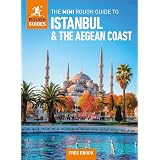
The Mini Rough Guide to Istanbul and the Aegean Coast: Travel Guide with eBook
$6.47 (as of 15/08/2026 02:11 GMT +03:00 - More infoProduct prices and availability are accurate as of the date/time indicated and are subject to change. Any price and availability information displayed on [relevant Amazon Site(s), as applicable] at the time of purchase will apply to the purchase of this product.)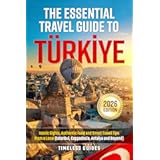
The Essential Travel Guide To Turkiye: Iconic Sights, Authentic Food and Smart Travel Tips From A Local (Istanbul, Cappadocia, Antalya and Beyond)
$2.99 (as of 15/08/2026 02:11 GMT +03:00 - More infoProduct prices and availability are accurate as of the date/time indicated and are subject to change. Any price and availability information displayed on [relevant Amazon Site(s), as applicable] at the time of purchase will apply to the purchase of this product.)
Lonely Planet Turkiye: Plan the Trip of a Lifetime | Detailed Itineraries & Maps | Insider Tips | Covers Istanbul, Troy, Izmir and more (Travel Guide)
$14.49 (as of 15/08/2026 02:11 GMT +03:00 - More infoProduct prices and availability are accurate as of the date/time indicated and are subject to change. Any price and availability information displayed on [relevant Amazon Site(s), as applicable] at the time of purchase will apply to the purchase of this product.)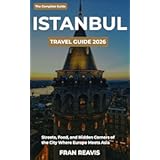
Istanbul Travel Guide 2026: A First-Timer’s Guide to the Streets, Food, History and Hidden Neighbourhoods of the City Where Europe Meets Asia
$7.99 (as of 15/08/2026 02:11 GMT +03:00 - More infoProduct prices and availability are accurate as of the date/time indicated and are subject to change. Any price and availability information displayed on [relevant Amazon Site(s), as applicable] at the time of purchase will apply to the purchase of this product.)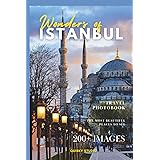
Wonders of Istanbul: A Photo Collection of the City’s Most Beautiful Places to See – A Stunning Coffee Table Travel Photobook
$23.99 (as of 15/08/2026 02:11 GMT +03:00 - More infoProduct prices and availability are accurate as of the date/time indicated and are subject to change. Any price and availability information displayed on [relevant Amazon Site(s), as applicable] at the time of purchase will apply to the purchase of this product.)
Lonely Planet The Mediterranean: Over 30 Mesmerising Cities & Islands | 15 Weekend Long Road Trip Itineraries | Tips on Where to Eat & What to See | Stunning Photography
$23.73 (as of 15/08/2026 01:54 GMT +03:00 - More infoProduct prices and availability are accurate as of the date/time indicated and are subject to change. Any price and availability information displayed on [relevant Amazon Site(s), as applicable] at the time of purchase will apply to the purchase of this product.)
Istanbul: Memories and the City (Vintage International)
$13.28 (as of 15/08/2026 01:54 GMT +03:00 - More infoProduct prices and availability are accurate as of the date/time indicated and are subject to change. Any price and availability information displayed on [relevant Amazon Site(s), as applicable] at the time of purchase will apply to the purchase of this product.)
God's Battalions: A Study of the Crusades, Christian Warfare, and the Fight for the Holy Land
$10.55 (as of 15/08/2026 01:54 GMT +03:00 - More infoProduct prices and availability are accurate as of the date/time indicated and are subject to change. Any price and availability information displayed on [relevant Amazon Site(s), as applicable] at the time of purchase will apply to the purchase of this product.)
Shadow of the Silk Road: A 7,000-Mile Journey Through Central Asia―Trade, Religions, and Ideas from China to Turkey (P.S.)
$1.85 (as of 15/08/2026 01:54 GMT +03:00 - More infoProduct prices and availability are accurate as of the date/time indicated and are subject to change. Any price and availability information displayed on [relevant Amazon Site(s), as applicable] at the time of purchase will apply to the purchase of this product.)
Osman's Dream: The History of the Ottoman Empire
$8.49 (as of 15/08/2026 01:54 GMT +03:00 - More infoProduct prices and availability are accurate as of the date/time indicated and are subject to change. Any price and availability information displayed on [relevant Amazon Site(s), as applicable] at the time of purchase will apply to the purchase of this product.)
Rick Steves Mediterranean Cruise Ports (Rick Steves Travel Guide)
$19.10 (as of 15/08/2026 01:54 GMT +03:00 - More infoProduct prices and availability are accurate as of the date/time indicated and are subject to change. Any price and availability information displayed on [relevant Amazon Site(s), as applicable] at the time of purchase will apply to the purchase of this product.)
Fodor's Essential Turkey (Full-color Travel Guide)
$16.84 (as of 15/08/2026 01:54 GMT +03:00 - More infoProduct prices and availability are accurate as of the date/time indicated and are subject to change. Any price and availability information displayed on [relevant Amazon Site(s), as applicable] at the time of purchase will apply to the purchase of this product.)
The Amazing Mrs. Pollifax (Mrs. Pollifax Series Book 2)
$5.99 (as of 15/08/2026 01:54 GMT +03:00 - More infoProduct prices and availability are accurate as of the date/time indicated and are subject to change. Any price and availability information displayed on [relevant Amazon Site(s), as applicable] at the time of purchase will apply to the purchase of this product.)
An Ottoman Traveller: Selections from the Book of Travels by Evliya Çelebi
$9.99 (as of 15/08/2026 01:54 GMT +03:00 - More infoProduct prices and availability are accurate as of the date/time indicated and are subject to change. Any price and availability information displayed on [relevant Amazon Site(s), as applicable] at the time of purchase will apply to the purchase of this product.)