Home Blog Page 203

Wisdom on Science and Philosophy by Ismail Hakki Aydın

Everything in science is interrelated.
The most enjoyable story is our own. If you’re not enjoying it, you haven’t learned.
What you cannot give is not yours.
Scolding is easy, but it is very difficult to appreciate.
Overt, obvious, apparent, prominent, declarative, explicit, clear, evident, vacant, naked and obscene. Here you go! They’re all open. Get out if you can!
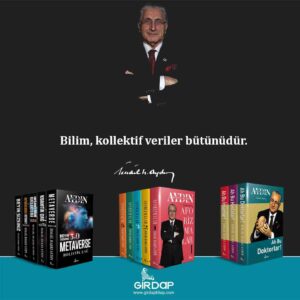
Science is a collection of collective data.
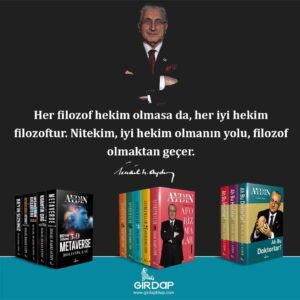
Although not every philosopher is a physician, every good physician is a philosopher. As a matter of fact, the way to be a good doctor is to be a good philosopher.
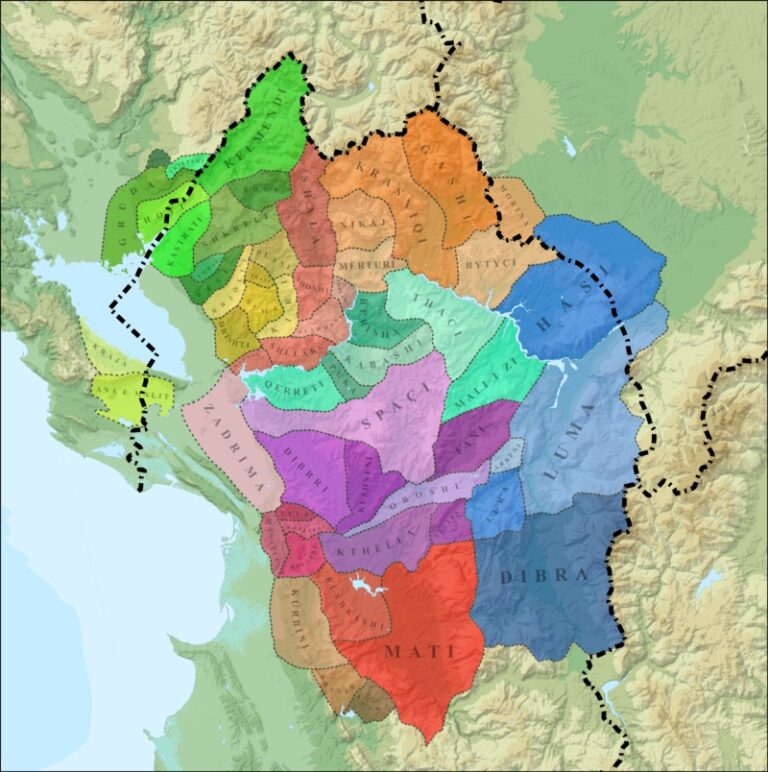
Albania with special reference to Ottoman Turkish period

https://trakya.academia.edu/ilirRRUGA


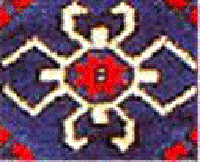
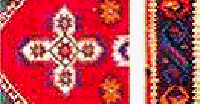
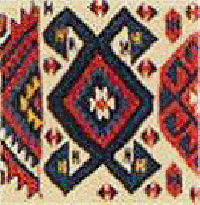
The Language of Turkish Motifs


  • Eye Pattern
  • Earring Motif
  • Eagle Motif
  • Amulet Motif
  • Abundance Motif
  • Butterfly Motif
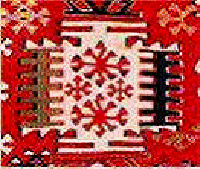
  • Chest Pattern
  • Hand, Finger and Comb Motifs
  • Plus and Hook Motifs
  • Dragon motif
  • Bird Motif
  • Hand on Waist Motif
  • Scorpion Motif
  • Coach Horn Motif
  • Hair Tie Motif
  • Tree of Life Motif
  • Star Pattern
  • Waterway Motif
THE LANGUAGE OF MOTIFS
Carpets and kilims since their beginning, were not created just for meeting man’s physical needs but also for his psychological wishes. Religious beliefs and ritual life enrich and develop philosophical thoughts and the soul of man. This influences both the artist and his work in various ways. Just looking at the motifs and compositions in the carpets and kilims makes this evident.
The meanings of the motives in Turkish carpet are different depending on the region. However, generally the motives symbolize religious beliefs, nobility, power and the other themes described below briefly. The language of carpets and kilims not only indicates the skill of the weaver but also transmits their messages.
MAJOR MOTIFS USED IN TURKISH CARPETS AND KILIMS
Amulet and Evil Eye
It is believed that some people possess a power in their glance which causes harm, injury, misfortune and even death. Evil eyes are various objects that reduce the effect of the evil glance, thus protecting the ones who carry them. “Muska” is a written charm which is believed to have magical and religious power to protect the possessor from dangerous external factors.
Bird
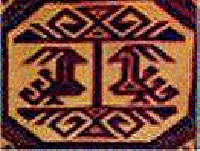
The bird motifs seen in Turkish carpets have various meanings. While birds live owls and ravens imply bad luck, doves, pigeons and nightingales are used to symbolize good luck. The bird is the symbol of happiness, joy and love. It stands for power and strenght. It is the imperial symbol of various states founded in Anatolia. The birds also refers to divine messengers and long life. The Anka bird (Phoenix) fighting with the dragon refers to spring.
Burdock
Burdock is a plant with burrs which stick to the clothing of people and the hair of animals. It is believed to be capable of warding off the evil eye. On the other hand, the fact that the term “like a burdock” means full of flowers, accounts for the use of this motif on flour bags as a symbol of abundance.
Chest
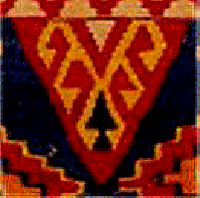
This motif in general, symbolizes the trousseau chest of a young girl. Since the objects in this chest is to be used in the husband’s house, the expactations and hopes of the young girl are reflected in the pieces she has woven knitted and embroidered.
Cross and Hook
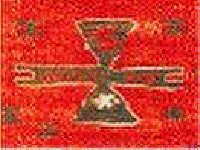
In Turkish carpets hooks and various cross types are used frequently to protect from danger.
Dragon
The Dragon is a mythological creature whose feet are like the lion’s, whose tail is like a snake and who has wings. The dragon is the master of the air and water. The flight of the dragon and the Phoenix is believed to bring fertile rains of spring. The Dragon, believed to be a great serpent, is the guardion of treasures and secret objects as well as the tree of life.
Eagle
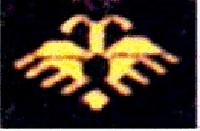
Eagle figures symbolizing such elements as power, might, amulets, government heraldry and charm originating from old religious traditions can be observed as totems in carpet-weaving.
Earrings
Earrings are indispensable as a wedding present in Anatolia. A girl using this motif is trying to inform her family that she wants to get married.
Eye
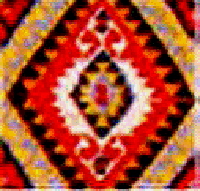
It is believed that some people possess a power in their glance which causes harm, injury, misfortune and even death. The eye motifs were produced because of the belief that the human eye is the best protection against evil gazes.
Fertility
Hands on hips and ram’s horn motifs used together denote a man and a woman. The fertility pattern is composed of two ‘elibelinde’ motifs indicating the female and two ‘koçboynuzu’ motifs indicating the male. The eye motif in the middle of composition is used to protect the family against the evil eye.
Fetter
It symbolizes the continuity of the family union, the devotion of the lovers and the hope that should always stay together.
Hand, Finger, and Comb
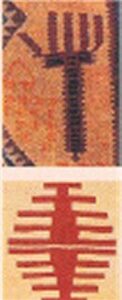
Hand, finger comb motifs including five points and five lines represents the belief that fingers are protection from the evil eye. Hand motifs combining productivity and good fortune also are a holy motive because it symbolizes the hand of the prophet Mohammed’s sister. The comb motif is largely related with marriage and birth. It is used to express the desire for getting married and to protect birth and marriage against the evil eye.
Hands on hips
Hands on hips is the symbol of motherhood, femininity and fertility.
Hair Band
Hair Band motif indicates the desire to get married. If the woman uses some of her hair in weaving, she is trying to express her desire for immortality.
Ram’s Horn
Ram’s Horn represents productivity, heroism, power and masculinity in Turish carpets. Moreover it shows that the weaver is happy and it is the expression of this.
Running water
Running water emphasizes the importance of water in human life.
Scorpion
Due to their fear of its venom, people used to carry jewellery in the form of a scorpion or decorated with the tail of a scorpion in order to protect themselves against this animal. The scorpion motif is used for the same purpose.
Star
The star motif in Turkish carpets expresses productivity.
Tree of life
It is the symbol of eternity. The life tree represents the search for immortality and the hope of life after death.
Wolf’s mouth, wolf’s track and monster’s feet
People use these motifs as a means of protection against wolves and monsters. Since ancient times men have believed that they could control and protect themselves from dangerous animals by imitating them or by creating a similar form.


Rumi Quotes

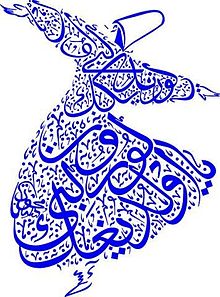
“What you seek is seeking you.” Rumi or originally known as Jalāl ad-Dīn Muhammad Rūmī, was a 13th-century evergreen and ever-famous Turkish poet, Islamic scholar, Sufi mystic and Hanafi faqih. He was born on September 30, 1207, in the region of Balkh in Afghanistan and died on December 17, 1273, in Konya in Turkey.
He was entitled as Mevlana/Mewlana or Mevlevi/Mawlawi which means (our master or my master). Revered as a great poet and spiritual master, his musings on life, love, Sufism and the mysteries of our universe are loved by many! Here we bring you the best Rumi quotes that will transform your view on life, love and the world itself.


The Most Famous Rumi Quotes
Rumi Quotes
“Do not feel lonely, the entire universe is inside you.”
“Lovers don’t finally meet somewhere. They’re in each other all along.”
“There are a thousand ways to kneel and kiss the ground; there are a thousand ways to go home again.”
“Raise your words, not voice. It is rain that grows flowers, not thunder.”
“This place is a dream. Only a sleeper considers it real. Then death comes like dawn, and you wake up laughing at what you thought was your grief.”
“Would you become a pilgrim on the road of love? The first condition is that you make yourself humble as dust and ashes.”
“You are not a drop in the ocean. You are the entire ocean, in a drop.”
“If the foot of the trees were not tied to earth, they would be pursuing me. For I have blossomed so much, I am the envy of the gardens.”
“Stop acting so small. You are the universe in ecstatic motion.”
“Don’t be satisfied with stories, how things have gone with others. Unfold your own myth.”
“Why do you stay in prison, when the door is so wide open?”
“The Prophets accept all agony and trust it. For the water has never feared the fire.”
“Your depression is connected to your insolence and refusal to praise.”
“Yesterday I was clever, so I wanted to change the world. Today I am wise, so I am changing myself.”
“Everything that is made beautiful and fair and lovely is made for the eye of one who sees.”
“Ignore those that make you fearful and sad, that degrade you back towards disease and death.”
“There is a candle in your heart, ready to be kindled. There is a void in your soul, ready to be filled. You feel it, don’t you?”
“Words are a pretext. It is the inner bond that draws one person to another, not words.”
“Goodbyes are only for those who love with their eyes. Because for those who love with heart and soul there is no such thing as separation.”
“Set your life on fire. Seek those who fan your flames.”
“I know you’re tired but come, this is the way.”
“The wound is the place where the light enters you.”
“And so it is, that both the devil and the angelic spirits present us with objects of desire to awaken our power of choice.”
“Wherever you are, and whatever you do, be in love.”
“I want to sing like the birds sing, not worrying about who hears or what they think.”
“When the world pushes you to your knees, you’re in the perfect position to pray.”
“Live life as if everything is rigged in your favor.”
“I am not this hair, I am not this skin, I am the soul that lives within.”
“Be full of sorrow, that you may become a hill of joy; weep, that you may break into laughter.”
“Sell your cleverness and buy bewilderment. Cleverness is mere opinion. Bewilderment brings intuitive knowledge.”
“Be empty of worrying. Think of who created thought.”
“Let yourself be silently drawn by the strange pull of what you really love. It will not lead you astray.”
“Don’t you know yet? It is your light that lights the world.”
“Love is the bridge between you and everything.”
“Seek the wisdom that will untie your knot. Seek the path that demands your whole being.”
“Dance until you shatter yourself.”
“It’s your road, and yours alone, others may walk it with you, but no one can walk it for you.”
“Why do you stay in prison when the door is so wide open.”
“As you start to walk on the way, the way appears.”
“What hurts you, blesses you. Darkness is your candle.”
“The only lasting beauty is the beauty of the heart.”
“The universe is not outside of you. Look inside yourself; everything that you want, you already are.”
“Close your eyes, fall in love, stay there.”
“Achieve some perfection yourself, so that you may not fall into sorrow by seeing the perfection in others.”
“What is planted in each person’s soul will sprout.”
“In each moment the fire rages, it will burn away a hundred veils. And carry you a thousand steps toward your goal.”
“If light is in your heart, you will find your way home.”
“There’s a field somewhere beyond all doubt and wrong doing. I’ll meet you there.”
“Be certain that in the religion of Love there are no believers and unbelievers. LOVE embraces all.”
“Silence is the language of god, all else is poor translation.”
Short Rumi Quotes
“Sit, be still, and listen.”
“Patience is the key to joy.”
“If the light is in your heart, you will find your way home.”
“Set your life on fire. Seek those who fan your flames.”
“Be empty of worrying. Think of who created thought.”
“I know you’re tired but come, this is the way.”
“Dance until you shatter yourself.”
“Grace comes to forgive and then forgive again.”
“Become the sky. Take an axe to the prison wall. Escape.”
“Let yourself become living poetry.”
“Be soulful. Be kind. Be in love.”
“Be an empty page, untouched by words.”
“The wealth within you, your essence, is your kingdom.”
“To praise the sun is to praise your own eyes.”
“Respond to every call that excites your spirit.”
“Wherever you stand, be the soul of that place.”
“You were born with wings. Why prefer to crawl through life?”
“Half-heartedness doesn’t reach into majesty.”
“Look at the moon in the sky, not the one in the lake.”
“What is planted in each person’s soul will sprout.”
“The source of now is here.”
Inspirational Rumi Quotes
“You are not meant for crawling, so don’t. You have wings. Learn to use them and fly.”
“Patience with small details makes perfect a large work, like the universe.”
“Let us carve gems out of our stony hearts and let them light our path to love.”
“Start a huge, foolish project, like Noah… it makes absolutely no difference what people think of you.”
“Seek the wisdom that will untie your knot. Seek the path that demands your whole being.”
“Whoever has heart’s doors wide open, could see the sun itself in every atom.”
“The message behind the words is the voice of the heart.”
“You are not one you are a thousand. Just light your lantern.”
“Work. Keep digging your well. Water is there somewhere.”
“With every breath, I plant the seeds of devotion, I am a farmer of the heart.”
“Everyone has been made for some particular work, and the desire for that work has been put in every heart.”
“Achieve some perfection yourself, so that you may not fall into sorrow by seeing the perfection in others.”
“Don’t be satisfied with stories, how things have gone with others. Unfold your own myth.”
“Whether one moves slowly or with speed, the one who is a seeker will be a finder.”
“Be a lamp, or a lifeboat, or a ladder. Help someone’s soul heal. Walk out of your house like a shepherd.”
“Anyone who genuinely and consistently with both hands looks for something will find it.”
“In each moment the fire rages, it will burn away a hundred veils. And carry you a thousand steps toward your goal.”
“The garden of the world has no limit except in your mind.”
“When I am silent, I fall into the place where everything is music.”
“There is a life force within your soul, seek that life. There is a gem in the mountain of your body, seek that mine. O traveller, if you are in search of that, don’t look outside, look inside yourself and seek that.”
Funny Rumi Quotes
“Love sometimes wants to do us a great favour: hold us upside down and shake all the nonsense out.”
“Beauty surrounds us, but usually, we need to be walking in a garden to know it.”
“I lost my hat while gazing at the moon, and then I lost my mind.”
“Gratitude is the wine for the soul. Go on. Get drunk.”
“Either give me more wine or leave me alone.”
“Lovers have heartaches that can’t be cured by drugs or sleep or games, but only by seeing their beloved.”
Wise Rumi Quotes
“Conventional opinion is the ruin of our souls.”
“Whatever purifies you is the right path, I will not try to define it.”
“Let go of your mind and then be mindful. Close your ears and listen.”
“The world is a mountain, in which your words are echoed back to you.”
“All your anxiety is because of your desire for harmony. Seek disharmony, then you will gain peace.”
“Anything which is more than our necessity is poison. It may be power, wealth, hunger, ego, greed, laziness, love, ambition, hate or anything.”
“Poetry can be dangerous, especially beautiful poetry because it gives the illusion of having had the experience without actually going through it.”
https://leverageedu.com/blog/rumi-quotes/

Further Quotes: https://en.wikiquote.org/wiki/Rumi


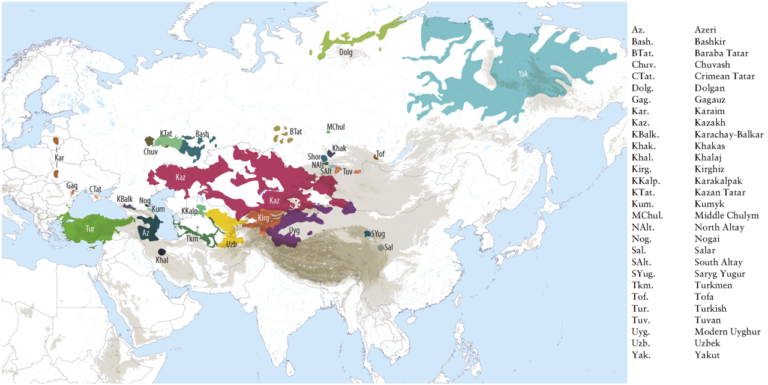
Branches of the Turkish Languages

https://doi.org/10.1093/jole/lzz010

HOW MANY BRANCHES OF THE TURKISH LANGUAGE ARE ON THE EARTH?
(AS WRITTEN LANGUAGES AND SPEAKING LANGUAGES)

The languages ​​of the Turks, who live in different regions of the world today, speak in various branches of the Turkish language (written or only spoken language) and have adopted different nation names, can be listed as follows:

A) TURKISH LANGUAGES WITH WRITTEN LANGUAGE (21 Turkish written languages):

1. OĞUZ GROUP: Gagauz, Turkish (Turkey Turkish, including in Cyprus), Azerbaijan Turkish, Turkmen.

2. KARLUK GROUP: Uzbek, Uyghur

3. KIPCHAK GROUP: Crimean Tatar, Tatar (Kazan or Tatarstan Tatar), Bashkortostan, Karachay-Balkarian, Kumyk, Nogai, Kazakh, Karakalpak, Kyrgyz, Karaim (written language of Lithuanian Karaites)

4. ALTAY GROUP: Altai, Tuvan (Tubai), Khakas

5. SAHA GROUP: Sahaca (Yakut)

6. BULGARIAN GROUP: Chuvash

B) NON-WRITTEN, BUT SPEAKING (more than 30):

1. IN IRAN: Khalaj (continuation of Old Hun Turkish), Kashgai, Khorasanian, South Oghuz (many large and small Turkish spoken languages): – On the subject of Turkish spoken languages ​​in Iran, Prof. Gerhard Doerfer and his doctoral student Prof. Sultan Tulu (Mugla University) experts.

2. IN CHINA: Salarca (Karluk-Oghuz mix -Kansu region), Yellow-Uyghur (Sharo-yugur “continuation of Old Uyghur” – Kansu region), Fuyu-Kyrgyz (Heilungjiyan, Manchuria region – continuation of Old Kyrgyz, separate from present-day Kyrgyz )

3. IN RUSSIA: Dolgan (now they use the Sahaca/Yakut written language), German-born Russian Turkologist Vilhelm Raddloff at the end of the 19th century identified about 20 different Turkish spoken languages ​​in the vast Siberian region of Tsarist Russia and published texts from their spoken language. But most of these languages ​​have disappeared in the last 60 years, with some of them still being spoken in a study published in Russia, most recently in 1998.

Prof. Dr. Timur Kocaoglu

…………………………………………………………

YERYÜZÜNDE TÜRK DİLİNİN KAÇ KOLU VAR?
(YAZI DİLLERİ VE KONUŞMA DİLLERİ OLARAK)

Bugün yeryüzünde birbirinden ayrı çeşitli yörelerde yaşayarak Türk dilinin çeşitli kollarında (yazı dili yada yalnızca konuşma dilinde) konuşan ve birbirinden ayrı ulus adlarını benimsemiş olan Türklerin dilleri şöyle sıralanabilir:

A) YAZI DİLİ OLAN TÜRK DİLİ KOLLARI (21 Türk yazı dili):

1. OĞUZ GRUBU: Gagauzca, Türkçe (Türkiye Türkçesi, Kıbrıstaki de içinde), Azerbaycan Türkçesi, Türkmence.

2. KARLUK GRUBU: Özbekçe, Uygurca

3. KIPÇAK GRUBU: Kırım Tatarcası, Tatarca (Kazan yada Tataristan Tatarcası), Başkortça, Karaçay-Balkarca, Kumukça, Nogayca, Kazakça, Karakalpakça, Kırgızca, Karayca (Litvanya Karaylarının yazı dili)

4. ALTAY GRUBU: Altayca, Tuvaca (Tubaca), Hakasça

5. SAHA GRUBU: Sahaca (Yakutça)

6. BULGAR GRUBU: Çuvaşça

B) YAZI DİLİ OLMAYAN, ANCAK KONUŞMA DİLİ OLANLAR (30’dan çok):

1. İRAN’DA: Halaçça (Eski Hun Türkçesinin devamı), Kaşgayca, Horasanca, Güney Oğuzca (çok sayıda irili ufaklı Türk konuşma dilleri): – İran’daki Türk konuşma dilleri konusunda Almanlardan Prof. Gerhard Doerfer ve onun doktora öğrencisi Prof. Sultan Tulu (Muğla Üniversitesi) uzmanlar.

2. ÇİN’DE: Salarca (Karluk-Oğuz karışımı -Kansu bölgesi), Sarı-Uygurca (Şaro-yugurca “Eski Uygurcanın devamı” – Kansu bölgesi), Füyü-Kırgızca (Heilungjiyan, Mançurya bölgesi – Eski Kırgızcanın devamı, bugünkü Kırgızcadan ayrı)

3. RUSYA’DA: Dolganca (artık Sahaca/Yakutça yazı dilini kullanıyorlar), 19. yüzyıl sonlarında Alman asıllı Rus Türkoloğu Vilhelm Raddloff Çarlık Rusyasının geniş Sibirya bölgesinde 20 kadar birbirinden ayrı Türk konuşma dillerini belirlemiş, onların konuşma dilinden metinler yayımlamıştı. Ancak bu dillerin çoğu son 60 yıl içinde yitip gitti, en son 1998’de Rusya’da yayımlanan bir araştırmada bunların bir bölümünün hala konuşulduğu belirtildi

Prof. Dr. Timur Kocaoğlu

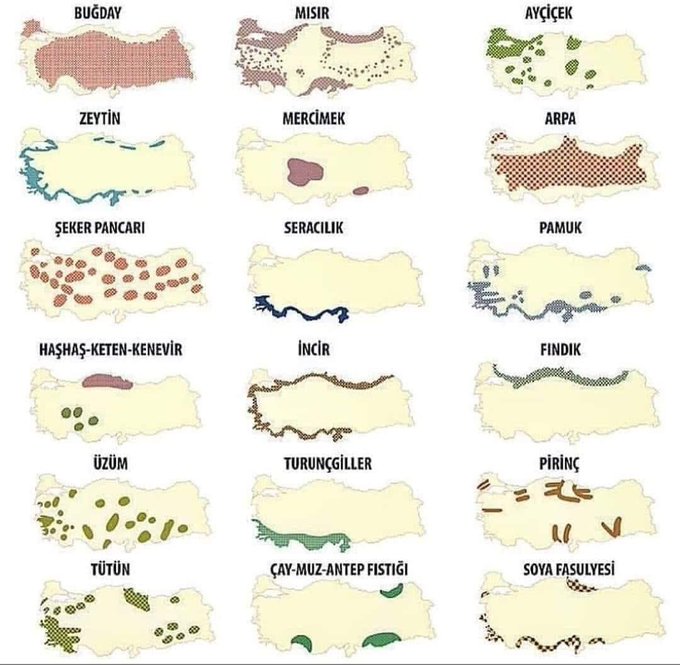
Turkish Agricultural Fields on product varieties

Wheat Buğday
Sweetcorn Mısır
Sunflower oil Ayçiçek Yağı
Olives Zeytin
Lentil Mercimek
Barley Arpa
Sugar beet Şekerpancarı
Greenhouse Seracılık
Cotton Pamuk
Hashish Haşşaş
Linen Keten
Hemp Kenevir
Fig İncir
Hazelnut Fındık
Grape Üzüm
Citrus Turunçgiller
Rice Pirinç
Tobacco Tütün
Tea Çay
Banana Muz
Pistachios Antepfıstığı
Soybean Soya Fasülyesi

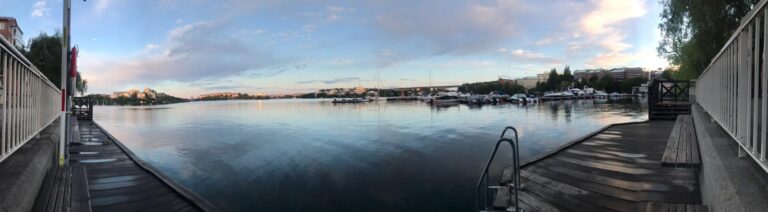
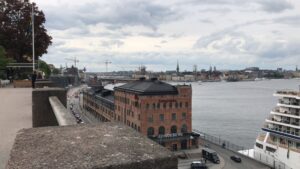
Stockholm downtown, Sweden


Founding Turkish Turkish Thinkers and Philosophers

FOUNDER TURKISH THINKERS&PHILOSOPHERS 

  • 1: Oğuz Kağan
  • 2: Bilge Tonyukuk
  • 3: Bilge Kağan
  • 4: Kül Tigin
  • 5: Ebu Hanife
  • 6: Harezmi
  • 7: Maturidi
  • 8: Farabi
  • 9: Biruni
  • 10: Harakani
  • 11: İbni Sina
  • 12: Kaşgarlı Mahmut
  • 13: Yusuf H Hacip
  • 14: NizamülMülk
  • 15: Gazali
  • 16: Ahmed Yesevi
  • 17: Şeyh Edebali
  • 18: Mevlana Celaleddin Rumi
  • 19: Hacı Bektaşı Veli
  • 20: Yunus Emre

From Oguz Kagan up to Yunus Emre it is the same universal understanding and philosophy developed for the human kind and humanity.

The following Turkish language works within the scope of the 20 List  starting with the stone Inscriptions and then with the dictionary, carried Turkish language to Wisdom.

It is the duty of living Turks to transmit and share the contents and messages in these founding books to humanity in world languages.

INSCRIPTIONS

  • Oguz Kagan
  • Tonyukuk
  • Bilge Kagan
  • Kül Tigin

DICTIONARY

  • Kasgarli Mahmut

WISDOM

  • Yusuf Has Hacip
  • Ahmed Yesevi
  • Yunus Emre

Divan-ı Hikmet (Türkçe – İngilizce)
Turkish Edition
Paperback

Kutadgu Bilig (Türkçe – Ingilizce) Paperback
Turkish Edition


Byzantium articles at TDV Encyclopedia of Islam

bizans için 42 madde bulundu.
BİZANS
Roma İmparatorluğu’nun devamı olarak 330-1453 yılları arasında Balkan yarımadası, Anadolu, Suriye, Filistin ve Mısır’da hüküm süren ve Doğu Roma diye de anılan imparatorluk.


AYASOFYA
Bizans devrinde İstanbul’un en büyük kilisesi iken fetihten sonra şehrin ulucamii haline getirilen ve etrafında zamanla bir külliye teşekkül eden mâbed.


HERAKLEİOS
Bizans imparatoru (610-641).


SAVÂİF  الصوائف
Bizans üzerine yaz aylarında düzenlenen seferler.


DUKAS
Bizans tarihçisi.


KORKUT CAMİİ
Antalya’da Bizans kilisesinden dönüştürülen cami.


RUM  الروم
Roma, Bizans, Rumlar ve Anadolu’yu ifade eden bir isim.


YERMÜK SAVAŞI  معركة اليرموك
Suriye’de Bizans egemenliğini sona erdiren ve müslümanların bölgeye hâkim olmasını sağlayan savaş (15/636).


AVÂSIM  العواصم
İslâm devletleriyle Bizans İmparatorluğu arasındaki müstahkem sınır bölgelerine verilen ad.


BYZANTINISCHE ZEITSCHRIFT
Almanya’da yayımlanan Bizans araştırmaları dergisi.


BYZANTION
Belçika’da yayımlanan Bizans araştırmaları dergisi.


CHALKOKONDYLES, Laonikos
XV. yüzyıl Bizans tarihçisi.


BALABAN AĞA MESCİDİ
İstanbul’da eski bir Bizans yapısından çevrilmiş mescid.


KAYSER  قيصر
Araplar’ın Roma ve Bizans imparatorları için kullandıkları unvan.


MÛTE SAVAŞI  غزوة مؤتة
Müslümanların Suriyeli hıristiyan Araplar ve Bizans ordusuyla yaptığı ilk savaş (8/629).


PACHYMERES, Georgios
Osmanlılar hakkında bilgi veren ilk Bizans tarihçisi.


AMMÛRİYE
İçbatı Anadolu’da İstanbul’dan Çukurova’ya giden eski Bizans askerî yolu üzerinde bugün harabeleri bulunan eski bir şehir ve kale.


BOZDOĞAN KEMERİ
İstanbul’da Geç Roma – Erken Bizans dönemine ait su kemeri.


CERÂCİME  الجراجمة
Toros ve Amanos dağlarında yaşayan ve Bizans İmparatorluğu’na asker olarak hizmet veren hıristiyan bir topluluk.


İMRAHOR İLYAS BEY CAMİİ
İstanbul’da XV. yüzyıl sonlarında eski bir Bizans kilisesinden çevrilen cami.
KALENDERHÂNE CAMİİ
İstanbul’da Fâtih Sultan Mehmed tarafından eski Bizans kilisesinden çevrilmiş cami.
KÜÇÜK AYASOFYA KÜLLİYESİ
İstanbul’da XVI. yüzyılın ilk yıllarında bir Bizans kilisesinden dönüştürülen cami ile etrafındaki vakıf binalar.
DAGĀTIR  ضغاطر
İslâmiyet’i kabul ettiği için halk tarafından öldürülen Bizans patriği.
HALEBÎ CAMİİ

Edirne’de Ayasofya adıyla da tanınan eski bir Bizans kilisesinden dönüştürülmüş cami.bk. AYASOFYA CAMİİ
REISKE, Johann Jacob
Şarkiyatçılığın öncülerinden, İslâm nümismatiğinin kurucusu, Grek ve Bizans uzmanı.
ARSLANHANE
İstanbul’da Osmanlı devrinde bazı hizmetlerde kullanılmış eski bir Bizans kilisesi.
BABA CÂFER ZİNDANI
İstanbul’da Haliç surlarındaki bir burcun altında ve içinde Bizans ve Osmanlı dönemlerinde hapishane olarak kullanılan yer.
ESEKAPISI MESCİDİ ve MEDRESESİ
İstanbul’da Cerrahpaşa semtinde XVI. yüzyılda mescide çevrilen bir Bizans kilisesi ve yanındaki Mimar Sinan yapısı medrese.
FENÂRÎ ÎSÂ CAMİİ
İstanbul’da XV. yüzyıl sonlarında camiye çevrilen eski bir Bizans kilisesi.
FETHİYE CAMİİ
İstanbul’da XVI. yüzyıl sonlarında camiye çevrilen eski bir Bizans kilisesi.
AKMANASTIR
Konya ile Sille arasında Mevlânâ’nın ziyaret ettiği bir Ortodoks Bizans manastırı.
KUMANLAR

Bizanslılar ve Latinler tarafından Kıpçaklar’a verilen ad.bk. KIPÇAKLAR
SPHRANTZES, Georgios
Bizanslı tarihçi.
MALAZGİRT MUHAREBESİ
1071’de Bizans’la yapılan ve Türkler’e Anadolu’nun kapılarını açan meydan savaşı.
TEBÜK GAZVESİ  غزوة تبوك
Hz. Peygamber’in Bizanslılar’a karşı düzenlediği gazve (Receb 9 / Ekim 630).
ZÂTÜSSAVÂRΠ ذات الصواري
Müslüman Araplar’la Bizanslılar arasında yapılan ve müslümanların galibiyetiyle sonuçlanan ilk deniz savaşı (31/652 veya 34/655).
BATTAL GAZİ
Emevîler devrinde Anadolu’da Bizans’a karşı yapılan savaşlarda ün kazanmış, müslümanlar ve bilhassa Türkler arasında büyük bir gazi-velî hüviyetiyle yüceltilip destan kahramanı yapılmış müslüman emîr.
DÂNİŞMENDNÂME  دانشمندنامه
XI. yüzyılda İç Anadolu’da Bizans’a karşı yaptığı fetihlerle şöhret bulan ve burada kendi adıyla anılan bir devlet kuran Dânişmend Gazi’nin adı etrafında teşekkül etmiş fetih menkıbelerinden oluşan destanî roman.
ECNÂDEYN SAVAŞI  وقعة الأجنادين
Müslümanların Suriye ve Filistin’i fethi sırasında Bizanslılar’la yaptıkları ilk savaş (13/634).
MİRYOKEFALON SAVAŞI

Anadolu Selçuklu Sultanı II. Kılıcarslan ile Bizans İmparatoru I. Manuel Komnenos arasında 1176’da meydana gelen ve Bizans’ın Anadolu’yu Türkler’den geri alma ümidini tamamen yok eden savaş.bk. KILICARSLAN II
MUKAVKIS  المقوقس
Mısır’ın fethi sırasındaki İskenderiye patriği ve Bizans’ın Mısır genel valisi.
KRITOVULOS, Mikhael
XV. yüzyılda Fâtih Sultan Mehmed’in hayatına ve seferlerine dair eseriyle tanınan Bizanslı tarihçi.

Turks at BooksonTurkey

https://booksonturkey.com/c/for-turkey-travellers/trks/