Home Blog Page 128

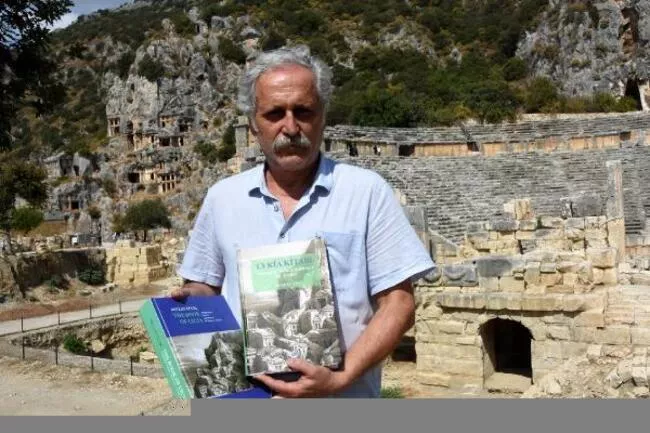
Lycia of Turkey

Lykia Monuments

Lykia Map


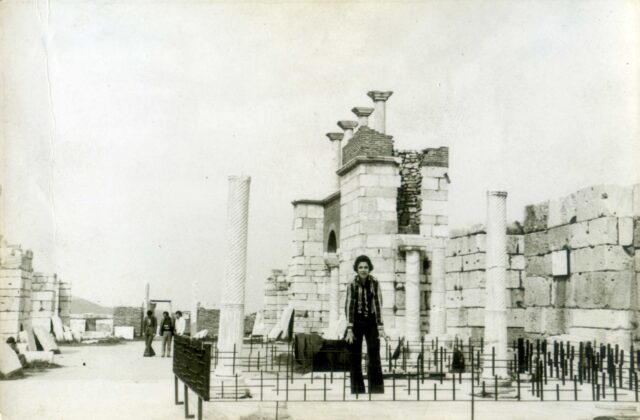
Lycia is situated at the south-western tip of Anatolia, to the south of Caria. The Hellenes gave it this name at the time of Homer. It is thought that its people were those referred to as “Lukka” in the Hittite documents, and that they were probably influenced by the Luvians. Homer wrote that they were descended from a Hellene, Glaukos, and a Lycian princess, so as to be able in part to attribute the oriğin of the Lycians to the Hellenes. Herodotus himself states that the Lycians were the result of a fusion of an indigenous population with Cretan immigrants brought there by Sarpedon, and regards this version of their origin as a tradition inherited from Crete and Caria.

Ephorus, the author (in the fourth century BC) of the first universal history, states also that the immigrant Cretans, after having founded Miletus in Caria, spread towards the interior and the south of Anatolia. It is possible that Herodotus, who was interested in the relationship of the Lycians with Crete, allowed himself to be influenced by Cretan emigrants of his own times.

It is more probable that things happened the other way round, and that it was Crete which was influenced by Anatolian emigrants. The Lycian language, which has not yet been deciphered, would also have been an indigenous language, not Indo-European. Philologists are generally in agreement on the Anatolian origin of this language, from which Greek later borrowed part of its vocabulary.

Turkey photographs

Turkey Photographs


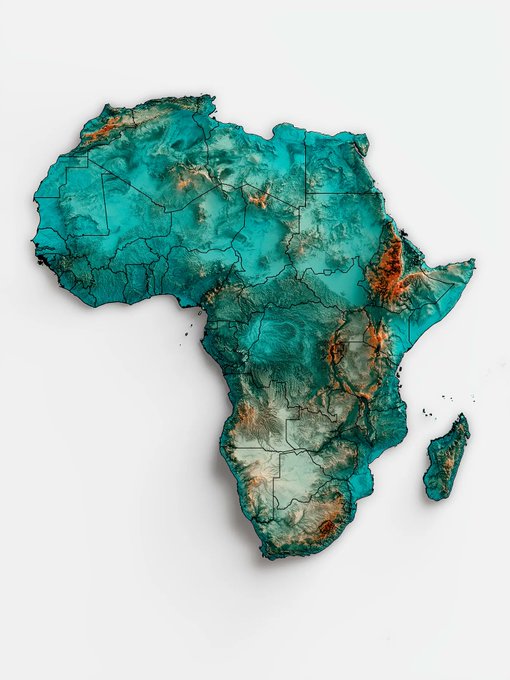
Turkish influence in Sub Saharan Africa

Turkish Influence in Sub-Saharan Africa


Lists of people of Turkish origin by country

Turkish Shamanism /Türk Şamanizmi

SHAMANISM IN OUR DAILY LIFE

Shamanism culture still continues in Anatolia.

After the Turks accepted Islam, they do not forget their old culture in Central Asia, they continue their habits, customs and traditions within the Islamic culture.
The relationship of these beliefs with shamanism, the first meaning among the people, has been forgotten.
Turks, Greeks, Armenians, Arabs, Kurds, Persians, etc. living in Anatolia at that time. He made a synthesis by combining the elements of their own culture with their own shamanic cultures and formed the present Anatolian Culture.

Some of these habits that are thought to originate from shamanism:

EVIL EYE

It means look in Arabic. To come to the eye in Turkish is also called the touch of autumn. All societies in the world have similar beliefs. Nowadays it is used to mean negative energy. In shamanism it was known as the influence of evil spirits on man. These evil spirits would emanate from human eyes. In Anatolia, hand and eye charms and amulets protect people and their assets from these evil eyes. The blue bead has become one of the cultural symbols of the Turks in the world. Interestingly, the Greeks are now marketing the blue bead as a touristic item.

LEAD BULK

Shamans call it “Kut Kuyma” (kut pouring). The shamanic ritual performed to eliminate evil spirits (negative effects) on a person, to drive them away from that person and to bring back his luck (Kut) continues today without any change. It is seen from the shapes formed when molten lead is poured into water, which evil spirits come out of man through lead.
THREE TIMES

This tradition is seen in every country from India to America. Shamans hug or hit trees to get rid of evil spirits in tree cult (worship). Today, hitting the tree continues as hitting three times. It is done to transfer the negative energy accumulated in the body or in the environment to the wood by hitting the wood.

VISITING YACHTS, TOMBS, VENTION PLACES

Although it is forbidden to seek help from the dead and to light candles in Islam, shrines are visited in awe and candles are lit all over Anatolia. This very influential folk belief is based on the “Cult of the Ancestors” in Shamnism. In this lies the belief that the spiritual beings of the ancestors helped the living. Burning candles can be a wish of shamans by looking at the fire, or it can be a learned tradition from Christians living in Anatolia.

BINDING rags to the tree, to the tomb

In shamanism, it is an extension of the offerings dedicated to mountain, forest, tree and water spirits.

Visiting the graves of people known or thought to be saints, dedes and eren in Anatolia frequently and making votive offerings to these graves is also related to the cult of ancestors. The cult of ancestors is the custom of commemorating deceased ancestors frequently, offering sacrifices to them. It is done in return for the belief that the spirits of the ancestors will do good to those who are left behind and the feelings of gratitude to them.

Millet

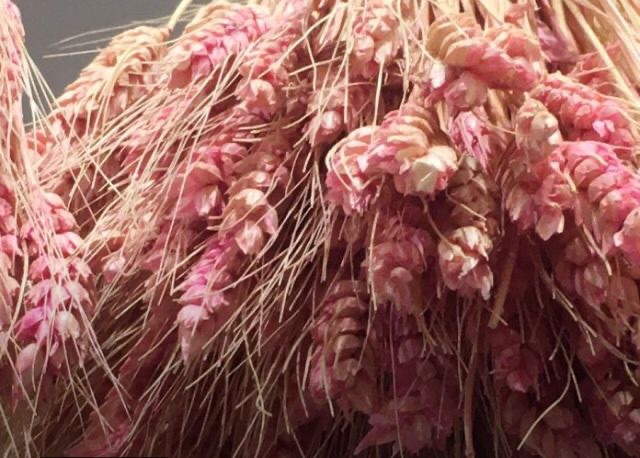
Wheat or millet (corn) grains are symbols of fertility. They are food created by the gods to feed humans. Handfuls of these grains were scattered to the gods during shamanic ceremonies (hair ceremonies in shamanism). It is a symbol of awakening, enlightenment. It is the tradition of thanking them that invokes good spirits. Proliferation is done to wish goodness to come in abundance. The giving of a coin after it has been turned around the head comes from the same ritual.

RAIN PRAYER

In shamanism, there is the Yada stone, which is believed to have the power to make rain and bring storms. This stone was brought together with water in the spring or fountain of the village with prayers, so it was believed that it would make it rain. After the Turks became Muslims, they combined it completely with Islamic rituals.

DEAD VACCINE

The ancient Turks, whom they called Yog, considered it an important duty to give food to their dead. This meal was either placed in the grave or poured into the grave. This later turned into distributing food and halva for the benefit of the dead. In Anatolia, the dead are commemorated on the 7th, 40th or 50th day of death by handing out halva or food.

READ MEVLUT AFTER DEATH

Shamans held rituals to assist them after their dead. This purpose of aid lies in the Mevlut (birth), which is not found in any Islamic country. It was written in Turkish by Mevlut Süleyman Çelebi in 1409. Previously, only St. While it is read on the birthday of the Prophet, it is read on holy nights, death, illness, marriage and many other reasons.

tombstones

There is no tombstone tradition in Islam. It is desired that the dead become integrated with the soil and disappear in time. Laying stones on graves. It is seen only in Anatolia in the Islamic world.

In addition, mass grave visits are among the old customs of the Turks related to the cult of the dead. The fact that the dead are not buried after sunset is also a legacy of Shamanism. It was believed that after sunset the earth was sealed. Digging the ground after sunset would cause evil spirits to come out. Tombstones (balbal) in the Turks have developed a lot over time, all of them have become works of art.

OTHER TRADITIONS

Raising the palate with the thumbs when scared
biting the tongue when talking about something good
Giving children names as if they lived, sold, stopped for longevity
Scattering things like millet, wheat, money on the heads of the bride and groom
Naming the child so that it has the characteristics of the ancestor
Jumping over the fire in Hıdrellez and Nowruz celebrations
Women without children praying to trees, tying rags
The lie of “Storks brought you” to children (Umay Cult)
Stealing cans or shooting bullets during solar and lunar eclipses
Not to cut nails at night, not to stand in the doorway,

NOTES

It is seen that the tombstone tradition is partially settled in the Islamic countries where the Ottomans are located. Nowadays, this custom is increasing in some Islamic countries.
The similarity between the evil eye bead and Medusa’s blue eyes is very interesting.

SOURCE Cultural Origins of Turks Ergun Candan Cross-Border Y. 2006, İst. (Greetings Celal KÜÇÜK)
…………………………………………………………….

GÜNDELİK HAYATIMZDAKİ ŞAMANİZM

 Şamanizm kültürü Anadolu’da hala devam etmektedir.

  • Türkler İslamiyet’i kabul ettikten sonra Orta Asya’daki eski kültürlerini unutmazlar, alışkanlıklarını, gelenek ve göreneklerini İslam kültürü içerisinde devam ettirirler.
  • Halk arasında bu inanışların şamanizmle ilişkisi, ilk anlamı artık unutulmuştur.
  • Türkler, Anadolu’da yaşayan o zamanki Rum, Ermeni, Arap, Kürt, Fars vs. kültürlerine ait ögelerle kendi şamanik kültürlerini birleştirerek bir sentez yapmış ve bugünkü Anadolu Kültürünü oluşturmuştur.

Bunlardan Şamanizm kökenli olduğu sanılan bazı alışkanlıklar:

NAZAR

Arapça bakış demektir. Türkçe’de göze gelmek, güzün değmesi de denir. Dünyada tüm toplumlarda benzer inançlar vardır. Bugünlerde negatif enerji anlamında kullanılmaktadır. Şamanizm’de kötü ruhların insan üzerindeki etkisi olarak biliniyordu. Bu kötü ruhlar insan gözünden yayılırdı. Anadolu’da el ve göz nazarlıklar ve uğurluklar bu kötü gözlerden insanları ve varlıklarını korur. Mavi boncuk dünyada Türklerin kültür sembollerinden biri olmuştur. İlginç olan Grekler de artık mavi boncuğu bir turistik eşya olarak pazarlamaktalar.

KURŞUN DÖKME

Şamanlar buna “Kut Kuyma” (kut dökme) derler. Bir kişinin üzerindeki kötü ruhları (negatif etkileri) ortadan kaldırmak, onları o insandan uzaklaştırmak ve talihini (Kut) geri getirmek için yapılan şaman ritüeli bugün hiç değişmeden aynen devam etmektedir. Eritilmiş kurşun suya dökülünce oluşan şekillerden de hangi kötü ruhların kurşun vasıtasıyla insandan çıktığı görülür.

ÜÇ KEZ TAHTAYA VURMA

Bu gelenek Hindistan’dan Amerika’ya kadar her ülkede görülür. Şamanlar ağaç kültünde (tapınmada) kötü ruhlardan kurtulmak için ağaçlara sarılırlar veya ağaçlara vururlar. Bugün artık ağaca vurmak kısmı, üç kez vurmak şeklinde devam etmektedir.  Bedende birikmiş veya çevredeki negatif enerjiyi, tahtaya vurarak tahtaya aktarmak için yapılır.

YATIRLARI, TÜRBELERİ, ADAK YERLERİNİ ZİYARET ETME

İslam’da ölülerden medet ummanın, mum yakmanın yasak olmasına karşın, Anadolu’nun her tarafında türbeler huşu içinde ziyaret edilir ve mum yakılır. Bu çok etkili halk inancı Şamnizmdeki “Atalar Kültü”ne dayanır. Bunda ataların ruhsal varlıklarının yaşayanlara yardımda bulundukları inancı yatar. Mum yakma şamanların ateşe bakarak dilekte bulunmaları olabildiği gibi Anadolu’da yaşayan Hristiyanlardan da öğrenilmiş bir gelenek olabilir.

AĞACA, TÜRBEYE ÇAPUT BAĞLAMA

Şamanizm’de dağ, orman, ağaç ve su ruhlarına adanan adakların günümüze uzantısıdır.

Anadolu’da evliya, dede, eren olarak bilinen veya sanılan kişiliklerin mezarlarını sık sık ziyaret edip, bu mezarlara adak olarak çaputlar bağlamak da atalar kültüyle ilgilidir. Atalar kültü, ölmüş atalara saygı göstermek için onları sık sık anma, onlara kurbanlar sunma geleneğidir. Ataların ruhlarının geride kalanlara iyilik yapacağı inancı ve onlara duyulan minnet duyguları karşılığında yapılır.

DARISI BAŞIMIZA

Buğday veya darı (mısır) taneleri bereket sembolleridir. Tanrıların insanları beslemesi için yarattıkları gıdalardır. Şaman törenlerinde tanrılara bu tahıllar avuç dolusu saçılırdı (şamanizmde saçı törenleri). Uyanışın, aydınlanmanın sembolüdür. İyi ruhları çağıran, onlara teşekkür etme geleneğidir. Çoğalmak, iyiliğin bolca gelmesini dilemek için yapılır. Bir paranın başın etrafında çevrildikten sonra verilmesi de aynı ritüelden gelir.

YAĞMUR DUASI

Şamanizm’de yağmur yağdırma, fırtına çıkarma gücüne sahip olduğuna inanılan Yada taşı vardır. Bu taş dualarla köyün pınarında veya çeşmesinde suyla buluştururlur böylece yağmur yağmasını sağlayacağına inanılırdı. Türkler Müslüman olduktan sonra bunu tamamen islami ritüellerle birleştirmişlerdir.

ÖLÜ AŞI

Eski Türkler adına Yoğ dedikleri, ölülerine aş vermeyi önemli bir görev sayarlardı. Bu aş ya mezara konulur, ya da mezara dökülürdü. Bu daha sonra ölünün hayrına aş, helva dağıtmaya dönüşmüştür. Anadolu’da ölü, ölümün 7. 40. veya 50. gününde helva veya yemek dağıtarak anılır.

ÖLÜNÜN ARDINDAN MEVLUT OKUTMAK

Şamanlar ölülerinin ardından onlara yardımcı olmak için ayinler düzenlerdi. Hiçbir İslam ülkesinde olmayan mevlut’de de (doğum) bu yardım amacı yatmaktadır. Mevlut Süleyman Çelebi tarafından 1409 yılında Türkçe yaazılmıştır. Önceleri yalnız Hz. Peygamber!in doğum gününde okunurken daha sonraları kutsal gecelerde, ölümde, hastalıkta, nikahta ve daha birçok nedenlerle okutulmaktadır.

MEZAR TAŞLARI

İslamiyet’te mezar taşı geleneği yoktur. Ölünün toprakla bütünleşmesi ve zaman içinde kaybolması istenir. Mezarlara taş dikilmesi. İslam dünyasında sadece Anadolu’da görülür.

Ayrıca toplu mezar ziyaretleri de ölüler kültüyle ilgili Türklerin eski adetlerindendir. Ölülerin güneş battıktan sonra gömülmemesi de Şamanizm’den kalmadır. Güneş battıktan sonra yerin mühürlendiğine inanılırdı. Güneş battıktan sonra yerin kazılması kötü ruhların dışarıya çıkamasına neden olurdu. Türkler’de mezar taşları (balbal) zamanla çok gelişmiş, hepsi birer sanat eseri haline gelmiştir.

BAŞKA GELENEKLER

  • Korkunca başparmakla damak kaldırmak
  • İyi bir şeyden bahsederken dil ısırmak
  • Çocuklara uzun ömürlü olmaları için yaşar, satılmış, durmuş gibi adlar koymak
  • Gelin ve damadın başına darı, buğday, para gibi şeyler saçmak
  • Çocuğa atasının özelliklerine sahip olması için ata adını vermek
  • Hıdrellez ve Nevruz kutlamalarında ateşin üstünden atlamak
  • Çocuğu olmayan kadınların ağaçlara dua ederek, çaput bağlaması
  • Çocuklara “Seni leylekler getirdi” yalanı (Umay Kültü)
  • Güneş ve ay tutulmasında teneke çalmak veya havaya kurşun sıkmak
  • Geceleri tırnak kesmemek, kapı eşiğinde durmamak,

NOTLAR

  1. Osmanlıların bulunduğu İslam ülkelerinde mezar taşı geleneğinin kısmen yerleştiği görülür. Bugünlerde bazı islam ülkelerinde bu adet çoğalmaktadır.
  2. Nazar boncuğu ile Medusa’nın mavi gözleri arasındaki benzerlik çok ilginçtir.

KAYNAK Türklerin Kültür Kökenleri Ergun Candan Sınır Ötesi Y. 2006, İst. (Selamlar Celal KÜÇÜK)


Most Wished For in Istanbul Travel Guides


Most Wished For in Istanbul Travel Guides
#1
The Turkish Cookbook
Musa Dagdeviren
4.7 out of 5 stars 616
Hardcover
$38.92

#2
Lonely Planet Istanbul 10 (Travel Guide)
Virginia Maxwell
4.4 out of 5 stars 24
Paperback
33 offers from $15.13

#3
Fodor’s Essential Turkey (Full-color Travel Guide)
Fodor’s Travel Guides
4.7 out of 5 stars 86
Paperback
39 offers from $13.96

#4
Rick Steves Istanbul: With Ephesus & Cappadocia
Lale Surmen Aran
4.8 out of 5 stars 60
Paperback
$14.99

#5
Venice: A New History
Thomas F. Madden
4.5 out of 5 stars 270
Paperback
61 offers from $3.00

#6
Fodor’s Essential Europe: The Best of 25 Exceptional Countries (Travel Guide Book 3)
Fodor’s Travel Guides
4.4 out of 5 stars 88
Kindle Edition
$14.99
Rick Steves Istanbul: With Ephesus & CappadociaThe Turkish CookbookFodor’s Essential Turkey (Full-color Travel Guide)Best Sellers
in Istanbul Travel GuidesThe Turkish CookbookFodor’s Essential Europe: The Best of 25 Exceptional Countries (Travel Guide, 3)Pocket Rough Guide Istanbul (Travel Guide eBook): (Travel Guide with free eBook) (Rough Guides Pocket)Gift Ideas
in Istanbul Travel Guides

#7
Notes on a Foreign Country: An American Abroad in a Post-American World
Suzy Hansen
4.3 out of 5 stars 195
Paperback
$14.90

#8
Rick Steves Istanbul: With Ephesus & Cappadocia
Lale Surmen Aran
4.8 out of 5 stars 60
Kindle Edition
$3.99

#9
Turkish Short Stories for Beginners: 20 Captivating Short Stories to Learn Turkish & Grow Your Vocabulary the Fun Way! (Easy
Turkish Short Stories for Beginners: 20 Captivating Short Stories to Learn Turkish & Grow Your Vocabulary the Fun Way! (Easy Turkish Stories)
Lingo Mastery
4.4 out of 5 stars 85
Paperback
$14.79

#10
Notes on a Foreign Country: An American Abroad in a Post-American World
Suzy Hansen
4.3 out of 5 stars 195
Kindle Edition
$11.99

#11
Fodor’s Essential Europe: The Best of 25 Exceptional Countries (Travel Guide, 3)
Fodor’s Travel Guides
4.4 out of 5 stars 88
Paperback
56 offers from $3.09

#12
Creative Haven NightScapes Coloring Book (Adult Coloring)
Lindsey Boylan
3.7 out of 5 stars 13
Paperback
$5.99

#13
Emre Arolat Architects: Context and Plurality
Philip Jodidio
2.0 out of 5 stars 1
Hardcover
7 offers from $34.78

#14
Notes on a Foreign Country: An American Abroad in a Post-American World
Suzy Hansen
4.3 out of 5 stars 195
Hardcover
$16.69

#15
Magic Bus: On the Hippie Trail from Istanbul to India
Rory MacLean
4.3 out of 5 stars 62
Paperback
16 offers from $8.45

#16
2000 Most Common Turkish Words in Context: Get Fluent & Increase Your Turkish Vocabulary with 2000 Turkish Phrases (Turkish L
2000 Most Common Turkish Words in Context: Get Fluent & Increase Your Turkish Vocabulary with 2000 Turkish Phrases (Turkish Language Lessons)
Lingo Mastery
4.3 out of 5 stars 135
Paperback
$13.52

#17
Byzantine Secrets of Istanbul
Izabela Miszczak
5.0 out of 5 stars 5
Paperback
$12.00

#18
Exile: Portraits of the Jewish Diaspora
Annika Hernroth-Rothstein
4.7 out of 5 stars 21
Hardcover
$19.41

#19
Knopf Guide: Istanbul (Knopf Guides)
Knopf Guides
4.6 out of 5 stars 5
Paperback
26 offers from $2.22

#20
Istanbul: City of Majesty at the Crossroads of the World
Thomas F. Madden
4.7 out of 5 stars 159
Hardcover
22 offers from $3.33

#21
Istanbul: The Imperial City
John Freely
4.0 out of 5 stars 58
Paperback
$13.40

#22
Travel Adventures for the Young at Heart: Two high-spirited seniors capture glittering memories and fascinating discoveries i
Travel Adventures for the Young at Heart: Two high-spirited seniors capture glittering memories and fascinating discoveries in Amsterdam, Barcelona, Venice, Athens, Istanbul and other magical places.
Sunny and Al Lockwood
4.5 out of 5 stars 16
Kindle Edition
$5.99

#23
DK Eyewitness Istanbul (Travel Guide)
DK Eyewitness
4.8 out of 5 stars 49
Paperback
15 offers from $12.63

#24
Crescent and Star: Turkey Between Two Worlds
Stephen Kinzer
4.5 out of 5 stars 159
Paperback
$16.23

#25
Istanbul Crumpled City Map (Crumpled City Maps)
5.0 out of 5 stars 2
Map

#26
Rick Steves Istanbul
Lale Surmen Aran
4.7 out of 5 stars 83
Paperback
23 offers from $2.73

#27
Lonely Planet Istanbul (Travel Guide)
Lonely Planet
4.7 out of 5 stars 152
Paperback
32 offers from $1.75

#28
DK Eyewitness Top 10 Istanbul (Pocket Travel Guide)
DK Eyewitness
4.5 out of 5 stars 71
Paperback
22 offers from $8.35

#29
Rick Stein: From Venice to Istanbul: Discovering the Flavours of the Eastern Mediterranean
Rick Stein
4.7 out of 5 stars 1,261
Kindle Edition
$17.99

#30
Welcome to Hell?: In Search of the Real Turkish Football
John McManus
4.6 out of 5 stars 66
Kindle Edition
$3.99

#31
Sinan Diaryz: A Walking Tour of Mimar Sinan’s Monuments
Ann Pierpont
3.7 out of 5 stars 6
Paperback
14 offers from $12.11

#32
Fodor’s Essential Turkey (Full-color Travel Guide)
Fodor’s Travel Guides
4.7 out of 5 stars 86
Kindle Edition
$13.49

#33
Crescent and Star: Turkey Between Two Worlds
Stephen Kinzer
4.5 out of 5 stars 159
Kindle Edition
$11.99

#34
Lonely Planet Istanbul (Travel Guide)
Lonely Planet
4.7 out of 5 stars 152
Kindle Edition
$13.19

#35
IGA Vegetarian Turkish Cuisine : EASY-TO-MAKE MEZZE DISHES
MURAT ERSOY
5.0 out of 5 stars 9
Paperback
$33.95

#36
Rick Stein’s Secret France
Rick Stein
4.7 out of 5 stars 2,442
Kindle Edition
$17.99

#37
The Orient Express: The History of the World’s Most Luxurious Train 1883-1977 (Golden Age of Travel)
Anthony Burton
4.6 out of 5 stars 15
Paperback
2 offers from $23.03

#38
On Foot to the Golden Horn: A Walk to Istanbul
Jason Goodwin
4.2 out of 5 stars 30
Kindle Edition
$3.99

←Previous page
1
2
Next page→
‹ Any Department
‹ Books
‹ Travel
‹ Asia
Turkey
General
Istanbul

Inspired by your browsing history
Snow
Snow
Orhan Pamuk
4.1 out of 5 stars 200
Paperback
326 offers from $0.99

The White Castle: A Novel
Orhan Pamuk
4.2 out of 5 stars 117
Paperback
$15.91
Get it as soon as Tuesday, Mar 29
$12.51 shipping

The Forty Rules of Love: A Novel of Rumi
Elif Shafak
4.6 out of 5 stars 6,236
Paperback
62 offers from $6.94

Tanpinar’s ‘Five Cities’ (Anthem Cosmopolis Writings)
Ahmed Hamdi Tanpinar
5.0 out of 5 stars 2
Paperback
$15.95
$12.78 shipping

I Will Never See the World Again: The Memoir of an Imprisoned Writer
Ahmet Altan
4.7 out of 5 stars 330
Paperback
$15.99
$12.72 shipping

Orhan Pamuk: Balkon
Orhan Pamuk: Balkon
Orhan Pamuk
3.0 out of 5 stars 4
Hardcover
$29.17
$16.85 shipping
Related to items you viewed

Last Train to Istanbul: A Novel
Ayşe Kulin
4.1 out of 5 stars 5,173
Paperback
$10.99
$13.46 shipping

The Black Book
The Black Book
Orhan Pamuk
4.0 out of 5 stars 107
Paperback
$16.95
Get it as soon as Thursday, Mar 24
$13.46 shipping

The Location of Culture (Routledge Classics)
Homi K. Bhabha
4.5 out of 5 stars 88
Paperback
$30.36
Get it as soon as Thursday, Mar 24
$14.60 shipping

Memed, My Hawk
Memed, My Hawk
Yashar Kemal
4.7 out of 5 stars 86
Paperback
$12.99
$13.77 shipping

Çalikuşu (the Wren): The Complete English Translation
Reşat Nuri Güntekin
4.7 out of 5 stars 139
Kindle Edition
$9.99

The Red-Haired Woman (Vintage International)
Orhan Pamuk
4.1 out of 5 stars 264

Istanbul Mornings


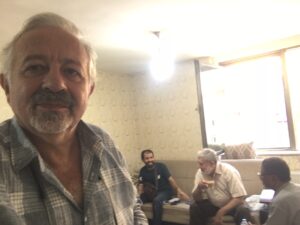
Sudanese Author Mohammed Abbas in Istanbul

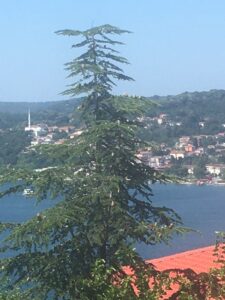
Beykoz, Bosphorus, Istanbul

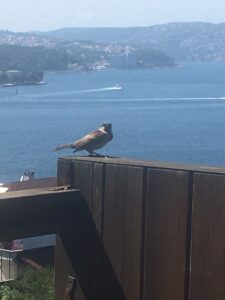
Beykoz, a district on the Asian side of Istanbul along the Bosphorus, is considered beautiful for various reasons. Its charm lies in the harmonious blend of nature and history. The area is characterized by lush greenery, with hills, forests, and a serene coastline along the Bosphorus.

Beykoz preserves historical landmarks, including Ottoman-era mansions and waterfront properties, adding a touch of architectural richness. The district is also home to traditional neighborhoods, providing a more relaxed atmosphere compared to the bustling city center.

The combination of natural landscapes, historic architecture, and a tranquil ambiance contributes to the beauty of Beykoz, making it an appealing destination for residents and visitors seeking a peaceful retreat within the vibrant city of Istanbul.

Beykoz, Bosphorus, Istanbul


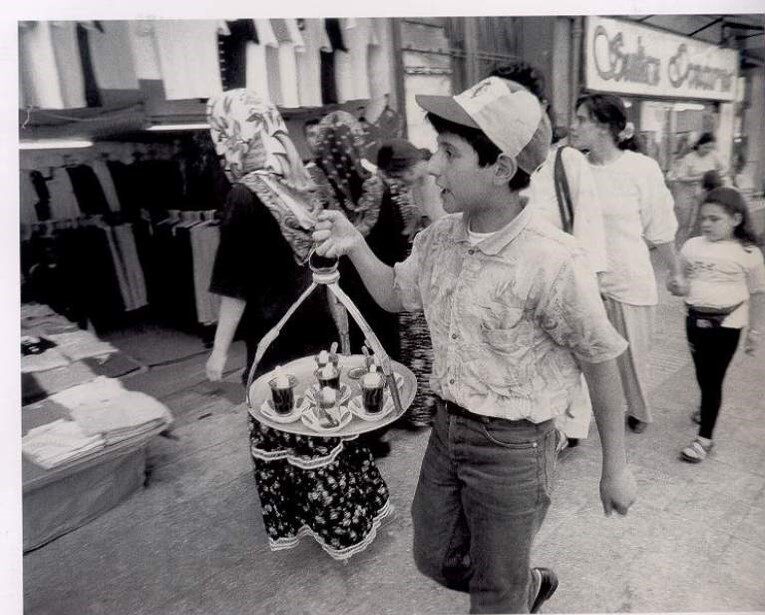
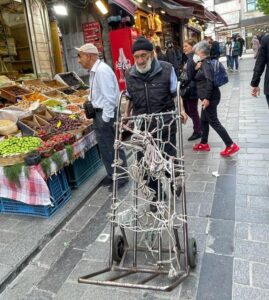
Scenes of Life from Turkey 3

Compilation by journalist Bayram Öz, Istanbul, Turkey