Home Blog Page 278

The Identity of Scythian and Turk: In the Base of Cultural History

by Dr. Emine Sonnur Özcan (Author)
Click here to buy the book

The Identity of Scythian and Turk in the Base of Cultural History

EMİNE SONNUR ÖZCAN

Copyright © 2020 Emine Sonnur Özcan

All rights reserved.

For Abu Rayhan Mohammad b. Ahmad al-Birûnî (973-1061)

INTRODUCTION

The main object of this research is “the Scythians” and “the Turks” from the earliest to medieval times: from a cultural history perspective, they can be regarded fundamentally similar. To provide evidence-based data for the argument, various aspects of the lifestyle typical of these nomadic communities, and their agglutinative language are going to be discussed in the study.

Throughout history, any group of people on the earth, need others to be identified and named. In this context, the first descriptions about features of the nomadic Scythians-Turks and their geographical region they lived in could go back to the resident communities in the areas inhabited by the Sumerians. People possessing Scythians and Turks features, and commonly classified as “Tûrânians” in the 19th century and early 20th century, were also referred to as “Martu”, “Subir”, “Elam”, “Turukku”, “Isquza” and “Sahi” in Mesopotamia, the recognized cradle of civilization. If we look at the Iranian world, the Scythians-Turks, with their language and lifestyle elements similar to the nomadic people of Mesopotamia, were called as “Tûr” or “Tûc”, “Turk”, “Tûrânî” and “Saka”. When we turn to the ancient Greeks, in their early sources we can find the description of the Scythians-Turks under the names of “Tauries” (people living in the Caucasus Taurus), “mare drinkers” (Hippemolgi), “the most righteous people” (Abii) and “Scythians”. The authors of the Roman period used to refer to those communities as “Scythae” and “Turcae”.

Among the names mentioned above –all of them will be addressed in more detail below– “Scythians” and “Turks” have been used for identifying the peoples who belong to horse-based nomadic culture the commonest and the longest. Thus, having in view that these two different names are used to denote almost the same cultural community, in this study, the unified term “Scythians-Turks” has been applied to provide more theoretical insight into the issue and harmonize further description.

Conflict and identity, as a kind of mirror of the societies in a broad sense, also mean a variety of existence. The history of the conflict “sedentarynomadic”, or of the people who reside in fortified cities and the mountain dwellers with their yurts and flocks leading a nomadic way of life, is as ancient as the history of the world: thus, the first known epic story Gilgamesh narrates about that kind of conflict. However, as the great scholar of Khwarezm Abu Reyhan al-Birunî (973-1061) claims, world civilization is shaped under the influence of diverse needs of people inhabiting the Earth in the course of evolution1. Accordingly, the author of this study believes that any “delusion of grandeur” to “others” within any community is limited throughout history in time, space and belongingness. The most likely distinctive feature establishing the superiority of one society over others and ensuring the continuity of life as such is respect for nature and harmonious coexistence with it.

1 Shlomo Pines, Tuvia Gelblum, “Al-Bīrūni and Patañjali”, Bulletin of the School of Oriental and African Studies, vol. 29, no. 2, 1966, p. 302.

Emine Sonnur Özcan

CONTENTS

INTRODUCTION…………………………………………………………………………………. vii

SCYTHIANS-TURKS IN EARLY MESOPOTAMIAN SOURCES………. 1

  1. Nomad Warrior People in Mesopotamia and the Scythians-Turks………… 1

a.1. The Martus…………………………………………………………………………………………. 6

a.2. The Subirs…………………………………………………………………………………………. 9

a.3. The Elamites………………………………………………………………………………………13

a.4. The Turukkeans…………………………………………………………………………………15

a.5. The Kingdom of Mari Terqa and Khana……………………………………………17

Bibliography……………………………………………………………………………………………..20

SCYTHIANS AND TURKS IN MEDIEVAL WRITTEN SOURCES:

SIMILARITY IN LIFESTYLE ……………………………………………………………….24

  1. a. Geographical and political division in the ancient world ………………….24
  2. The division of Seven Climates (Climes)………………………………………………………..25
  3. The division of Faridûn…………………………………………………26
  4. The division of the Prophet Noah ………………………………………………………………..27
  5. The division of the Greeks ………………………………………..27
  6. The division of Hermes……………………………………………………………………..28
  7. The division of the Indians………………………………………………………….29
  8. b. The Scythians/Sakas/Turks in Persian and Assyrian Sources………………………..31

b.1. The Sakas/Turks in Persian Sources…………………………………………………………..31

b.2. The Scythians/Sakas in Assyrian Sources …………………………………………………..40

b.3. Cultural uniformity of the Scythians-Turks in Ancient Greek, Roman,

Chinese Sources ……………………………………………………………………………………….42

b.3.1. The Tauri Scythians………………………………………………………………………..51

b.3.2. The Scythians as barbaric communities…………………………………………..55

THE SCYTHIAN-TURKIC SIMILARITY: FINDING COMMON

GROUND IN ANCIENT SOURCES ……………………………………………………57

THE IDENTITY OF SCYTHIAN AND TURK

v

III. a. Warlike people who avoided wars: simplicity, bravery and honesty..57

III. b. Scythian-Turkic clothing ………………………………………………………………..74

III. c. Felt………………………………………………………………………………………………….77

III. d. Scythians-Turks’ dwelling: wagons-houses……………………………………..80

III. e. Scythian-Turkic alimentary tradition and culture: main nutrition

elements……………………………………………………………………………….84

III. e. 1. Millet (dari) …………………………………………………………………………………84

III. e. 2. Horse, Mare’s milk, kumis (koumiss), and meat………………………….86

III. e. 3. Scythian and Turkic women: freedom and equal rights in the

community …………………………………………………………………….97

Bibliography……………………………………………………………………………………………109

THE OLD-NEW TESTAMENT AND THE QUR’AN ABOUT GOGMAGOG AND THE SCYTHIANS-TURKS ……………………………………….116

  1. Old Testament and Gog-Magog …………………………………………………………118
  2. Gog and Magog in the New Testament……………………………………………….121
  3. Ya’juj and Ma’juj in the Islamic sources……………………………………………….123
  4. The Perception of Scythian-Turkiс Identity in the Late Middle Ages.………..144

CONCLUSION:…………………………………………………………………………………….154

“Volatile course” of monographic studies………………………………………………154

on the Scythians …………………………………………………………………………………154

Bibliography……………………………………………………………………………………….157

Emine Sonnur Özcan

LIST OF IMAGES

Image 1. Trilingual inscription of Darius at Behistun p. 37

Image 2. An Amazon throwing a lasso p. 65

Image 3. A miniature, which depicts using lasso by the Turks in a war area p. 66

Image 4. “Head of Cyrus brought to Tomyris” p.101

LIST OF MAPS

Map 1. The Babylonian Map of the World p. 2

Map 2. Mesopotamia Circa 2500-1000 BC p. 18

Map 3. Al-Birunî’s Seven Climates p. 26

Map 4. The geographic division of ancient world according to Feridûn p. 27

Map 5. The geographic divisions of ancient world according to the Greeks p. 28

Map 6. The Persian division of Hermes p. 29

Map 7. The division of Indians p. 30

Map 8. The geography of the regions where three peoples – Scythian/Saka/Turkic-lived in the era of Darius I p. 39

Map 9. The Scythian land in the North of the Black Sea according to Herodotus p. 43

Map 10. Scythia within (to the west of) the Imaus (Himalaya) mountains, (Ptolemy, 7th map) p. 49

Map 11. Scythia beyond (to the east of) the Imaus mountains, (Ptolemy, 8th map) p. 50

Map 12. Ancient Greece and the Taurians/Scythians on the North of the

Black Sea p. 54


What is Turkey?

  1. How do you define Turkey for your understanding. What is Turkey?
  2. What is imagined in mindset as Turkey, What is Turkey as a concept
  3. Do you think Turkey means the world?
  4. Do you think that Turkey represents a unique story?
  5. Do you understand the books only as the books or more meanings?
  6. Who are the stereotyped individuals in respect of who shows an interest in Turkey?
  7. Which of the stereotyped individuals are more important in respect of Turkey interest?
  8. Do you think that English language literature on Turkey is sufficient?
  9. When we talk about “Beyond Turkey” concept and understanding, what comes to your mind?
  10. Do you think that Turkey is a unique key for creative solutions of the world and if so how?
  11. Do you think any parallel understanding of Humanity concept and Turkey?
  12. Is Turkey a follower or a leader in the world?
  13. Do you think “Made in Turkey” label has a global or a regional brand image?
  14. Do you publish your books and articles in English language as well and is it enough?


https://www.booksonturkey.com/what-is-turkey-4/

https://www.booksonturkey.com/what-is-turkey-3/

https://www.booksonturkey.com/what-is-turkey-2/


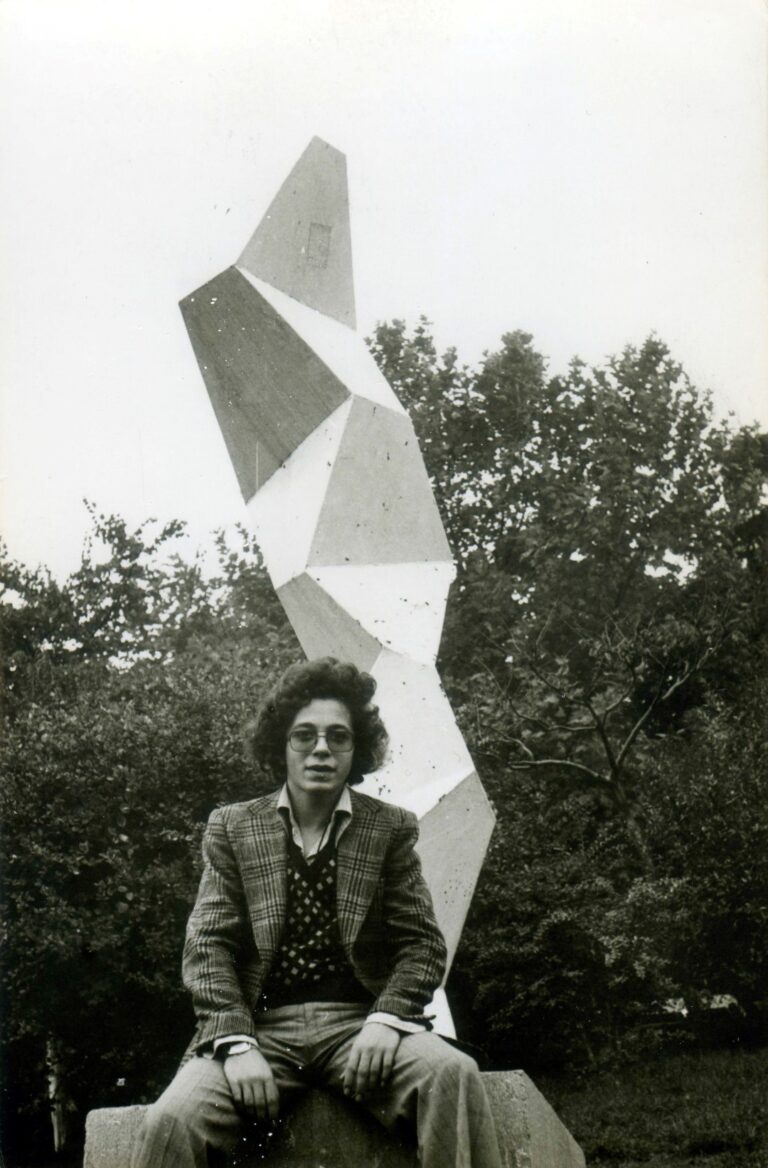
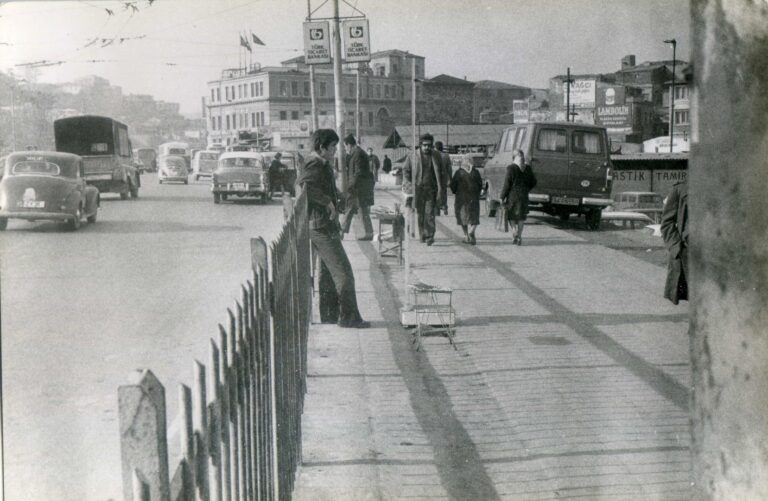
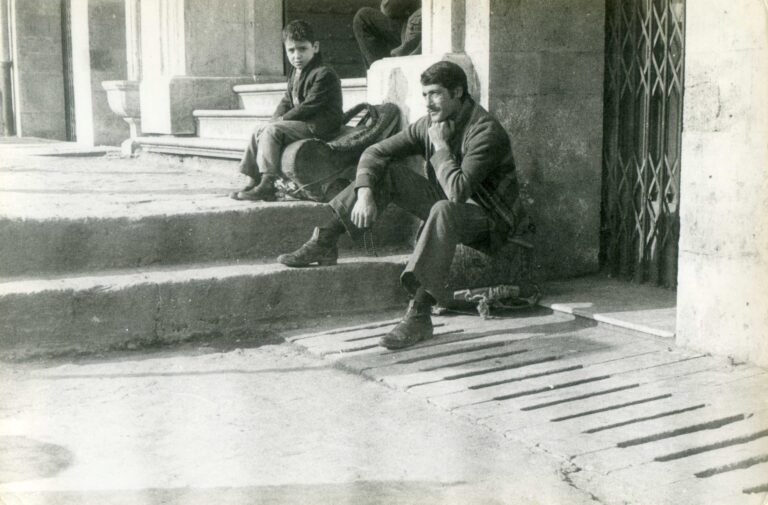
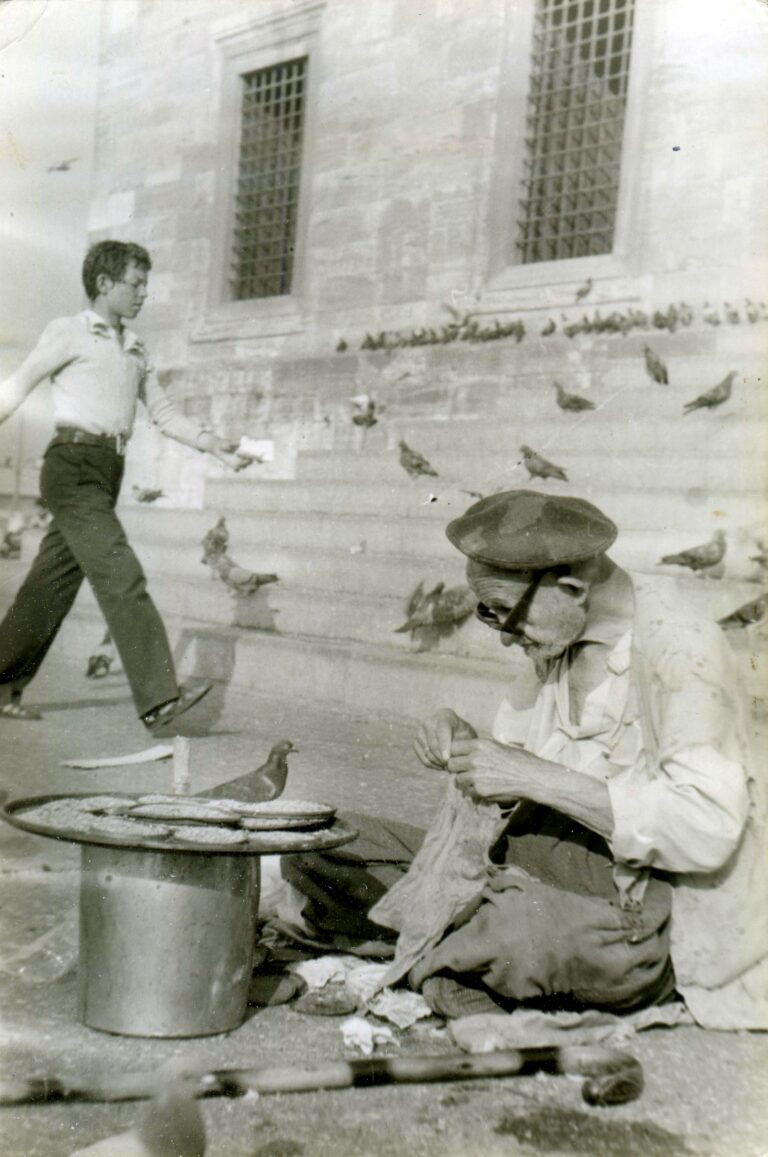
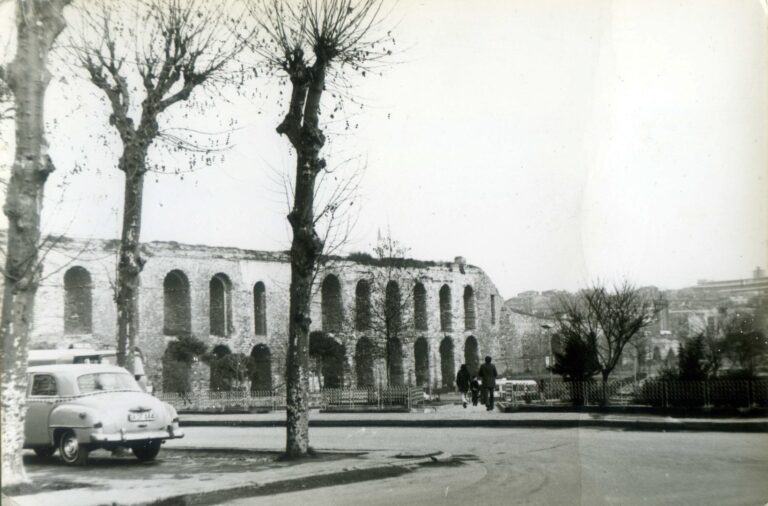
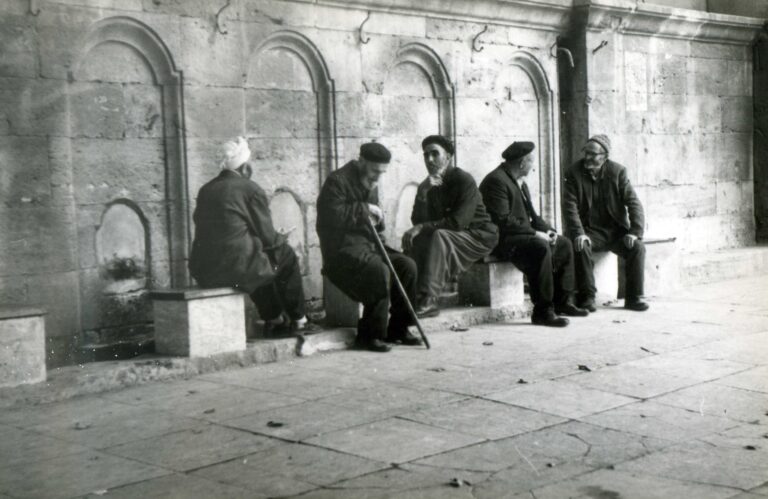
© Copyright photo by Levent Ağaoğlu, 1975, Fatih, Istanbul, Turkey

Archbishop Elpidophoros

by Ilber Ortayli, Professor

Archbishop Elpidophoros is the son of Istanbul. He was the metropolitan of Bursa; Since there was no congregation in Bursa, he was the dean of the Seminary of the Clergy in Heybeliada. He preserved this school as if it were alive, on behalf of the Patriarchate, which did not give up hope of opening it. He was elected as the archbishop of the congregation of the Americas and appointed patriarch Bartholomew.

In recent days, he was attacked by some bigots, most notably by the Foreign Ministry of Cyprus and Greece, for attending the opening of the Türkevi. I don’t think he cared. Although the Orthodox Church interferes in politics, it does not mix politics with itself. It is clear that he is one of the representatives of this principle. He knows Turkish well, loves Turkey, and is a cleric and scholar who understands very well that conflict with Turkey is not for the benefit of Orthodoxy. He knows this country. He knows his friends. He speaks many languages, his knowledge of history and philosophy is excellent.

Some of our circles need to adopt a similar understanding. The center of the Orthodox world is Istanbul. We cannot abandon this principle. This is the continuation of Turkey‘s historical role. The clergy who understand this are also sane and friendly, understanding clergy. The principled and mature behavior of Archbishop Elpidophoros as a Turkish citizen should be seen as an example and celebrated.

https://www.hurriyet.com.tr/yazarlar/ilber-ortayli/belgradin-fethinin-500-yili-41903227

Haci Bektas Veli and the Japanese

by Mahmut Övür, Columnist

15.10.2017

The previous day, I attended the opening of the Department of Japanese Language and Literature at Nevşehir Hacı Bektaş Veli University.

Despite all the troubled political processes surrounding us, good and different things are being done in this land that will enable us to breathe and understand what is going on.

A serious effort is being made to convey the philosophy of Hacı Bektaş Veli, which makes these lands meaningful and rich, today and tomorrow, and to bring them together with the Japanese and other peoples who have been flocking to Cappadocia for years from the other side of the world.

One of those efforts is the opening of the Department of Japanese Language and Literature.

Nevşehir Hacı Bektaş Veli University Rector Prof. Dr. Mazhar Bağlı invited myself for the opening occasion.

Cappadocia is known to the world as a natural wonder, but interestingly, the Japanese show the most attention. When my journalist friend Hıdır Geviş shared the images about the opening on social media, we encountered an interesting curiosity.

Why do the Japanese prefer Cappadocia?

The most interesting comment came from our friend Erol Göka;

Japanese, without seeing the middle of the country they visited (which is Cappadocia) according to their beliefs, their visit would be incomplete”

I asked this comment to those who attended the opening and did academic studies on Japan. They attribute this interest to the Japanese love of Cappadocia and their voluntary promotion.

A similar situation is being said for the South Koreans, whose number has been increasing recently.

Whatever the reason, the Japanese do not leave Cappadocia alone with at least 500 thousand visitors a year, even in the most difficult times.
In the past, it even went up to 3 million…
Therefore, it is a good decision to open the Department of Japanese Language and Literature in Nevşehir.

Now it’s time to take this interest one step further and bring it together with the philosophy of Hacı Bektaş Veli, who gave the university its name…

Koreans, Japanese and Turks

by Erol Göka, Professor

Japanese: “Japanese, without seeing the middle of the country they visited (which is Cappadocia) according to their beliefs, their visit would be incomplete”

https://www.marmarayerelhaber.com/Mahmut-OVUR/55610-haci-bektas-veli-ve-japonlar

Koreans:  “Whichever restaurant you go to, a water jug ​​is placed on the table first. Despite an incredible pace of modernization, both societies (Turks and Koreans) are very conservative. There is no sexuality in the public sphere, there is a notion of “honor” and “family”. In Korea, many shops are open during lunch hours, the owner just leaves. There is a great trust in the society, theft is almost absent, petty crimes are very few compared to the west. And finally, ram and horse are very important, almost sacred, just like in Turkish culture” November 7, 2015·

https://www.facebook.com/egoka1


‘We have been brothers since the Göktürks’

South Korean Ambassador Lee points out the cultural similarities.

by Mahmut GÜRER, 7 February 2013

Rising value of recent years, South Korea,  although it is 8 thousand kilometers away from Turkey, it is the most sympathetic to the Turkish people among the countries.
Republic of South Korea  Ankara Ambassador Sangkyu Lee said that ‘The history of Koreans and Turks goes back to the Huns’. His eyes still shine with gratitude when he talks about Turkish veterans in Korea.

Sangkyu Lee states that Turkish veterans are of great importance for the relations between the two countries: ‘We try to express our gratitude to all of them before they pass away. So that the 2nd and 3rd generations do not break their ties with Korea,  We organize events.’
Lee  spoke to AKŞAM and made colorful statements regarding Turkey-Korea relations and his private life:

– Did you come to Turkey for the first time in line with the diplomatic mission?

I had the opportunity to be in Turkey before. In 2007, while I was working at the Korean EU Embassy in Brussels, I visited Istanbul with my family in the summer. We were four days. I traveled a lot back then.

I visited many places such as Hagia Sophia, Sultanahmet, Basilica  Cistern and was very impressed. Especially from historical artifacts… Also, when I came to Turkey, I saw that your country is in a very strategically important region.

– Was Turkey what you expected, was there anything that surprised you?

The thing that surprised me the most was the history. There are not many historical artifacts over a thousand years old in Korea. Especially seeing artifacts that are 2000-3000 years old is a great event. But when I came to Turkey, I saw that there are still artifacts that are 10 thousand years old. This is due to the fact that Turkey is located in a geographical region where many different nations passed by and civilizations shined and disappeared, but I must say that I was surprised to find so many historical artifacts. While I was on duty in Belgium, I had the opportunity to travel to many countries such as France and Italy. All these countries have their own histories. But there they told me, ‘Even a small stone that comes to your feet when you go to Turkey can be a historical artifact of thousands of years.’ It is also very important that such a beautiful past is preserved so well in the regions where the people live.

THEY GIVE A LOT OF FOOD

– Do you miss the food of your country?

Yeah. We cannot find pork in Turkey for religious reasons. Beans are another popular thing in Korea… But since the beans in Turkey are different from those in Korea, they unfortunately do not taste the same even if we cook the same dish. But, I also love Turkish food. I really like your bread. Very diverse and successful.. Vegetables and fruits are very good, surprisingly plentiful and very cheap. As a traditional Turkish dish, Iskender is indispensable. So are pitas… I also like home cooked meals. For dessert, I prefer baklava and künefe, but Turkish delights are my favorite, especially the ones with mint and saffron. But I have one complaint. Although it’s not exactly a complaint, they serve a lot of food at invitations. I’m having a hard time finishing them all. It would be disrespectful to the host if I did not eat, my belly comes out when I eat. Also, it’s not usually like that at home, but restaurants have a lot of oil and salt.

– Speaking of being unable to offend the host, of course, there is a similar situation with Turkish people.

The most similar side is taking off shoes when entering the house. Of course, many westernized people in Turkey may not be able to take it off, but from time to time, the Turks who come to us as guests ask, ‘do you take off your shoes?’ saying. In terms of family culture, the relationship between spouses is similar. In Turkey, women are the decision makers and have a voice, especially at home. This is also the case with us. The subject of respect within the family is also similar… Sacrifice especially towards children… For example, just like in Turkish families, we do not make any savings for the education of our children. Parents put their lives on their teeth and work. I think this is very similar. There is a relationship and historical closeness between Koreans and Turks starting from Hun, Uyghur and Göktürk times. Therefore, I see that there is a nation that can establish a heart-to-heart relationship.

WE NEVER FORGET VETERANS

– Do you still meet with Turkish veterans?

Of the 15 thousand Turkish veterans who participated in the Korean War, about 5100 are still alive. Their numbers are decreasing every year as they are over 80 years old. Last year, some of them had the opportunity to tour Korea again. We are trying to maintain relations between the two countries through them. I try to meet Turkish veterans on all my visits, no matter what city.

– Does anyone share their experiences with you?

Yes, there are some really interesting stories. A Turkish Veteran told me recently. In 1950, during the Korean War, he fell in love with a Korean woman. At that time it was forbidden for Turkish soldiers to marry foreigners. Finally his family asks, ‘Will you marry if we find someone similar in Turkey?’ and he agrees. In a neighborhood where Uighur people live, they find and marry a woman who is very similar to the Korean they fell in love with.

RELATIONS AT THE NEAREST LEVEL

– How are the relations between the two countries lately?

When we look at the thousands of years of history between Turkey and Korea, I can happily say that we have had the closest relations in our history. Especially during the visit of our President in February, the relations between the two countries were raised to the level of strategic partnership. As you know, there are 8 thousand kilometers between the two countries geographically. This has hindered the progress of relations for years. But now the notion of distance has largely disappeared. High-level visits have also been made recently. 8 Korean ministers came to Turkey this year. In addition, many mutual contacts were made in the military and bureaucratic sense. Apart from that, the means of relations between the two countries in the international arena began to increase. The free trade agreement signed by the two countries will enter into force at the beginning of next year. Our next goal is to increase the trade volume between the two countries, which is around 7 billion dollars.

https://www.aksam.com.tr/roportaj/gokturklerden-beri-kardesiz/haber-168454


Beyond Turkey

Beyond Turkey

https://booksonturkey.com/c/for-beyond-turkey/


Americas

https://booksonturkey.com/c/for-beyond-turkey/americas/


Asia

https://booksonturkey.com/c/for-beyond-turkey/asia/


Eastern Europe

https://booksonturkey.com/c/for-beyond-turkey/balkans-eastern-europe/


East Asia-South East Asia

https://booksonturkey.com/c/for-beyond-turkey/east-asia-south-east-asia/


Europe

https://booksonturkey.com/c/for-beyond-turkey/europe/


Mediterranean

https://booksonturkey.com/c/for-beyond-turkey/mediterranean/


Mesopotamia

https://booksonturkey.com/c/for-beyond-turkey/mesopotamia/


North Africa-Africa

https://booksonturkey.com/c/for-beyond-turkey/north-africa-africa/


Russia. Caucaus. Iran

https://booksonturkey.com/c/for-beyond-turkey/russia-caucaus-iran/


South Asia. Sub Continent

https://booksonturkey.com/c/for-beyond-turkey/south-asia-sub-continent/

Traveller’s Talks: All Over The World

I am happy to share my experiences as human adventure with humans all over the world. As an exporter professional I have been travelled to 33 countries within 33 years (1987-2019).
Starting with Syria, France and China in 1987 and finally before the pandemic in 2018 and 2019, I was in India, stayed there almost a month, in Egypt, in Iran as the three big civilisations in the East and Qatar as well.
Have a good day all my friends, good day to all of you.

**********************************************

All over the World 1987-2019

https://www.youtube.com/watch?v=IRMe5siOmQA

The countries (A-Z) that I have been visited (1997-2019) for business purpose:

  1. Belgium
  2. Brasil
  3. Bulgaria
  4. China
  5. Egypt
  6. Ethiopia
  7. France
  8. Germany
  9. Greece
  10. Hong Kong
  11. Hungary
  12. India
  13. Indonesia
  14. Iran
  15. Italy
  16. Japan
  17. Kosovo
  18. Lebanon
  19. Macau
  20. Macedonia
  21. Pakistan
  22. Poland
  23. Qatar
  24. Romania
  25. Saudi Arabia
  26. Singapore
  27. Slovakia
  28. South Korea
  29. Syria
  30. Taiwan
  31. Thailand
  32. Tunisia
  33. United Kingdom


A S I A 

GREATER CHINA:

https://booksonturkey.com/travellers-talks-china-hong-kong-taiwan-collection/

China

https://booksonturkey.com/travellers-talks-greater-china-world-1-china/

Traveller’s Photos: Shanghai and Coastal China

Traveller’s Talk: Eastern Coast of China. Shanghai and around.

Traveller’s Talk: Center of China Civilisation. Heathland.

Traveller’s Photos: South China. Canton Province.

Traveller’s Talk: South of China. Canton and Pearl River Delta.

Traveller’s Talks: Strategy for China Business

Traveller’s Photos: China in 1987

Traveller’s Beijing, China in 1987

Hong Kong

https://booksonturkey.com/5708-2/

Indian Temple in Hong Kong

Similarities between Istanbul and Hong Kong cities

Traveller’s Talk: Hong Kong Memories (continued)

Traveller’s Talk: Strategy for Business Success in Hong Kong

Traveller’s Talk: Businessman Mr Ng of Hong Kong and Business Strategy

Traveller’s Talk: Alibaba Vision of Jack Ma.

Traveller’s Photos: Hong Kong Memorials

Traveller’s Talk: Hong Kong Memorial Friends

Traveller’s Talk: Hong Kong Memories

Traveller’s Photos: Hong Kong

Traveller’s Talk: An Expatriate in Hong Kong 1987-2001

Taiwan

https://booksonturkey.com/travellers-talks-greater-china-world-3-taiwan-roc/

Traveller’s Photos: Asian Tiger Taiwan.

Traveller’s Talk: Taiwan’s Business Strategy

Macau

https://www.youtube.com/watch?v=FEWZJWHLQso&t=5s

Traveller’s Talk: Macau


NORTH ASIA:

https://booksonturkey.com/travellers-talks-north-asia/

Traveller’s Talks: Japan

Traveller’s Talks: Korea


SOUTH EAST ASIA:

 https://booksonturkey.com/travellers-talks-south-east-asia/

Traveller’s Talks: Indonesia

Traveller’s Talks: Thailand

Traveller’s Talks: Singapore


SOUTH ASIA:

https://booksonturkey.com/travellers-talk-indian-world/

India Travels

India Travels: Tamil Nadu Province and Mr Stalin

India Travels: Mumbai and Coimbatore (Tamil Nadu)

Hindustan (India) and Turkestan

Pakistan Travels in 1990s and early 2000s

Indian World and South Asia

Indian World and South Asia (2)

Hinterland: Turks and Indians

Indian Temple in Hong Kong


MIDDLE EAST:

https://booksonturkey.com/travellers-talks-mena/

Traveller’s Talks: Iran

Traveller’s Talks: Lebanon

Traveller’s Talks: Qatar

Traveller’s Talks: Jeddah Saudi Arabia

Syria


A F R I C A

AFRICA:

https://booksonturkey.com/travellers-talks-africa/

Traveller’s Talks: Africa. Tunisia

Traveller’s Talks: Africa. Ethiopia


Egyptian Civilisation

https://booksonturkey.com/travellers-talk-egyptian-civilisation/

Traveller’s Talks: Egypt (6)/ Cairo and Egyptians

Traveller’s Talks: Egypt (5)

Traveller’s Talks: Egypt (4)

Traveller’s Talks: Egypt (3)

Traveller’s Talks: Egypt (2)

Traveller’s Talks: Egypt


E U R O P E 


SOUTH EASTERN EUROPE/BALKANS:

https://booksonturkey.com/travellers-talks-south-eastern-europe/

Traveller’s Talks: South Eastern Europe. Macedonia

Traveller’s Talks: Bulgaria

Traveller’s Talks: South Eastern Europe. Kosovo

Traveller’s Talks: South Eastern Europe. Greece


EASTERN EUROPE:

https://booksonturkey.com/travellers-talks-eastern-europe/

Traveller’s Talks: Eastern Europe. Hungary

Traveller’s Talks: Eastern Europe. Slovakia

Traveller’s Talks: Eastern Europe. Romania

Traveller’s Talks: Eastern Europe. Poland


EUROPE:

https://booksonturkey.com/travellers-talks-europe/

Traveller’s Talks: France

Traveller’s Talks: UK

Traveller’s Talks: Italy

Traveller’s Talks: Belgium

Traveller’s Talks: Europe. Germany

M E D I T E R R A N E A N   W O R L D

10. MEDITERRANEAN WORLD

https://booksonturkey.com/travellers-talks-mediterranean-world/

Mediterranean World (1): Afrasia and Eastern Mediterranean

Mediterranean World (2): Mediterraneans

Mediterranean World (3): Mediterranean Triangle


A M E R I C A S

11. AMERICAS:

https://booksonturkey.com/travellers-talks-americas/

  • Traveller’s Talks: South America. Brasil

Traveller’s Talks: Mediterranean World

Mediterranean World (1): Afrasia and Eastern Mediterranean

Mediterranean World (2): Mediterraneans

Mediterranean World (3): Mediterranean Triangle

Traveller’s Talks: Americas

Traveller’s Talks: South America. Brasil