Home Blog Page 248

Serdar Erden’s writings/twitter messages on Turkish subjects.

Serdar Erden


What are the books on The Neolithic in Turkey?

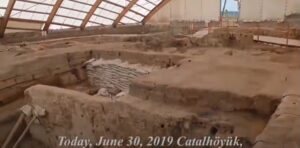
The Neolithic in Turkey 10500-5200 Bc
by Peter I.Kuniholm – Mehmet Ozdogan – M.Nezih Basgelen | Jan 1, 2015
Paperback
Click here to buy the book

The Neolithic in Turkey: Central Turkey (New Excavations & New Research)
by Memet Ozdogan, Nezih Basgelen, et al. | Jan 31, 2012
Click here to buy the book

The Neolithic in Turkey: New Excavations and New Research, Northwestern Turkey and Istanbul
by Mehmet Ozdogan, Nezih Basgelen, et al. | Dec 31, 2013
Click here to buy the book

Neolithic in Turkey: The cradle of civilization : new discoveries (Ancient Anatolian civilizations series)
Turkish Edition | by Nezih Basgelen | Jan 1, 1999
Paperback
Click here to buy the book

Euphrates Basin (The Neolithic in Turkey: New Excavations & New Research)
by Peter Kuniholm, Nezih Basgelen, et al. | Dec 31, 2011
Hardcover
Click here to buy the book

The Neolithic in Turkey, Western Turkey: New Excavations & New Research: 4
by Mehmet Ozdogan, Nezih Basgelen, et al. | Dec 31, 2012
Hardcover
Click here to buy the book

The Neolithic in Turkey: The Tigris Basin
by Mehmet Ozdogan | Dec 31, 2011
Hardcover
Click here to buy the book

The Neolithic in Turkey: Central Turkey, Northwestern Turkey and Istanbul (2013-12-31)
Jan 1, 1653
Hardcover
Click here to buy the book

The Neolithic in Turkey 10500-5200 Bc (2015-05-04)
Paperback
Click here to buy the book

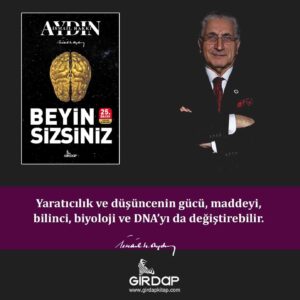
“Metaverse” and AFTER by Turkish Scholar Prof Dr İsmail Hakki Aydin

07 November 2021 –

İsmail Hakkı AYDIN aydin@ata uni.edu.tr


Very recently (November 3, 2021) I wrote a very long article titled “Metaverse, Life 4.0” that draws attention to the future dangers of the subject.
(https://www.acapublishing.com/dosyalar/baski/LUMINOSOPHY_2021_5 64.pdf),which was at the top of the media in terms of reading rates and still retains its privileged placeFollowing its publication, the same day and the next day, some other publications published the article by adding their own comments and taking it to their websites.
(https://www.akademikakil.com/metaverse-yasam-4-0/ismailhakkiaydin/
), (https://www.5gvirusnews.com/technology/brainsiz-40-kuantik-cag-h707.html).

Then, the very next day (November 4, 2021), Mark Zuckerberg in the USA made statements about the “Metaverse”, which is considered to be this “virtual reality”. This “METAVERSE” incident, which is on the agenda of the world and will destroy the current “internet” and will bring its end, and which, in my opinion, was founded by Hasan Sabbah and first applied its “primitive, primitive form” to his bouncers, was covered in all the news as well as TV and other media organs. has been the subject of portals.  Simultaneously, the archaeological excavations, the review of historical sources, the researches made in the scientific world and the results obtained were setting off the flares that humanity and life had evolved into another dimension.

The New World Order is built on “money and creativity”. When will human beings realize that morality, decency, honor, dignity, personality, dignity, compassion, true pleasure, genuine pleasure, spiritual peace, happiness, culture, art, literature, enlightenment and humanity are traits that money cannot and cannot buy. ! This is a very important issue.  Again, I should remind you that; All scientific, cultural, social, environmental, vegetative, animal and personal information collected in the universe is being collected for “Metaverse” and “Matrix”! Adapting the obtained scientific data to technology and putting them on the market, everything from virtual glasses and headgear to virtual gloves, shoes, cloaks and clothes will be the “Metaverse” instruments that will still live the “Stone Age” in my opinion!

Thanks to the “Metaverse”, which offers a complex and alternative “parallel world” and which I think will create an addiction like drug addiction, especially in young people, it is also possible to dive into the watched movie and even take a role at that time, even though it will live its primitive period. In this system, where other systems are outdated, I think that even an identity will not be given to those who do not have an “Avatar”! In a sense, the “Metaverse” is limitlessness and it destroys the conscience and gives people the opportunity(!) to realize the desired dreams(!). Does it smell a bit of “COMPANY”?

From where we sit, Medicine by Avicenna, Hippocrates and Galen, Philosophy by Plato, Farabi, Metaphysics by Aristotle, Morals by Mevlana, Astronomy by Galileo, Newton, Einstein, Tesla It is possible for us to take Physics, Mathematics from Pascal, Laipniz, Philosophy from Spinoza, Radioatvite from Pierr and Mary Curi, Computer Language from Turing, etc. in a question-answer, interactive way! Take the course you want, from the teacher you want!   You will be able to change the world where you live, without changing the country! Everything about life will also be found in the “Metaverse”, where generational conflicts are inevitable. Mosque, Church, Concert Hall, Theatre, Chat Rooms, Home, School, Lover, Spouse, Friend… This will happen very soon. However, there is also the “after” of the “Metaverse”…

Isn’t the main goal to play God? In some computer games, the player cannot pass to a higher level (level) without “prostrating” in front of the “idol”! Who would hear the footsteps of Satanism… A “religion” supported by global capital… A “New Cult Religion” with some Islam, some Christianity, some Judaism, some Buddhism, some Hinduism and a bit of Deism, and a monolingual, mono-religious and One state, one type of person is planned! For those who do not/cannot see this danger and disaster ahead, be it love!

Companies, Digital States and the Digital World, “Universal Basic Income”, Singularity (Technological Singularity), Brains that can be hacked, reset and reset, Lucifer (God of Light) and Nanobots, who seek to create their “Metaverse” in line with their own dreams, look at the history of science and humanity again. will require analyzing and rewriting. The job is done… Because the world is not a place to lie down! The Qur’an does not talk about “stray” things such as holidays, retirement, sleeping on one’s back, Eid and watching! Even though “Humanized Animals” are everywhere, “Animalized Humans” are on the way… It will require analyzing and rewriting (from scratch). The job is done… Because the world is not a place to lie down! The Qur’an does not talk about “stray” things such as holidays, retirement, sleeping on one’s back, Eid and watching! Even though “Humanized Animals” are everywhere, “Animalized Humans” are on the way…

Prion proteins, in which memory is stored, can pass to plants and then to humans through soil after death. This is why cemeteries are transferable memories! Transmission of memory will be possible by separating and transplanting prion memory proteins in the brain. In the light of this scientific data, it should not be forgotten that; The most important tool of bioterrorism is the “Prion Outbreak”. Who do we expect to take the action?

Was Neal Stephenson’s 1992 novel “Snow Crash”, which wanted to bring the Babylonian period to the present, become real and humanity and life continued to sleep? However, we cannot know anything outside of our mental world! For this reason, besides our brain and thinking, our mind and consciousness are one of our most important faculties that need to be developed, trained and taught. In my world of mind, I’m after losing myself first and then finding myself. As a matter of fact, it is not possible to be a scientist without a philosopher. Man is the “knowing” man, and humanity is awareness. A working person (Homo Fabere) is also a thinking person, although thinking is the function of the “brain” and producing is the function of the “hand”…

Every “Scientist” is a “Philosopher”, “Science” is a “religion” and a culture, and “Philosophy” is a set of different conceptions. Alphabet, money and freedom are essential for the emergence and evolution of philosophy. The opposite is bondage. Preferences determine a philosophical dimension and differences form the basis of society.

By the way, I want to talk a little bit about Mathematics. Because without Mathematics, nothing happens and we cannot understand something. The consciousness of the universe is a collective and universal, collective and mathematical consciousness, and its Philosophy is bounded by its horizon. The precision of mathematics is its own truth. Because Mathematics is the first to be created, it is seductive, it has a sensual side, it is not an invention, it is a discovery, and it is after what is right, not why it is right. Theoretical Physics is also Mathematics, which is the common mind for this. Physics seeks utility, Mathematics is truth, truth… Mathematical Logic is also very important. The world, even thought, needs to be mathematized! There is no other way to understand and explain the universe other than Mathematics. Science is a repeatable set of events and there is no “END” for science. unrepeatable events,It is the subject of metaphysics and is called “Miracle”. Therefore; “Moment”, “I” and “Being” can be metaphysics, not science. The existence of meaning depends on the existence of purpose. For this reason, we humans should seek to understand all these things rather than learning. Indeed, the human mind is vulnerable to uncertainty! It requires an effort to be “yourself”, not to be similar.
Along with all this, I have to express and remind that those who attempt to revive the “Sumerian Language and Religion” on a universal scale are unaware of the 119th Verse of the Nisa Surah of the Holy Quran, even though “God” is not the subject of science. Because the “Future is now”, everything is a “game”, there is no “END” for science, and “Humanity” is awareness about life and being aware! The greatest power is the “Collective Divine Spiritual Energy Power”.

Speaking of spirit; In the meantime, I wanted to mention the concepts of “Vegetable Spirit” based on reproduction, nutrition and growth, “Animal Spirit” with emotion and voluntary movement, and “Human Spirit” with speech, thinking and dignity. As a matter of fact, animals have voices and humans have words! Unfortunately, the person who does not understand the Qur’an, the world and life, is preparing the end of life himself by getting away from his nature! When will this human being, chasing death before he dies, realize that hopes are nourished by spirits, that the Earth is the place of purification from evil, and that the fabric of the Universe consists of vibration, and that life consists of “LOVE”! The unknowns are chasing each other…

Please, let’s meditate a little, let’s think about the survival and future of life, nature and generation, with our “Sign of Reason”… Let’s take a brief look at our recent past, if you wish. I would like to express in advance that I will make these considerations with a relatively “Socratic” thought and philosophy, so that my writings will be tried to be understood within this framework…

Don’t natural disasters, epidemics, earthquakes, fires etc. happen from time to time for various reasons? Who can object that the decisions of the “Cyber ​​war and invasion” we are in come from the “Cloud”? Who can deny the “RF Bomb” and “Sepsis Epidemic”. “Sepsis” accounts for approximately 30% of deaths due to Kovit! Can’t Wi-Fi be used as a weapon? Doesn’t microwave damage all living and non-living matter by changing the frequency of the oxygen atom? Doesn’t electromagnetic pollution threaten life and nature, therefore the Earth, and even the Universe? Don’t ancient microbes pose a great threat to the possibility of uncontrollable epidemics as the glaciers melt? Don’t 70,000 Starlink low satellite systems occupy space? Trojans are trying to invade Earth… Why? Smart homes, systems, cities and more, even brains, are they really under our control or someone else’s? Can’t muscles and nerves be paralyzed or pressure applied to the heart by electromagnetic bombardment?

While we’re here, I want to talk a little bit about “Chemtrial”. It is also taught as a course in the US army. A course on the combustion and evaporation system of jet engines and topics that can be understood by reverse engineering… By the way, I have to say that Smart Dust (Smart Dust) and Nanotags (half human half computer) in millimetric or smaller sizes are everywhere and in everything. can happen. What we think and what we feel is recorded. Sensor clusters can be found in swarms in the air, and cooperated insects can roam everywhere. Biological ones aside, even weapons are now nano-sized… With behavioral control methods, brain-impressive nanoweapons are at work! In some plant specimens that have lost their vitality

What about Genetic Engineering? “Raven New” (New Raven Project) continues. Optogeneticists study DNA and RNA particles that make light. DNA is printed and synthesized. Why can’t the poisonous protein be produced over RNA? Each base pair has a unique vibrational frequency. This sound and frequency sequence and arrangement can be affected by the correct frequency of the light-transmitting resultant. It seems possible to produce/produce both light and poison! DNA bases work like a computer. It is possible to change the frequency sequence with the right light and sound frequency. As a matter of fact, this DNA, which also contains the decision-making mechanism, can also produce poison!

Nanobots are used in transhumanistic research from their constituent materials, photonic crystal strands and DNA-Porphyrin complex work for artificial light and can affect DNA bases.  By means of Carbon Nanobots, it is possible to collect the light processed by DNA and direct it to the entire society in a readable “anger”. Why not create an angry society? It’s like defining anger in the system. As if we hadn’t seen their examples! Even ego and sexuality can be controlled. “Universal Basic Income” will now be determined for everyone by the fathers(!)

As in Morgellon’s (Parasite Delusion) Disease, red stem cells can be programmed to kill insects, and they are used in industrial agriculture, in the fight against insects, by simulating the DNA of the fly, by means of “lighting eyes”. What about humans… With the “Metaverse” and the Cyber ​​World Order planned to be implemented in 2023, gas, electricity and power plants and distribution centers, banks, government offices, population and land registry records may be exposed to cyber attacks, and with “Cyber ​​Terrorism”, chaos environment. may occur. Everything is being prepared for the “Metaverse” and the products are registered with Blockchain.

The mentality that wants to keep the human generation, nature, energy, climate and therefore food under control is that Allah punishes the transgressors with the climate and that the main reason for historical migrations is disasters and climate changes such as drought, thirst, flood, volcano, earthquake and floods. is aware and loves to manage everything from one hand (Singularity). As a matter of fact, verse 205 of Surat al-Bakar expresses this. In the new order, leasing rather than purchasing is prioritized rather than sharing economy.

Brains and data under control… The world will change! Biometric information, CRISPR Cas9, Codes, Biohacker, Cryptocurrencies, Blockchain, everything… Now it is possible to cultivate anything, anywhere, anytime, besides treating and making patients with the CRISPR technique! Technology is inside people now! How beautiful it would be to be “free” as a “servant” if there were no “malicious, evil minds”… Let the Islamic world and humanity continue their sleep of heedlessness, let’s see how far!

There is no such thing as web 2.0, web 3.0 anymore! For me, “Metaverse”, which I consider a bit like defying God, is a higher version of web 3.0. In fact, I have to state in advance that there will be a “Post-Metaverse” realm. With the “Horizon Home” (Horizon Houses), the “Metaverse Period”, which will keep people away from the land and society, provide the opportunity to be involved in all kinds of activities, live, feel, communicate and enjoy with an endless appetite, and which will continue the “Stone Age” for now. In the near future, without the need for any equipment, tool or instrument, it will pass to a stage where the desired life can be lived as a fictional dream, with only brain power and dexterity of thought! As a matter of fact, dreams can be “edited” through studies conducted both at the University of Chicago and in Japan.
This thought and foresight emerged as a result of my scientific and scientific acquis, beyond my intuitions.  Even if we are only one person like Lot or forty people like Moses, we should never compromise on “rights” and “truth” in the name of virtue, morality, honor and decency, and all our efforts should be to contribute to life and strive for the continuation of nature! Because the truth makes man “free” by making him a “servant”! As is customary, let’s end with some of our aphorisms and a song/ruba, which was composed and performed by Nihavend called “Past Months”.

The future is now…

  • Humanity is awareness of life!
  • Everything is just a “game”.
  • For science, there is no “END”.
  • Society is not made by unity, but by differences.
  • Writing, money and freedom gave birth to “Systematic Philosophy”.
  • Voice is animal, speech is human!
  • The mind is vulnerable to uncertainty!
  • “Being”, “I” and “Moment” are miraculous, sacred, metaphysical, immeasurable and unrepeatable.
  • Scientific repeatability of events Mathematics, non-repeatability Metaphysics…
  • There is no other way to understand and explain the universe other than Mathematics!
  • We cannot know anything outside of our mental world!
  • Mathematics has a sensual side!
  • Mathematics is not invention, it is discovery!
  • Don’t look like anyone! Be yourself!
  • I don’t want to learn, I want to understand!
  • Mathematics seeks why it is true rather than what is true.
  • In my mental world, I seek to lose myself first and then find myself.
  • Every “Scientist” is also a “Philosopher”…   ¯ Physics is in pursuit of truth, Physicists are utilitarian… ¯ Mathematics is common mind and leads to Philosophy!
  • Brain death is the biggest mistake of the 21st century.
  • To be a “Servant” of the truth is to be free!
  • After the hearts are occupied, what happens if the space is occupied, what happens if it is not…
  • Surplus is a waste!
  • Ancient microbes, at the door…
  • In our house, he is establishing a cult that comes before him!
  • My grandfather was Kadiri, my father was Khalidi. My mother is Sâbiri… Now, the cults of İsmâilî, Cüneydî, Bircisî, Cânânî, Emini, Fatimi, Rayyanî, Vuslâtî, Efnânî, Serrai are not passed.
  • The world is not a snuggling place.
  • Law begins where morality ends, law begins where law ends, punishment begins where law ends.
  • While whispering my name, the star “Bircis” heard you, “HURŞID” saw you crying at dawn…
  • The father of “Virtual Reality” Metaverse is Hasan Sabbah!
  • God is not the subject of science!
  • Philosophy is a set of different conceptions!
  • “Humanized Animals” are everywhere, “Animalized Humans” are on the way… ¯ The most important tool of bioterrorism is the “prion epidemic”.
  • Prion proteins, in which memory is stored, can pass to plants and then to humans through soil after death.
  • All personal information is collected for “Metaverse” and “Matrix”! ¯ Science is a “religion”, a culture!
  • The New World Order is built on “money and creativity”. ¯ The main goal is to play God…
  • Graveyards are implantable memory!
  • Transmission of memory will be possible by separating and transplanting prion memory proteins in the brain.
  • Neither you nor me!
  • You know best what I gave up to love you!
  • Sign of life is the proof of vitality! ¯ Your family is who you are! ¯ Tranquility is hidden in dynamism ¯ Love is cruel.
  • Marriage is healthy!
  • Neither us nor spirits, no one is alone… ¯ Spirits, life and death, are always aware of each other… ¯ Every day starts without “You” and “I”!
  • Before we die, we seek to die!
  • Psychiatry is the Literature of Medicine.
  • To live at the mercy of another is not to live.
  • Graphene, Dish Antenna!
  • Morality, decency, honor, dignity, personality, dignity, compassion, pleasure, pleasure, peace, happiness, culture, art, literature, enlightenment and humanity are the traits that money cannot buy.
  • The consciousness of the universe is a collective and universal consciousness!
  • The greatest power is the “Collective Divine Spiritual Energy Power”!
  • A person who does not understand the Qur’an is preparing the end of his life by getting away from his nature!
  • There is no end to neither suffering nor well-being. All pass!
  • The world is a place of purification from evil!
  • Hopes feed on souls!
  • The fabric of the universe is vibration, and your life is “LOVE”!
  • The “source” and “ancestor” of everything is a “single” “Big Bang”!
  • All existence, existence, past, present and future, together with time, are gathered in a single point.
  • There is no “far”, there is “close”!
  • Nothing is “far”, everything is “close” in reality… ¯ It takes trouble to be human. “Love” is also needed for trouble… ¯ Anesthesiologists are the guarantee of surgeons.
  • “Religion” has been looted in the market…
  • Thought, word, rhetoric, character, life, end, death, avdet, emigration, afterlife, every watch, always blessing…
  • Our life is our death, our death is our resurrection!
  • Education begins in the womb.
  • A published work is worth more than the best unpublished research!
  • Each case is an article.
  • Before arguing beyond the limit, for those who are literate, it is only necessary to read what I wrote! It is enough for illiterate people to listen to and watch my conferences, lectures and TV programs.
  • I’ve already forgiven you, Ungrateful! I have seen such betrayals that you have remained “nothing”!
  • Tell the ignorant ignorant, look how the mind teaches you!
  • Science is the name of being able to explain everything that happens.
  • Wealth begins with being a slave to money.
  • Every solved problem opens the door to another problem!

Months Passed Nihavend Song  https://youtu.be/dQmx8bQEnCI
Lyrics: Prof. Dr. İsmail Hakkı Aydın  
Composition and House: Mehmet Bonesiz REFERENCES [1.] Aydın Ahmed Bircis, Thoughts on Reason and Mathematics, 18.07.2021, 29.08.2021Trabzon. [2.] Right of Aydin Ismail. Interaction of mind and intelligence. https://jag.journalagent.com/sscd/pdfs/SSCD_1_2_79_80.pdf [3.] Aydin İsmail Hakkı, Human 3.0, New Human, Archetype, Girdap Kitap, Istanbul, 2021 [4.] Aydin İsmail Hakkı. https://www.youtube.com/ watch?v=H3t2RmYaDl0 [5.] Aydın İsmail Hakkı. The Unknown Brain. https://youtu.be/VMvBYtUBDKc [6.]


Aydin Ismail Hakki. Synthetic Man on the Road.
http://yenidunyagundemi.com/mobilYazarlarDetay.aspx?id=1409
[7.] Aydın İsmail right. https://www.akademikakil.com/sentetik-insanyolda/ismailhakkiaydin/
[8.] Aydin, İsmail Hakkı. “You Are the Brain 4.0,” Quantic Era. Girdap Book, 2021, Istanbul.
[9.] Aydın, İsmail Hakkı. “Brain Called Unknown”. Medimagazin, 06.05. 2019.
[10.]         Aydın, İsmail Hakkı, “Brainstorming” Girdap Kitap, 2016, İstanbul.
[11.]        Aydın, İsmail Hakkı, “You are the Brain” Girdap Kitap, 2018, İstanbul.
[12.]    Aydın, İsmail Hakkı, “You are the Brain 2” (Interbrain Internet, World Brain Network, wbw), Girdap Kitap, 2020, Istanbul.
[13.]    Aydın, İsmail Hakkı, “You Are the Brain 3” (Future of Humanity), Girdap Kitap, 2020, Istanbul.
[14.]        Aydın, İsmail Hakkı, “The Code of the Brain” Girdap Kitap, 2016, İstanbul.
[15.]     Aydın, İsmail Hakkı, “The Brain is a Divine Particle” (with Can Hikmet Değirmenci), Girdap Kitap, 2019, Istanbul.
[16.]    Aydın, İsmail Hakkı, “Memoirs of a Neurosurgeon” Girdap Kitap, 2017, İstanbul.
[17.]    Aydın, İsmail Hakkı, “You are the Thought” (with Levent Ağaoğlu), Girdap Kitap, 2018, Istanbul.
[18.]        Aydın, İsmail Hakkı, “From Lyrics to Composition”, Girdap Kitap, 2020, Istanbul.
[19.]      Aydın, İsmail Hakkı. “Neurophilosophy”.
Medimagazin.https://www.medimagazin.com.tr/authors/ismail-hakki-aydIn/trindex-72-87-0.html
[20.]    Aydın, İsmail Hakkı, “Anger Control and Motivation” (Can Hikmet Değirmenci with) Girdap Kitap, 2016, Istanbul.
[21.] Aydın, İsmail Hakkı, “My Lord, Protect Me From Doctors!” Girdap Book, 2013, Istanbul.
[22.]         Aydın, İsmail Hakkı, “Rubâiyyat-ı Bircis”, Girdap Kitap, 2018, İstanbul.
[23.]             Aydin, Ismail Hakki, “This is me as i see myself”. EC Neurology, 8.3 (2017): 66-

Authors contributing views/articles at BooksOnTurkey

Cover Photo: Prof Dr Hikmet Özdemir

ALPHABETICAL

SOON

  • Abdülkadir Özbek
  • Ali Murat Erkorkmaz
  • Ali Uzay Peker
  • Ali Yaşar Sarıbay
  • Andy Lee, Hong Kong
  • Arif Yavuz
  • Ayşe Olgun
  • Büşra Sanay
  • Doğan Arıkan
  • Efsane Karayılanoğlu, USA
  • Emete Gözügüzelli, Cyprus
  • Erdem Uçar, Germany
  • Ferhat Özcep
  • Güçlü Ateşoğlu
  • Gülay Apa Kurtişoğlu
  • Hacı Duran
  • Hasan Özkan
  • Haşim Hamdam
  • Hayrettin İhsan Erkoç
  • İbrahim Tellioğlu
  • İsmail Şahinbaş
  • İzzet Akyol, UK
  • Kürşat Yıldırım
  • Lacivert Dergi
  • Mehmet Yılmaz Yalçın
  • Metin, USA, Atatürk Derneği
  • Mevlüt Özben
  • Murat Karagöz
  • Nedim Atilla
  • Neval Konuk
  • Nezih Başgelen
  • Nidayı Sevim
  • Nihal Fırat Özdemir
  • Oğul Tuna
  • Osman Karatay
  • Ozan Barsolenevi
  • Rıfat Çığ
  • Serkan Akın
  • Seyfullah Türksoy
  • Stoyan Dinkov, Bulgaria
  • Şevket Dönmez
  • Turgay Tuna
  • Yaşar Durukan
  • Yusuf Halaçoğlu
  • Zekeriya Kurşun

Turkey Civilisations of 12,000 Years

BC

  • Neolithic Age (Late Stone Age) 10,000 – 5,000 BC
  • Chalcolithic Age (Copper Age) 5,000 – 3,000 BC
  • Bronze Age 3,000 – 2,000 BC
  • Hatti and Hurrian Civilization 2,500 – 2,000 BC
  • Troy – II Settlement 2,500 – 2,000 BC
  • Hatti and Hittite Principalities Period 2,000 – 1,750 BC
  • Great Hittite Kingdom
  • Hurri Civilization 1,750 – 1,200 BC
  • Troy – VI Civilization 1,800 – 1,275 BC
  • Aegean Migration and Invasion From Balkans 1,200 BC
  • The Anatolian Principalities during the Iron Age 1,200 – 700 BC
  • Urartu Civilization 900 – 600 BC
  • The Civilization of Phrygia 750 – 300 BC
  • Lydia, Caria and Lycia Civilizations 700 – 300 BC
  • Ionian Civilization 1,050 – 300 BC
  • Persian Conquest 545 – 333 BC

BC.AD

  • Hellenistic And Roman Age 333 BC – 395 AD

AD

  • Eastern Roman Civilization 330 – 1453 AD
  • Seljuk Civilization 1071 – 1300 AD
  • Ottoman- Turkish Civilisation 1299 – 1923 AD
  • The Turkish Republic 1923 – present


Comments on 1974/75 Image of Turkey Photographies by Turkish Scholars

The city where I was born and grew up

We can see very well how beautiful our colorful Istanbul was even in black and white squares in those years. September 6-7, 1955 is a milestone for Istanbul because the city’s mosaic of minorities left for immigration, turning the intellectual structure into village life, and the megacity turned into another structure. That trouble continues. It has been the suicide of politicians and mayors of this country to allow zoning around the works of Mimar Sinan master for profit. The sold-out politicians who prevented Atatürk from reaching the level of advanced countries have engulfed this holy city. The city where I was born and grew up remained in your squares. Let the murderers take it and steal it..

Tamer Sarı, 26 January 2022 – Istanbul / Zincirlikuyu

Snapshots, landscapes, sections from Turkey from the 1970s to the 2000s…

Worlds of deep meaning and experiences that are loaded-stuck in a moment… Photographs that mean the absorption of time in space…After the World War II, the Soviet Union, the destruction caused by the war in Europe and America, and the serious decrease in the population and a biological-sociological-psychological reflex against it; and dense youth populations emerging all over the world in the USA and Europe; this is the generation of 1968…

In this section of history, humanity’s search for meaning and developments that take people’s minds are together.

On the other hand, in a way, the Second World War is the historical documentation of the bankruptcy of the main posts of the modern enlightenment. On the other hand, a metaphysical orientation will be towards Far Eastern Metaphysics. New Age currents of thought/lifestyles: Yoga, meditation, alternative medicine-holistic health, psychic experiences, intense interest in mystical teachings from various traditions, reincarnation, Extraterrestrial Intelligent beings-UFO, an eclectic doctrine and experiences, rather than an alternative sub- can be defined as culture. And from this side, it seems like a movement, a subculture, which has a tendency to universalization and universalization and pursues this goal, and serves the only world religion with this side.

It is in this socio-cultural climate that Flower Children emerges…

On the other hand, the President of France, General Charles de Gaulle, takes a stand against the USA, Britain and NATO. Afterwards, peaceful youth movements will turn into violent youth movements that started in France.

The reflection of flower children who are interested in Far Eastern metaphysics on Turkey will not be much; and, however, youth movements based on violence and youth movements that admire Che Guevara, influenced by the Chinese and Cuban revolutions, will rapidly evolve into terrorist terror, and youth movements-organizations based on violence will emerge.

In the axis of the right-left conflict, the whole society will feel intensely violence. Flowing from villages to cities, these people are confronted with the latest fashion trends of the modern world before they can even understand, live and assimilate the city more superficially, and experience the shock and shock of this.

Istanbul and Turkey are an open-air museum with a history of 12,000 years and a history dating back to mythological ages. People living together with this history, Romans, Lydians, Luwians, Trojans, Celts and other peoples who live and keep their heritage more or less consciously, mostly unconsciously, in photographs, in photographic frames that mean the absorption of time in space, in both time and space axis. tells everything.

Celal Tahir, 26 January 2022 – Istanbul / EyüpSultan

On Levent Ağaoğlu’s photographs of 1975…

The photographs taken by Mr. Levent Ağaoğlu in the mid-1970s, which are the first stages of Istanbul’s transformation decades, not only witness the civic history of the city and the country, but also reveal very important and remarkable details. The tradition of street tradesmen and hawkers of a country where capitalism came and developed very late and still has not fully settled, reflects this situation in these black and white frames. The first example is the old man sitting on the ground in front of Eminönü Valide Sultan Mosque and selling bird food.

From here, we glide into another square on the same field, where we witness that even the street vendors of the time were waiting for customers with white aprons and perfectly shaved hair and beards. This is indisputable, as a direct indication of the higher morals of the era compared to today. Especially the male figures who managed to enter these precious frames, in Turkey, which has long become the fattest-obese society in Europe, not in its time, but in a significant part of the society, It proves to us that the overwhelming majority of young and middle-aged generations are extremely fit – balanced, healthy and robust in physical structure and appearance.

Mr. The inscription “One leader Demirel” on the concrete block above the Haşim İşcan Underpass, in which Ağaoğlu was posing in front of the then-fashionable Spanish-leg trousers and matte-glasses, evokes a right version of the ‘one way revolution’ slogan of the same years, as well as the team. such as leader and political party, etc. It draws attention as only one of the very typical projections of the folk tradition. In accordance with the tradition of shaving on the street, one of the Ottoman “traditions” that does not survive, the beard is shaved, the cobblestone of the street floor where the man sits in a chair; It is reflected in the lens as one of the characteristics of the years when the city’s natural and historical cobblestones and the insistence of erasing asphalt everywhere and the struggle to plunder prevailed in favor of the latter and did not penetrate every cell of the city yet.

Looking at the costumes of those chatting by the mosque fountain in another snapshot, which can be assumed to have been taken in the Fatih district, more than half a century after the proclamation of the republic, some things haven’t changed yet, even in the modern city of “Old Turkey”, as they do today. We are watching… Another cobbled street in Fatih… Children looking into the lens of the camera, who are probably in their sixties today, are cheerful, free and lively. In a word, they are enjoying the years when they were the real rulers of the streets…

But in another picture, this time other children; We see them as ordinary heroes of the unchanging and undesirable bad luck of this country, this geography, while working at the shoe shine benches… These are the years of the city, which did not flee or migrate to the “modern”, new concrete settlements of the city yet… This is the time when most of the blackened wooden mansions, where they can live happily, happily and proudly, are struggling to survive, in contrast to the “spirit of the time”…

Here is the look of an old Istanbul child looking out from one of those ancient houses with joyful eyes, like a scream that defies the years when the city started to be taken over by concrete-construction-looting and rent. The house, which is an exquisite example of civil architecture, with several floors of towers, suddenly appears in the streets of the historical city walls, which are covered with old masonry walls, which you can not even guess to which period, which period they belong to, and what purpose they were used for; It is just one of the monumental buildings that a society and country that has betrayed its construction and aesthetic traditions as well as its collective urban honor and dignity will remember when looking back as an example…

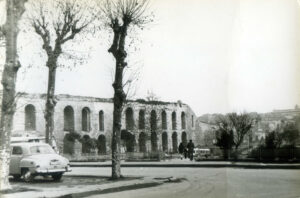
What lies before us are different images of a country and society that have become significantly secularized and despite everything and are truly developing: In the photo frame, where the “Valens Belt”, popularly known as Bozdoğan, is in the center, a single, modern-dressed man in calm motion on a cool winter day. We see all the Istanbulites in the wide frame completed by the American cars and Hungarian buses with curved roofs in the distance… “Nostalgia” is not just the name of a famous movie or an unchanging individual and collective mood among people and the masses, but it is the fate and misfortune of these lands.

Because, analogy to Marshall Bergman’s sentence “everything solid evaporates”, we can well say the following as a summary of these photographs: “Nothing stable stays in place”…

Okay Deprem / 26 January 2022 – Istanbul / Kadıköy

1974-1975 Photographs&Poems in Fatih, Istanbul and Aegean Turkey

I was born in Fatih district of Istanbul that is the core of İstanbul and Fatih is the historical peninsula surrounded by castles totally from the Golden Horn and Marmara Sea around. All the famous districts are scattered in Fatih. The feelings you have in the Fatih area is very unique and special and if you’re in the area you feel that it is the center of the world, not only with the center of the world because the empires Roman empire after Constantin set up in 395 and Turkish Ottoman Empire in 1453 was all controlled from Fatih district of Istanbul.

It may have been much better to have a faunus covered on the sky of İstanbul to protect all the historical buildings of Fatih area where I was born is just near to the Fatih Mosque. In Turkish language there’s a saying and thought that while Fatih is a symbol for the earlier historical traditions, Harbiye earlier represents modernity.

In 1974 I bought a Russian Zorki camera for black-and-white photographs and started first from Fatih and then proceeded to Western historical antique locations in the Aegean region, because of my involvement with the touristic guide course. I started from the roads and streets of Fatih, the old town, 45 years ago and got the photos of ordinary people, elderly, youngsters, children and the historical buildings and the wooden buildings in that part of the city.

We may call Fatih as a city in the real sense. The oldest company in Turkey is Çemberlitaş Hamami in 1584. Fatih prouds with biggest church in the world. Saint Sophia is in Fatih. I lived all my childhood in Fatih. Living in Fatih area, your mentality is shaped with Fatih with the conqueror, over there your mentality is always with the people looking for the justice for the people and always to lead with the people, you cannot be alone and with the understanding you have developed in Fatih area is breathed in the air. His spirit makes a difference with the leadership in that area.

Constantinople started the New Rome in that area and the conqueror Fatih also started the new era in 15th century in that area. So here is the center of the world with one of the very first univesities in the world as well. also in Fatih the University as well.

These are straight black and white photographies and meaningful to show us the past of the historical Peninsula.

Maybe the individuals on the photographs, the elderly ones, may not be living now, so we can analyze the conditions of the time just after the war happened in Cyprus and Turkey started to be entering into street movements with guns which lead to the country to military coup in 12 September 1980. The photographs also reflect the property in the streets of İstanbul at the time though the buildings are very old and rich in history, the people are not that much. Here is the most conservative part of the İstanbul.

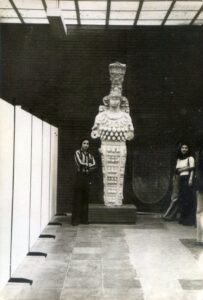
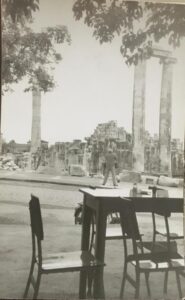
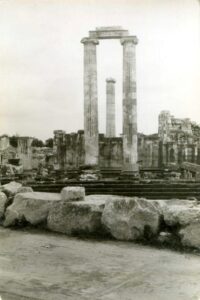
Following taking photographs of Fatih and downtown İstanbul, I moved to Western Turkey passing through Dardanel Straight snd visiting antique cities like Troy, Pergamon, Smyrna, Priene, Ephesus, Didyma, which are older than Istanbul clty, so taking the photos of these archaeological theaters and worship buildings.

Turkey is unique in the world with its richness of antiquity and cultures. Truva is the area where a great war happened between Greek invaders and Anatolians written in legend. Western Turkey is geography of first philosophers in the world before 500 BC where the famous philosophers have lived in this area, so we can say Turkey geography is the homeland of philosophers starting with the Miletos philosophers.

Roman and Ottoman Turkish armies started their military advancement journies all from Fatih District. Mesa Avenue of Roman Empire and Topkapi Palace of Ottoman Empire well all effective in these advancements.

Istanbul was symboled by royal signature of Fatih as with the mission of “Always”.

Street Vendors and chidren, teenagers are the common instances of Fatih streets.

Photography 1975

The photographs I took half a century ago in Istanbul Fatih, on the historical peninsula and in ancient cities such as Troy, Bergama, Ephesus, Didim, in the Aegean, shed light on our day. The permanence of ancient cities, which have not changed for thousands of years, clad in silence and solitude, and the sharp and striking change in the time period of 50 years in the city of Istanbul, occur together before our eyes and extend to us from the beginning years of the 21st century. The ancient cities we visited on the Aegean coast were living their heyday when Istanbul was not yet in the middle.

Despite the magnificence of Istanbul’s historical buildings, the poverty and deprivation observed in the 1975 photographs raise questions about whether human welfare or magnificent stone structures are permanent. The ruined historical wooden structures seen in the photographs were quickly destroyed and left their places to reinforced concrete structures. The apartment building fashion, which started in the mid-1950s, has rapidly changed the face of the city in 20 years.

I have been trying to convey the world reflected by the photographs and our impressions with subtitles.

In terms of political history, 1975 is the interim period between the coup d’etat of March 12, 1971 and the coup of September 12, 1980. The country conditions of a period between military coups have been brought to light with photographs.

After the shooting of the photos, I took photos, shared videos and published them as videos under the title of Teavller’s Talks during my business trips to 32 countries in 32 years in the export sector, in which I was involved by chance in a time period approaching ten years. This time it was the outside world that was in question, and I plan to publish these photos as a book again. This is the result of the spirit of Fatih, regarding the world view, the unity of people, that I acquired in the Fatih district of Istanbul.

Identity and Spirit: FATİH

The Fatih district of Istanbul is a collar embellished not only by the name but also by the spirit of its founder. The heartland of the Qur’an is Surah Fatiha, and the Fatih of Istanbul.

The most important feature of Fatih is that he was the first and last sultan to give such importance to the book and the library. He invited the people of science and opinion to Istanbul and thus placed the immortal power of the idea at the center of the administration. The names of these intellectuals are kept alive in the streets, avenues and neighborhoods of Fatih.

Fatih is the symbol of the immortal union of the idea and the soul. The Conqueror is the idea and the spirit.

Fatih district is a holy land that breathes the souls of the Fatihs who were martyred in 857 (Gregorian 1453) and buried where they were martyred.

The name of Dar’ül Funun should be started to be kept alive with Fatih Madrasa, which are the Science and Teology institutions that Fatih was the founder of.

The Süleymaniye Library, located in the Süleymaniye Mosque Complex of Kanuni, one of the grandchildren of Fatih, is the world’s largest library of manuscripts.

The capital of the world is the precious city of Istanbul, and the center of Istanbul is Fatih.

Scholars and intellectuals who grew up in Fatih have maintained the longest-lasting empire in the world on three continents with the power of their ideas.

The duty of the sons of Fatih the Conqueror is to be the seal of the conquests of ideas by reviving the same intellectual mission with a transcendent vision in the 21st century, and to spread it to the world by raising thousands of pioneering intellectuals; To keep Fatih the Conqueror alive.

Conqueror; Being assertive means keeping and living the spirit of Fatih. That spirit will live on forever in the lines of the National Anthem of Mehmet Akif from Akşemsettin neighborhood.

The Walled City of Istanbul is called Fatih. In fact, the district that developed around Fatih Mosque reflects the spirit of the Turks. Like Bilge Tonyukuk, Fatih’s life was spent on expeditions, either on the Adriatic coast or on the north and south of the Black Sea coast. The leadership dynamism revealed by these expeditions permeated the capillaries of the state and society.

This mood is most felt in Fatih district. How did 72 warships take a U-shaped route by land from the shores of the Bosphorus and land them on the shores of the estuary? This is the most concrete proof of how the impossible is turned into an opportunity.

 Being a grandson from Rumelia, his mother from Macedonia Skopje, and his father from Bulgaria Plovdiv, having settled in Mutemet Street at the foot of Fatih Mosque, having spent his childhood there (I was on Mutemet Street until the age of seven, personality is formed in a child until the age of seven), this is me. It has been an important chance and opportunity that has shaped my whole life.

 My childhood was spent in Mutemet Street between 1958 and 1965, until I was seven years old, then we moved to Vatan Apartment on Akşemsettin Street opposite the Ali Emiri Cultural Center (then it was a truck garden at the time). Fatih is my identity.

 . Conqueror is Leadership. Two anecdotes are very meaningful after the Conquest of Istanbul. First, Fatih is curious, trying to find the body of the Byzantine Emperor who died in the war. The emperor fights like a soldier by taking off his clothes, and shows heroism, whereupon Fatih says, “Find the body of the Byzantine emperor”, the emperor is identified from his socks.

 Later, Fatih had the heirs of the empire brought the cadres to the administration, and today the Murat Pasha Mosque in Aksaray is a mosque built by the heir of the Byzantine Empire and a convert to Islam. Later, another heir, Messiah Pasha, also serves as the grand vizier.

 In addition, he has the heroes who died during the capture of the city in 857 with the Hijri calendar and 1453 with the Gregorian calendar, have their bodies built in the place where their bodies are found and orders them to be buried where they are. The leadership that manifests itself in these anecdotes is a leadership adorned with self-confidence, and this leadership ensured that the empire was in the capital for a very long time, like 600 years.

 The cities of the Turks are intertwined with cemeteries, they have dead ends, they are lived with animals. Fatih entered Istanbul with the dogs. Animals are not at home, but on the streets. These phenomena are absent in Western cities and Arab cities. People and animals live together on the streets in this country. In this country, people are not separated by color, colors are only descriptive for geography; It is the Mediterranean, the Red Sea, the Black Sea, the Blue Danube, the Gökçe Sea (Caspian sea).

 “Turkish cities have lost the concept of “cities with animals” with Ibn Khaldunian sociology. Turks should return to the vision of a city based on the views of Al-Farabi.” Lütfi Bergen @BergenLutfi

 “Turkey is a love-born country that accepts and values living things as they are, without discrimination. The term Anaç and Dolu fits perfectly. Tribes and religions are clumps of land and its inhabitants deserve much more than the imperial world.” Danyal Hergünsel

 In my poem Bazar, I tried to reflect the spirit of Fatih, the spirit of Fatih district, by going over the Wednesday market, which is the largest public market in Turkey, which is an open and huge market.

 85 Blue Mosque courtyard from the outer gate. Hidden glory. A Crescent in the World. The splendor of the fountain and the domes. Curious tourists around the corner. Blue Mosque 11 October 1975

85 Dış kapıdan Sultanahmet Camii avlusu. Saklı görkem. Dünyada bir Hilal. Şadırvanı ve kat kat kubbelerin görkemi. Köşede meraklı turistler. Sultanahmet Camii 11 October 1975

91 Dolmabahce Palace Clock Tower. The happy and confident gaze of a newly enrolled teenager. From Istanbul Dolmabahce Clock Tower with Love, October 1975

91 Dolmabahçe Sarayı Saat Kulesi. Üniversiteye yeni kaydolmuş bir gencin mutlu ve güvenli bakışları. Dolmabahçe Saat Kulesi. Ekim 1975

92 In front of Istanbul Archeology Museum

92 İstanbul Arkeoloji Müzesi önü.

93 Istanbul Municipality Main Building. The turbulent days of politics. The writing on the wall: Demirel the Only Leader. 5 years after this photo was taken, it will be overthrown by a coup. Saraçhane Istanbul City Hall

93 İstanbul Belediyesi Ana binası. Siyasetin çalkantılarla dolu günleri. Duvardaki yazı: Tek Lider Demirel. Bu fotoğraf çekildikten 5 yıl sonra darbe ile devrilecek. Saraçhane Istanbul Belediyesi Binası

94 Arnavut kaldırımlı sokak. Fatih Camiinden Malta Çarşısı’na giriş. Sokakta sakal traşı. Berberin tezgahı ise iki adet meyve sandığı ve Türk Hava Yolları yolcu çantasından bozma malzeme çantası. Fatih Camii civarı, 11 Ekim 1975 Cumartesi

94 Cobblestone street. Entrance to Malta Bazaar from Fatih Mosque. Shaving beard on the street. The barber’s counter is two fruit chests and a bag of stuff made from a Turkish Airlines passenger bag. Around Fatih Mosque, Saturday, October 11, 1975

95 A 17-year-old young man with fashion style hair. With the confidence of leaning on the marbles at the entrance of Topkapi Palace. Topkapi Palace Entrance

95 Zamane stili saçları ile 17 yaşında bir genç delikanlı. Topkapı Saray girişindeki mermerlere yaslanmanın verdiği güven ile. Topkapı Sarayı Girişi

96 Denizde Tanker, Boğaz Köprüsü, solda Beşiktaş, sağda Üsküdar Kıztaşı, Şehir Hatları Vapuru ve Araba Vapuru hep birlikte. Eminönü’nden Karadeniz’e Tuna’ya Rusya’ya (o zaman Sovyetler’e) giden yollar. Boğaziçi

96 Tanker at Sea, Bosphorus Bridge, Beşiktaş on the left, Üsküdar Kıztaşı on the right, City Lines Ferry and Car Ferry all together. Roads from Eminönü to the Black Sea to the Danube to Russia (then the Soviets). Bosphorus

97 Soğuk bir kış gününde Ayasofya ve meydanı önünde havuz. Sultanahmet Camii Avlusu 16 Ocak 1975

97 The pool in front of Hagia Sophia and its square on a cold winter day. Blue Mosque Garden January 16, 1975

98 İstanbul Boğazının kenarında yer alan zarafet ve incelik simgesi, İmparator Konstantin’in Nea Roma’sından beri dünyanın merkezi İstanbul’un nişanesi Hipodrom Meydanı’nın paralelinde Ayasofya Mabedine 1080 yılın ardından eşlik eden evrensel inanç mekanı. Sultan Ahmet Camii

98 The symbol of grace and sophistication on the edge of the Bosphorus, the universal place of belief that accompanies the Hagia Sophia Temple after 1080 years, parallel to the Hippodrome Square, the center of the world since Emperor Constantine’s Nea Rome. Sultan Ahmed Mosque

99 Their minds are filled with question marks, wondering if they may catch fish. Fishermen sailing to the Bosphorus with their tiny boats from Eminönü coast. Sarayburnu January 24, 1975

99 Zihinlerinde soru işaretleri dolu acaba balık yakalayabilecek miyiz diye. Eminönü sahilinden ekmek tekneleri ile Boğaz’a açılan balıkçılar. Sarayburnu 24 Ocak 1975

100 Denizin dibinde hayaller, sathında hakikatler. Şehir Hatları Vapurunda can simitleri. Gündüz gözüyle, geceleri şenlenen meşhur Galata Köprü altı. Berduşların beleş yatakhanesi. Haliç’in giriş kapısı. Yeganesin İstanbul. Kocataş kim imiş, ne imiş acaba? Eminönü Deniz Kenarı. 4 Ocak 1975

100 Dreams at the bottom of the sea, truths on the surface. Life buoys on the City Lines Ferry. Under the famous Galata Bridge, which is lively at night with the eyes of the day. The vagrants’ free dormitory. The entrance gate of the Golden Horn. You are unique Istanbul. Who is Kocatas, what is it? Eminonu Seaside January 4, 1975

101 A 17-year-old boy from Istanbul posing for the Street Photographer leaning against a historical building. Plastic flowers. The walls of Istanbul, the Turkish flag on the backdrop. Long hair style of the 1970s. Cemberlitas Photographer

101 Tarihi bir yapıya yaslanmış Sokak Fotoğrafçısında poz veren 17 yaşında bir İstanbul delikanlısı. Plastik çiçekler. Fon perdesinde İstanbul surları, Türk bayrağı. 1970’li yılların uzun saç stili. Çemberlitaş Fotoğrafçısı

102 Dolmabahçe sırtlarında çağdaş bir heykele sırtını yaslamış üniversiteyi yeni kazanmanın verdiği güven ve gülümseme ile. Dolmabahçe Tepeleri. Ekim 1975

102 With the confidence and smile of just getting into the university, leaning on a contemporary sculpture on the backs of Dolmabahçe. Dolmabahce Hills October 1975

103 Fatih Camii avlusunda sevimli yaşlı amcalar Fatih semtinin ve camiinin yaşattığı gurur ve güven ile pek de neşeli bir sohbet tutturmuşlar. Geride kalanların ömürlerine bereket, sonsuzluğa uğurladıklarımıza rahmetler ile. Ertesi gün Senato Yenileme Seçimleri yapılacaktı. Belki de bu konudaki görüşlerini birbirlerine iletiyorlardı. Fatih Camii, Cumartesi, 11 Ekim 1975.

103 In the courtyard of Fatih Mosque, the charming elders had a very cheerful conversation with the pride and confidence of the Fatih district and the mosque. Blessings to the lives of those left behind, and mercy to those we bid farewell to eternity.  On October 12, 1975, Senate Renewal Elections would be held. Perhaps they were communicating their views to each other on this matter. Fatih Mosque, Saturday, October 11, 1975.

104 Sultanahmet Hipodrom Meydanı önde Yılanlı Sütun, Mısır Hiyeroglifi arkada Alman Çeşmesi. Hipodrom tabii ki yerin altında kalmış. İşte sizlere 1970’li yılların ortasında Dünyanın kadim merkezi. Roma halen yaşıyor. Hipodrom. 24 Ocak 1975

104 Sultanahmet Hippodrome Square with the Serpent Column in the front, the German Fountain in the back with Egyptian Hieroglyphs. The hippodrome is of course underground. Here is the ancient center of the world in the middle of the 1970s. Rome is still alive. Hippodrome. January 24, 1975

105 Anglers in the run-down condition of Galata Bridge. Let’s see if they can fill the bag. Poverty is so painful. The Lower Part of the Galata Bridge Facing the Golden Horn 4 January 1975

105 Galata köprü altının köhneliğinde olta balıkçıları. Bakalım torbayı doldurabilecekler mi? Fakirliğin gözü kör olsun. Galata köprü altı 4 Ocak 1975.

106 Classic City Line ferries waiting for passengers in Eminönü. They wait their turn, accompanied by city teas and coffees in their rows of seats, what stories, my life novels are housed in a riot of sounds at Istanbul’s classics of veteran, coal-fired steamboats. Haydarpaşa, Kadıköy, Eminönü, Üsküdar, Adalar, Beşiktaş, Bosphorus piers come and go all day long. World views on the terraces of the first place, the second place, and the windows. From the Galata Bridge, January 4, 1975

106 Eminönü’nde yolcu bekleyen klasik Şehir Hattı vapurları. Sıralarını bekler, içlerindeki oturma sıralarında şehir çay ve kahveleri eşliğinde, sesler cümbüşünde ne hikayeleri, hayatım romanları barındırırlar İstanbul’un klasikleri emektar, kömürlü vapurlar. Haydarpaşa, Kadıköy, Eminönü, Üsküdar, Adalar, Beşiktaş, Boğaz iskeleleri gün boyu gider gelirler. Birinci mevki, İkinci Mevki teraslarında, pencerelerinde dünya manzaraları. Galata Köprüsü 4 Ocak 1975

107 Ayasofya’nın minareleri, Türk İslam eserleri müzesi, oturma sıraları, gezinen dinlenen insanlar. Fatih 21 Aralık 1974

107 The minarets of Hagia Sophia, the Turkish-Islamic Art Museum, the benches, people walking and resting. Fatih 21 December 1974

108 An uphill alley in Fatih. The cheerful moods of children who have started to mature as youngsters. Istanbul’s always young and rich human values, genetic diversity. Neighborhoods, foreigners, cities, continents. It is not easy to be the capital of the world. With its children and young people, it is always a dizzling and scrambling city. The proud leadership of the capital, the conquerors.

108 Fatih’de yokuş yukarı bir sokak arası. Gençliğe yolalmaya başlamış çocukların neşeli halleri. İstanbul’un her zaman genç ve zengin insan değerleri, genetik çeşitliliği. Mahalleler, taşradan gelenler, şehirler, kıtalar. Kolay değil dünya başkenti olmak. Çocukları, gençleri ile her zaman külhan ve fırlama bir şehir. Payitahtın, Fatihlerin gururlu liderliği.

109 Topkapı surlarından bir araba şehire giriş yapar iken. Binlerce yıllık surların taş duvarları. Kimler geldi kimler geçti. Avarlar, Peçenekler, Bulgarlar, Kıpçaklar, Araplar, Latinler, Göktürkler, Osmanlılar. Topkapi Surları 17 Ocak 1975.

109 While a car enters the city from the Topkapi walls. Stone walls of thousands of years old city walls. Whoever entered have passed away. Avars, Pechenegs, Bulgarians, Kipchaks, Arabs, Latins, Gokturks, Ottomans. Topkapi Walls January 17, 1975.

110 Gardens surrounded by wire mesh in front of Topkapı Walls. Sieges, wars, dynasties, emperors, tekfurlar to seize the city for thousands of years. Walls January 17, 1975

110 Topkapı Surları önünde telörgü ile çevrilmiş bostanlar. Binlerce yıl boyunca şehiri ele geçirmek için kuşatmalar, savaşmalar, hanedanlar, imparator, tekfurlar. Topkapı Surları. 17 Ocak 1975

111 Merdivenlerin kenarında iki kardeş. Çıkılacak merdivenler daha çok. İlk adım henüz daha atılmamış. Fatih Camii Meydan avlusu. İlerde solda Askerlik Şubesi ve Malta Çarşısının girişi. Fatih Camii. 21 Aralık 1974

111 Two brothers by the stairs. More stairs to climb. The first step has not yet been taken. Fatih Mosque Square courtyard. Further on the left is the Military Recruitment Branch and the entrance to the Malta Bazaar. Fatih Mosque 21 December 1974

112 A little boy leads the way at Fatih. Children also guide the way in Fatih. His ancestor, Fatih Mehmet, had conquered Istanbul at the age of 21. A Little Boy Conqueror

112 Fatih’te küçük bir çocuk yol gösteriyor. Fatih’de çocuklar da yol gösterir. Ataları Fatih Mehmet 21 yaşında İstanbul’u fethetmişti.

113 Fatih’te küçük çocuklar. Giysilerdeki farklar gözlere ve tavırlara da yansımış. Çocuklar hiçbir duyguyu saklamıyor.

113 Little Kids Fatih. The differences in clothes are also reflected in the eyes and attitudes. Children do not hide any emotions.

114 İlk Heyecan. Bozdoğan Kemeri’nin yanındaki park. Fatih’in göbeğinde arkasındaki insan ve araç trafiğine sırtını dönmüş, ayağında çizmelerle parkta tek başına bir çocuk. Oyun oynayan arkadaşlarını seyrediyor galiba. 21 Aralık 1974 Fatih.

114 First Excitement. The Park Next to the Gate. A lonely boy in the park with boots on his feet, turning his back on the traffic of people and vehicles behind him, in the heart of Fatih. Looks like he’s watching his friends playing games. 21 December 1974 Fatih

115 Children who do not care about Şehzadebaşı Mosque, American branded dolmuş and the lively traffic around Bozdoğan Aqueduct are playing ball in the park in their own world. Fatih Mosque October 11, 1975.

115 Şehzadebaşı Camii ve Amerikan markalı dolmuşlar ile Bozdoğan Kemeri civarındaki canlı trafiği umursamayan çocuklar kendi dünyalarında parkta top oynuyorlar. Fatih Camii. 11 Ekim 1975.

116 Fatih Camii avlusunda oyuncak traktöründe keyifle oturan kız çocuk ve arkadaşının meraklı ve imrenen bakışları. Saraçhane 21 Aralık 1974.

116 The curious and envious glances of the girl and her friend sitting happily on the toy tractor in the courtyard of Fatih Mosque. Sarachane 21 December 1974.

117 Soran, sorgulayan çekingen çocuk bakışları

117 A Child. Questioning, shy child eyes

118 Atletik çocuk. Arka planda 1970’li yılların tipik mozaik kaplamalı binaları.

118 Child. Athletic boy. Typical 1970s mosaic tiled buildings in the background.

119 Sokakta apartman girişinde kış şekerlemesi. Fatih Camii. 11 Ekim 1975.

119 Winter nap at the entrance of the apartment on the street. Fatih Mosque October 11, 1975.

120 Fatih Camii avlusunda ağaç dibinde satıcılık yapan yaşlı amca arada gazetesini okumadan da duramıyor. Fatih Parkı’ndan Taş Mektep’e Giden Sokakta. 11 Ekim 1975.

120 The elder, who works as a seller under a tree in the courtyard of Fatih Mosque, read his newspaper from time to time. On The Street From Fatih Park to the Taş Mektep (Stone School) October 11, 1975.

121 Çocuk yaşta ayakkabı boyacıları. Hepsi de kameraya poz vermişler. Yüzlerde mutluluk ve kendine güven okunuyor. Para kazanmanın özgüveni. Gelen müşteri için oturacak bir tabure olmaması enteresan. Beşibiryerde. Fatih Parkı civarı 21 Aralık 1974.

121 Shoe shiners at a young age. They all posed for the camera. Happiness and self-confidence are read on their faces. Confidence in making money. It is interesting that there is no stool for the incoming customer to sit on. Around Fatih Park 21 December 1974.

122 The Dog Wandering Next to the Taş Mektep (Stone School) December 21, 1974. Stray dogs are a typical Istanbul phenomenon. Fatih Mehmet entered Istanbul with dogs.

122 Taş Mektep Yanında Gezinen Köpek 21 Aralık 1974. Tipik bir İstanbul fenomenidir sokak köpekleri. Fatih Mehmet İstanbul’a köpeklerle girmiştir.

123: A typical old Istanbul street panorama in Little Hagia Sophia. Wooden houses, cobblestone, a historic stone wall.

123: Küçük Ayasofya’da tipik bir eski İstanbul sokağı panoraması. Ahşap evler, arnavut kaldırımı, tarihi bir taş duvar.

124 İlk Heyecan. Camilerin vazgeçilmez ziyaretçileri olan kuşlar, inananlar tarafından sürekli mısır taneleri ve ıslak ekmekler ile beslenmekteler. 21 Aralık 1974 Fatih Camii.

124 First Excitement. Birds, which are indispensable visitors of mosques, are constantly fed by believers with corn kernels and wet bread. 21 December 1974 Fatih Mosque.

125 Eskiden İstanbul’da seyyar lahmacun satıcıları da vardı. Artık yoklar. Seyyar satıcılar artık İstanbul’un kenar semtlerine itildiler. Küçükpazar ve Süleymaniye’deki eski ve metruk evlerde bekar odalarında kalmaktalar. Amcanın yaşı da epey var. Yalnız geçen bir hayatta karın doyurma, günü yaşama derdindeler. Köylerden kopup gelmişler. Yine de şehirlerde kalabalık nüfuslar içerisindeki yaşantılarını köylerdeki çaresizlik ve cansıkıcılığına tercih etmekteler. Seyyar Lahmacun Satıcı 18 Ocak 1975 Cumartesi Polis Evleri Yakını Fatih.

125 In the past, there were also mobile lahmacun sellers in Istanbul. They no longer exist. The peddlers are now pushed to the outskirts of Istanbul. They stay in single rooms in old and derelict houses in Küçükpazar and Süleymaniye. Photographed peddler is also quite old. In a life spent alone, they are concerned about feeding themselves and living the day. They came from the villages. Still, they prefer their lives in crowded populations in the cities to the desperation and boredom in the villages. Mobile Lahmacun Seller. 18 January 1975 Saturday Near Police Houses Fatih.

126 Fatih Atikali İlkokulu. İlkokul 2.sınıf öğrencileri. Disiplinli bir ilkokul öğretmeni. Tarihi bir bina, ilkokul olarak hizmet vermekte. Öğretmen dışında gülümseyen öğrenci sayısı az sayıda. İlkokul İkinci Sınıf. 5 Haziran 1966 Pazartesi Atikali İlkokulu.

126 Primary School second class students. Fatih Atikali Primary School. A disciplined primary school teacher. A historical building serving as a primary school. Except for the teacher, the number of students smiling is few. June 5, 1966 Monday. Atikali Primary School.

127: A quiet and calm snapshot. In the restoration of Mimar Sinan Masjid, the stones find their forms with hammer and chisel with patience and fine workmanship. Akşemsettin District Architect Sinan Masjid Renovation January 4, 1975.

127: Sessiz ve sakin bir enstantane. Mimar Sinan Mescidi restorasyonunda taşların çekiç ve keski ile sabır ve ince işçilikle formlarını bulması.  Akşemsettin Mahallesi Mimar Sinan Mescidi Yenileme 4 Ocak 1975.

128: Suriçi İstanbul’un en kalabalık meydanlarından Beyazıt Meydanında taşa çömelmiş bir kadın dilenci. İstanbul Üniversitesi Meydanı Ekim 1975 Cumartesi.

128: A female beggar crouching on a stone in Beyazıt Square, one of the most crowded squares in historical part of Istanbul. Istanbul University Square October 1975 Saturday.

130 İtfaiye Parkı Havacılar Anıtı. Türk Havacılık Tarihinin ilk şehitlerinin tamamlanamayan uçuşlarının anısına yarım mum şeklinde yapılmış Anıt, sonbahar mevsiminin yapraksız ağaçlarının yalnızlığında.

130 Fire Brigade Park Aviators Monument. The Monument, built in the form of a half candle to commemorate the unfinished flights of the first martyrs of Turkish Aviation History, is in the solitude of the leafless trees of the autumn season.

131 Taşın minare olarak işlenmesindeki şıklık ve zarafet. Sultanahmet Camii Minaresi 24 Ocak 1975.

131 The elegance and grace of processing the stone as a minaret. A Minaret of the Blue Mosque January 24, 1975.

132 Her ikisi de göğe doğru uzanan ağacın ve minarenin sarmaş dolaş uyumu, içiçeliği. Şehzadebaşı Camii Minaresi 11 Ekim 1975.

132 The entwined harmony and intertwining of the tree and the minaret, both of which reach towards the sky. Şehzadebaşı Mosque Minaret October 11, 1975.

133 Mısır Çarşısı’nın dibindeki Yeni Caminin minaresi asalet ve azameti ile zamana meydan okuyor. Eski zamanlardan buyana hep yeni kalmış. Taş dile gelmiş, konuşuyor. Yeni Cami minaresi. Ağustos 1975.

133 The minaret of the New Mosque, at the foot of the Spice Bazaar, defies time with its nobility and grandeur. It has always remained new since ancient times. Stone speaks. New Mosque Minaret. August 1975

134 İstanbul Fatih’ten Bir Minare 24 Ocak 1975

134 A Minaret from Istanbul Fatih January 24, 1975

135 Konuşan taşlar adına yapılmış Camiinde Fatih Mehmet’in ölümsüz hatırasını seslendiriyorlar. İstanbul Fatih’ten Bir Minare. 24 Ocak 1975

135 Stones sing the immortal memory of Fatih Mehmet in the mosque built in his name. A Minaret from Istanbul Fatih January 24, 1975

136 Minareden nefeslenen ezan sesleri dallana dallana yeri göğü dinleterek insanlara canlılara ulaşıyor. Fatih Camii 11 Ekim 1975

136 The sounds of the azan breathed from the minarets reach people and living things by making the sky and earth listen. Fatih Mosque October 11, 1975

137 The Topkapi Palace gate says “hold on passenger, read it”. He makes an introduction to what he will tell inside. Who came and passed through this door, expeditions were started, roads were crossed. Distant lands were conquered with varying horses. Topkapi Palace Second Gate August 1975

137 Topkapı Sarayı kapısı, “dur yolcu bir oku bakalım” diyor. İçeride anlatacaklarına bir girizgah yapıyor. Kimler geldi geçti bu kapıdan, seferlere çıkıldı, yollar aşıldı. Atları değişe değişe uzak diyarlar fethedildi. Topkapı Sarayı 2.Kapı Ağustos 1975.

138 Aydınoğlu İsa Bey’in anısına. Taşlar canlanmış bitkilerle sarılmış. Hep aynı özenli işçilik ve bezemeler. Hep aynı özlem. Diyarları, dünyaları bezemek. İsa Bey Camii Selçuk İzmir 24 Nisan 1975 Cuma

138 In memory of Aydınoğlu İsa Bey. The stones are surrounded by revitalized plants. Always the same meticulous craftsmanship and decorations. Always the same longing. To adorn lands and worlds. Isa Bey Mosque Selcuk Izmir Friday, April 24, 1975

139 An Air Martyrs Monument worthy of the spirit of Conqueror Fatih. Even if the candle is unfinished, its fire will continue to illuminate my country until the last hearth. Fatih Park October 11, 1975

139 Fatih’in ruhuna yaraşır bir Hava Şehitleri Anıtı. Mum yarım kalmış olsa da ateşi sönmez en son ocağa kadar yurdumu aydınlatmaya devam eder. Fatih Parkı, 11 Ekim 1975

140 Aydınoğlu İsa Bey had it added stone by stone. Bless him. Stones come to life with his glory.  Isa Bey Mosque Selcuk Izmir Friday, April 24, 1975

140 Taş taş üstüne ekletmiş Aydınoğlu İsa Bey. Rahmetler ola. Taşlar can bulmuş şanınla. Isa Bey Camii Selçuk İzmir. 24 Nisan 1975, Cuma.

141 Siluetin İstanbul’a şan, Şadırvan’ın gönüllere çeşme olmuş büyük Mimar Sinan, Fatihlerin soyundan Kanuni Sultan Süleyman. Süleymaniye Külliyesi Bahçesinden, 11 Ekim 1975

141 The great Architect Sinan, whose silhouette brought glory to Istanbul, and Şadırvan’s fountain to hearts, Suleiman the Magnificent, descendant of the conquerors. From the Garden of the Süleymaniye Mosque Complex, 11 October 1975

142 An old cobbled street in Fatih. Iron-worked bay windows and balconies. In 1975, 1970’s models are junk cars. Low-rise old houses. Old items carried in the wheelbarrow. Worried Humans. The gloomy times before the 1980 coup. A Street in Fatih December 21, 1974

142 Fatih’de Arnavut kaldırımlı eski bir sokak. Demir işlemeli cumbalar, balkonlar. 1975 yılında 1970’lerin modelleri külüstür arabalar. Alçak katlı eski evler. El arabasında taşınan eski eşyalar. Endişeli İnsancıklar. 1980 darbesi öncesinin kasvetli zamanları. Fatih’de bir sokak. 21 Aralık 1974

143 Arkada heybetli Belediye binası, parkta karnını zeytin ekmek ile doyurmaya çalışan bir dilenci. Yalnızlığına tanıklık eden bir dost bastonu ile. Mutsuzluğun, yoksulluğun resmi. Saraçhane Geçidi. 21 Aralık 1974 Fatih

143 The imposing Town Hall in the background, a beggar in the park trying to fill his stomach with olive bread. With a friendly cane witnessing his loneliness. The picture of unhappiness, poverty. Saraçhane Pass, 21 December 1974 Fatih

144 With a blind beggar and his son in a dilapidated street. Negligent streets and dilapidated houses. Back Streets of Kıztaşı Fatih 21 December 1974 Beggars

144 Yıkık dökük bir sokakta gözleri kör dilenci ve oğlu ile. Bakımsız sokak ve dökük evler. Kıztaşı Arka Sokakları Fatih 21 Aralık 1974 Dilenciler

145 Fatih Camii avlusunda sevimli bir ihtiyar amca yere bakan bakışlarının arkasındaki zihin dünyası ile yer ve gök arasında gidip geliyor. Fatih Camii civarı 21 Aralık 1974

145 In the courtyard of Fatih Mosque, a charming elder is oscillating between the world of mind behind his gaze and the earth and sky. Around Fatih Mosque 21 December 1974

146 Çamurlu ayakkabıları, çizgili pantolonu ile Fatih Camiinin taşlarına oturan çocuk, çizgili romanın hayaller dünyasında nasıl da merakla geziniyor. Teksas mı yoksa Tommiks mi demeliyim? Fatih Camii Çevresi 21 Aralık 1974

146 The boy sitting on the stones of Fatih Mosque with his muddy shoes and striped trousers wanders curiously in the fantasy world of comics. Texas or should I say Tommiks? Around Fatih Mosque 21 December 1974

147 Fatih Camiinin geniş avlusunda soğuktan üşümüş biçimde sohbet eden yaşlılar. Fatih Camii Ekim  1975

147 Elders chatting under severe cold weather in the wide courtyard of Fatih Mosque. Fatih Mosque October 1975

148 Cami avlusunda belli belirsiz kuşlar, ağacın dibinde ayakkabısını bağlayan temiz giyimli bir İstanbullu. Fatih Camii civarı 21 Aralık 1974

148 Indistinct birds in the courtyard of the mosque, a cleanly dressed Istanbulite tying his shoes at the foot of the tree. Around Fatih Mosque 21 December 1974

149 Amcanın tombul parmakları arasındaki bir kuş mudur acaba, bilinmez. Rahmetlerde uyuyasın canım amcam. Fatih Camii 11 Ekim 1975

149 It is not known whether it is a bird between an elder’s chubby fingers. Blessings to you, my dear elder. Fatih Mosque October 11, 1975

150 Fatih Camii avlusunda dindar sohbetler, sıcak muhabbetler. Fatih Camii 21 Aralık 1974 Cumartesi

150 Religious conversations and warm chats in the courtyard of Fatih Mosque. Fatih Mosque Saturday, December 21, 1974

151 Ev ahşap, çocuk küçük, üzümler salkım salkım. Çocuğun üzüm gözleri de ışıl ışıl. Topkapı Sarayının dibi Soğukçeşme sokağı. Ahşap evin camında efil efil kuruyan çamaşırlar. Soğukçeşme Sokağı, Topkapı Sarayı Çevresindeki Ahşap Ev

151 The house is wooden, the child is small, the grapes are in clusters. The boy’s grape eyes are also bright. Sogukcesme street at the bottom of Topkapi Palace. Laundry drying effectively on the window of the wooden house. Sogukcesme Street Wooden House Around Topkapi Palace

152 A magnificent abandoned wooden house. It has succumbed to time. Probably no more existing. The abundance of windows signifies openness to the world. The porch is also very ostentatious. There are no windows left. Wooden House Walled City Fatih

152 Terkedilmş görkemli bir ahşap ev. Zamana yenik düşmüş. Büyük ihtimalle artık yok. Pencerelerin çokluğu dünyaya açıklığa delalet. Sundurması da pek gösterişli. Ortada camlar kalmamış. Surlar civarında Ahşap Ev. Fatih

153 The wooden mansion with many windows leaning against the garden of Topkapı Palace, a stovepipe removed from the glass means that they still live in it. It is a structure that survived in the last quarter of the 20th century, but it seems that it did not extend into the 21st century, I guess so. Who knows who lived in it, who once experienced what happiness, unhappiness, pain, joy. The structures inside the Topkapı Palace were built from stone and marble to remain permanently in eternity, but the wooden structure leaning against the wall, in which people sit, unfortunately did not survive to the present day. An important difference and understanding. Wooden House Next to Topkapi Palace October 11, 1975

153 Topkapı Sarayının bahçesine yaslanmış çok pencereli ahşap konak camdan bir soba borusu çıkarılmış halen içinde yaşıyorlar demek. 20. yüzyılın son çeyreğinde ayakta kalmış bir yapı ama 21. yüzyıla uzanamamış öyle gözüküyor, öyle tahmin ediyorum. İçinde kimler yaşadı kim bir ara hangi mutluluklar Mutsuzluklar acılar sevinçler yaşandı kimbilir. Topkapı Sarayının içindeki yapılar taştan mermerden kalıcı bir şekilde sonsuzluğa kalacak şekilde inşa edilmiş ama duvarına yaslanmış, insanların içinde oturduğu ahşap yapı ise günümüze uzanamamış maalesef. Önemli bir fark ve anlayış. Topkapı Sarayı Yanındaki Ahşap Ev 11 Ekim 1975

154 An imposing wooden structure, a three-story tower-shaped corner, plenty of windows, the aesthetics of the past, meticulous look and craftsmanship. A corner sitting place. Wooden House Wednesday, December 24, 1975

154 Heybetli bir ahşap yapı, üç kat kule şeklinde bir köşe, bol pencereler, eskinin estetiği özenli bakış ve işçilik. Başköşe köşebaşı bir oturma mekanı. Ahşap Ev. 24 Aralık 1975, Çarşamba.

155 “Bir göz oda bakla sofa” ev çamaşırlar hava ile camdan kurutuluyor, eski mekan biçarelerin yaşadığı bir mekan olsa gerek. Ahşap Ev. 24 Aralık 1975, Çarşamba.

155 “One eye room, bakla sofa” home laundry is dried from the glass with air, the old place must have been a place where the wretched lived. Wooden House Wednesday, December 24, 1975

156 An old abandoned wooden building. Glass frame broken. With a bay window. With stunning details. Who knows how majestic it was once. It’s derelict now. A reinforced concrete building was built in its place. On the Lower Streets of Sultan Ahmet, Thursday, January 16, 1975

156 Terkedilmiş eski bir ahşap yapı. Cam çerçeve kırık dökük. Cumbalı. Gözalıcı detaylarla. Bir zamanlar ne de heybetli idi kimbilir. Metruk olmuş şimdilerde. Yerine muhakkak betonarme bir bina yapılmıştır. Sultan Ahmet’in Aşağı Sokaklarında, 16 Ocak 1975 Perşembe

157 In the neighborhood overlooking Vatan Street under the castles, a smalll window with ethernite tiles. Like the walls, it is in ruined as well. Whitewashed exterior, glass frame covered with newspaper. A lone bird in the air. An Old Tiny House Near the Castle Walls Wednesday, December 24, 1975

157 Surdibi Vatan caddesine bakan mahallede bir göz pencere eternit kiremit. Surlar gibi o da yıkık dökük perişan. Badana boya dış cephe, gazete kağıdı ile kapatılmış cam çerçeve. Havada yalnız bir kuş. Surların dibinde Eski Bir Minik Ev 24 Aralık 1975 Çarşamba

158 Eskinin ihtişamının zamane halleri. Camlarda çiçek saksıları, camdan çıkan soba borusu. Hava ile kurutulan çamaşır, çarşaflar. Arnavut kaldırımlı bir sokak. Bina ahşap giydirme. Diğer binalar betonarme. Sultanahmet’in Aşağı Sokakları 16 Ocak 1975 Ahşap Bir Ev

158 Current views of the glory of the past. Flowerpots on the windows, stovepipe coming out of the glass. Air-dried laundry, linens. A cobblestone street. The building is wooden cladding. Other buildings are reinforced concrete. Lower Streets of Sultanahmet. 16 January 1975 A Wooden House

181 Coastal road winding along the walls, fishing boats are on the way to sell the fish they caught in the sea, while the ships are waiting in line to enter the Bosphorus at anchor. One of the favorites of the time, the assembly industry Dodge pickup truck is parked on the beach sidewalk. Sarayburnu January 24, 1975 by the Sea

181 Sahilyolu surları dolanan yol, denizde de balıkçı teknesi yakaladığı balıkları satma yolunda, gemiler ise demirlemiş Boğaz’a girmek için sıra beklemekteler. Zamanın favorilerinden montaj sanayii Dodge kamyonet sahil kaldırımında park etmiş. Sarayburnu 24 Ocak 1975 deniz kenarı

182 Boats waiting in line to enter the Bosphorus off Sarayburnu in the Sea of ​​Marmara and fishing boats around them. Different worlds. Some people’s worlds are iron-packed ships, some are wooden boats. Different aspirations and preoccupations of catching fish from the seabed and transporting the cargo over the sea. Medar-ı Maişet Motoru is the name of Sait Faik’s first novel. Sarayburnu, 24 January 1975 Friday, By the Sea

182 Marmara Denizinde Sarayburnu açıklarında Boğaza giriş için sıra bekleyen tekneler ve civarlarında balıkçı tekneleri. Farklı dünyalar. Kiminin dünyası demir yığını gemiler, kimininki ahşap sandallar. Deniz üstünden yükünü yerine ulaştırmak ile deniz dibinden balık yakalamanın farklı özlemleri, meşgaleleri. Sait Faik’in ilk romanının adıdır Medar-ı Maişet Motoru. Sarayburnu, 24 Ocak 1975 Cuma, Deniz kenarı

198 Enjoying the weekend at the tiny seaside house of a tradesman who works throughout the week, including Saturdays. He had been an imposing person who carried the burden of a family that started in Plovdiv, Bulgaria and immigrated to Istanbul at the age of 12. He was in love with his job, family and Beşiktaş football team, which he is a fan of. Happy smiling facial expression with gliding mustache. On the table is an imported Kent cigarette and a local matchbox. The coastal town of Kumburgaz, 50 km west of Istanbul. Ethernite roof, sun-dried towels. Reading the Newspaper.

198 Haftaboyu cumartesi günü dahil çalışan bir esnafın deniz kıyısındaki evinde haftasonu keyfi. Filibe’de başlayan 12 yaşında ailece İstanbula göçeden bir ailenin de yükünü omuzlarında taşımış bir heybetli insan. İşine, ailesine ve taraftarı olduğu Beşiktaş futbol takımına sevdalı. Kaytan bıyıkları ile mutlu gülümseyen bir yüz ifadesi. Masada ithal Kent sigarası ve yerli bir kibrit. İstanbul’un 50 km batısında Kumburgaz sahil kasabası. Eternit çatı, güneşle kurutulan havlular. Gazete okurken.

203 My aunt Nihal’s handsome son, my late Muzaffer brother. He died on August 31, 1977, in a traffic accident in Sancaktepe, Samandira, while he was in the military, 2 years after this photo was taken. “In this world, I burn for an object. It’s like the sky reaps the harvest for those who died while they were valiant.” Yunus Emre. Muzaffer Maden August 1975 Kumburgaz.

203 Nihal teyzemin yakışıklı oğlu rahmetli Muzaffer ağabeyim. Bu fotoğraf çekildikten 2 yıl sonra askerde iken Sancaktepe, Samandıra’da  trafik kazasında 31 Ağustos 1977’de hayatını kaybetti. Ağustos 1975 Kumburgaz. “Bu dünyada bir nesneye yanar içim göynür özüm. Yiğit iken ölenlere gök ekini biçmiş gibi.” Yunus Emre. Muzaffer Maden Ağustos 1975

368 A happy mother smiling at life with her plaid skirt on the balcony of an apartment built in 1965, on the edge of Fatih Akşemsettin Street, with a mosaic exterior. She was born in Skopje and immigrated to Turkey with her family when she was 2 years old. Daughter of a migrant family.

368 Fatih Akşemsettin Caddesi kenarında 1965 yapımı dış cephesi mozaik kaplı bir apartmanın balkonunda ekose eteği ile hayata gülümseyen mutlu bir anne. Üsküp’de doğup 2 yaşında iken ailesi ile birlikte Türkiye istikametinde yollara düşen muhacir bir ailenin evladı.

383 A friendly, sweet aunt and niece whose eyes got the color from the Danube River. A helpful sister to her neighbors and siblings with the spirit of the headwoman of her neighborhood. A life line stretching from Ordu Street Laleli to Millet Street Fındıkzade. A fateful line that continues with the pain of losing her eldest son 2 years after the photo was taken. Aunt and Nephew

383 Güleryüzlü, Tuna nehrinden gözlerinin rengini almış dünya tatlısı bir teyze ve yeğeni. Mahallesinin muhtarı ruhu ile komşularına, kardeşlerine yardımsever bir abla. Ordu Caddesi Laleli’den Millet Caddesi Fındıkzade’ye uzanan bir hayat çizgisi. Fotoğraf çekildikten 2 yıl sonra büyük evladını kaybetmenin acısı ile süregiden bir kader çizgisi. Teyze ve yeğeni.

388 SultanAhmet Camiinin arnavut kaldırımlı bahçesinde yürürken. Yüzlerce yıllardır, kimlere, hangi olaylara tanıklık etti kimbilir bu taşlar. Sultan Ahmet Camii. 16 Ocak 1975

388 While walking in the cobblestone garden of the Blue Mosque. Who knows whom and which events these stones have witnessed for hundreds of years. Sultan Ahmet Mosque 16 January 1975

394 Balkonda. 4 Ocak 1975

394 On the Balcony 4 January 1975

396 Istanbul apartments built between the years 1950-1960, facing the coast of the Marmara Sea. There is both an ethernite roof and a tile roof. Cargo ships waiting at sea. General View from İpek Cinema 24 January 1975

396 Marmara Denizi kıyısına bakan 1950-1960 yılları yapımı İstanbul apartmanları. Eternit dam da, kiremit dam da var. Denizde bekleyen yük gemileri. İpek Sinemasından Genel Görünüm 24 Ocak 1975

397 An elder trying to hang a charity banner at the Fatih Mosque. Despite his age, he has not lost his agility. Around Fatih Mosque 21 December 1974

397 Fatih Camiinde Camiye yardım pankartı asmaya çalışan yaşlı bir amca. Yaşına rağmen çevikliğini yitirmemiş. Fatih Camii civarı. 21 Aralık 1974

399 17 yaşında bir delikanlı. Dalgalı saçlar ve kararlı bir ruh hali ile geleceğe yönelik bakışlar. Geminin Kaptan köşkü misali. Nereden bilsin ilerde 32 yılda 32 ülkeye ihracat seferleri yapacağını. Balkondan 4 Ocak 1975

399 17 year old boy. Looking to the future with wavy hair and a determined mood. Like a ship’s captain. How should he know that he will make export trips to 32 countries in 32 years. From the Balcony 4 January 1975

400 Smiling, cheerful senior classmates of Şehremini High School on the side of Millet Street in the historical Istanbul peninsula. There are wide collared shirts, with or without a tie. Jackets thrown over the shoulder on the index finger. A brand high school famous for the football players it has trained. On the across street, one of Turkey’s first teacher schools illuminates Millet Street with its 19th century architecture. School Students İstanbul Şehremini High School. May 1975

400 Tarihi İstanbul yarımadasında Millet Caddesi kenarındaki Şehremini Lisesi’nin güleryüzlü, neşeli son sınıf arkadaşları. Zamane geniş yakalı gömlekler, kravatlısı da var kravatsızı da. İşaret parmağında omuza atılmış ceketler. Yetiştirdiği futbolcular ile ünlenmiş marka bir lise. Karşı caddesinde Türkiye’nin ilk öğretmen okullarından birisi 19.yüzyıl mimarisi ile Millet Caddesini aydınlatıyor. Şehremini Lisesinde öğrenciler. Mayıs 1975

401 Owner of a shop selling cameras and equipment in Sirkeci. This is the first photo I took with the camera. Sirkeci is a great crossroads. Trains, ships, the starting point of conquests from the sea. The famous station of the Orient Express train. Sirkeci Camera Shop 21.12.1974

401 Sirkeci’de fotoğraf makinesi ve malzemeleri satan dükkan sahibi. Kamera ile ilk çektiğim fotoğraftır. Sirkeci tam bir kavşaktır. Trenler, gemiler, denizden fetih seferlerinin başlangıç noktası. Orient Express treninin meşhur istasyonu. Back Streets of Kıztaşı Fatih 21 December 1974.

402 Fatih Kıztaşı sokakları. Çamur içinde bir sokakta kaldırıma çıkmaya çalışan bir çocuk. Sirkeci Fotoğraf Kamerası Satıcısı 21 Aralık 1974

402 Fatih Kiztasi streets. A boy trying to get to the sidewalk in a muddy street. Sirkeci Photo Camera Dealer December 21, 1974

IMAGES OF HISTORICAL AEGEAN  ANTIQUITIES OF TURKEY            

159 Arkada Selçuk Kalesi. Bazilika. Zamana meydan okuyan taşlar, mermerler. Sütunlar arası kemerler. Yerlerde kırık mermer sütunlar. Bir şaheserden geride kalanlar. Kararmış beyaz taşlar. Selçuk Bazilika Nisan 1975

159 Selcuk Castle Behind. Basilica. Time-defying stones and marbles. Arches between columns. Broken marble pillars on the ground. Remnants of a masterpiece. Blackened white stones. Selçuk Basilica, April 1975

160 Tepede kalenin koruyucu burçları düzlükte asarı antikanın taşıyıcı kemer ve sütunları. Turistlerin meraklı bakışları. Selçuklu imparatorluğu, Ege kıyılarına kadar gelmiş adını bir ilçeye ve kaleye vermiş. Kıyıları gibi girintili çıkıntılı zengin bir geçmişi var Ege’nin, kat kat üstüne. Ortaklaşa bir medeniyetin zenginliği. Altı Efes üstü Selçuk. Kartalların birlikteliği. Selçuk Bazilika Nisan 1975. İzmir Gezisi

160 On the hill, the protective bastions of the castle hang on the plain, the carrier arch and columns of the antique. Curious eyes of tourists. The Seljuk empire arrived at the Aegean coast and gave its name to a town and castle. Like its shores, the Aegean has a rich and intricate past, layer upon layer. The wealth of a collective civilization. Underneath is Ephesus and on the ground is Selcuk. The union of eagles. Selcuk Basilica April 1975 Izmir Trip

161 Bereket Tanrıçası Artemis ile. Selçuk müzesinde. Nasıl oldu da götürülmemiş, yerinde kalmış. Tanrıça Kibele’den buyana coğrafyanın bereketi, insanlarının derin inançları. New York Hürriyet heykelinden çok daha anlamlı değil mi. Şairin dilinden “Havva Ana’nın dünkü çocuk” sayıldığı topraklar New (Yeni) değil, en eskidir. Heykeli düşünen zihinler, yontan bezeyen eller; hep Türkiye coğrafyası. Efes Müzesi. Artemis Nisan 1975

161 With Artemis, Goddess of Fertility. In Selcuk museum. How come it was not stolen, it remained in her own ground. The fertility of the geography since the goddess Cybele, the deep beliefs of its people. Isn’t it much more meaningful than the New York Liberty statue? In the poet’s language, the land where “Mother Eve is yesterday’s child” is not with adjective New, but the oldest. Minds that contemplate the statue, hands that carve it; always Turkey geography. Ephesus Museum Artemis April 1975

162 Efes Limanına giden antik yol. Mermerin ihtişam ve zamana direnen kalıcılığı. Karşıda gördüğümüz tepeler kimbilir eskiden denizdi. Sütunların üzerleri heykeller ile bezenmişti. Bu fotoğraf ile zaman tüneline girmiş gibiyiz. Yosun tutan mermerler aksine zamanı durdurmamış, bugünlere ulaşmamış. Tarihteki en büyük antik limanlardan birinin yolunu seyrediyoruz. Kimbilir hangi mallar ve insanlar taşındı bu limandan, şaraplar, amforalar, zeytinler, zeytinyağlar. Efes Tiyatrosuna gelen giden seyirciler. Efes Yolu Nisan 1975

162 The ancient road to Ephesus Harbor. The splendor and time-resisting permanence of marble. Who knows, the hills we see in front of us used to be the sea. The tops of the columns were adorned with statues. We seem to have entered a time warp with this photo. On the contrary, the mossy marbles did not stop time and did not reach today. We are cruising the path of one of the greatest ancient ports in history. Who knows what goods and people were transported from this port, wines, amphorae, olives, olive oil. Audiences coming and going to Ephesus Theatre. Ephesus Road April 1975

163 Ashtrays and salt shakers on the plain restaurant table, in front of it is the Didim Apollon Temple, a world masterpiece. 22 km away from Miletus, Capital of Philosophy of the World. The juxtaposition of philosophy and faith. Marble pillars rising to the sky by being cut into circles, twin marble pillars with grooves. Elder tourist took care of the best instance by crossing his legs with the camera team. Didim Temple Apollon Cult Izmir Trip April 1975

163 Sade lokanta masasında kül tablaları, tuzluklar, önünde ise bir dünya şaheseri Didim Apollon Tapınağı. 22 km ötesinde Dünya Felsefe Başkenti Milet. Felsefe ve inancın yanyanalığı. Halka halka kesilerek göğe yükselen mermer sütunlar, yivli ikiz mermer sütunlar. Turist amca kamera takımı ile bacaklarını çapraz yaparak pür dikkat kesilmiş. Didim Tapınağı Apollon Kültü İzmir Gezisi Nisan 1975

164 Tapınağın ana toplanma yeri. Geride kalan ana sütunlar, sütun kökleri. Her yan sütunmuş demek. Ne adaklar adandı kimbilir Tanrıça Apollon’a. Çatısı ahşap ile örtülü imiş. Henüz kubbe teknolojisi yok ortada. Komşu şehir Milet’li iki usta mimar ise 1200 yıl sonra İstanbul’da Ayasofya Kilise mabedini bu sefer kubbeli olarak inşa edeceklerdi. Didim Tapınağı Apollon Kültü İzmir Gezisi Nisan 1975

164 The main gathering place of the temple. The remaining main columns, column roots. Each side is full of pillars. Who knows what sacrifices were made to the Goddess Apollo. Its roof is covered with wood. There is no dome technology yet. Two master architects from the neighboring city of Miletus were going to build the Hagia Sophia Church temple in Istanbul 1200 years later, this time with a dome. Didim Temple Apollon Cult Izmir Trip April 1975

165 A sad double-domed mosque, which was built by Aydınoğlu İsa Bey in 1375 by Architect Şamlı Ali, on the slope of the plain, later abandoned to solitude, and its minaret was destroyed. It shared the same fate with the ruins of Ephesus. Alluvial fertile plains around, mowed lands, majestic poplar trees. Isa Bey Mosque Selcuk April 1975 Izmir

165 Aydınoğlu İsa bey tarafından 1375 yılında Mimar Şamlı Ali’ye yaptırılmış çift kubbeli, ovanın yamacında, sonradan yalnızlığa terkedilmiş, minaresi yıkıma uğramış mahzun bir cami. Efes harabeleri ile aynı kaderi paylaşmış. Etrafta alüvyon bereketli ovada ekilen biçilen topraklar, heybetli kavak ağaçları. İsa Bey Camii Selçuk Nisan 1975 İzmir

166 Considered one of the most important figures of Christianity, St. John (St. Jean) is one of the 12 apostles of Jesus Christ. Also known as St. John’s, St. The basilica built on the tomb of John is one of the most important witnesses of the early Christian period. A 17-year-old Turkish teenager watches the future in front of the ruins of a 2000-year-old church. The rich treasures of the past will also illuminate the future. Selcuk Basilica Izmir April 1975

166 Hristiyanlığın en önemli figürlerinden biri sayılan St. John (St. Jean) Hz.İsa’nın 12 havarisinden biri. Aziz Yahya olarak da bilinen St. John’un mezarı üstüne inşa esilen bazilika ise erken hristiyanlık döneminin en önemli tanıklarından. 2000 yıllık bir kilisenin kalıntıları önünde 17 yaşında bir Türk genci ufuklardaki geleceği gözlüyor. Geçmişin zengin hazineleri geleceğini de aydınlatacak. Selçuk Bazilika İzmir Nisan 1975

167 Kalın gövdeli devasa tapınak sütunlarının kök dipleri ayakta kalarak günümüze kadar uzanmış. Zaman tünelinin giriş kapısıdır sanki. Ayinler, adaklar, ilahilerin sesleri hep mermer merdivenlerden çıkılan kapının girişinde kalmışlar. Mısır piramitlerinde üstüste konulan taşların aksine burada gözetilen hep mermer üzerinde ince bir estetik. Didim Tapınağı İzmir Nisan 1975

167 The root bases of the huge, thick-bodied temple columns have survived to the present day. It’s like a doorway to a time tunnel. The sounds of rites, offerings and hymns remained at the entrance of the door, which is reached by marble stairs. Contrary to the stones placed on top of each other in the Egyptian pyramids, what is observed here is always a subtle aesthetic on marble. Didim Temple Izmir April 1975

168 I wonder which meanings were being carried out by herringbone decorations, huge columns, marbles. A magnificent temple from the treasury of Turkey, the land of people who have refined their souls with their beliefs. Cut stones. The troubles of the people of the time, their search for a cure, their dreams, their sorrow, their gloom, showed themselves as lines, ripples and crevices on the stones of the temple. Didim Temple Friday 25 April 1975 Izmir

168 Ne anlamlar taşımaktaydı acaba balıksırtı süslemeler, devasa sütunlar, mermerler. İnançları ile ruhlarını inceltmiş insanların ülkesi Türkiye hazinesinden görkemli bir tapınak. Kesme kesme taşlar. Zamane insanlarının dertleri, derman arayışları, hayalleri, gam, kasavetleri, tapınağın taşlarında çizgiler, dalgalanmalar, yarıklar olarak kendini göstermiş. Didim Tapınağı 25 Nisan 1975, Cuma. İzmir

169 Üç yivli sütun ancak kökleri ile ayakta kalabilmiş iken, halka halka sütun dimdik ayakta. 2700 yıllık açık hava müzesi. Tipik bir Türkiye manzarası. Yivli mermer sütunların diplerindeki halkalar da bezemelerle işlenmiş. “Mermere kuvvet mi dayanır” diye düşünüyor insan ama dayanmış. Yurdumun insanının binlerce yıldır süregelen kesintisiz mücadele gücü ve azmi. Otların arkasına saklanmış mermerden, taştan bir mücevher. Yazılarını granit taşlara nakşede nakşede İpekyollarından Ege kıyılarına ulaşan GökTürklerin alışık oldukları, yabancılamadıkları ilahi bir manzara. Didim Apollon Tapınağı İzmir Gezisi Nisan 1975

169 While the three fluted columns could only survive with their roots, the ring-ring column stands upright. 2700 years old open air museum. A typical Turkey landscape. The rings at the bottom of the grooved marble columns are also decorated with ornaments. One thinks, “Is the marble strong enough to withstand?” The uninterrupted struggle and determination of the people of my country for thousands of years. A jewel of marble stone, hidden behind the grass. Engraving their writings on granite stones, it is a divine sight that the Göktürks, who reached the Aegean coasts from the Silk Roads, were accustomed to and not alienated. Didim Temple Apollon Cult Izmir Trip April 1975

170 Göğe uzanan bu sütunu nasıl da alımlı bir Tanrı, Tanrıça heykeli süslüyordu kimbilir? Didim Tapınağı İzmir Gezisi Nisan 1975

170 Who knows how an attractive God, Goddess statue adorned this column reaching to the sky? Didim Temple Izmir Trip April 1975

171 Rehberlik turundaki genç kursiyerler Akçay’da çay molasında. Bıyıklar daha terlememiş. Farklı yörelerden gelmiş olmanın zenginliği ve çeşitliliği yüzlere yansımış. Genler ve gençlerin ülkesi Türkiye. Tipik bir Türk tarzı çay bahçesi. İnce belli üfleme tipi Paşabahçe markalı çay bardakları. Ahşap masa ve sandalyeler. Masada illa ki örtü olacak. Çaylar içilmiş, belki de tazelenir. Arkalarda kravatlı ceket takımlı bir genç. Akçay Çay Molası Nisan 1975

171 The young trainees of the guided tour are at a tea break in Akçay. The mustaches haven’t sweated yet. The richness and diversity of coming from different regions is reflected on the faces. Turkey is the land of genes and youth. A typical Turkish style tea garden. Thin waisted blown type Paşabahçe branded tea glasses. Wooden table and chairs. There will be a cover on the table. The teas have been drunk, perhaps refreshed. In the back is a young man in a jacket suit with a tie. Akcay Tea Break April 1975

172 Truva Örenyeri girişindeki tahtadan Truva Atı. Halatlarla yere sabitlenmiş. Gövdesinde içine giriş pencereleri yapılmış. Kimbilir kullanılmaya devam ediyor mu acaba? Daha sonra 2000’li yıllarda çekilen Truva Filminde estetik stilize edilmiş ahşap bir model kullanılacak. Giriş binası duvarında Helen, Paris, Homer yazıları ve Homer figürü. Kilim örnekleri ve kartpostallar. İzmir Gezisi Çanakkale 23 Nisan 1975 Çarşamba Tahta Truva Atı

172 Wooden Trojan Horse at the entrance to the Archaeological Site of Troy. Fixed to the ground with ropes. Entrance windows have been made in its body. Who knows if it continues to be used? Later, an aesthetically stylized wooden model will be used in the Trojan Movie shot in the 2000s. Helen, Paris, Homer writings and Homer figure on the wall of the entrance building. Rug samples and postcards. Izmir Trip Canakkale 23 April 1975 Wednesday Wooden Trojan Horse

173 Modern tıbbın ve eczacılığın merkezi olan antik çağların en büyük sağlık yurdu olan Bergama Asklepionu. MÖ 4.yüzyıldan MS 4. yüzyıla kadar 800 yıl boyunca şifa dağıtmış. Yivli mermer sütunları günümüze kadar ulaşmış. Bergama Asklepion İzmir Nisan 1975

173 Pergamon Asklepion, the center of modern medicine and pharmacy, and the largest health home of ancient times. Pergamon healed for 800 years, from the 4th century BC to the 4th century AD. Its grooved marble columns have survived to the present day. Bergama Asklepion Izmir April 1975

174 Genç rehber adayları Bergama Asklepionu’nda. Ülkenin hazinelerinin keşif yolculuğunun keyifi yüzlerden okunuyor. Hatıralar kare kare birikiyor. Mermer ve taşların hazineye dönüştüğü bereketli topraklar. Taşdaki bilgelikler. Asya’nın balballarından, Küçük Asya’nın kıvırcık saçlı beyaz mermer heykellerine yolculuk. Bergama Asklepion Cumartesi, 26 Nisan 1975

174 Young guide candidates are at the Bergama Asklepion. The joy of the discovery journey of the country’s treasures can be seen on the faces. Memories pile up frame by frame. Fertile lands where marble and stones turn into treasure. Wisdom in stone. Journey from the balbals of Asia to the curly-haired white marble statues of Asia Minor. Bergama Asklepion Saturday, April 26,1975

175 Scramle of the waves crashing on the rocks interspersed with the sea for highway construction at the foot of the coastal walls. Lonely people walking on the beach. The building on the far right ahead is the Haydarpaşa Train Station, and the buildings on the left are the Haydarpaşa harbor silos. Landscapes stretching from the shores of Europe to the shores of Asia. Continents meeting coast to coast. Eurasia. The Train Station is no longer in use, the coastal road built in the mid-1950s and the sea connection of the walls has disappeared. Sarayburnu January 24, 1975 By the Sea

175 Sahil surlarının dibinde karayolu yapımı için denize serpiştirilmiş kayalara çarpan dalgaların hercümerci. Sahilde yürüyen tektük insanlar. İlerde en sağdaki bina Haydarpaşa Tren Garı, sol taraftaki binalar ise Haydarpaşa limanı siloları. Avrupa kıyılarından Asya kıyılarına uzanan manzaralar. Kıyıdan kıyıdan buluşan kıtalar. Avrasya. Tren Garı artık kullanılmıyor, 1950’li yılların ortalarında inşa edilen sahil yolu ile surların deniz bağlantısı ortadan kalkmış. Sarayburnu 24 Ocak 1975 Cuma. Deniz Kenarı

177 Castle bottom coastal road in front of the boat shooting locations, a wooden mansion behind and a ruined view from the city walls. The priceless images that bring the ancient times to the present. Timeless beauty. People walking alone. A worried and thoughtful young man preparing for university exams, with a tag with his name on his wrist. Sarayburnu, 24 January 1975 Friday, By the Sea

177 Surdibi sahilyolunun önünde kayık çekim yerleri, arkada ahşap bir konak ve surlardan yıkık dökük bir manzaralar. Eski zamanları günümüze taşıyan görüntülerin paha biçilemezliği. Eskimeyen güzellik. Tektük yürüyen insanlar. Üniversite sınavlarına hazırlanan kaygılı ve düşünceli bir genç, bileğinde isminin yazılı olduğu künyesi ile. Sarayburnu 24 Ocak 1975 Deniz Kenarı

178 Truva harabelerinin içindeyiz. Yürüdüğümüz çalılıkların altında kat kat Hititlere kadar yerleşme tabakalarının olduğunun farkında mıyız. Çanakkale boğazının kenarındaki Truva’dan kimler geldi kimler geçti. İlk önce batıdan Yunan anakarasından gelen Akalar saldırdı, tüm Anadolu halkları birleşti. En son gene batıdan en modern ve heybetli savaş gemileri ile gelenlere karşı tüm Anadolu, Rumeli birleşti, denizin dibini boyladılar. Göze görünen taş duvarların niceleri yer altında kazılarak gün yüzüne çıkarılmayı bekliyor. 23 Nisan 1975. Çarşamba.

178 We are in the ruins of Troy. Are we aware that under the bushes we walk, there are layers of settlement up to the Hittites. Who came and who passed from Troy on the edge of the Dardanelles. The Achaeans, who came from the Greek mainland from the west, attacked first, uniting all the Anatolian peoples. Finally, all Anatolia and Rumelia united against those who came from the west with the most modern and majestic warships, and they went to the bottom of the sea. Many of the visible stone walls are waiting to be excavated underground. Wednesday, April 23, 1975

179 Akçay’da çay bahçesinde mola. Çay, Türklerin en popüler sıcak içeceği. Zamane stili uzun saçlar. Derin bakışlar kimbilir nerelere, kimlere kilitlenmiş, dalıp gitmiş. Akçay 26 Nisan 1975 Cumartesi

179 Break in the tea garden in Akcay. Tea is the most popular hot drink of the Turks. Fashion style long hair. Who knows where, to whom the deep gaze is locked and lost. Akcay Saturday, April 26, 1975

180 Didim Apollon tapınağının devasa sütunları bini aşkın yılların ötesinden günümüze kadar uzanmış. Gencin meraklı bakışları ise nasıl bir geleceğin kendisini beklediğine yoğunlaşmış. Bilgelik sütunlarının, taşlarının da bu konudaki diyecekleri vardır herhalde. Sorsak mı acaba? Didim Tapınağı İzmir Gezisi, Nisan 1975

180 The gigantic columns of the Temple of Apollo in Didim have reached the present day from more than a thousand years. The curious eyes of the young man focused on what kind of future awaits him. Wisdom columns and stones probably have something to say about this. Shall we ask? Didim Temple Izmir Trip April 1975

385 A pleasant journey from Istanbul Sultanahmet to Didim with a Mercedes 302 tour bus. Ancient settlements, discovery of homeland treasures.  Around Bergama Asklepion 26 April 1975

385 Mercedes 302 model bir tur otobüsü ile İstanbul Sultanahmet’den Didim’e kadar süren keyifli bir seyahat. Eski yerleşmeler, memleket hazinelerinin keşfi. Bergama Asklepion civarı. 26 Nisan 1975

386 Akçay iskelesinde mola esnasında genç tur öğrencileri. Önlerinde balıkçı ağları, arkalarında balıkçı sandalları. Gençler geleceği düşlerken kaderin de yüzlerine gülmesi beklentisi içindeler. Akçay, April 26 Nisan 1975, Cumartesi.

386 Young tour students during the break at Akçay pier. Fishing nets in front of them, fishing boats behind them. While young people dream of the future, they expect fate to smile on their faces. Akcay Saturday, April 26, 1975

391 Akçay Gümrüğü 26 Nisan 1975, Cumartesi

391 Akçay Customs Saturday, April 26, 1975

398 Kadifekale, Izmir’s highest district and its old castle. A world of antiques with a history older than Istanbul. The symbol of the War of Independence with the İzmir Anthem. Izmir Castle Kadifekale April 1975

398 Kadifekale, İzmir’in en yüksek semti ve eski kalesi. İstanbul’dan daha eski bir tarihi ile antikalar dünyası. İzmir Marşı ile Kurtuluş Savaşı’nın simgesi. İzmir Kalesi Kadifekale Nisan 1975

402 Fatih Kıztaşı streets. A boy trying to get to the sidewalk in a muddy street. Back Streets of Kıztaşı Fatih 21 December 1974

402 Fatih Kıztaşı sokakları. Çamurlu bir sokakta kaldırıma çıkmaya çalışan bir çocuk. Kıztaşı Arka Sokakları Fatih 21 Aralık 1974

403 High school students are joking in Sarıyer, on the Bosphorus shore. High School Friends Sariyer Istanbul 16 May 1975

403 Liseli gençler Boğaz kıyısında Sarıyer’de şakalaşıyor. Lise Arkadaşları Sarıyer İstanbul 16 Mayıs 1975

414 1970’lerin ortasında bir gencin odası. Duvarda zamane ünlüleri. Bridigitte Bardott, Elvis Presley, Cat Stevens. Bridget Bardot Fan

414 A teenager’s room in the mid-1970s. Time celebrities on the wall. Bridigitte Bardott, Elvis Presley, Cat Stevens. Bridget Bardot Fan

Poems

English&Turkish    

by Levent AĞAOĞLU


089 Çarşı


Aslolan Çarş’dır

Ortadır

Ordu’dur

Orta olan Orda’dır

Ordos’dur, Hordus’dur, Urdu’dur

Türkistan’da, Hindistan

Rusya, Çin’de, Maçin’de


İstanbul’un ortası Fâtih

Fâtih’in ortasıdır Çarşamba

Anadolu’nun Kızılırmak

Kızılırmağın ortasıdır Çarşamba


Payitahtta Fâtih

Fâtih’de Çarşamba Pazarı

Türkiye’nin en büyük pazarı

Karadeniz Caddesi’nden

Akdeniz Caddesi’ne

Ordu, Millet,

Vatan Caddelerinden

Oğuzhan’a, Kızılelma’ya


İnsanlar, insancıklar

Ellerde fileler

Hamallarda heybeler

Tezgâhlarda pazarlıklar

Alışverişler

Gönüllerde sevdalar

Gözlerde hayâller


Haftanın ortası Çarşamba

Şehrin ortası Çarşı

Milletin ortası Ordu

Beşiktaş’ımın herşeyidir Çarşı

Memleketimin yaşayan ruhudur

Çarşı Pazar


Ağasofya

20 Nisan 2019

 089 Bazaar

The real thing is Çarş

it is medium

is the army

The Middle is the Horde

It’s Ordos, it’s Hordus, it’s Urdu

in Turkestan, India

Russia, China, Machin


Fatih in the middle of Istanbul

Wednesday is the middle of Fatih

Anatolia’s Kızılırmak

Wednesday is the middle of the Red River


Conqueror in Payitaht

Wednesday Market in Fatih

Turkey’s largest market

From Karadeniz Street

to Akdeniz Street

Army, People,

From Vatan Streets

To Oğuzhan, to Kızılelma


people, humans

Nets in hands

Saddlebags in porters

Bargains at the stalls

Shopping

love in hearts

dreams in eyes


mid week Wednesday

Market in the middle of the city

middle of the nation

Çarşı is everything to my Beşiktaş

He is the living soul of my country

Bazaar Market


agasofya

20 April 2019


088 Beşiktaş Kıyıları


Akdeniz,

Karadeniz,

Kızıldeniz,

Beşiktaş kıyılarında bir olurlar…

Yol alırlar

Deryalara Barbarossalar


Dar Üs Sınai, Tophane

Tersâne-i Âmire, Asitane,

Venedik, Londra

Toplar, Doklar’a

Pourtsmouth’a

Woolwich’e

Royal Arsenal’e


7 Nisan 2019


089 Besiktas Shores


Mediterrenian,

Black Sea,

red sea,

They become one on the shores of Beşiktaş…

they take the road

Barbarossas to the Seas


Narrow Base Industry, Tophane

Tersâne-i Âmire, Asitane,

Venice, London

Balls to Doks

to Pourtsmouth

to Woolwich

to Royal Arsenal


April 7, 2019

Genealogy


Ancestral Chungarian

Big Asian

Little Asian

Saruhan Kipchakli

Menemen Ovalı

Yoruk Obali

Balkan Nomads


Rumelian from Dedes

Flag of Mirdita

Ahmed Cevdet Pasali

1389 Kosovars

from Yakova

Mirdita Fan


“The Battle of Kosovo

edict

Hosn-i servant

Mazhar-i-nazar-i stateli

The tip of the Urosh flag is copper-plated

Privileged and commanded”


from the rhodopes

Ustinali

Eastern Rumelian

Kosoglulu


Anadan Skopje

Hamamönülü

Vardar Plain

Meriçli, Fan, Tunalı

Yucelciler, Yucel Martyrs

Fazli Fanda, Martyr Nazmi Ömer,

With Kemal Hakimoğlu, with Kadri Yücel

With Fand, Fandili, Fandali, Fundalı

Namık Kemal from Funda

From Fadliye, Feleknaz


From Father to Filibe

From Kosoglu, from Tatarpazarcik

Gülbahçeli, Ustina Tobacco

Pasha Camili

from caravanserai

ancestry

Evlâd-i Fatihanlı

on the roads

Ayşekadin from Edirne


From the Heart Out of Love

1903 Gymnastics Club

Besiktas from the log

Serencebey with slope

Abbasağa neighborhood, headman

Kucukpazar

Zindan Hanli, Ahi Celebi


From Laleli, with Tayyare Apartment

Headman of Laleli

from Kazım Karabekir, from Kazım Taşkent,

from Halide Edip Adıvar, from Nejat Eczacıbaşı,

From Yahya Kemal, from Adnan Şenses

Heather with Groceries

Vardarlilar Association

Funda Real Estate


Vatan Caddeli

Vatan Apartment

Bozdogan Kemerli, Kıztaşılı

Katip Celebi

Yavuzselimli, İbrahim Müteferrikali

With Osman Nihat Akın, with Seyfettin Özege

Mimar Sinan Masjid

People’s Library

skeptic of 857


Congenital

Vakif Gurebali

Conqueror from Payitaht

always

Always Permanent, Permanent

Both reflective

Both from Fatih


Mutemet Sokakli

from Fevzipasa

Tasmepli Atikalili

Aksemsettin Koyunbabali

Ali Emiri Effendi


Kocasinan Street

Sariguzelli, Mehmet Akifli

Safahatli

National Anthem

Sonmez Ocakli

From Balipaşa, From Cardigan-i Şerif

Merkezefendili

Eski Kozlulu

Mediterranean Oguzhanli

red e l m a l i


July 7, 2018


095 Şecere


Atalardan Çungaryalı

Büyük Asyalı

Küçük Asyalı

Saruhan Kıpçaklı

Menemen Ovalı

Yörük Obalı

Balkan Yörüklü


Dedelerden Rumelili

Mirditalı Bayraklı

Ahmed Cevdet Paşalı

1389 Kosovalı

Yakovalı

Mirdita Fanlı


“Kosova Muharebeli

Fermanlı

Hüsn-i hizmetli

Mazhar-ı nazar-ı devletli

Uroş bayrağının ucu bakır kaplı

İmtiyâzı ihsânlı buyruklu“


Rodoplardan

Ustinalı

Doğu Rumelili

Kosoğlulu


Anadan Üsküplü

Hamamönülü

Vardar Ovalı

Meriçli, Fanlı, Tunalı

Yücelcilerli, Yücel şehitlerli

Fazlı Fanda’lı, Şehid Nazmi Ömer’li,

Kemal Hakimoğlu’lu, Kadri Yücel’li

Fanlı, Fandili, Fandalı, Fundalı

Namık Kemal Funda’lı

Fadliye’li, Feleknaz’lı


Babadan Filibeli

Kosoğlu’lu, Tatarpazarcıklı

Gülbahçeli, Ustina Tütünlü

Paşa Camili

Kervansaraylı

Soydan

Evlâd-ı Fâtihânlı

Yollarda

Ayşekadın Edirneli


Gönülden Aşktan

1903 Jimnastik Kulüplü

Kütükten Beşiktaşlı

Serencebey yokuşlu

Abbasağa mahalleli, muhtarlı

Küçükpazar

Zindan Hanlı, Ahi Çelebili


Lalelili, Tayyare Apartmanlı

Laleli muhtarlı

Kâzım Karabekir’li, Kazım Taşkent’li,

Halide Edip Adıvar’lı, Nejat Eczacıbaşı’lı,

Yahya Kemal’li, Adnan Şenses’li

Funda Bakkaliyeli

Vardarlılar Dernekli

Funda Emlaklı


Vatan Caddeli

Vatan Apartmanlı

Bozdoğan Kemerli, Kıztaşılı

Kâtip Çelebili

Yavuzselimli, İbrahim Müteferrikalı

Osman Nihat Akın’lı, Seyfettin Özege’li

Mimar Sinan Mescidli

Millet Kütüphaneli

857’li şühedâlı


Doğuştan

Vakıf Gurebalı

Payitahttan Fâtihli

Her daimli

Hep Daimli, Daimalı

Hem Mütefekkirânlı

Hem Fâtihânlı


Mutemet Sokaklı

Fevzipaşalı

Taşmektepli Atikalili

Akşemsettin Koyunbabalı

Ali Emîrî Efendi’li


Kocasinan Caddeli

Sarıgüzelli, Mehmet Âkif’li

Safahatlı

İstiklâl Marşlı

Sönmez Ocaklı

Balipaşalı, Hırka-i Şerifli

Merkezefendili

Eski Kozlulu

Akdeniz Oğuzhanlı

K ı z ı l e l m a l ı


7 Temmuz 2018


086 Fâtih, Fâtiha, Evlâdı Fâtihân…


Kuran’ın kalpgâhındaki sure:

Fâtiha

İstanbul’un kalpgâhı:

Fâtih

Osmanlı’nın Ruhu:

Evlâd-ı Fâtihân


Farklı bir tavır ve kültür.

“Payidar ol evlâdım.”

diyen büyüklerimizin

ellerini öperdik.


Payitahttayız çünkü.

Rumeli de öyle, Fâtih de.

Sultan Mehmed’in

Tuğrasına nakşettiği

Tavırdayız,

Kararlılıktayız:

Her daim

Hep daim

21 Nisan 2018


 086 Fatih, Fatih, His Son, Fatih…


The surah in the heart of the Qur’an:

Fatiha

The heartland of Istanbul:

Conqueror

Spirit of the Ottoman Empire:

Evlâd-i Fatihan


A different attitude and culture.

“Be fair, my son.”

of our elders

we kissed their hands.


Because we are in Payitaht.

So is Rumelia, so is Fatih.

of Sultan Mehmed

embroidered on his monogram

We’re in the mood

We are committed:

Always

always

21 April 2018


091 Zero is the Symbol of the Turk.


It has a multiplier effect.

It ferments.

Get One

Thousand Million

million billion

it does.


Stone becomes Inscription

becomes a circle

becomes a meridian

From Istanbul

It leads to infinity.

Istanbul, 14 November 2017


091 Sıfır, Türk’ün Simgesidir. 


Çoğaltan etkisi yapar

Mayalandırır.

Bir’i Bin

Bini Milyon

Milyonu Milyar

Yapar.


Taş Yazıt olur

Dairecik olur

Meridyen olur

İstanbul’dan

Sonsuzluğa yol alır.. İstanbul, 14 Kasım 2017

096 Levends

on the Mediterranean coast

Captain-i Deryas,

Levends

Hemp From Hemp

Ropes, Kemends


In “Our Mediterranean”

Levent, Levantino,

Levante, Leventis,

Leventopoulos, Leventakis

lands of the Levant,

Levantines

Kalyonan Levendats


096 Levend’ler


Akdeniz kıyılarında

Kaptan-ı Derya’lar,

Levend’ler

Kendir Kenevirden

Halatlar, Kemendler


“Bizim Akdeniz”de

Levent, Levantino,

Levante, Leventis,

Leventopulos, Leventakis

Levant diyarları,

Levanten’ler

Kalyoncu Levendat’ları


 112 Little Bey’s


I’m in the capital

in Fatih

Mutemet Street

Evlâd-i Fatih

Great Ancestors

Small child

Levent on Logs

Levkose in Hearts


Mother’s Lamb

Ancestral Red Apple

balloons in hands

in the small brain

big dreams

trustee’s

on the steep street

flaky snow

in dreams

delighting the children

adults

in gift wrapping

khaki green sleds


roads on the street

Cobblestones

to walk

to be worn


years on the road

to live

in the eyes

Dreams, Dreams

29 September 2019


112 Küçük Bey’in


Payitahttayım

Fâtih’te

Mutemet Sokak

Evlâd-ı Fâtihan

Büyük Atalar

Küçük çocuk

Kütüklerde Levent

Yüreklerde Levkoşe


Anasının Kuzusu

Ataların Kızıl Elma’sı

Ellerde balonlar

Küçük beyinde

Büyük düşler

Mutemet’in

Dik sokağında

Lapa lapa karlar

Hayallerde

Çocukları sevindiren

Büyükler

Hediye ambalajında

Haki yeşili kızaklar


Sokakta yollar

Arnavut Kaldırımlar

Yürünecek

Aşınacak


Yollarda yıllar

Yaşanacak

Gözlerde

Hülyalar, Hayaller

29 Eylül 2019


 198 We were nomads…. we are nomads


Nomad From Ancestor Dede;

Yörüduk from Saruhan provinces

To Urumelleri…


We’ve been avdet;

where the seas are hercumerc


To the mercy of Payitaht….


February 4, 2015


198 Yörüktük…. Yörüdük


Atadan Dededen Yörüktük;

Yörüdük Saruhan illerinden

Urumelleri’ne…


Avdet ettik;

Deryaların hercümerç olduğu


Payitaht’ın rahmetine….


4 Şubat 2015


159-174 İda’da İnsan


Kaz Dağlarında çiçek

Ege’lerde imbat

Arşipel’de bir Cennet;

İda


Rumeli’ne de

senden yol alındı

Roma

Nea Roma’ya da;

Truva!


Sevginin Bilgiye

Bilginin Sevgiye

Kavuştuğu Yersin,

Ulu İda


Payidarsın, Truva

Payitahtsın, İda

Hürriyetin istiklâl ile

Kutlandığı

İstiklâl’in hürriyet ile

Kutsandığı yersin

Çanakkale’den bu yana

Efsanevi toprak;

Truva


Paris ile Helena,

Hasan ile Emine,

Sarıkız, Hasanboğuldu,

Afrodit, Sappho, Iphigenia

Odiseus, İlyada

Sevgi’nin Efsanesisin;

İda!


Bilginin Sevgiyle,

Sevginin Bilgiyle

Büyülendiği Yersin

Kazdağ İda!


Aristo, Strabon, Çelebi Evliyâ

Bedreddin, Piri Reis, Sokrates

Bilgi Pınarları

İda’da Bilgi, İda’da Sevgi

Bilgi ile Sevgi, Sevgi ile Bilgi


Ayasofya, kutsal bilgelik

Kutsal Bilgi, Kutadgu Bilig

Yûsuf Has Hâcib


İdealar ülkesi,

Tanrıların Dağı

İda


Kartalçimen, Kaz Avlusu

İdea’da İda

İdalar içre bir efsane;

İlyada


İda, İdea, Aida

İda, Asya’nın ulu silsilesi

İdea, bilgi hazinesi

Aida, İda’nın gizemli zirvesi


Aya Sofya, Filozofya

Filozofya’nın doğduğu yer

Truva, İda

İyonya, Anatolya

Antandros, Assos, Agonya

Nea Roma, Truva, Asya

Bir olurlar Küçük Asya’da


Filozofya, Bilgi Sevgisi

Bilginin Sevgisi

Sevginin Bilgisi

Filosofi


Platon’un ideası

Sokrat’ın diyalogları

Aristo’nun poetikası

Bu topraklarda

Hayat buldu

Dallandı budaklandı

Ece’lerin İdası, İdeası


İda’nın Pınarları

Efsaneleri, tanrıları

Aristo, Eflâtun, Azîz Pavlos

Sappho, Sokrates, Homeros

Bilgeler diyarısın; Assos


Ölmez ağaç

Ölümsüz insanlar

İda’ların sonsuz ölümsüz ruhu

Sarı Zeybek,

Sarı Kız,

Sarı Saltuk,

Sonsuzluk


Kutsal Hasat

Kutsal toprakların

Kutsal zeytin ağacı

Kutsal sarı

Kutsal sarı sıvı

Kutsal su

Ayazmalar dolusu


Ey İdalar’ın, Arşipel’in yolcusu;

Kazdağlarında tohum olduk

Çanakkale’nin kutsal topraklarına

Düştük; göverdik


Tarz-ı şiir böyle gerek,

Hem Destane, Hem Levend’âne

19 Şubat 2012


159-174 Human in Ida


Flower in Kaz Mountains

Imbat in the Aegean

A Heaven in the Archipelago;

Ida


to Rumelia too

you’ve been led

Rome

Nea Roma also;

Trojan!


Love to Knowledge

Knowledge to Love

Where You Meet,

Great Ida


You stand, Troy

You are Payitahtsin, Ida

With your freedom and independence

celebrated

İstiklal with freedom

you are the blessed place

Since Çanakkale

legendary land;

Trojan


Paris and Helena,

Hasan and Emine,

Sarıkız, Hasanboğuldu,

Aphrodite, Sappho, Iphigenia

Odysseus, Iliad

You are the Legend of Love;

Ida!


Your Knowledge With Love,

With the Knowledge of Love

You are the place where you are enchanted

Kazdag Ida!


Aristotle, Strabo, Celebi Evliya

Bedreddin, Piri Reis, Socrates

Knowledge Springs

Knowledge in Ida, Love in Ida

Love with Knowledge, Knowledge with Love


Hagia Sophia, holy wisdom

Sacred Knowledge, Kutadgu Bilig

Yusuf Has Hacib


land of ideals,

mountain of the gods

Ida


Kartalçimen, Goose Courtyard

Ida in Idea

A legend in the Idalar;

Iliad


Ida, Idea, Aida

Ida, the great lineage of Asia

Idea, a wealth of knowledge

Aida, the mysterious peak of Ida


Hagia Sophia, Philosophy

Birthplace of Philosophy

Troy, Ida

Ionia, Anatolia

Antandros, Assos, Agonia

Nea Rome, Troy, Asia

They become one in Asia Minor


Philosophy, Love of Knowledge

Love of Knowledge

Knowledge of Love

philosophy


Plato’s idea

Socrates’ dialogues

Aristotle’s poetics

in this land

It came to life

branched out

Ece’s İdası, Idea


Springs of Ida

Myths, gods

Aristotle, Plato, Saint Paul

Sappho, Socrates, Homer

You are the land of the wise; Assos


immortal tree

immortal people

The eternal immortal soul of the Idas

Yellow Zeybek,

Blonde Girl,

Yellow Saltuk,

Infinity


Sacred Harvest

holy land

holy olive tree

holy yellow

holy yellow liquid

Holy water

frosty springs


O traveller of Idalar, Archipelago;

We became seeds in Kaz Mountains

to the holy lands of Çanakkale

We fell; we have shown


Such is the style of poetry,

Both Destane and Levend’âne

February 19, 2012


159-174 İda’da Zaman


Reislerin Pîrî

Gelibolu’dan Pîrî Reis

Deryalar içre bir Deniz;

Adalar Denizi, Arşipel, Ege!


Rumeli’nden gülümserken Yahyâ Kemal

Midilli’den seslenir Namık Kemal

Bolayır’dan haykırır Mustafa Kemal…


Ruhumuz;

Dokuz Sekiz

İlk hedefimizdi,

Bahr-i Sefid, Akdeniz!


Bin türlü zorlasalar da, açamadılar,

Aşamadılar seni; Kilit-ül Bâhir.


Midilli’den bir Kaptan-ı Derya…

Deryalar dar gelir ona;

Barbarossa!


İşte, Arşipel!

Adalar Denizi…

Adalar denizinde kale misali bir yarımada;

Kale-i Sultaniye

Deryaları,

Dünyaları aydınlatırsın;

Kitâb-ı Bâhriye


Orhan Gâzî’nin

Holofera’nın

Oğlusun,

Rumeli’nin fenerisin;

Gâzî Süleyman Paşa!


Afrodit’in oğlusun,

Roma’nın Efsanesisin

Truva’dan miras

Kahraman Aeneas!


Geldikleri gibi

gittiler

Koca Asya’nın kilidi,

Truva

Küçük Asya’nın zirvesi,

İda


İda’nın zirvesine

Nakşettik

Efsanelerimizi

Arşipel’in dibine

Gönderdik

Heybetli savaş gemilerini


Odiseus, Hektor, Priamos

Aeneas, Evranos

Süleyman Paşa, Gâzî Paşa, Barbaros

Fâtihlerin Diyarısın Troas

Truva’ya can verenler

İskender, Sezar

Fâtih Memet ile Gâzî Kemal

Havranlı Seyit Ali


Truva’da can verenler

Hektor, Dimitroyati,

Kınalı Hasan, Ezineli Yahya


Aşılmaz, sonu gelmez serüvenlere,

Yolculuklara, Odise’lere de

Buradan çıkılmıştır,


Tulum üzre sallar dizenler

Gemileri sallarla denize indirenler

Gemilerden köprüler yapanlar

Suya seccade salanlar

Deryalarda Yürüyenler


Aeneas, Odiseus, Anastas

Şeyh Bedreddin, Azîz Paulus

Ece Yakup, Ece Bali,

Süleyman Gâzî, Ara Bali,


Denizi Yürüyerek geçenler

Kara Koca, Kara Hace,

Kara Mürsel, Kara Yalova,

Kara Biga, Kara Sığla,

Yalvaç Dede, Hali Dede


Upuzun Yollar

Kısacık adımlarla aşılır

Yeter ki Yürüyelim

Deyip deryaları yürüyenler


İda’nın Yollarında

Kervanları dizenler

Devranları Çanakkale’den döndürenler.

Agamemnon’u sulara gömenler;


İlhamlarını hep buralardan almışlardır.


19 Şubat 2012


 159-174 Time in Ida


Piri of the Chiefs

Piri Reis from Gallipoli

A Sea in Seas;

Sea of ​​Islands, Archipelago, Aegean!


Yahya Kemal smiling from Rumelia

Namık Kemal calls out from Lesbos

Mustafa Kemal shouts from Bolayır…


our soul;

Nine Eight

It was our first target,

Bahr-i Sefid, Mediterranean!


Even though they tried a thousand ways, they couldn’t open it,

They did not overtake you; Kilit-ul Bâhir.


A Captain of Mytilene from Mytilene…

Seas are too narrow for him;

Barbarossa!


Here, Archipelago!

Sea of ​​Islands…

A peninsula like a castle in the sea of ​​islands;

Kale-i Sultaniye

seas,

You light up the worlds;

Kitab-i Bahriye


Orhan Gâzî’s

Holofera’s

you are your son,

You are the lighthouse of Rumelia;

Gazi Suleiman Pasha!


You are the son of Aphrodite,

You are the Legend of Rome

legacy from Troy

Hero Aeneas!


as they come

they went

Big Asia’s lock,

Trojan

the pinnacle of Asia Minor,

Ida


to the summit of Ida

we embroidered

our legends

to the bottom of the archipelago

We sent

majestic warships


Odysseus, Hector, Priam

Aeneas, Evranos

Süleyman Pasha, Gazi Pasha, Barbarossa

Troas, the Land of Conquerors

Those who gave life to Troy

Alexander, Caesar

Fatih Memet and Gazi Kemal

Seyit Ali from Havran


Those who died in Troy

Hector, Dimitroyati,

Kinali Hasan, Ezineli Yahya


Insurmountable, endless adventures,

Journeys, Odysseus too

Exited from here


Those who rock in overalls

Those who launch ships on rafts

Those who build bridges from ships

Those who put prayer rugs in the water

Those Who Walk in the Seas


Aeneas, Odysseus, Anastas

Sheikh Bedreddin, Aziz Paulus

Ece Yakup, Ece Bali,

Suleyman Ghazi, Ara Bali,


Walkers of the Sea

Black Husband, Black Hace,

Black Mursel, Kara Yalova,

Black Biga, Black Sweetgum,

Yalvac Dede, Hali Dede


Long Roads

In short steps

Let’s Just Walk

Those who say and walk the seas


On the Paths of Ida

Those who line up the caravans

Those who turn the tide from Çanakkale.

Those who buried Agamemnon in the waters;


They have always taken their inspiration from here.


February 19, 2012


162 Pentagon ve Tetragon


Efes antik kentini

Gezerken

Tetragon (dört köşe)

Kalıntıları da bana

Çarşıyı hatırlatmıştı


Çarşı

Ne kadar

Dört köşenin

Uyumlu bir

Hayat sentezi ise,


Beş köşeli

Şeytani Pentagon

Da o denli

Hayata düşman.

17 Kasım 2018


162 Pentagon and Tetragon


Ephesus ancient city

While touring the

Tetragon (four corners)

Remains to me

Reminds me of the bazaar


Bazaar

How much

the four corners

a compatible

If the synthesis of life,


pentacle

The evil Pentagon

just as much

Enemy of life.

17 November 2018


Which are the Books written by Turks in Asia?

Which are the books written by Turkish Authors in Asia?

Tanri Daglarinin Zirvesi: Aytmatov
Turkish Edition | by Kemal Göz | Jan 1, 2021
Click here to buy the book

Yosun Kokusu
Turkish Edition | by Sabir Sahtahti | Jan 1, 2021
Click here to buy the book

Davul Tas’in Hikayesi
Turkish Edition | by Arslan Koyciyev | Jan 1, 2021
Click here to buy the book

Türkistan’da Ceditcilik Ve Mahmud Hoca Behdubi
Turkish Edition | by Shavkat Kushmuratov | Jan 1, 2021
Click here to buy the book

Türk Dünyasinda Ceyrek Asirlik Edebi Tecrübe; Milli Ruh ve Edebiyata Yansimasi
Turkish Edition | by Orhan Söylemez;Ömer Faruk Ates | Jan 1, 2020
Click here to buy the book

Aclik Kurbanlari
Turkish Edition | by Todur Zanet | Jan 1, 2020
Click here to buy the book

Ata Hayrullah Yaziyor Bizim Genc
Turkish Edition | by Ersat Hürmüzlü | Jan 1, 2020
Click here to buy the book

Teselli
Turkish Edition | by Samil Aladin | Jan 1, 2020
Click here to buy the book

Anilarin Uykusu
Turkish Edition | by Ion Deaconescu | Jan 1, 2020
Click here to buy the book

Ademler
Turkish Edition | by Culpan Zaripova Cetin | Jan 1, 2020
Click here to buy the book

Uygur Efsaneleri Üzerine Bir Degerlendirme
Turkish Edition | by Enver Kapagan | Jan 1, 2020
Click here to buy the book

Hayma Ana
Turkish Edition | by Ogulmaya Saparova | Jan 1, 2020
Click here to buy the book

Türkmenistan Cocuk Edebiyati
Turkish Edition | by Soner Saglam | Jan 1, 2020
Click here to buy the book

Sel
Turkish Edition | by Resit Hanadan | Jan 1, 2020
Click here to buy the book

Aclik Baratasi
Turkish Edition | by Rukayye Kebiri | Jan 1, 2020
Click here to buy the book

Kum Saati
Turkish Edition | by Bahitcan Kanapyanov | Jan 1, 2020
Click here to buy the book

Gülsüm
Turkish Edition | by Roza Tufitullova | Jan 1, 2020
Click here to buy the book

Iki Cinar
Turkish Edition | by Yakup Deliömeroglu | Jan 1, 2020
Click here to buy the book

Erken Uyanan Adam
Turkish Edition | by Hevir Tömür | Jan 1, 2020
Click here to buy the book

Lavantalar Haziranda Acar
Turkish Edition | by Ataman Kalebozan | Jan 1, 2020
Click here to buy the book

Bedel Gecidin’deki Lanet
Turkish Edition | by Arslan Koyciev | Jan 1, 2020
Click here to buy the book

Tac ve Divit
Turkish Edition | by Azize Kaya | Jan 1, 2020
Click here to buy the book

Sahane’nin Masali
Turkish Edition | by Sahane Müsfik | Jan 1, 2020
Click here to buy the book

Vatansiz Cicekler
Turkish Edition | by Sedat Serdaroglu | Jan 1, 2020
Click here to buy the book

Insan Olmak Istiyorum
Turkish Edition | by Tölögön Kasimbekov | Jan 1, 2020
Click here to buy the book

Ondan Bundan
Turkish Edition | by Fatih Kerimi | Jan 1, 2020
Click here to buy the book

Kara Özek
Turkish Edition | by Nurcan Kuantayuli | Jan 1, 2019
Click here to buy the book

Bursa Cinari
Turkish Edition | by Kojogeldi Kultegin | Jan 1, 2020
Click here to buy the book

Nisgil
Turkish Edition | by Sabir Sahtahti | Jan 1, 2020
Click here to buy the book

Kizil Cebe Riskul
Turkish Edition | by Serhan Murtaza | Jan 1, 2019
Click here to buy the book

Suc Koridoru
Turkish Edition | by Metin Yildirim | Jan 1, 2019
Click here to buy the book

Müstak Gönülleri Aydinlatan Edebiyat
Turkish Edition | by Babahan Muhammed Serif | Jan 1, 2019
Click here to buy the book

Bengü Yayinlari  https://benguyayinlari.com/product-category/uluslararasi-yayinlar/

Which are the books written by Orthodox Christian Turks

https://benguyayinlari.com/product-category/ulke/cuvasistan/
https://benguyayinlari.com/product-category/ulke/gagauz/

Aclik Kurbanlari
Turkish Edition | by Todur Zanet | Jan 1, 2020
Click here to buy the book

https://en.wikipedia.org/wiki/Todur_Zanet

https://benguyayinlari.com/product-category/ulke/hakas/

Which are the books written by Shamanist Turks

https://benguyayinlari.com/product-category/ulke/tuva/

Which are the books written by Buddhist Turks

https://benguyayinlari.com/product-category/ulke/tuva/


What Turkey place names imply to the world?

The fact that the words inar (pınar) and creek (dere) are in the 1st and 2nd places among the most used four-letter words in the last place in our placenames shows what a comprehensive relationship we have with SU. Isn’t it a meaningful finding in terms of your theses, sir; out of respect. source: www.geonames.org

Turkish place names ending with Dere (River) and Pınar (Spring) are the first 2. It verifies deep Turkish culture valuing water as a sacred source of life.

Question: Which countries have most of the populated place names with respect to water (sea, river, lake, channel, tea, stream, spring, waterfall, creek, brook, watercourse, rivulet, rill, runnel, streamlet, runlet).

Actualities at BooksonTurkey A to Z

  • Afghanistan
  • Aziz Sancar
  • Balkan Conflicts
  • Belt and Road Project
  • Brain Drain
  • China and Turkey
  • Cyprus and the Eastern Mediterranean
  • Defense Industry: S400 F35 UAV
  • Depreciation of Turkish Lira
  • Digital Human
  • Drought Global warming
  • Erdoganism
  • Europe and Turkey
  • European Union
  • Football
  • Galatasaray
  • Iran and Turkey
  • Islam
  • Israel and the Jews
  • Istanbul
  • Karahantepe, Göbeklitepe
  • Kurds
  • Libya and Africa
  • Love for Kemal Ataturk
  • Orhan Pamuk
  • Osman Kavala
  • Refugees in Turkey
  • Russia and Turkey
  • Silk Road
  • The Uyghur issue
  • Turkey and Greece
  • Turkish economy
  • Turkish footballers in Europe
  • Turkish interest
  • Turkish national football team
  • Turkish Union; Turkish Commonwealth of States
  • Turks and Arabs
  • Uğur Şahin and Özlem Türeci
  • USA and Turkey