Home Blog Page 241

Turkish Art and Culture by Artist Nuray Bilgili

Turkish Art and Culture
@NurayBLGL1 turkish
https://twitter.com/search?q=%40NurayBLGL1%20turkish&src=typed_query&f=top
https://twitter.com/NurayBLGL1

Christian, Hebrew and Shaman Turkish Authors by Okay Deprem

by @OkayDeprem

KARAIM AUTHORS

GAGAUZ AUTHORS

ALTAI AUTHORS

CHUVASH AUTHORS

HAKASIAN AUTHORS

KRYMCHAK AUTHORS

YAKUT – SAKHALI AUTHORS

YAKUT-SAKHALI AUTHORS

UYGHUR AUTHORS

TUVAN AUTHORS


Human Journey and Turks by Spencer Wells, National Geographic

The human journey– a genetic odyssey: Spencer Wells at TEDxConnecticutCollege
https://www.youtube.com/watch?v=xnbxrDGZoBQ

Journey of MAN
https://www.youtube.com/watch?v=nBJDGzzrMyQ&list=PLWZV5kah919pzbtXykm_zFVCJ2NkLFi4v

Avrupalı Kızılderili Hintlilerin kökeni Ön Türkler
https://www.youtube.com/watch?v=E4KSe8VczX8&t=43s

Genetic history of P1-M45: Proto-Turkic ancestors of Europeans, Native Americans and Indians | 1
https://www.youtube.com/watch?v=bjk9GoQ8EvI

Niyazov’s 40,000 Year Old Y Chromosome
https://www.youtube.com/watch?v=sij4Z6vrYBs

Ancestors of Europeans, many Indians, Native Americans are Proto Turks
https://www.youtube.com/watch?v=Mm8BtVc31TM

National Geographic / Zakircan Niyazov Video :
https://www.youtube.com/watch?v=D4c4UanvZdw

Bu Türk’ün Genleri 40.000 Yaşında!
National Geographic
“Zakircan Niyazov”
Niyazov: İnsanlığın 40.000 Yıllık Genlerini Taşıyan Türk!

Öncelikle izletiyi dikkatlice izlemenizi öneriyorum.
Bu araştırmayı yapanlar Batılı bilim insanları.
Ulaştıkları bilimsel veriler şaşırtıcı ve dünyanın tarihini özetleyecek ve Türkleri baş köşeye koyacak kadar değerli.
Çekim sırasında Niyazov oldukça heyecanlı çünkü izletinin sonunda anlayacağınız gibi doktorların ona kanser olduğunu söylemeye geldiğini sanıyor.
Araştırmayı yapan bilim insanları, insanlığın ortak atasının Asyalı Türklere dayandığını bilimsel olarak görmekten dolayı şaşkın ancak yine de o soyun “Türkler” olduğunu söylemeye dilleri varmıyor.
Niyazov bir ara Uygurların, Taciklerin, Kızılderililerin en eski ataları sözüne “TÜRKLER” diye yanıt veriyor ancak bu söz arada kaynıyor ve üzerinde durulmuyor.
Aşağıdaki izletide tüm bu araştırmaları yapan Dr. Wells tarafından bilimsel çalışmalar anlatılıyor.
İzletideki şu söyleşme (diyalog) ilgi çekicidir.

Dr.Wells: “Kanınız, soyunuz bizi ilk Orta Asyalılara, Uygurlardan, Pamirlerden, Taciklerden eskiye, burada yaşayan ilk insanlara kadar götürüyor desem ne dersiniz?”

Niyazov: Haa Turki!

… Geçiştiriliyor.

Eklemek istediğim çok önemli bir nokta da şudur:
Yukarıdaki savları herhangi bir Türk bilgini ileri sürse hem ülkemizde hem de tüm dünyada alay konusu edilir. Soyculukla (ırkçılıkla), kafatasçılıkla suçlanır.
Bunu savlayan ve kanıtlayanlar batılı bilginler olunca en başta ülkemizin aydın geçinenleri olmak üzere tüm dünya sus pus oluverir ne hikmetse.

Aynı kısır döngü ön Türk tarihi ve Sümerce-Türkçe-Etrüskçe gibi dil konularının ele alınışı sırasında da yaşanır.

Türklük ve Türkçe ile ilgili yapılan her araştırmaya burun kıvıranlar ya art niyetlidir ya da kara cahildir.

Gerçek bir aydın ve gerçek bir bilgin, milyonda bir olasılık taşıyan her sav için yılmadan ve dürüstlükten ayrılmadan çalışan ve araştırma yapan insan demektir.
Biz, bütün tarih yanlı olarak Türkler üzerine kurulsun da demiyoruz.
Bilim ahlakı gereği Türklere ve Türkçeye hak ettiği değer verilsin, bizce yeterlidir…
Saygılarımla.
Suat Özer

Türklerin ilk insanlardan bu yana var olan bir ırk olduğu bilgisine insanların Y kromozomuna bakarak ulaşırız.

Y kromozomu soy dediğimiz babadan oğula geçen kalıtsal bir anahtardır. Yaklaşık 100.000 yıl önce ilk insanlardan bu yana aktarılan bu kod, yapılan araştırmalarda pek çok Avrupalının, Hintlinin ve Kızılderililerin ilk atasına kadar bizi götürür.

Kalıtımbilimci Dr. Spencer Wells tarafından, 2005 yılında National Geographic Genografi Projesi kapsamında genetik araştırma projesi yapılmıştır.

Araştırma ilk insanların Afrika’da yaşadığını daha sonra Orta Asya’da geliştiğini ve oradan Avrupa’ya yayıldığını göstermektedir. Dr. Wells, bu durumu şu şekilde ifade eder,

“İnsanlığın doğduğu yer Afrika ise Orta Asya da bebeklik zamanını geçirdiği ve büyüdüğü yerdir.”

Dr. Wells Orta Asya’da yaptığı araştırmada 2000 Türk’ten kan örneği alır. İçlerinden bir tanesinin kan örneği şaşırtıcı bir şeklide 40.000 yıl önce yaşamış olan ilk insanların Y kromozomu ile aynıdır. Dr. Wells bir bilim insanı olarak bu duruma çok heyecanlanmış ve bu özel insanla tanışmaya gitmiştir. O kişi Zakircan Niyazov adında Kazakistan’da yaşayan bir Türk’tür.

Niyazov, genetik olarak M 173 “yani Orta Asya işareti- denilen DNA damgasını taşıyor. Zakircan Niyazov’un ilk atası; 40.000 yıl önce Kazakistan’a gelmiş ve oradan hiç ayrılmamış bir Türk. Genetik kökeni 2000 kuşaktan bu yana hiç değişmemiş.

Niyazov’un DNA örneklerinin izini süren Dr. Wells, Niyazov’un atalarının yani Türklerin Sibirya’dan Avrupa’ya, Hindistan ve Amerika’ya kadar göç ettiklerini bulmuştur.

Turkish Airlines

300 million years ago, there was no Africa, Asia, Americas or Europe.
Just one, big supercontinent: Pangea.
And today there is still a force connecting those divided by distance,
reversing millions of years of rifting.
Making far feel close.
Bringing there to here.
We connect more countries than any other airline.

Turkish Airlines, the airline that flies to the most countries in the world, is inspired by the supercontinent of Pangea and our longing to come together. While the priorities, needs and sensitivities of people living on five continents differed, our feelings were common. We wanted to get closer, strengthen ties and, in short, bring the world back together.

Turkish Airlines connects 329 points from 128 countries through İstanbul, the meeting point of the continents. Regardless of the circumstances, we will continue to carry our passengers to the places and experiences that renew and comfort them, to their loved ones.

We invite you to an experience where you will feel at home in the sky and enjoy the privileges of Turkish Airlines while exploring new worlds.

The Surviving Turks of Time Traveller by Ahmet Yeşiltepe

This video is our gratefullness and fidelity on behalf of Dear Ahmet Yeşiltepe, visionary Turkish media professional for his over 40 innovative documentaries on Time Traveller TV series of  “In the Footsteps of the Turks”.
This series has engraved survival struggle of Turksin the depths of history which is a pioneering position in changing the Turkish perception in the world unlike the the imported format of Survivor games on TV channels.
hello my friends
good days and weeks to to you all
over the world
so now our subject today is the
surviving talks
this is the series of by
ahmed ye schiltepper of the famous
turkish
tv programmer
he has published 40
documentary
films
on ntv
several years before
on
the
title of
driver traveler
so this is about the
diverse fights
geographies and
histories of thugs including the ancient
ones and ancient cities and
also including the
ancient inscription inscriptions like
yenisei
and so on
so
so the this
and also he he has some parts about
faraways
beyond turkey
chapters like japan and korea
who are our relatives on on language
we share the same language structure
with japan and korea as well
so this is in-depth
documentary
on traveling the time
so
through traveling the time
what we see is that
turks
have
immigrated
the
kilometers of 6 000
on years
so it is generation by generation turks
always tried to survive
on life
so this is not a
this is not a
the tv
series like survivor
not the game it is the life
so
[Music]
we will see
and then now
say china and india
who are the neighbors of trunks in asia
so the population of themselves is
each one is 1.5 billion
however the tanks is only
total turks all over the world is 300
million
so the reason why is the the deep gap
between chinese indians and turks is the
survivor
concept
turks could only survive
with
300 million
though the chinese and indians
they have 1.5 billion populations and
more is
the diasporas
in the world is
who lives out of their original country
is china is number one chinese
and indians number two and turks are
number three in the world
so they have tanks have very wide spread
differentiation
all over the world
so
this is a very important fact
on the talks while analyzing the talks
we say we can see that
trunks always
traveled on time
and
on
geographies on territories
so what is the result of this travel
travel for survivor brings a life
philosophy
of the thugs
the steps that trunks were living are
like the sky
so
the steps have
deep
understandings deep concepts and
life structures
for for humankind’s
adventure
so
the terms also
in this respect
very typical our very typical example of
human adventure all over the world so my
friends
let’s meet in another video so i am very
also grateful to
ahmet yeşiltepe
for his
40 videos
on turks and then
i want to send my personal greetings to
him for his great service on our
history and geographies
so have a good day all my friends good
to you all bye bye
Time Traveller by Ahmet Yeşiltepe


Ancient Turks by Ahmet Yeşiltepe, Time Traveller, NTV — Draft

INSCRIPTIONS of TURKS by Ahmet Yeşiltepe, The Time Traveller, NTV

TURKS by Ahmet Yeşiltepe, Time Traveller, NTV            

ANCIENT TURKISH CITIES of The Silk Road by Ahmet Yeşiltepe, Time Traveller, NTV          

TURKISH VISIONARIES by Ahmet Yeşiltepe, Time Traveller, NTV    

ART&CULTURE of the Turks by Ahmet Yeşiltepe, Time Traveller, NTV

Far Aways Beyond Turkey: Japan by Ahmet Yeşiltepe, Time Travel-Far Away, NTV              

Far Aways Beyond Turkey: Korea by Ahmet Yeşiltepe, Time Traveller-Far Away, NTV


Far Aways Beyond Turkey: Japan by Ahmet Yeşiltepe, Time Travel- NTV

Time Traveler – Far Away: The extraordinary story of Japanese cuisine (28 December 2019)

There was little arable land. The climate and geography were challenging. Despite this, they created one of the richest cuisines in the world. They built a universe of flavors from seafood around the rice. Starting from Kobe in beef, they became a reference to the world. From Sushi to Kobe Meat, from sweet cookies to fermented products; The whole story of the extraordinary Japanese cuisine comes to the screen. “Time Travelers Far Away” with Ahmet Yeşiltepe will be on NTV and NTV Radyo on Saturday, 28 December at 23.15.

Time Traveller – Far Away: The different facet of Japanese culture; geishas (21 December 2019)

A little-known institution of Japan in the new episode of NTV’s documentary series “Time Traveler – Far Away”; It brings the unknown about Geisha and Geisha to the screen. The Edo Period, which represents the rise of the samurai, and the Meiji Restoration, the most comprehensive “Westernization Movement” in history, are among the main topics of this chapter. After Japan’s emergence as an imperial power, in addition to its role and position in the 1st and 2nd World Wars, the atomic bombs dropped on Hiroshima and Nagasaki are also on the screen. “Time Travelers Far Away” with Ahmet Yeşiltepe will be on NTV and NTV Radyo on Saturday, 21 December at 23.15.

The World of the Samurai … Time Traveller – Far away … December 14, 2019

This week’s episode of the documentary “Time Travelers Far Away” deals with the “Samurai class” that has left its mark on Japan’s national history and its cultural heritage that it has brought to the present day. The cultural heritage of the samurai from the past to the present, their influence on modern Japan, and the hand-crafted process of the Samurai’s legendary “Katana” sword, known as the most effective sword on earth, is on the screen. “Time Travelers Far Away” with Ahmet Yeşiltepe will be on NTV and NTV Radio with the episode of Samurai on Saturday, 14 December at 23.15.

Japanese, a distant relative of the Turkish language… Time Traveler – Distant 7 December 2019

NTV’s cultural history documentary “Time Traveler – Far Away” explores the traces of Central Asia in Japan in its new episode. The titles in this section of the documentary prepared and presented by Ahmet Yeşiltepe; A tradition that reached the Japanese islands from Central Asia centuries ago; cheese making. Japanese Equivalent of Shamanism; Shinto Faith. Japanese equivalent of shamanism; Shinto belief. A forgotten monumental tomb architecture; Stone Kurgans. Sacred deer living in the streets of the ancient capital Nara. distant relative of the Turkish language; In Japanese… “Time Traveler Far Away” with Ahmet Yeşiltepe will be on NTV on Saturday, December 7th at 23.15.

From the world of the samurai to its unique cuisine; Japan … Time Traveler-Away 30 November 2019

Prepared as a cultural history documentary, “Time Traveller – Far Away” turns from South Korea to Japan in its 4th episode. The title of the first part of the documentary series about Japan is the historical ties between Turkey and Japan. In particular, the “Ertuğrul Frigate and Turkish-Japanese relations”, which has been recorded as the biggest disaster in Turkish maritime history, will be explained. Nara, the ancient capital of Japan, Kyoto, the 1000-year-old capital of the emperors, and the stories of the Heian Period, which adds finesse and aesthetics to every work, are the subjects of these chapters. Samurai history, Geisha culture, martial arts Aikido and Iaido, and the making of a samurai sword; Katana manufacturing creates the most interesting visuals of Japan sections. From sushi making to tea ceremonies, from Kobe beef to traditional sweet Wagashi shops, traditional Japanese cuisine will also be covered.


Far Aways Beyond Turkey: Korea by Ahmet Yeşiltepe, Time Traveller-, NTV

South Korea’s glorious rise … Time Traveller-Fars 23 November 2019

It was born from the ashes of war… It invested in education, science and technology. It became the new reference of the world. South Korea’s glorious rise, “Korean Wave – Hallyu”, Korean pop music groups, international interest in Korean dramas… “Time Traveler – Far Away” tells the success story of South Korea. “Time Traveler Far Away” with Ahmet Yeşiltepe will be on NTV on Saturday, 23 November at 23.15.

The brotherhood of Koreans and Turks … Time Traveler-Fars 9 November 2019

Prepared and presented by Ahmet Yeşiltepe, Time Traveller Far Away starts on Saturday, November 9 at 23.15 on NTV. “Time Traveler” again follows a very different route in the history of culture. “Distants” travels to places in Japan and South Korea that are not included in any documentary, sheds light on little-known historical events about Turkey and Turks, and presents extraordinary sections from the cultural life of these countries.

Many cultural experiences that the audience will discover, accompanied by stunning views from South Korea and Japan, are displayed on these journeys from the bottom past to the present day. The Blood Relatives of Turks and Koreans As a strange twist of history, extraordinary stories from the “Salsu War”, in which Turks and Koreans fought side by side against a common enemy 13 centuries ago, to the Battles of Kunuri, from Korean popular culture to traditional cuisine, are among the topics of the first episode.

Scanning the South Korean archives, examining the Hun and Gokturk artifacts and objects of the National Archaeological Museum, and researching the private collections of local museums, “Time Traveler” brings the unity and brotherhood of Turks and Koreans dating back 13 centuries to the screen with its original narration. From the World of the Samurai to Japan’s Surprising Cuisine Japanese culture, history, cuisine, anime and manga trends and historical ties between Japan and Turkey are among the important titles of this series.

“Ertuğrul Frigate and Turkish-Japanese relations”, which is recorded as the biggest disaster in Turkish maritime history, will be on the screen. Nara, the ancient capital of Japan, Kyoto, the 1000-year-old capital of the emperors, and the stories of the Heian Period, which adds finesse and aesthetics to every work, are also the subject of this episode. Samurai history, Geisha culture, the making of a samurai sword with the martial arts Aikido and Iaido; Katana manufacturing creates the most interesting visuals of Japan sections.

Traditional Japanese cuisine will also be covered, from sushi making to tea ceremonies, from Kobe beef to traditional sweet Wagashi shops. “Time Travelers Far Away” with Ahmet Yeşiltepe starts on Saturday, November 9th at 23.15 on NTV.

TURKISH VISIONARIES by Ahmet Yeşiltepe, Time Traveller, NTV

Time Traveller – In the Footsteps of Turks/In the Home of Oghuzes, the process of conversion to Islam and Hoca Ahmed Yesevi

The “Time Traveler” goes to the historical region of Kazakhstan, which used to be called “South Kazakhstan” but is now (as in ancient times) “Turkestan”. This is actually the ancestral home of the Oghuzs. It especially witnesses the archaeological excavations in the ancient settlement of Otrar and its surroundings. In the city of Otrar, which was destroyed by the Mongols and still led the “Islamic Renaissance”, Emir Timur, the founder of the “Timurid State”, died as a result of a sudden illness. The stories of countless legendary heroes, from Dede Korkut to Bamsı Beyrek, have come to life in this geography, where it is believed that the Oghuz ancestry originated.

“Time Traveller” tells the little-known history of the Oghuz ancestral homeland in this region, especially on the banks of the Syr Darya, that is, the Seyhun river. How was the conversion of Turkish tribes to Islam in these lands (Maveraünnehir) known as “Oğuzeli”? The answer to this question is given in the city of Yesi, today’s name of Turkestan. In the city where Hodja Ahmed Yesevi’s tomb is located, this process is explained in detail. Yesevi’s method of introducing the Turks and Oghuz tribes to Islam and “Central Asian Sufism” are among the other titles of this section.
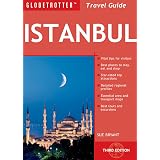
Time Traveler – In the Footsteps of the Turks / Haytarma and the monumental name of Turkism; İsmail Gaspirali

Our brothers we lost with the Küçük Kaynarca Agreement… The Crimean Tatars… The heaviest defeat of the Ottomans. Russian invasion of Crimea. Tsarina II. Katerina’s dream comes true. The lands that the Ottomans fought with the British to take back. Battle of Sevastopol. Memorable moments of the Ottoman-Russian War… The attack of the British Light Horse. Turkish martyrdom in Sevastopol… Traces of the First and Second World War in Crimea. And a great Turk; Ismail Bey Gaspirali.

His museum house in Bahçesaray. Tercüman newspaper published by Gaspıralı in the museum. And Tatar Exile. Don’t worry. Painful, heartbreaking stories. Undoubtedly, they have a special position among Turkish communities. Ottoman cavalry, diplomat, comrade, Crimean Tatars, one of the founding powers of the Republic of Turkey… The “Time Traveler” is going to Bahçesaray, the capital of the Crimean Tatars.

ART&CULTURE of the Turks by Ahmet Yeşiltepe, Time Traveller, NTV

Time Traveller – In the Footsteps of the Turks/Nowruz in Central Asia

“Time Traveler” is in East Turkestan again in the third episode of Discovery – Special broadcasts… Now it’s Nowruz time. A journey from the Tarim Basin to the Taklamakan Desert to a different climate where Nowruz is celebrated. The “Time Traveler” meets the Uighurs again after 3 years, this time telling the story of Kashgar. In the documentary prepared and presented by Ahmet Yeşiltepe, extraordinary scenes from the first Islamic capital of the Turks are on the screen.

Time Traveler – traditional Turkish music; Throat Songs

In this episode, “Time Traveller” traces the ancient music of the Turks, “throat songs”… He meets Kongar-Ool Ondar, one of the most important names of this music, and attends a lecture where these songs are performed at the conservatory directed by him. He also witnesses a traditional meeting where shamanic rituals are held and explores the origins of a millennial musical tradition around the Yenisei river. The “Time Traveler” is also herding horse on the steppes in the Republic of Tuva, which has one of the world’s best preserved ancient cultures. “Time Traveler”, which also explores the culinary culture of Tuvan Turks, finally brings the extraordinary stories of Yenisey Monuments to the screen. This section also includes an interview with the President of the Tuva Autonomous Republic, Şolban Kara-Ool.

ANCIENT TURKISH CITIES of the Silk Road by Ahmet Yeşiltepe, Time Traveller, NTV

Time Traveler – In Search of the Turks / Kashgar and Balasagun

The “Time Traveler” goes to the ancient settlement Balasagun, the legendary capital of the Karakhanids, the first Turkish state to convert to Islam. Here, he tells about the transition process of the Turks to Islam and the turning point events. It stops by one of the forgotten markets of the Silk Road and the Osh Bazaar, which is still operating today. Bringing the region where the Talas war took place in 751 to the screen, Time Traveler asks Central Asian experts the question “Who are the Turks” at the National History Museum in Bishkek, the capital of Kyrgyzstan. This section ends with the chapters from the Epic of Manas.

Time Traveler – In the Footsteps of the Turks/Turkish cities that hosted the Islamic Renaissance; Bukhara and Khiva

The “Time Traveler”, 36 thousand kilometers long journey starting from the Orkhon Valley in Mongolia and following the footsteps of the Turks, makes its season finale in Transoxiana, west of Uzbekistan. The “Time Traveler” goes to the cities in Central Asia where the period considered as the “Islamic Renaissance” began; to Bukhara and Khiva. Time almost took a break in these lands, where pioneering scientists such as Ibn Sina, Biruni and Harezmi were born and raised, and where Islamic scholars such as Imam Bukhari, Hoca Ahmed Yesevi and Bahauddin Nakşibendi grew up.

The “Time Traveler”, which tells about the first two centuries after the conversion of the Turks to Islam in Bukhara, passes from here to Khiva, one of the capitals of the Khwarazmshahs, on the banks of the Ceyhun River (Amu Derya). “Time Traveler” tells the story of many cultures and civilizations that established states in this geography, from Samanids to Khwarazmshahs, from Oghuzs to Seljuks.Khiva is also the location where the first season finale of the documentary series was recorded.

Time Traveler – In Search of the Turks / Timur Bey and his magical city; Samarkand

Uluğ Bey Observatory, the world’s oldest observatory, and many more historical and cultural heritages come to life with their little-known stories. “Time Traveler” brings together ancient settlements that have not been visited until now, combining the migration routes of Turks from the Silk Road route.

Time Traveler – In the Footsteps of the Turks/Ancient Turkish cities of the Silk Road

He visits the tomb of Yusuf Has Hacib, the author of the book Kutadgu Bilig (Knowledge That Brings Happiness). He explores the ancient treatment methods of Uyghur physicians who sell scorpions in Kashgar Bazaar.