Home Blog Page 117

Ancestors, Grandfathers; Rumelia

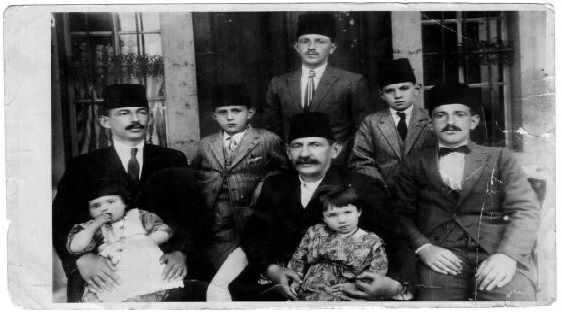
Skopje 1920

Background

Havara stone (head mould 60×40)
Kufeki plaster mortar between the stones
Window fingers wrought iron
Comment: The type of structure and material used by people in the settled order.
The type of structure in which the people who own the region and protect and protect the surrounding area and gather people together on trust and confidence.

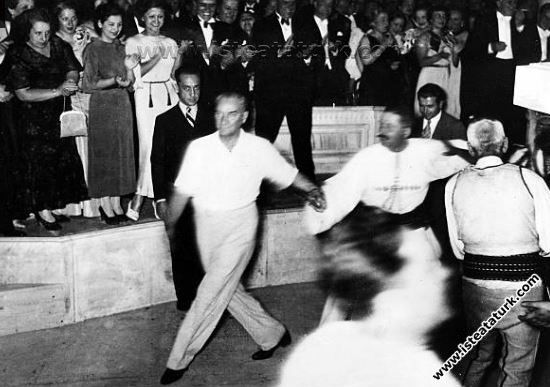
In the photo:

On the far right is my grandfather Cemal Funda (wearing a bow tie and fez).
On the left is my grandfather Şükrü Funda,
Aunt Müzeyyen with his little daughter in his lap.(She went to Izmir to be a bride for Tanik family)
On your left is Hamdi Funda, my grandfather’s brother.
Proud and sharp eyes. They are all statesmen and statists. This is the oldest Funda (Fanda) photograph I know.

The children and grandchildren of those who founded the Ottoman Empire in Rumelia.

My grandparents 100 years ago. Evlad-ı Fatihan.
Istanbul Streets

IMG_5760 Video

IMG_5762 Video

IMG_5763 Video

IMG_5801 Video

IMG_5832 Video

IMG_5848 Video

I don’t have real-time information, but downtown Istanbul typically features a mix of historic and modern streets, bustling with activity. You might find a blend of traditional markets, vibrant shops, and cultural landmarks. For the latest updates, consider checking online maps or local news sources.

As of my last knowledge update in January 2022, downtown Istanbul is known for its diverse and lively streets. You can expect a mix of narrow, historic streets with traditional architecture, as well as wider avenues with modern buildings and shops. The area is usually bustling with a vibrant atmosphere, featuring a blend of cultural, commercial, and entertainment activities. For the most current information, it’s advisable to check recent sources or online maps.


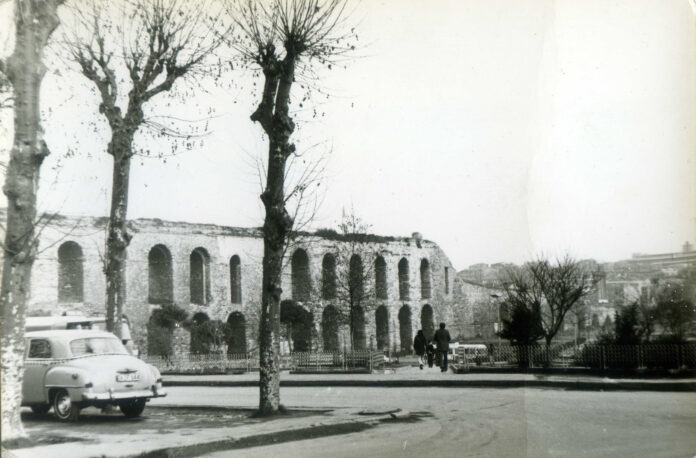
Istanbul in 1975

IMG_5070 Video

In the 1970s, Istanbul’s downtown, particularly areas like Taksim and Beyoğlu, had a distinct character marked by a blend of history, culture, and a lively atmosphere. Some key aspects of Istanbul’s downtown in the 1970s include:

  1. Cultural Hub: Taksim Square and Beyoğlu were cultural and entertainment hubs. Istiklal Avenue, lined with shops, theaters, and cafes, was a bustling center for socializing and leisure activities.
  2. Historical Landmarks: The area featured historic landmarks like the Galata Tower, providing panoramic views of the city, and the iconic Taksim Republic Monument, symbolizing the founding of the Turkish Republic.
  3. Nightlife and Music: Istanbul’s downtown was known for its vibrant nightlife. Beyoğlu, in particular, was home to numerous bars, clubs, and music venues where various genres of music, including traditional Turkish music and international styles, could be enjoyed.
  4. Cinemas and Theaters: The district had several cinemas and theaters that contributed to the city’s cultural scene. Moviegoers and theater enthusiasts frequented these venues for entertainment.
  5. Commercial Activity: The area was a hub for commercial activity with a variety of shops, markets, and street vendors. It offered a mix of traditional bazaars and modern retail establishments.
  6. Transportation: Public transportation, including trams and buses, played a crucial role in connecting different parts of the city. The iconic red tram running along Istiklal Avenue was a notable feature.
  7. Social Spaces: Parks and squares served as social spaces for residents and visitors. People gathered in places like Gezi Park for relaxation and community events.

It’s important to note that Istanbul, like many cities, has undergone significant changes since the 1970s. Urban development, modernization, and shifts in cultural trends have transformed the cityscape. While some elements of the 1970s atmosphere may still be present, the overall dynamics of downtown Istanbul have evolved over the years.


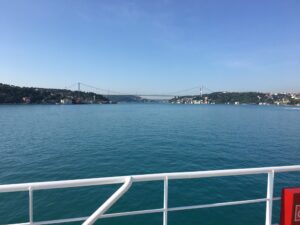
Bosphorus Around

IMG_6039

The Bosphorus Strait is a significant waterway in Istanbul, dividing the city between the European and Asian sides. Known for its breathtaking views, the Bosphorus is lined with historical landmarks, waterfront mansions, and modern developments. Ferries and boats ply the strait, providing both transportation and a scenic journey. The Bosphorus Bridge and the Fatih Sultan Mehmet Bridge connect the two continents. The strait not only plays a crucial role in maritime activities but also adds to Istanbul’s unique charm with its picturesque setting.

The Bosphorus Strait is unique for several reasons. Firstly, it serves as a natural waterway that connects the Black Sea to the Sea of Marmara, linking Europe and Asia. This geographical feature has made Istanbul a strategic and historically significant city.

Moreover, the Bosphorus is adorned with a captivating blend of historical and modern elements, including Ottoman palaces, waterfront mansions, and contemporary developments. The scenic beauty of the strait, especially during sunset, contributes to its uniqueness, offering breathtaking views of Istanbul’s skyline.

The Bosphorus also plays a vital role in the cultural and social life of the city, with ferry rides, waterfront promenades, and events that showcase its importance as a central element of Istanbul’s identity.


Turkish Gestures and Behaviours

Turkish culture has its own set of gestures that convey various meanings. Here are some basic gestures commonly observed in Turkish culture:

  1. Head Nodding:

– A single, slight nod usually indicates agreement or acknowledgment.

– A series of quick nods can express enthusiasm or approval.

  1. Hand Gestures:

– Using the thumb and fingers to make the gesture that resembles “OK” can mean everything is good or okay.

– Pointing is often done with the entire hand instead of just the index finger.

  1. Raised Eyebrows:

– Raising the eyebrows can signify surprise, interest, or inquiry.

  1. Hand Kiss:

– It is a sign of respect, often done when greeting someone older or showing admiration.

  1. Cheek Kissing:

– Common among friends and family, cheek kissing is a common greeting gesture.

  1. Handshake:

– Firm handshakes are common in professional settings and as a general greeting.

  1. Expressive Facial Gestures:

– Turks are known for using facial expressions to convey emotions such as happiness, frustration, or confusion.

  1. Crossed Fingers:

– Crossing fingers is a gesture of wishing for good luck or expressing hope.

  1. Palms Facing Upward:

– It can be a way of expressing helplessness or openness to receiving something.

  1. Putting Hand on Heart:

– Demonstrates sincerity or heartfelt emotion, often used when expressing gratitude.

It’s important to note that gestures’ meanings can vary, and interpretations may depend on context and individual communication styles. When in doubt, it’s advisable to observe and adapt to the specific social norms of the cultural context you are in.

Turkish Behaviours

Defining the characteristic behavior of a diverse group of people like the Turks is challenging, as individuals within any culture can exhibit a wide range of behaviors. However, there are certain cultural traits and tendencies that are often associated with Turkish people:

  1. Hospitality: Turks are known for their warm hospitality. Guests are typically treated with great kindness, and it’s common for hosts to go out of their way to make visitors feel welcome.
  2. Respect for Elders: Respect for elders is a significant cultural value in Turkey. It is customary to show deference to older individuals and consider their opinions and advice with high regard.
  3. Strong Family Bonds: Family is a central focus in Turkish culture. Close-knit family structures and a sense of responsibility towards family members are common.
  4. Expressive Communication: Turks often use expressive body language, facial expressions, and gestures to convey emotions and thoughts. Non-verbal communication is an integral part of their interaction.
  5. Collectivism: There is a sense of collectivism in Turkish culture, emphasizing the importance of community and group harmony over individual pursuits.
  6. Politeness: Politeness and courtesy are valued in social interactions. People generally use formal titles and honorifics in addressing others, especially in formal settings.
  7. National Pride: Turks take pride in their history and cultural heritage. National symbols, traditions, and events hold significant importance.
  8. Adaptability: Given Turkey’s unique geographical location and historical context, Turks often display adaptability to various influences and changes.
  9. Diverse Cuisine: Turkish cuisine is diverse and flavorful, reflecting regional variations. Sharing meals is a social activity, and food holds cultural significance.
  10. Expressing Emotion Openly: Turks may express their emotions openly, and conversations can be passionate and animated, reflecting a genuine engagement with the topic at hand.

It’s crucial to recognize that individual behavior can vary widely, and not everyone within a cultural group adheres to the same characteristics. These generalizations provide a broad overview but may not capture the full diversity within the Turkish population. Understanding cultural behaviors involves recognizing both common tendencies and the uniqueness of each individual.


Atatürk and Republic 100 Celebrations in Ataköy District, Istanbul

IMG_8665 Video

IMG_8671 Video

Mustafa Kemal Atatürk, the founder of the modern Turkish Republic, is unique and highly revered among Turkish people for several reasons. Atatürk led Turkey through a transformative period, instituting a series of political, social, and cultural reforms known as Kemalism.

Here are some key aspects that make Atatürk unique for Turkish people:

  1. Founding Father: Atatürk played a pivotal role in establishing the Republic of Turkey in 1923 after the fall of the Ottoman Empire. His leadership marked a departure from the imperial past, emphasizing a modern, secular, and democratic state.
  2. Reformist Vision: Atatürk implemented a series of radical reforms to modernize Turkey, including the adoption of a new legal code, introduction of a new alphabet, and promotion of women’s rights. These reforms aimed at transforming Turkey into a secular and Western-oriented nation.
  3. Nationalism and Independence: Atatürk’s leadership during the War of Independence (1919-1922) solidified his status as a national hero. His commitment to preserving Turkish sovereignty and independence resonates deeply with the Turkish people.
  4. Cultural Impact: Atatürk’s emphasis on education and cultural development left a lasting impact. His efforts to promote literacy and education laid the foundation for a more educated and informed society.
  5. Symbol of Unity: Atatürk is seen as a unifying figure, transcending political and ideological divides. His image and principles are often invoked to foster a sense of national identity and unity among the diverse population of Turkey.

Overall, Atatürk’s legacy as a visionary leader, military strategist, and nation-builder makes him a unique and revered figure in Turkish history and culture.

The celebration of Mustafa Kemal Atatürk in Turkey is marked by deep respect and love for the founder of the modern Turkish Republic.

Here are several reasons why Turks celebrate Atatürk so passionately each year:

  1. Founding Father: Atatürk is acknowledged as the visionary leader who founded the Republic of Turkey in 1923. His role in shaping the nation and steering it through a period of significant transformation is widely recognized.
  2. Secularism and Modernization: Atatürk’s reforms aimed at modernizing Turkey by introducing secularism, education, and gender equality. Many Turks see these changes as crucial steps toward building a progressive and democratic society.
  3. National Unity: Atatürk played a key role in uniting diverse ethnic and cultural groups under the banner of Turkish identity. His emphasis on national unity remains a source of inspiration.
  4. War of Independence: Atatürk’s leadership during the War of Independence is a symbol of resilience and determination. The victory in this war is considered a defining moment in Turkish history, securing the nation’s sovereignty.
  5. Cultural Impact: Atatürk’s contributions to Turkish culture, including the adoption of a new alphabet, promotion of the Turkish language, and support for the arts and literature, are celebrated as essential components of national identity.
  6. Legacy of Leadership: Atatürk’s leadership qualities, including his strategic thinking and dedication to the welfare of the Turkish people, contribute to his enduring legacy.

The celebrations, particularly on key anniversaries like Republic Day on October 29th, serve as a time for reflection, patriotism, and a collective expression of gratitude for the transformative impact Atatürk had on the country. The love for Atatürk is deeply ingrained in Turkish culture, transcending political differences and serving as a unifying force.

Republican Celebrations

Turks celebrate Republic Day, observed on October 29th, with great sincerity and enthusiasm for several significant reasons:

  1. Founding of the Republic: October 29, 1923, marks the official proclamation of the Republic of Turkey, with Mustafa Kemal Atatürk as its first president. The day symbolizes the end of the Ottoman Empire and the beginning of a new, modern, and secular state.
  2. National Pride: Republic Day is a source of immense national pride for Turks. It commemorates the establishment of a sovereign and independent nation, emphasizing the resilience and determination shown during the War of Independence.
  3. Atatürk’s Leadership: The day is an occasion to honor the visionary leadership of Atatürk, who played a central role in shaping the republic and instituting a series of reforms to modernize Turkey.
  4. Secular Values: Republic Day represents the commitment to secularism, a core principle in the foundation of the Turkish Republic. This celebration reflects the importance of separating religious and political institutions.
  5. Cultural Identity: The day is an opportunity for Turks to celebrate their cultural identity, with events, parades, and festivities showcasing the rich history and diversity of the nation.
  6. Unity and Solidarity: Republic Day fosters a sense of unity and solidarity among the Turkish people. It serves as a reminder of the collective efforts that led to the establishment of the republic and the importance of working together for the nation’s progress.
  7. Patriotic Spirit: The celebrations on Republic Day evoke a strong sense of patriotism. Citizens express their love for their country through various activities, ceremonies, and displays of the Turkish flag.

In summary, Republic Day is a deeply meaningful occasion for Turks, representing the foundation of the modern Turkish state, the principles of secularism, and the enduring legacy of Mustafa Kemal Atatürk. The honesty and sincerity in celebrating this day stem from a genuine appreciation for the values and ideals that define the Republic of Turkey.


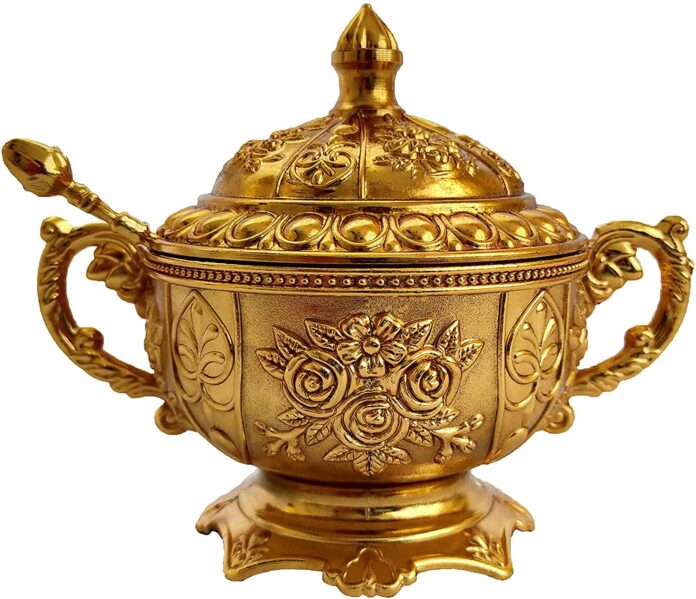
Turkish Sweets in Istanbul in historical building (1864)


by Turkish Literature Foundation

Awesome place and mouth watering Turkish delights.

Turkish sweets, often referred to as “Türk tatlıları,” are renowned for their popularity and deliciousness due to several factors:

1. Rich Culinary Heritage: Turkish sweets have deep roots in the country’s culinary history, influenced by the Ottoman Empire and a fusion of Middle Eastern, Central Asian, and Mediterranean flavors. This rich heritage contributes to the diverse and unique taste of Turkish sweets.

2. Quality Ingredients: Turkish sweets are often made with high-quality ingredients, including nuts, fruits, dairy, and natural sweeteners like honey and sugar. The use of fresh and premium components enhances the overall taste and texture of the sweets.

3. Artisanal Craftsmanship: Many Turkish sweets are crafted using traditional, artisanal methods that have been passed down through generations. Skilled confectioners often hand-make these treats, paying attention to detail and ensuring the preservation of authentic recipes.

4. Variety of Flavors: Turkish sweets come in a wide array of flavors, textures, and forms. From the syrupy goodness of baklava to the chewy delight of Turkish delight (lokum), there’s a diverse range to suit different tastes and preferences.

5. Cultural Significance: Turkish sweets are an integral part of Turkish hospitality and cultural celebrations. They are often served during festive occasions, weddings, and family gatherings, symbolizing warmth and generosity.

6. Influence of Ottoman Cuisine: The Ottoman Empire had a profound impact on Turkish cuisine, and this influence is evident in the preparation of sweets. The complexity of Ottoman recipes and the use of spices contribute to the unique and captivating taste of Turkish desserts.

7. Artful Presentation: Turkish sweets are not only delicious but also known for their beautiful and intricate presentation. The aesthetics of these desserts, often displayed in layers or decorative patterns, enhance the overall dining experience.

8. Global Appeal: Turkish sweets have gained international acclaim, attracting people worldwide with their delightful taste. The global popularity of Turkish cuisine, including sweets, has led to an increased awareness and appreciation for these treats.

In summary, the combination of a rich culinary history, high-quality ingredients, artisanal craftsmanship, diverse flavors, cultural significance, and global appeal collectively contribute to the popularity and deliciousness of Turkish sweets.

Levent Ağaoğlu’nun AVRASYA BİR VAKFI-ASAM Konferansları’ndaki Soruları ve Yorumları

TÜRKİYE: 

İNSANLIĞIN ANAHTARI

·          KIBRIS

·          ROMA İMPARATORLUĞU

·         BİLGE TONYUKUK

·          TÜRKLER&TÜRKİYE

·          TÜRKİYE

· TÜRKİYE TARİHİ          

·          TÜRKİSTAN

İNSANLIK İÇİN DÜNYA

·          AFRİKA

·          RUSYA

·          YAZILIM

·          HİNDİSTAN

·          RUSYA-UKRAYNA SAVAŞI

·          HİNT DÜNYASI

·          İŞLETME

·          DÜŞÜNCE VE FELSEFE

·          ÇİN

·          EĞİTİM

·          SİNEMA

·          GIDA&TARIM 

·          İNOVASYON

·          KOSOVA

·          BALKANLAR

·          D8


**********************************************

TÜRKİYE: 

İNSANLIĞIN ANAHTARI

**************************************************


  • KIBRIS

Kıbrıs. Abdurrahman Dilipak Konferansı

  • ROMA İMPARATORLUĞU

Roma İmparatorluğu’nun çekirdek bölgeleri neredeydi?

  • BİLGE TONYUKUK

Çin’de Bilge Tonyukuk Enstitüsü Kurulabilir mi? İsmail Doğan Konferansı

  • TÜRKLER&TÜRKİYE

“Macarların kendilerine verdiği isim Türk idi” Prof Dr Osman Karatay

Kuşak ve Yol Projesi’nin İçyüzü ve Türk Kuşağı. Prof Dr Mehmet Akif Okur

Sıfır’ın Mucidi Harezmi Türk müdür, Fars mıdır? Babek Cavanşir Konferansı.

Düşünürlerimiz ve Bilim insanlarımıza Türklük neden yakıştırılmıyor? Babek Cavanşir Konferansı

Küresel Müesses Nizam ve Nizam-ı Alem (Türk İmparatorluğu). Nedret Ersanel ile.

  • TÜRKİYE

İngiltere ve Rusya’nın Türk karşıtı Stratejileri. Prof Dr Kamil Veli Nerimanoğlu ile.

  • TÜRKİYE TARİHİ 

Ahmet Anapalı ile Lozan Konferansı Değerlendirmesi. Avrasya Bir Vakfı.

Avrasya Bir Vakfı. Ahmet Anapalı ile Lozan Konferansı.

Lozan Antlaşması. Ahmet Anapalı. Avrasya Bir Konferansı.

  • TÜRKİSTAN

Türkistan Coğrafyasının Evliya Çelebisi Dr.Yaşar Kalafat ile.

İlk Şehirler ve Türkistan. Faruk Sezgin

Türkistan Türk Cumhuriyetleri Yerkebulan Sapiyev Konferansı

Yerkebulan Sapiyev Konferansı

İstanbul Birliği Mümkün Müdür? Yerkebulan Sapiyev, Abdulvahap Kara, İlyas Topsakal Konferansı

ASAM – Avrasya Bir Vakfı, E Kur Alb Baki Kaya Konferansı

**************************************************

İNSANLIK İÇİN DÜNYA

**************************************************

  • AFRİKA

Afrika ve Türkçe ASAM Avrasya Bir, Musa Hüseyin

Afrika ve Türkçe ASAM Avrasya Bir, Musa Hüseyin Konferansı

Afrika ve Türkçe ASAM Avrasya Bir, Musa Hüseyin

Afrika ve Türkçe ASAM Avrasya Bir, Musa Hüseyin Konferansı

Afrika Kıtası ve Türkçe: Ali Ferah, Ahmed Üseni, Abdu Djamanca Konferansı

  • RUSYA

Rus tarzı İnsan (Homosovyetikus) Nedir? Prof Dr Kamil Veli Nerimanoğlu ile.

  • YAZILIM

ASAM – Avrasya Bir Vakfı, Prof Dr Mustafa Kaçar, Remzi Durmuş, Mustafa Çalış Konferansı

  • HİNDİSTAN

Türkiye, Türkistan ve Hindistan

  • RUSYA-UKRAYNA SAVAŞI

ASAM – Avrasya Bir Vakfı, Dr Eray Güçlüer ve Dr Türker Çelik Konferansı

  • HİNT DÜNYASI

HİNDİSTAN’DAN KARABAĞ’A ASYA’NIN GÜNCELLEDEN JEOPOLİTİĞİ PROF DR MEHMET AKİF OKUR

  • İŞLETME

Isı Yalıtımı ve Belediyeler. Çevre ve Şehircilik Bakanı İdris Güllüce ile.

Almanya’daki Türklerin İş Hayatındaki Başarı ve Sorunları. Mahmut Aşkar ve Şefik Kantar Konferansı

  • DÜŞÜNCE VE FELSEFE

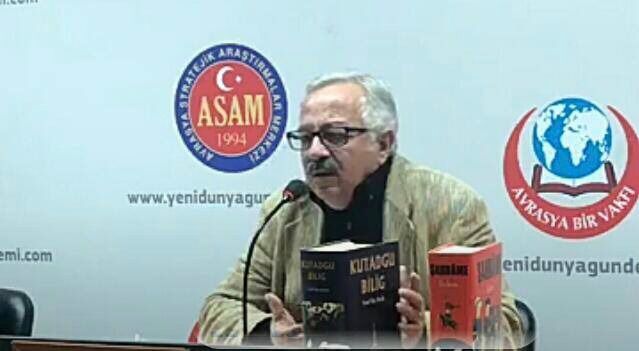
Kutadgu Bilig ve Yusuf Has Hacip. Necati Aydın Konferansı

Yesevilik Hangi Coğrafyalarda Etkin Olmuştur? Ahmet Taşğın Konferansı

Yesevilik ve Yayıldığı Coğrafyalar. Ahmet Taşğın Konferansı.

  • ÇİN

Çin’in Kuşak ve Yol Projesi. Bunun Kuşağı ne, Yolu ne?

  • EĞİTİM

Üniversitede Ne Zaman Evrenselliği Yakalayabileceğiz? Prof Dr Muzaffer Elmas ile

Avrupa’da Üniversiteler Oluşurken Talep Kimden geldi? Ömer Özyılmaz Konferansı

Üstün Zekalılar ve Eğitim, Kemal Tekden Konferansı

Eğitimde Yabancılaşma karşısında neler yapılmalı? Yusuf Tekin Konferansı

Milli Eğitim’de Kaynak ve Referanslar Nasıl Olmalı? Yusuf Tekin ile.

  • SİNEMA

Oğuz Kağan, Alparslan, Malazgirt, Bilge Kağan. Sinemacı Mehmet Bozdağ İle.

Sinema Yapımcısı Mehmet Bozdağ ile…

  • GIDA&TARIM 

Gıda Tarımı ve Kurtulamayanlar. Prof Dr Ahmet Maranki

Gıda Terörüne karşı Yenilmeyen Ülkeler Var mı? Prof Dr Ahmet Maranki ile

Türkiye ile Türk Cumhuriyetleri arasında ticari entegrasyon. Yerbekulan Sapiyev.Prof Ahad Andican

  • İNOVASYON

İnovasyon sıralamasında nerelerdeyiz? Bilim, Sanayi ve Teknoloji Bakanı Faruk Özlü ile.

  • KOSOVA

Kosova Mehmet Akif Koleji. Kosova Prizren’den Orhan Lopar ile..

Kosova ve Mehmet Akif Koleji. Orhan Lopar İle.

  • BALKANLAR

Edirne Medeniyeti: Günay Özdemir Konferansı

Bulgaristan’da 1902’de Neler Oldu. BJK neden 1903’de kuruldu? Hasip Saygılı Konferansı

  • D8

D8 ve Havacılık İşbirliği. Halil Tokel Konferansı


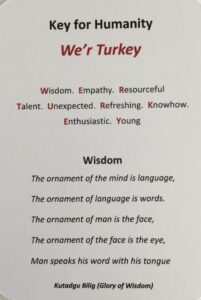
BooksonTurkey is Key for Humanity


                  We’r Turkey

W= Wisdom E= Empathy R= Resourceful

T = Talent  U = UnexpectedR = Refreshing K = Knowhow  E = EnthusiasticY = Young


All in Turkey and key for unique Turkey as well www.booksonturkey.com

Turks journied all through Asia, Europe and Africa over several millenniums and marked their legacies in geography and history of the countries stretching throughout the continents of the old world.

What is imagined in mindset as Turkey is functionally stereotyped under 8 categories; for Turkey Travellers, for Readers, for Buyers, for Turkish Learners&Students, for Turkish Cuisine, for Turkish Medical, for Beyond Turkey, for Turcophiles and several sub categories for easy access and reference.

“Books on Turkey” is not confined to works on Turkey; it also includes historical, cultural, social, and political research carried out on countries and societies “beyond Turkey”; extending from Europe to the Balkans, Middle East, North Africa and Far East, Near East, Central, South and South East of Asia.

Key for creative solutions of the world from Turkey with books, bazaars, businesses, travellers, nomads, towns, mountains, rivers, seas, antiquity, first settlers, literature, philosophy, wisdom, olives, endemics, language, hospitality, smile on faces; so on and more on the continental peninsulas of faith and infinity of the humankind.

Yes, BooksonTurkey’s language is bilingual, English and Turkish.

As a person who has stepped into 33 countries in 33 years as part of my export profession, I am delighted to make Ataturk’s ideal of “Peace at home, peace in the world” visible.

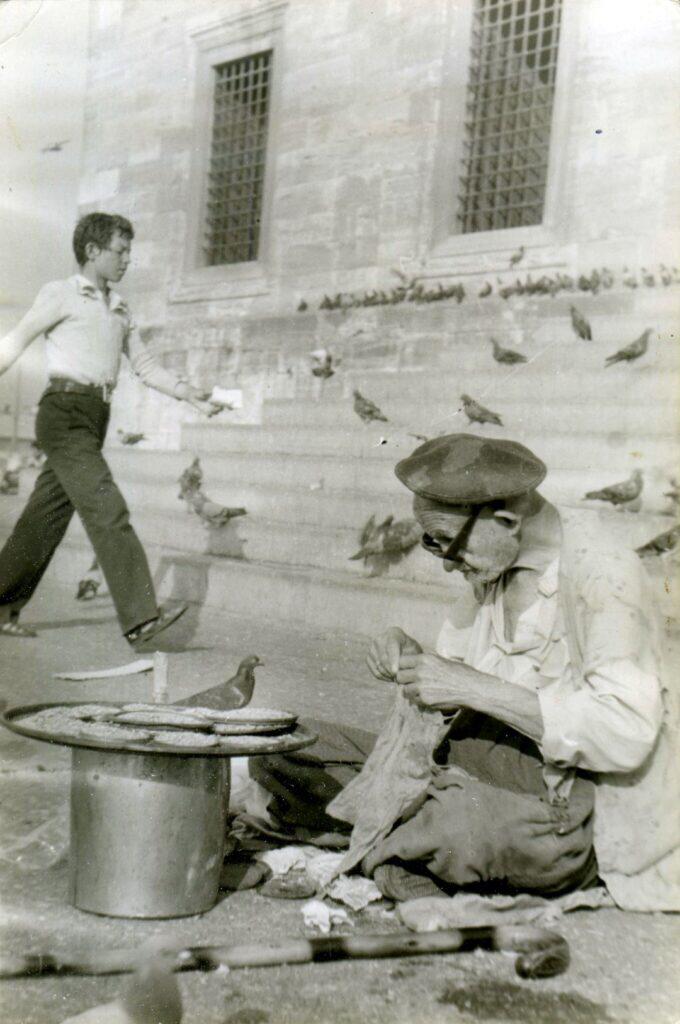
Beyond Turkey section as “Turkeys outside Turkey” also added to the content of the site. Original black and white photographs of my own dating back to mid 70’s are also availablae on the site.

Saying Turkey, what I mean is the Whole World.

We want to go further with this message.


The ornament of the mind is language,

The ornament of language is words.

The ornament of man is the face,

The ornament of the face is the eye.

Man speaks his word with his tongue;

If his words are good, her face will shine.


Kutadgu Bilig (Glory of Wisdom)

 11 th Century. Kasghar, Turkestan


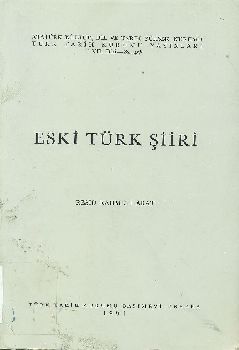
Eski Türk Şiiri

Lütfen Tıklayınız  Eski Türk şiiri 

Reşid Rehmeti  Arat

Ankara -1991

505s​

————–

Özet :

ÖNSÖZ

I.MANİ MUHİTİNDE YAZILAN ESERLER

İLÂHİ (TAN TANRI)

İLÂHÎ (PARLAK, GÜÇLÜ, BİLGE TANRI)

MEDHİYE (ADRINÇUR TİGİN)

ŞİİR (ADRINÇUR TİGİN)

ÖLÜM TASVİRİ

CEHENNEM TASVİRİ

BÜYÜK İLÂHÎ (MANİ İÇİN)

II.BURKAN MUHİTİNDE YAZILAN ESERLER

8. ÖYLE YERLERDE

9. ON TÜRLÜ İYİLİĞİN MEDHİ

10. OTUZ BEŞ BURKANA SAYGI

11. ALFABE SIRASINA GÖRE

12. GEVEZELİK BOYASI (ÇISUYA TUTUNG)

13. ÇEŞİTLİ PARÇALAR (PRATYAYA-ŞİRİ)

A. ON TÜRLÜ NİYÂZ USÛLÜ

B. ARA- PARÇASI

C. CANLILARA FAYDALI OLMAK

D. ARA – PARÇASI

E. İTİRAF

F. DOĞRU YOL

G. İYİ DİLEK

14. AYRI PARÇALAR (PRATYAYA – ŞİRİ)

A. İNANÇ

B. İYİ NİYET

15. HİKMET FAZİLETİ

16. SAMANTABHADRA NİYÂZI (KALIM KEYŞİ)

17. MAYTRİ

18. İSTİĞFAR

19. ABİTA TANRI (A – B)

20. İSTİĞRAK İLE İLGİLİ PARÇALAR (Kİ – Kİ) A – G

21. HÂTİME DUASI

22. HÂTİME DUÂSI (BUYAN KAYA KAL)

23. HÂTİME DUÂSI (KÜNÇÜK IDIK KUT)

24. HÂTİME DUÂSI

25. HÂTİME DUÂSI (KAMALA ANANTA-ŞİRİ)

26. HÂTİME DUÂSI (KAMALA ANANTA-ŞİRİ)

27. HÂTİME DUÂSI

III.İSLÂM MUHİTİNDE YAZILAN ESERLER

28. AĞIT

29. AYRILIŞ

30. ARKADAŞLIK

31. BİLGİ

32. FÂZİLET

33. İYİLİK VE DOĞRULUK