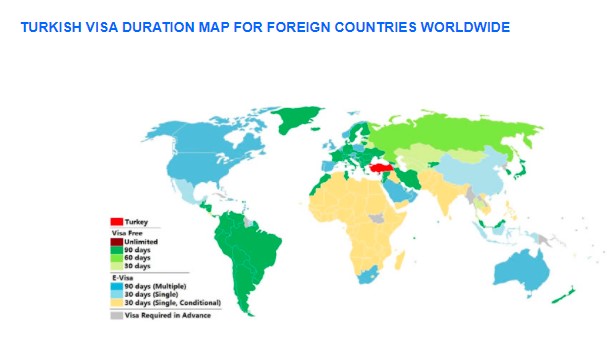
Visa Dration Map by https://residencepermitturkey.com/turkish-visa-types
The Electronic Visa (e-Visa) Application System was launched on 17 April 2013 by the Ministry of Foreign Affairs of the Republic of Turkey. This system allows visitors travelling to Turkey to easily obtain their e-Visas online (www.evisa.gov.tr), in approximately three minutes.
It is possible to obtain e-Visa 7/24 at everywhere with internet connection. The applicants can obtain their visa after they fill in the necessary information concerning their identity, passport and travel dates and pay visa fee online.
• Please note that e-visa is only valid when the purpose of travel is tourism or commerce. For other purposes, such as work and study, visas are given by Turkish Embassies or Consulates.
• The term “official passports” covers diplomatic, service, special and official passports.
You are kindly advised to have a travel document/passport valid for at least 6 months as from the date of your arrival in Turkey.
The Ministry of Foreign Affairs continues efforts to strengthen the e-Visa system and to better enable foreign nationals to easily obtain their visas.
In this context,
– In addition to English, French, and Spanish; Dutch, Norwegian, Polish, German, Arabic and Chinese language options will be added to the e-Visa system.
– In addition to Visa and Master Card, payment is accepted from other commonly used credit cards and debit cards.
– Tour operators may apply for group e-Visas and make lump sum payments for them.
– Necessary arrangements will be made to allow foreign visitors to obtain e-Visas from authorized airline companies offices, including those companies’ offices in airports.
– Fees for e-Visas obtained via the e-Visa website (www.evisa.gov.tr) are lower than the fees for visas obtained upon arrival to Turkish airports. Information regarding visa fees can be found on the website of the Ministry of Foreign Affairs.(http://www.mfa.gov.tr/data/KONSOLOSLUK/vize-harc-miktarlari-en.pdf).
Visa regime for truck drivers of a country may differ from the overall visa regime effective for citizens of that particular country. For further information, please contact the nearest Turkish mission.
Regardless of the visa regime applied towards the citizens of a country, the travel document holders of that country need to obtain visa from Turkish missions beforehand.
Foreigners who will shoot a documentary film conduct a research or an archeological excavation should get a special permission from the Turkish authorities in advance.
If you have a valid visa, you do not need a residence permit up to 90 days. On the other hand, foreigners who shall reside, work or study in Turkey, should register themselves at the nearest local police department upon their arrival in Turkey, regardless of the validity of their visa.
Information on Work Visa: To work in Turkey, you must apply to the nearest Turkish mission to obtain work permit and visa. Your passport, visa application form and a letter from your employer are the necessary documents for your application. Other documents should be submitted to the Turkish Ministry of Labour and Social Security (MLSS) by your employer within ten working days after your application.
You may find the list of those documents in the MLSS’s website (http://www.csgb.gov.tr). Applications are finalized by the MLSS within thirty days at the latest. Right after your arrival in Turkey (before starting to work), you should be registered at the local police department within one month to obtain the necessary residence permit.
As of 1 January 2015, in accordance with the article 7.1b of “the Law on Foreigners and International Protection” no. 6458, foreigners wishing to enter Turkey should carry a travel document (passport) with an expiration date at least 60 days beyond the “duration of stay” of their visa, e-Visa, visa exemption, or residence permit.
The citizens of the countries which are stated at the below link are exempted form this Article;
Example A: In order to enter Turkey having a visa with 90 days “duration of stay”, foreigners should hold a travel document valid at least for an additional 60 days which totals to 150 days (90 days + 60 days) of validity at the time of entrance.
Example B: In order to enter Turkey having a visa with 30 days “duration of stay”, foreigners should hold a travel document valid at least for an additional 60 days which totals to 90 days (30 days + 60 days) of validity at the time of entrance.”
The following categories are exempted from this provision:
– Citizens of countries who are allowed to enter Turkey with their national ID’s in accordance with “European Agreement on Regulations governing the Movement of Persons between Member States of the Council of Europe”,
http://www.mfa.gov.tr/countries-whose-citizens-are-allowed-to-enter-turkey-with-their-national-id_s.en.mfa
Holders of diplomatic and official passports are also exempted from this Article.
Afghanistan: Ordinary, Special and Service passport holders are required to have visa to enter Turkey. These passport holders with a valid Schengen members or USA, UK, Ireland visa or residence permit may get their single entry e-Visas valid for one month e-Visas via the website www.evisa.gov.tr, provided that they meet certain conditions. Diplomatic passport holders are exempted from visa for their travels up to 90 days.
Albania: Official passport holders, who are appointed to the diplomatic, consular missions or representations of international organizations accredited in Turkey, are exempted from visa for the period of their assignments. Official and ordinary passport holders are exempted from visa for their travels with touristic purposes and transit from Turkey, up to 90 days within six months starting from the first entry date.
Algeria: Official passport holders are exempted from visa for their travels up to 90 days. Ordinary passport holder Algerian citizens, under the age of 15 and above the age of 65 are exempted from visa up to 90 days within any 180 day period for their touristic visits. Ordinary passport holders between the age of 15 and 65 are required to have visa. Ordinary passport holder Algerian citiziens between the ages of 15-18 and 35-65 with a valid Schengen members or USA, UK, Ireland visa or residence permit may get their one month period single entry e-Visas via the website www.evisa.gov.tr.
Angola: Ordinary and official passport holders are required to have visa to enter Turkey. These passport holders with a valid Schengen members or USA, UK, Ireland visa or residence permit may get their one month period single e-Visas via the website www.evisa.gov.tr.
Antigua-Barbuda: Ordinary and official passport holders are required to have visa to enter Turkey. Ordinary passport holders can obtain three month-multiple entry e-Visas via the website www.evisa.gov.tr. They can also get their visas from Turkish diplomatic representations abroad or they can obtain their three month-multiple entry visas upon their arrival to Turkey at the ports of entry.
Argentina: Ordinary and official passport holders are exempted from visa for their travels up to 90 days.
Armenia: Ordinary and official passport holders are required to have visa to enter Turkey. Ordinary passport holders can obtain one-month multiple entry e-Visas via the website www.evisa.gov.tr.
Australia: Ordinary and official passport holders are required to have visa to enter Turkey. Ordinary passport holders can obtain three month-multiple entry e-Visas via the website www.evisa.gov.tr.
Austria: Ordinary and official passport holders are exempted from visa up to 90 days in any 180-day period.
Azerbaijan: Ordinary and official passport holders are exempted from visa up to 90 days in any 180 day period.
Bahamas: Ordinary passport holders are required to have visa to enter Turkey. They can obtain three month multiple e-Visas via the website www.evisa.gov.tr. Official passport holders are exempted from visa for their travels up to 90 days.
Bahrain: Official passport holders are required to have visa to enter Turkey. Official passport holder Bahraini citizens may obtain visas for up to 15 days at border crossings. Ordinary passport holders are required to have visa to enter Turkey and they may obtain their 30 day period one entry e-visas via the website www.evisa.gov.tr
Bangladesh: Bangladeshi nationals holding diplomatic and official/service passport are exempted from visa for their travels up to 90 days. Ordinary passport holders are required to have visa. These passport holders with a valid Schengen members or USA, UK, Ireland visa or residence permit may get their single entry e-Visas valid for one month e-Visas via the website www.evisa.gov.tr, provided that they meet certain conditions.
Barbados: Ordinary passport holders are required to have visa to enter Turkey. They can obtain three month multiple entry e-Visas via the website www.evisa.gov.tr. Official passport holders are exempted from visa for their travel up to 90 days.
Belarus: Ordinary and official passport holders are exempted from visa for their travels up to 30 days. Total period of stay should be no longer than 90 days within 1 year.
Belgium: Ordinary and official passport holders are exempted from visa up to 90 days in any 180-day period.
Belize: Ordinary and official passport holders are exempted from visa for their travels up to 90 days.
Benin: Ordinary, Special and Service passport holders are required to have visa to enter Turkey. These passport holders with a valid Schengen members or USA, UK, Ireland visa or residence permit may get their single entry e-Visas valid for one month e-Visas via the website www.evisa.gov.tr, provided that they meet certain conditions. Diplomatic passport holders are exempted from visa for their travels up to 90 days.
Bhutan: Ordinary and official passport holders are required to have visa to enter Turkey. Ordinary passport holders can get their 15 day period visas from Turkish diplomatic representations abroad.
Bolivia: Ordinary and official passport holders are exempted from visa for their travels up to 90 days.
Bosnia-Herzegovina: Ordinary and official passport holders are exempted from visa for their travels up to 90 days within 180 days.
Botswana: Ordinary and official passport holders are required to have visa to enter Turkey. These passport holders with a valid Schengen members or USA, UK, Ireland visa or residence permit may get their one month period single entry e-Visas via the website www.evisa.gov.tr.
Brazil: Official and ordinary passport holders are exempted from visa for their travels up to 90 days.
Brunei: Diplomatic, Official and Ordinary passport holders are exempted from visa to enter into and transit through and stay in Turkey for a period not exceeding 30 days.
Bulgaria: Diplomatic and service passport holders are exempted from visa for their travels up to 30 days. Ordinary passport holders are exempt from visa for their travels up to 90 days within 6 months starting from the first entry date.
Burkina Faso: Diplomatic passport holders are exempted from visa for their travels up to 90 days. Official/service and ordinary passport holders are required to have visa to enter Turkey. Burkinabe passport holders with a valid Schengen members or USA, UK, Ireland visa or residence permit may get their one month period single entry e-Visas via the website www.evisa.gov.tr.
Burundi: Diplomatic passport holders are exempted from visa requirement for a period not exceeding 90 days within any 180 days period. Special, Service and Ordinary passport holders are required to have visa to enter into Turkey. These passport holders with a valid Schengen members or USA, UK, Ireland visa or residence permit may get their one month period single entry e-Visas via the website www.evisa.gov.tr.
Cambodia: Official passport holders are exempted from visa for their travels up to 30 days. Ordinary passport holders are required to have visa to enter Turkey.
Cameroon: Official passport (Diplomatic, Service and Special) holders and members of official delegations are exempted from visa requirements to enter into, exit from, transit through and stay temporarily in Turkey for a maximum period of 90 days, reckoned from the first entry date. Official passport (Diplomatic, Service and Special) holders, who are not members of official delegations, are required to have visa to enter Turkey.
Ordinary passport holders are required to have visa to enter Turkey.
Ordinary passport holders with a valid Schengen members or USA, UK, Ireland visa or residence permit may get their one month period single entry e-Visas via the website www.evisa.gov.tr.
Canada: Ordinary and official passport holders are required to have visa to enter Turkey. Ordinary passport holders can obtain three-month multiple entry e-Visas via the website www.evisa.gov.tr
Cape Verde: Ordinary and official passport holders are required to have visa to enter Turkey. These passport holders with a valid Schengen members or USA, UK, Ireland visa or residence permit may get their one month period single entry e-Visas via the website www.evisa.gov.tr.
Central African Republic: Ordinary and official passport holders are required to have visa to enter Turkey. These passport holders with a valid Schengen members or USA, UK, Ireland visa or residence permit may get their one month period single entry e-Visas via the website www.evisa.gov.tr.
Chad: Ordinary and official passport holders are required to have visa to enter Turkey. These passport holders with a valid Schengen members or USA, UK, Ireland visa or residence permit may get their one month period single entry e-Visas via the website www.evisa.gov.tr.
Chile: Ordinary and official passport holders are exempted from visa for their travels up to 90 days.
People’s Republic of China: Official passport holders are exempted from visa for their travels up to 30 days.
Ordinary passport holders are required to have visa. These passport holders can obtain their 30 days single entry e-Visas via the web site www.evisa.gov.tr
Colombia: Colombian nationals holding diplomatic, official and ordinary passport are exempted from visa for their travels up to 90 days.
Comoros: Ordinary and official passport holders are required to have visa to enter Turkey. These passport holders with a valid Schengen members or USA, UK, Ireland visa or residence permit may get their one month period single entry e-Visas via the website www.evisa.gov.tr.
Costa Rika: Ordinary and official passport holders are exempted from visa for their travels up to 30 days.
Cote d’Ivoire: Diplomatic and service passport holders are exempted from visa for their travels up to 90 days. Ordinary passport holders are required to have visa to enter Turkey. These passport holders with a valid Schengen members or USA, UK, Ireland visa or residence permit may get their one month period single entry e-Visas via the website www.evisa.gov.tr.
Croatia:Ordinary and official passport holders are exempted from visa up to 90 days in any 180-day period.
Cuba: Ordinary passport holders are required to have visa to enter Turkey. Official passport holders are exempted from visa for their travels up to 90 days.
Czech Republic: Official and ordinary passport holders are exempted from visa for their travels up to 90 days.
Democratic Republic of Congo: Diplomatic passport holders are exempted from visa up to 90 days within any 180 days period. Ordinary and service passport holders are required to have visa to enter Turkey. Ordinary and service passport holders with a valid Schengen members or USA, UK, Ireland visa or residence permit, provided that certain conditions are fulfilled, may obtain 30-day single-entry e-visas via the website www.evisa.gov.tr.
Denmark: Ordinary and official passport holders are exempted from visa for their travels up to 90 days.
Djibouti: Official passport holders are exempted from visa for their travels up to 90 days within 6 months starting from the first entry date. Ordinary passport holders are required to have visa to enter Turkey. Ordinary passport holders with a valid Schengen members or USA, UK, Ireland visa or residence permit may get their one month period single entry e-Visas via the website www.evisa.gov.tr.
Dominica: Ordinary and official passport holders are required to have visa to enter Turkey. Ordinary passport holders can obtain three month-multiple entry e-Visas via the website www.evisa.gov.tr. They can also get their visas from Turkish diplomatic representations abroad or they can obtain their three month-multiple entry visas upon their arrival to Turkey at the ports of entry.
Dominican Republic: Ordinary and official passport holders are required to have visa to enter Turkey. Ordinary passport holders can obtain three month-multiple entry e-Visas via the website www.evisa.gov.tr. They can also get their visas from Turkish diplomatic representations abroad or they can obtain their three month-multiple entry visas upon their arrival to Turkey at the ports of entry.
East Timor: Ordinary and official passport holders are required to have visa to enter Turkey. East Timor citizens may get their 30 days single entry e-Visas via the web site www.evisa.gov.tr
Ecuador: Ordinary and official passport holders are exempted from visa for their travels up to 90 days.
Egypt: Official passport holders are exempted from visa for their travels up to 90 days.
Ordinary passport holders are required to have visa to enter Turkey. Ordinary passport holders may obtain their 30-day single-entry e-Visas via www.evisa.gov.tr, provided that they have a valid Schengen or USA, UK, Ireland visa or residence permit and that they travel to Turkey with Turkish Airlines or Egypt Air.
Besides, those ordinary passport holders who are under 20 or over 45 years old may get their 30-day single-entry e-Visas via the website www.evisa.gov.tr.
El Salvador: Ordinary and official passport holders are exempted from visa for their travels up to 90 days.
Equatorial Guinea: Ordinary and official passport holders are required to have visa to enter Turkey. These passport holders with a valid Schengen members or USA, UK, Ireland visa or residence permit may get their one month period single entry e-Visas via the website www.evisa.gov.tr.
Eritrea: Ordinary and official passport holders are required to have visa to enter Turkey. These passport holders with a valid Schengen members or USA, UK, Ireland visa or residence permit may get their one month period single entry e-Visas via the website www.evisa.gov.tr.
Estonia: Official and ordinary passport holders are exempted from visa for their travels up to 90 days within 6 months starting from the first entry date.
Ethiopia: Ethiopian nationals holding diplomatic passport are exempted from visa for their travels up to 90 days. Official/service and ordinary passport holders are required to have visa. These passport holders with a valid Schengen members or USA, UK, Ireland visa or residence permit may get their one month period single entry e-Visas via the website www.evisa.gov.tr.
Fiji: Ordinary passport holders are required to have visa to enter Turkey. These passport holders may obtain their one-month single-entry e-Visas via the website www.evisa.gov.tr. They can also get their 90-day multiple-entry visas from Turkish missions.
Official passport holders are exempted from visa for their travels up to 90 days.
Finland: Official and Ordinary passport holders are exempted from visa for their travels up to 90 days within 180 days starting from the first entry date.
France: Ordinary and official passport holders are exempted from visa for their travels up to 90 days.
Gabon: Ordinary passport holder citizens of Gabon are required to obtain visa to enter Turkey. Ordinary passport holders may get their visas on condition that they meet certain conditions via the website www.evisa.gov.tr. Diplomatic, service and official passport holder citizens of Gabon are exempted from visa up to 90 days in any 180 day period.
Gambia: Ordinary, Special and Service passport holders are required to have visa to enter Turkey. These passport holders with a valid Schengen members or USA, UK, Ireland visa or residence permit may get their single entry e-Visas valid for one month e-Visas via the website www.evisa.gov.tr, provided that they meet certain conditions. Diplomatic passport holders are exempted from visa for their travels up to 90 days.
Georgia: Ordinary and official passport holders are exempted from visa for their travels up to 90 days.
Germany: Ordinary and official passport holders are exempted from visa for their travels up to 90 days.
Ghana: Ordinary and official passport holders are required to have visa to enter Turkey. These passport holders with a valid Schengen members or USA, UK, Ireland visa or residence permit may get their one month period single entry e-Visas via the website www.evisa.gov.tr.
Greece: Ordinary and official passport holders are exempted from visa for their travels up to 90 days.
Grenada: Ordinary passport holders are required to have visa to enter Turkey. They can obtain three month multiple entry e-Visas via the website www.evisa.gov.tr. Official passport holders are exempted from visa for their travels up to 90 days.
Guatemala: Official and ordinary passport holders are exempted from visa for their travels up to 90 days.
Guinea: Guinean nationals holding diplomatic passport are exempted from visa for their travels up to 90 days. Official/service and ordinary passport holders are required to have visa to enter Turkey. Guinean passport holders who are travelling with Turkish Airlines or Pegasus Airlines with a valid Schengen members or USA, UK, Ireland visa or residence permit may get their one-month-period single entry e-Visas via the website www.evisa.gov.tr.
Guinea-Bissau: Ordinary passport holders are required to have visa to enter Turkey. Ordinary passport holder Gine-Bissau citizens with a valid Schengen members or USA, UK, Ireland visa or residence permit, provided that certain conditions are fulfilled, may obtain 30-day single-entry e-visas via the website www.evisa.gov.tr . Diplomatic and official passport holder citizens of Guinea-Bissau are exempted from visa up to 90 days in any 180 day period.
Guyana: Official passport holders are exempted from visa for their travels up to 90 days within 180 days.
Ordinary passport holders are required to have visa to enter Turkey and they can get their 15 day period visas from Turkish diplomatic representations abroad.
Greek Cypriot Administration: Ordinary and official passport holders are required to have visa to enter Turkey. Both official and ordinary passport holders may obtain their 30-day single-entry e-Visas via the website www.evisa.gov.tr.
Haiti: Ordinary and official passport holders are required to have visa to enter Turkey. Ordinary passport holders can obtain three month-multiple entry e-Visas via the website www.evisa.gov.tr. They can also get their visas from Turkish diplomatic representations abroad or they can obtain their three month-multiple entry visas upon their arrival to Turkey at the ports of entry.
Honduras: Ordinary and official passport holders are exempted from visa for their travels up to 90 days.
Hong Kong Special Administrative Region of PRC: Hong Kong Special Administrative Region of the PRC: Ordinary and official “Hong Kong Special Administrative Region of the People’s Republic of China ( SAR ) Passport” holders are exempted from visa for their travels up to 90 days. Hong Kong citizens who have “British National Overseas Passport” are subject to visa and they can obtain their three month period multiple entry e-Visas via the website www.evisa.gov.tr Holders of “Document of Identity for Visa Purposes-Hong Kong (D.I)” must get their visas from the Turkish diplomatic or consular missions abroad.
Hungary: Official and Ordinary passport holders are exempted from visa for their travels up to 90 days within 180 days reckoned from the date of first entry.
Iceland: Ordinary and Official passport holders are exempt from visa for their travels up to 90 days.
India: Diplomatic passport holders are exempt from visa for their travels to Turkey up to 90 days. Ordinary, Special and Service passport holders are required to have visa to enter Turkey. Ordinary, Special and Service passport holders with a valid Schengen members or USA, UK, Ireland visa or residence permit may get their single entry e-Visas valid for one month via the website www.evisa.gov.tr, provided that they meet certain conditions.
Indonesia: Indonesian nationals holding diplomatic and official/service passport are exempted from visa for their travels up to 30 days. Ordinary passport holders are required to have visa. These passport holders can obtain their one month period entry e-Visas via the website www.evisa.gov.tr.
Iran: Ordinary and official passport holders are exempted from visa for their travels up to 90 days.
Iraq: Official passport holders are exempted from visa for their travels up to 90 days. Ordinary passport holders are required to have visa to enter Turkey. Ordinary passport holders with a valid Schengen members or USA, UK, Ireland visa or residence permit may get their single entry e-Visas valid for one month e-Visas via the website www.evisa.gov.tr, provided that they meet certain conditions.
Ireland: Ordinary passport holders are exempted from visa up to 90 days in any 180-day period. Official passport holders are required to have visa to enter Turkey.
Israel: Ordinary and official passport holders are exempted from visa for their travels up to 90 days.
Italy: Ordinary and official passport holders are exempt from visa for their travels up to 90 days.
Jamaica: Ordinary passport holders are required to have visa to enter Turkey. They can obtain three month multiple entry e-Visas via the website www.evisa.gov.tr. Official passport holders are exempted from visa for their travels up to 90 days.
Japan: Ordinary and official passport holders are exempt from visa for their travels up to 90 days.
Jordan: Diplomatic, official and ordinary passport holders are exempted from visa for their travels with touristic purposes and transit to/from Turkey up to 90 days within six months starting from the first entry date. Diplomatic and official passport holders, who are appointed to the diplomatic, consular missions or representations of international organizations accredited in Turkey, are exempted from visa for the period of their assignments. Truck and bus drivers and co-drivers, crew members of civil airplanes, trains and ships, engaged in international transport of goods and passengers, are exempted from visa for their travels and transit to/from Turkey, up to 90 days within six months, starting from the first entry date.
Kazakhstan: Ordinary and official passport holders are exempted from visa for their travels up to 30 days.
Kenya: Citizens of Kenya holding diplomatic, official, service and special passport are exempted from visa for their travels and transit to/from Turkey up to 90 days within 180 days, starting from the first entry date. Ordinary passport holders can get their three-month period multi entry visas from Turkish diplomatic representations abroad. Ordinary passport holders with a valid Schengen members or USA, UK, Ireland visa or residence permit may get their one month period single entry e-Visas via the website www.evisa.gov.tr.
Kiribati: Ordinary and official passport holders are required to have visa to enter Turkey.
Kosovo: Citizens of Kosova holding diplomatic, official and ordinary passport are exempted from visa for their travels with touristic purposes and transit to/from Turkey up to 90 days within six months, starting from the first entry date.
Kuwait: Official and ordinary passport holders are exempted from visa for their travels up to 90 days within last 180 days.
Kyrgyzstan: Ordinary and official passport holders are exempted from visa for their travels up to 90 days.
Laos: Diplomatic passport holders are exempted from visa up to 90 days within any 180 days period. Ordinary and other types of official passport holders are required to have visa to enter Turkey.
Latvia: Ordinary passport holders are exempt from visa requirement for their travels up to 30 (thirty) days. Diplomatic, special and service passport holders are exempt from visa requirement for their travels up to 90 (ninety) days.
Lebanon: Official and ordinary passport holders are exempted from visa for their travels with touristic purposes and transit to/from Turkey up to 90 days within six months, starting from the first entry date. Diplomatic and official passport holders, who are appointed to the diplomatic, consular missions or representations of international organizations accredited in Turkey, are exempted from visa for the period of their assignments. Truck and bus drivers and co-drivers, crew members of civil airplanes, trains and ships, engaged in international transport of goods and passengers, are exempted from visa for their travels and transit to/from Turkey, up to 90 days within six months, starting from the first entry date.
Lesotho: Ordinary and official passport holders are required to have visa to enter Turkey. These passport holders with a valid Schengen members or USA, UK, Ireland visa or residence permit may get their one month period single entry e-Visas via the website www.evisa.gov.tr.
Liberia: Diplomatic passport holders are exempted from visa for their travels up to 90 days. Ordinary and official passport holders are required to have visa to enter Turkey. These passport holders with a valid Schengen members or USA, UK, Ireland visa or residence permit may get their one month period single entry e-Visas via the website www.evisa.gov.tr.
Libya: Diplomatic and official passport holders are exempted from visa for their travels up to 90 days within any six months. Ordinary passport holder Libyan citizens, under the age of 16 and above the age of 55 are exempted from visa up to 90 days within any 180 day period for their touristic visits. Ordinary passport holders between the age of 16 and 55 are required to have visa. Ordinary passport holders between those ages with a valid Schengen members or USA, UK, Ireland visa or residence permit may get their one month period single entry e-Visas via the website www.evisa.gov.tr.
Liechtenstein: Ordinary and official passport holders are exempt from visa for their travels up to 90 days.
Lithuania: Official and Ordinary passport holders are exempted from visa for their travels up to 90 days within 180 days starting from the first entry date.
Luxemburg: Ordinary and official passport holders are exempted from visa for their travels up to 90 days.
Macao Special Administration: Ordinary and official Macao Special Administrative Region of the People’s Republic of China passport holders are exempt from visa for their travels up to 30 days.
Madagascar: Ordinary and official passport holders are required to have visa to enter Turkey. These passport holders with a valid Schengen members or USA, UK, Ireland visa or residence permit may get their one month period single entry e-Visas via the website www.evisa.gov.tr.
Malawi: Ordinary and official passport holders are required to have visa to enter Turkey. These passport holders with a valid Schengen members or USA, UK, Ireland visa or residence permit may get their one month period single entry e-Visas via the website www.evisa.gov.tr.
Malaysia: Ordinary and official passport holders are exempted from visa for their travels up to 90 days.
Maldives: Official passport holders are exempt from visa for their travels up to 30 days. Ordinary passport holders are required to have visa to enter Turkey. They can obtain three month multiple entry e-Visas via the website www.evisa.gov.tr.
Mali: Diplomatic passport holders are exempted from visa for their travels up to 90 days. Official/service and ordinary passport holders are required to have visa. These passport holders with a valid Schengen members or USA, UK, Ireland visa or residence permit may get their one month period single entry e-Visas via the website www.evisa.gov.tr.
Malta: Ordinary and official passport holders are exempted from visa up to 90 days in any 180-day period.
Marshall Islands: Ordinary and official passport holders are required to have visa to enter Turkey.
Mauritania: Official passport holders are exempt from visa for their travels up to 90 days. Ordinary passport holders are required to have visa to enter Turkey. They can their 15 day period visa from Turkish diplomatic representations abroad. These passport holders with a valid Schengen members or USA, UK, Ireland visa or residence permit may get their one month period single entry e-Visas via the website www.evisa.gov.tr.
Mauritius: Official passport holders are exempted from visa for their travels up to 90 days. Ordinary passport holders are required to have visa to enter Turkey. They can obtain one month multiple entry e-Visas via the website www.evisa.gov.tr or three month period multi entry visas from Turkish diplomatic representations abroad.
Mexico: Diplomatic passport holders are exempted from visa for their travels up to 90 days.
Ordinary and service/official passport holders are required to have visa to enter Turkey. Holders of such passports may get their 90-day multiple-entry visas from Turkish missions abroad or obtain their 30-day single-entry e-visas via the website www.evisa.gov.tr.
Moldova: Ordinary and official passport holders are exempted from visa for their travels up to 90 days within 180 days starting from the date of first entry.
Monaco: Ordinary and official passport holders are exempt from visa for their travels up to 90 days.
Mongolia: Ordinary and official passport holders are exempt from visa up to 30 days for their touristic visits to Turkey.
Montenegro: Official and Ordinary passport holders are exempt from visa for their travels up to 90 days within 6 months starting from the first entry date.
Morocco: Ordinary and official passport holders are exempt from visa for their travels up to 90 days.
Mozambique: Ordinary passport holders are required to have visa to enter into Turkey. These passport holders with a valid Schengen members or USA, UK, Ireland visa or residence permit may get their one month period single entry e-Visas via the website www.evisa.gov.tr.
Diplomatic and service passport holders are exempted from visa for their travels up to 90 days within 180 days starting from the date of first entry on condition that their passport has at least 6 months validity.
Myanmar (Burma): Ordinary and official passport holders are required to have visa to enter Turkey.
Namibia: Official passport holders are exempted from visa for their travels up to 90 days. Ordinary passport holders are required to have visa to enter Turkey. Namibian nationals may get their one month period single entry e-Visas via the website www.evisa.gov.tr
Nepal: Ordinary and official passport holders are required to have visa to enter Turkey. Official passport holders can get one month period visas and ordinary passport holders can get 15 day period visas from from the Turkish diplomatic or consular missions abroad. Nepalese passport holders with a valid Schengen members or USA, UK, Ireland visa or residence permit may get their single entry e-Visas valid for one month via the website www.evisa.gov.tr, provided that they meet certain conditions.
Netherlands: Ordinary and official passport holders are exempted from visa up to 90 days in any 180-day period.
New Zealand: Ordinary and official passport holders are exempt from visa for their travels up to 90 days.
Nicaragua: Ordinary and official passport holders are exempt from visa for their travels up to 90 days.
Niger: Nigerien nationals holding diplomatic passport are exempted from visa for their travels up to 90 days. Official/service and ordinary passport holders are required to have visa. Nigerien passport holders with a valid Schengen members or USA, UK, Ireland visa or residence permit may get their one month period single entry e-Visas via the website www.evisa.gov.tr.
Nigeria: Ordinary, official/service passport holders are required to have visa to enter Turkey. These passport holders with a valid Schengen members or USA, UK, Ireland visa or residence permit may get their single entry e-Visas valid for one month e-Visas via the website www.evisa.gov.tr, provided that they meet certain conditions.
Diplomatic passport holders are exempted from visa for their travels up to 90 days.
North Korea (Democratic People’s Republic of Korea): Ordinary and official passport holders are required to have visa to enter Turkey. Ordinary and Official passport holders with a valid Schengen members or USA, UK, Ireland visa or residence permit may get their one month period single entry visas from Istanbul Ataturk Airport.
North Macedonia: North Macedonian nationals holding diplomatic, service and ordinary passport are exempted from visa for their travels up to 90 days.
Northern Mariana Islands: Ordinary and official passport holders are required to have visa to enter Turkey.
Norway: Ordinary and official passport holders are exempted from visa up to 90 days in any 180-day period.
Oman: Official passport holders are exempt from visa for their travels up to 90 days. Ordinary passport holders are required to have visa to enter Turkey. They can obtain three month-multiple entry e-Visas via the website www.evisa.gov.tr and stay in Turkey up to 90 days within 6 months starting from the first entry date.
Pakistan: Official passport holders are exempted from visa for their travels to Turkey up to 90 days. Ordinary passport holders are required to have visa to enter Turkey. Ordinary passport holders with a valid Schengen, USA, UK, Ireland visa or residence permit may get their one month single entry e-Visas via the website www.evisa.gov.tr.
Palau Republic: Ordinary and official passport holders are required to have visa to enter Turkey.
Palestine: Ordinary passport holders are required to have visa to enter Turkey. Ordinary passport holder Palestine citizens with a valid Schengen members or USA, UK, Ireland visa or residence permit, provided that certain conditions are fulfilled, may obtain 30-day single-entry e-visas via the website www.evisa.gov.tr . Diplomatic passport holders are exempted from visa for their official or touristic visits up to 90 days in any 180 day period. Holders of other types of official passports are required to have visa to enter Turkey.
Panama: Ordinary and official passport holders are exempted from visa up to 90 days within 180 days starting from the first entry date.
Papua New Guinea: Ordinary and official passport holders are required to have visa to enter Turkey.
Paraguay: Official and Ordinary passport holders are exempted from visa for their travels up to 90 days within 6 months starting from the first entry date.
Peru: Official and Ordinary passport holders are exempted from visa for their travels up to 90 days within 180 days.
Philippines: Nationals of the Philippines holding diplomatic and official/service passport are exempted from visa for their travels up to 30 days.
Ordinary passport holders are required to have visa. Holders of such passports may obtain their 30-day single-entry e-visas via the website www.evisa.gov.tr, provided that they have a valid Schengen members or USA, UK, Ireland visa or residence permit.
Poland: Ordinary and official passport holders are exempted from visa up to 90 days in any 180-day period.
Portugal: Ordinary and official passport holders are exempted from visa up to 90 days in any 180-day period.
Qatar: Diplomatic, service, special and ordinary passport holders are exempted from visa for their travels with touristic purposes and transit to/from Turkey up to 90 days within six months, starting from the first entry date.
Republic of Congo: Congolese nationals holding diplomatic passport are exempted from visa for their travels up to 90 days.
Official/service and ordinary passport holders are required to have visa to enter Turkey. Congolese passport holders with a valid Schengen members or USA, UK, Ireland visa or residence permit may get their one-month-period single entry e-Visas via the website www.evisa.gov.tr.
Romania: Official and ordinary passport holders are exempted from visa for their travels with touristic purposes up to 90 days within 180 days starting from the first entry date.
Russian Federation: Ordinary passport holders are exempted from visa for their touristic and business travels up to 60 days. Service passport holders are exempted from visa up to 30 days on condition that not to exceed 90 days within any 180 days period. Diplomatic passport holders are exempted from visa for their travels up to 90 days.
Rwanda: Ordinary passport holders are required to have visa to enter Turkey. Ordinary passport holder Rwanda citizens with a valid Schengen members or USA, UK, Ireland visa or residence permit, provided that certain conditions are fulfilled, may obtain 30-day single-entry e-visas via the website www.evia.gov.tr. Diplomatic and service passport holders are exempted from visa up to 90 days in any 180 day period..
St. Christopher (St. Kitts) & Nevis: Nationals of St. Christopher (St. Kitts) and Nevis holding diplomatic, official/service and ordinary passport are exempted from visa for their travels up to 90 days.
St Lucia: Official passport holders are exempted from visa for their travels up to 90 days. Ordinary passport holders are required to have visa to enter Turkey. They can obtain three month multiple entry e-Visas via the website www.evisa.gov.tr.
St Vincent and the Grenadines: Official passport holders are exempted from visa for their travels up to 90 days. Ordinary passport holders are required to have visa to enter Turkey and can obtain three month-multiple entry e-Visas via the website www.evisa.gov.tr. They can also get their visas from Turkish diplomatic representations abroad or they can obtain their three month-multiple entry visas upon their arrival to Turkey at the ports of entry.
San Marino: Ordinary and official passport holders are exempted from visa for their travels up to 90 days.
Sao Tome and Principe: Ordinary and official passport holders are required to have visa to enter Turkey. These passport holders with a valid Schengen members or USA, UK, Ireland visa or residence permit may get their one month period single entry e-Visas via the website www.evisa.gov.tr.
Saudi Arabia: Official passport holders are exempted from visa for their travels to Turkey with touristic purposes up to 90 days within 180 days, starting from the first entry date. Ordinary passport holders are required to have visa to enter Turkey. They can obtain their three month period multiple entry e-Visas via the website www.evisa.gov.tr.
Senegal: Senegalese nationals holding diplomatic passport are exempted from visa for their travels up to 90 days.
Official/service and ordinary passport holders are required to have visa. Senegalese passport holders with a valid Schengen members or USA, UK, Ireland visa or residence permit may get their one month period single entry e-Visas via the website www.evisa.gov.tr.
Serbia: Diplomatic, official and ordinary passport holders and holders of travel document are exempted from visa for their travels with touristic purposes and transit to/from Turkey up to 90 days within six months, starting from the first entry date. Diplomatic and official passport holders, who are appointed to the diplomatic, consular missions or representations of international organizations accredited in Turkey, are exempted from visa for the period of their assignments. Truck and bus drivers and co-drivers, crew members of civil airplanes, trains and ships, engaged in international transport of goods and passengers, are exempted from visa for their travels and transit to/from Turkey, up to 90 days within six months, starting from the first entry date.
Seychelles: Seychelles nationals holding diplomatic, official and ordinary passport holders are exempted from visa for their travels up to 90 days.
Sierra Leone: Ordinary passport holders are required to have visa to enter Turkey. Ordinary passport holder Sierra Leone citizens with a valid Schengen members or USA, UK, Ireland visa or residence permit, provided that certain conditions are fulfilled, may obtain 30-day single-entry e-visas via the website www.evisa.gov.tr. Diplomatic and service passport holder citizens of Sierra Leone are exempted from visa up to 90 days in any 180 day period.
Singapore: Ordinary and official passport holders are exempted from visa for their travels up to 90 days.
Slovakia: Ordinary passport holders are exempt from visa for their travels to Turkey with touristic purposes up to 90 days within 180 days, starting from the first entry date. Official passport holders are exempt from visa for their travels up to 90 days within 180 days, starting from the first entry date.
Slovenia: Ordinary passport holders are exempted from visa for their travels to Turkey with touristic purposes up to 90 days within 180 days, starting from the first entry date. Official passport holders are exempted from visa for their travels to Turkey up to 90 days within six months.
Solomon Islands: Ordinary and official passport holders are required to have visa to enter Turkey. Ordinary passport holders can get their 15 day period visas from Turkish diplomatic representations abroad.
Somalia: Ordinary and official passport holders are required to have visa to enter Turkey. These passport holders with a valid Schengen members or USA, UK, Ireland visa or residence permit may get their one month period single entry e-Visas via the website www.evisa.gov.tr.
South Africa: Ordinary passport holders are required to have visa to enter Turkey. They can obtain three-month period multiple entry visas from Turkish representations abroad or one month period single entry visas via the website www.evisa.gov.tr. Official passport holders are exempted from visa for their travels up to 30 days.
Republic of Korea (South Korea): Ordinary and official passport holders are exempted from visa for their travels up to 90 days.
South Sudan: Diplomatic passport holders are exempted from visa for their travels and transit to/from Turkey up to 90 days within 180 days, starting from the first entry date. Ordinary, service and special passport holders are required to have visa to enter Turkey.
Spain: Ordinary and official passport holders are exempted from visa up to 90 days in any 180-day period.
Sri Lanka: Official and ordinary passport holders are required to have visa to enter Turkey.
Sri Lankan nationals with a valid Schengen members or USA, UK, Ireland visa or residence permit may get their one month period single entry e-Visas via the website www.evisa.gov.tr.
Sudan: Diplomatic passport holders are exempted from visa for their travels and transit to/from Turkey up to 90 days within 180 days, starting from the first entry date. Ordinary, service and special passport holders are required to have visa to enter Turkey. These passport holders with a valid Schengen members or USA, UK, Ireland visa or residence permit may get their one month period single entry e-Visas via the website www.evisa.gov.tr.
Surinam: Diplomatic and service passport holders are exempted from visa up to 90 days within any 180 days period. Ordinary passport holders are required to have visa to enter Turkey. Ordinary passport holder Surinamese citizens may obtain 30-day single-entry e-visas via the website www.evisa.gov.tr.
Surinamese nationals may obtain their 30-day single-entry e-visas via the website www.evisa.gov.tr.
Swaziland: Ordinary and official passport holders are required to have visa to enter Turkey. These passport holders with a valid Schengen members or USA, UK, Ireland visa or residence permit may get their one month period single entry e-Visas via the website www.evisa.gov.tr.
Sweden: Official and Ordinary passport holders are exempted from visa for their travels up to 90 days within 180 days starting from the first entry date.
Switzerland: Ordinary and official passport holders are exempted from visa for their travels up to 90 days.
Syria: Ordinary and official passport holders are required to have visa to enter Turkey.
Taiwan: Ordinary and official passport holders are required to have visa to enter Turkey. Ordinary passport holders may get their single entry e-Visas valid for one month via the website www.evisa.gov.tr, provided that they meet certain conditions.
Tajikistan: Ordinary passport holders are exempted from visa for their travels to Turkey up to 30 days within six months, starting from the first entry date. Diplomatic passport holders are exempted from visa for their travels to Turkey up to 90 days within six months, starting from the first entry date. Service passport holders, who are appointed to the diplomatic, consular missions or representations of international organizations accredited in Turkey, are exempted from visa for the period of their assignments. Service passport holders, who are not appointed to Turkey, are exempted from visa for their travels with touristic purposes and transit from Turkey, up to 60 days within six months, starting from the first entry date.
Tanzania: Tanzanian nationals holding diplomatic and service passport are exempted from visa for their travels up to 90 days. Ordinary passport holders are required to have visa. These passport holders with a valid Schengen members or USA, UK, Ireland visa or residence permit may get their one month period single entry e-Visas via the website www.evisa.gov.tr.
Thailand: Ordinary passport holders are exempted from visa for their travels up to 30 days. Official passport holders are exempted from visa for their travels up to 90 days.
Togo: Diplomatic passport holders are exempted from visa up to 90 days in any 180 day period. Ordinary and other types of official passport holders are required to have visa to enter Turkey. Citizens of Togo with a valid Schengen members or USA, UK, Ireland visa or residence permit, provided that certain conditions are fulfilled, may obtain 30-day single-entry e-visas via the website www.evisa.gov.tr..
Tonga: Ordinary and official passport holders are required to have visa to enter Turkey.
Trinidad and Tobago: Ordinary and official passport holders are exempted from visa for their travels up to 90 days.
Tunisia: Ordinary and official passport holders are exempted from visa for their travels up to 90 days.
Turkish Republic of Northern Cyprus: Ordinary and official passport holders are exempted from visa.
Turkmenistan: Ordinary and official passport holders are exempt from visa requirement for their travels to Turkey up to 30 days.
Tuvalu: Ordinary and official passport holders are required to have visa to enter Turkey.
Uganda: Diplomatic passport holders are exempted from visa for their travels up to 90 days. Ordinary and official passport holders are required to have visa to enter Turkey. These passport holders with a valid Schengen members or USA, UK, Ireland visa or residence permit may get their one month period single entry e-Visas via the website www.evisa.gov.tr.
Ukraine: Ukrainian nationals holding diplomatic and official/service passport are exempted from visa for their travels up to 90 days. Ordinary passport holders are exempted from visa for their travels up to 90 days. Citizens of Ukraine may also use their valid biometric identity cards during their travel to Turkey.
United Arab Emirates: Official passport holders are exempted from visa for their travels up to 90 days. Ordinary passport holders are required to have visa to enter Turkey. Ordinary passport holders can obtain their three-month period multiple entry e-Visas via the website www.evisa.gov.tr.
United Kingdom: Diplomatic and ordinary passport holders (British citizens) are exempted from visa up to 90 days in any 180-day period. Service and special passport holders are required to have visa to enter Turkey. UK passports holders with “British National Overseas”, “British Subject” and “British Protected Person” nationality are subjected to visa and they can only get their visas from the Turkish diplomatic or consular missions abroad.
United States of America: Official and ordinary passport holders are required to have visa to enter Turkey. Ordinary passport holder USA citizens may obtain their visas through www.evisa.gov.tr website .
Uruguay: Ordinary and official passport holders are exempted from visa for their travels up to 90 days.
Uzbekistan: Diplomatic and ordinary passport holders are exempted from visa up to 90 days within any 180 day period. Other types of official passport holders are required to have visa to enter Turkey.
Vanuatu: Ordinary and official passport holders are required to have visa to enter Turkey. Ordinary passport holders can get their 15 day period visa from Turkish diplomatic representations abroad.
Vatican (Holy See): Ordinary and official passport holders are exempted from visa for their travels up to 90 days.
Venezuela: Ordinary passport holders are exempted from visa for their travels up to 90 days in each six-month period. Official passport holders are exempted from visa for their travels up to 30 days.
Vietnam: Ordinary passport holders are required to have visa to enter Turkey. These passport holders with a valid Schengen members or USA, UK, Ireland visa or residence permit may get their one month period single entry e-Visas via the website www.evisa.gov.tr. Official passport holders are exempted from visa for their travels up to 90 days.
Western Samoa: Ordinary and official passport holders are required to have visa to enter Turkey.
Yemen: Official passport holders are exempted from visa for their travels up to 30 days. Ordinary passport holders are required to have visa to enter Turkey. These passport holders with a valid Schengen members or USA, UK, Ireland visa or residence permit may get their one month period single entry e-Visas via the website www.evisa.gov.tr.
Zambia: Ordinary and official passport holders are required to have visa to enter Turkey. Zambian nationals may get their one month period single entry e-Visas via the website www.evisa.gov.tr.
Zimbabwe: Ordinary and official passport holders are required to have visa to enter Turkey. These passport holders with a valid Schengen members or USA, UK, Ireland visa or residence permit may get their one month period single entry e-Visas via the website www.evisa.gov.tr.
https://www.mfa.gov.tr/visa-informatio n-for-foreigners.en.mfa
Crescent & Star: Turkey Between Two Worlds
$11.11 (as of 13/08/2026 02:10 GMT +03:00 - More infoProduct prices and availability are accurate as of the date/time indicated and are subject to change. Any price and availability information displayed on [relevant Amazon Site(s), as applicable] at the time of purchase will apply to the purchase of this product.)
Istanbul 50 Unsung Places
$6.50 (as of 13/08/2026 02:10 GMT +03:00 - More infoProduct prices and availability are accurate as of the date/time indicated and are subject to change. Any price and availability information displayed on [relevant Amazon Site(s), as applicable] at the time of purchase will apply to the purchase of this product.)
DK Istanbul: Must-See Sights. Culture & History. Detailed Maps & Tours. Covers Sultanahmet, Beyoglu, & more (Travel Guide)
$18.11 (as of 13/08/2026 02:10 GMT +03:00 - More infoProduct prices and availability are accurate as of the date/time indicated and are subject to change. Any price and availability information displayed on [relevant Amazon Site(s), as applicable] at the time of purchase will apply to the purchase of this product.)
Topkapi Palace: A Perfect Coffee Table Picture Book - Travel and Tourism lovers Gift
$10.99 (as of 13/08/2026 02:10 GMT +03:00 - More infoProduct prices and availability are accurate as of the date/time indicated and are subject to change. Any price and availability information displayed on [relevant Amazon Site(s), as applicable] at the time of purchase will apply to the purchase of this product.)
Lonely Planet Pocket Istanbul: Discover Twice the City in Half the Time | Top Sights | Maps & Walking Tours | Covers Sultanahmet & Sirkeci, Bazaar ... & Western Districts and more (Pocket Guide)
$12.48 (as of 13/08/2026 02:10 GMT +03:00 - More infoProduct prices and availability are accurate as of the date/time indicated and are subject to change. Any price and availability information displayed on [relevant Amazon Site(s), as applicable] at the time of purchase will apply to the purchase of this product.)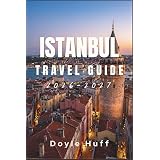
Istanbul Travel Guide 2026–2027: Palaces, Bazaars, Bosphorus Crossings, and the Asian Side, with Transit Cards, Opening Hours, and Where Locals Actually Eat
$17.99 (as of 13/08/2026 02:10 GMT +03:00 - More infoProduct prices and availability are accurate as of the date/time indicated and are subject to change. Any price and availability information displayed on [relevant Amazon Site(s), as applicable] at the time of purchase will apply to the purchase of this product.)
Istanbul: The Imperial City
$12.99 (as of 13/08/2026 02:10 GMT +03:00 - More infoProduct prices and availability are accurate as of the date/time indicated and are subject to change. Any price and availability information displayed on [relevant Amazon Site(s), as applicable] at the time of purchase will apply to the purchase of this product.)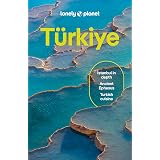
Lonely Planet Turkiye: Plan the Trip of a Lifetime | Detailed Itineraries & Maps | Insider Tips | Covers Istanbul, Troy, Izmir and more (Travel Guide)
$19.29 (as of 13/08/2026 02:10 GMT +03:00 - More infoProduct prices and availability are accurate as of the date/time indicated and are subject to change. Any price and availability information displayed on [relevant Amazon Site(s), as applicable] at the time of purchase will apply to the purchase of this product.)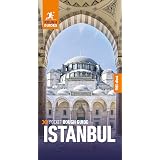
Pocket Rough Guide Istanbul: Travel Guide with eBook
$9.60 (as of 13/08/2026 02:10 GMT +03:00 - More infoProduct prices and availability are accurate as of the date/time indicated and are subject to change. Any price and availability information displayed on [relevant Amazon Site(s), as applicable] at the time of purchase will apply to the purchase of this product.)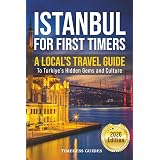
Istanbul For First Timers: A Local's Travel Guide To Turkiye's Hidden Gems and Culture
$11.30 (as of 13/08/2026 02:10 GMT +03:00 - More infoProduct prices and availability are accurate as of the date/time indicated and are subject to change. Any price and availability information displayed on [relevant Amazon Site(s), as applicable] at the time of purchase will apply to the purchase of this product.)
The Mini Rough Guide to Istanbul and the Aegean Coast: Travel Guide with eBook
$6.47 (as of 13/08/2026 01:53 GMT +03:00 - More infoProduct prices and availability are accurate as of the date/time indicated and are subject to change. Any price and availability information displayed on [relevant Amazon Site(s), as applicable] at the time of purchase will apply to the purchase of this product.)
Rick Steves Mediterranean Cruise Ports (Rick Steves Travel Guide)
$19.10 (as of 13/08/2026 01:53 GMT +03:00 - More infoProduct prices and availability are accurate as of the date/time indicated and are subject to change. Any price and availability information displayed on [relevant Amazon Site(s), as applicable] at the time of purchase will apply to the purchase of this product.)
Istanbul: The Imperial City
$12.99 (as of 13/08/2026 01:53 GMT +03:00 - More infoProduct prices and availability are accurate as of the date/time indicated and are subject to change. Any price and availability information displayed on [relevant Amazon Site(s), as applicable] at the time of purchase will apply to the purchase of this product.)
Rick Steves Istanbul: With Ephesus & Cappadocia
$8.73 (as of 13/08/2026 01:53 GMT +03:00 - More infoProduct prices and availability are accurate as of the date/time indicated and are subject to change. Any price and availability information displayed on [relevant Amazon Site(s), as applicable] at the time of purchase will apply to the purchase of this product.)
Notes on a Foreign Country: An American Abroad in a Post-American World
$9.87 (as of 13/08/2026 01:53 GMT +03:00 - More infoProduct prices and availability are accurate as of the date/time indicated and are subject to change. Any price and availability information displayed on [relevant Amazon Site(s), as applicable] at the time of purchase will apply to the purchase of this product.)
Lost Women of Turkey: On Making Pilgrimage and Finding Self
$19.99 (as of 13/08/2026 01:53 GMT +03:00 - More infoProduct prices and availability are accurate as of the date/time indicated and are subject to change. Any price and availability information displayed on [relevant Amazon Site(s), as applicable] at the time of purchase will apply to the purchase of this product.)
Great Escapes Mediterranean. The Hotel Book
$59.71 (as of 13/08/2026 01:53 GMT +03:00 - More infoProduct prices and availability are accurate as of the date/time indicated and are subject to change. Any price and availability information displayed on [relevant Amazon Site(s), as applicable] at the time of purchase will apply to the purchase of this product.)
Türkiye (Turkey) Map (National Geographic Adventure Map, 3018)
$7.22 (as of 13/08/2026 01:53 GMT +03:00 - More infoProduct prices and availability are accurate as of the date/time indicated and are subject to change. Any price and availability information displayed on [relevant Amazon Site(s), as applicable] at the time of purchase will apply to the purchase of this product.)
DK Turkey: Must-See Sights. Culture & History. Detailed Maps & Tours. Covers Istanbul, Cappadocia, Antalya, Bod (Travel Guide)
$20.33 (as of 13/08/2026 01:53 GMT +03:00 - More infoProduct prices and availability are accurate as of the date/time indicated and are subject to change. Any price and availability information displayed on [relevant Amazon Site(s), as applicable] at the time of purchase will apply to the purchase of this product.)