Home Blog Page 263

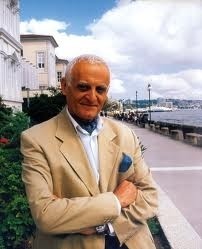
Turkish MP’s: Faik Tunay

Faik Tunay was born on March 5, 1981 in Istanbul as first child of a family of Balkan and Trabzon origin. The Balkans, often referred to as the Balkan Peninsula, and recently also as “Southeast Europe“, although none of the three exactly share borders, is a geopolitical and cultural region of southeastern Europe. Trabzon is a city in the Blacksea region of Turkey. After completing his first-middle and high school education at Şişli Terakki High School, Tunay graduated from Marmara University, Department of Econometrics, Faculty of Economics and Administrative Sciences. After his graduation from the university, in order to improve and promote his foreign languages which he started studying in secondary school, he went abroad for three years. (one year in Rome,one year in Madrid-Spain,one year in Zagreb-Croatia)

After returning back to Turkey, Faik Tunay completed his military service at Yozgat as gendarme and continued his professional career as Sales Manager at an international company. (The Coca-Cola Company He resigned from this company voluntarily after two years and then began to deal with his personal business. His family-owned companies are active in four different sectors. Construction –Agriculture – Advertisement, and Foreign Trade,  for over 20 years

Beside his business career Faik Tunay is active in politics for more than twenty years . He started his political career very early at the age of 18.Between 1999-2004, he hold different political positions in Motherland Party.(Anavatan Partisi)

Faik Tunay represented Republic of Turkey at European Youth Convention held in Brussels for the first time in 2002. Between the years 2002-2004, he worked as Vice Chairman of  IYDU (International Young Democrat Union). In this process, he attended conferences and the panels held in many countries as keynote speaker and participant. Faik  Tunay was elected as the youngest city councillor  of Şişli Municipality at local elections of 2009, Şişli is one of the biggest municipality among 39 municipalities in İstanbul.  Faik Tunay was elected as a member of Turkish Grand National Assembly at general elections of 2011. He is also member of the Foreign Affairs Committee. He speaks English, Italian, Spanish, Bosnian (Croatian) and is deputy chairman of the Federation of Rumeli and Balkan Turks as well as member of congress at Trabzonspor. (Trabzonspor is one of the famous soccer club in Turkey).

Visa Information For Visiting TURKEY

Visa Dration Map by https://residencepermitturkey.com/turkish-visa-types

The Electronic Visa (e-Visa) Application System was launched on 17 April 2013 by the Ministry of Foreign Affairs of the Republic of Turkey. This system allows visitors travelling to Turkey to easily obtain their e-Visas online (www.evisa.gov.tr), in approximately three minutes.

It is possible to obtain e-Visa 7/24 at everywhere with internet connection. The applicants can obtain their visa after they fill in the necessary information concerning their identity, passport and travel dates and pay visa fee online.

• Please note that e-visa is only valid when the purpose of travel is tourism or commerce. For other purposes, such as work and study, visas are given by Turkish Embassies or Consulates.

• The term “official passports” covers diplomatic, service, special and official passports.

You are kindly advised to have a travel document/passport valid for at least 6 months as from the date of your arrival in Turkey.

The Ministry of Foreign Affairs continues efforts to strengthen the e-Visa system and to better enable foreign nationals to easily obtain their visas.

In this context,

– In addition to English, French, and Spanish; Dutch, Norwegian, Polish, German, Arabic and Chinese language options will be added to the e-Visa system.

– In addition to Visa and Master Card, payment is accepted from other commonly used credit cards and debit cards.
– Tour operators may apply for group e-Visas and make lump sum payments for them.

– Necessary arrangements will be made to allow foreign visitors to obtain e-Visas from authorized airline companies offices, including those companies’ offices in airports.

– Fees for e-Visas obtained via the e-Visa website (www.evisa.gov.tr) are lower than the fees for visas obtained upon arrival to Turkish airports. Information regarding visa fees can be found on the website of the Ministry of Foreign Affairs.(http://www.mfa.gov.tr/data/KONSOLOSLUK/vize-harc-miktarlari-en.pdf).

Visa regime for truck drivers of a country may differ from the overall visa regime effective for citizens of that particular country. For further information, please contact the nearest Turkish mission.

Regardless of the visa regime applied towards the citizens of a country, the travel document holders of that country need to obtain visa from Turkish missions beforehand.

Foreigners who will shoot a documentary film conduct a research or an archeological excavation should get a special permission from the Turkish authorities in advance.

If you have a valid visa, you do not need a residence permit up to 90 days. On the other hand, foreigners who shall reside, work or study in Turkey, should register themselves at the nearest local police department upon their arrival in Turkey, regardless of the validity of their visa.

Information on Work Visa: To work in Turkey, you must apply to the nearest Turkish mission to obtain work permit and visa. Your passport, visa application form and a letter from your employer are the necessary documents for your application. Other documents should be submitted to the Turkish Ministry of Labour and Social Security (MLSS) by your employer within ten working days after your application.

You may find the list of those documents in the MLSS’s website (http://www.csgb.gov.tr). Applications are finalized by the MLSS within thirty days at the latest. Right after your arrival in Turkey (before starting to work), you should be registered at the local police department within one month to obtain the necessary residence permit.
As of 1 January 2015, in accordance with the article 7.1b of “the Law on Foreigners and International Protection” no. 6458, foreigners wishing to enter Turkey should carry a travel document (passport) with an expiration date at least 60 days beyond the “duration of stay” of their visa, e-Visa, visa exemption, or residence permit.

The citizens of the countries which are stated at the below link are exempted form this Article;

Example A: In order to enter Turkey having a visa with 90 days “duration of stay”, foreigners should hold a travel document valid at least for an additional 60 days which totals to 150 days (90 days + 60 days) of validity at the time of entrance.

Example B: In order to enter Turkey having a visa with 30 days “duration of stay”, foreigners should hold a travel document valid at least for an additional 60 days which totals to 90 days (30 days + 60 days) of validity at the time of entrance.”

The following categories are exempted from this provision:

– Citizens of countries who are allowed to enter Turkey with their national ID’s in accordance with “European Agreement on Regulations governing the Movement of Persons between Member States of the Council of Europe”,

http://www.mfa.gov.tr/countries-whose-citizens-are-allowed-to-enter-turkey-with-their-national-id_s.en.mfa

Holders of diplomatic and official passports are also exempted from this Article.

Afghanistan: Ordinary, Special and Service passport holders are required to have visa to enter Turkey. These passport holders with a valid Schengen members or USA, UK, Ireland visa or residence permit may get their single entry e-Visas valid for one month e-Visas via the website www.evisa.gov.tr, provided that they meet certain conditions. Diplomatic passport holders are exempted from visa for their travels up to 90 days.

Albania: Official passport holders, who are appointed to the diplomatic, consular missions or representations of international organizations accredited in Turkey, are exempted from visa for the period of their assignments. Official and ordinary passport holders are exempted from visa for their travels with touristic purposes and transit from Turkey, up to 90 days within six months starting from the first entry date.

Algeria: Official passport holders are exempted from visa for their travels up to 90 days. Ordinary passport holder Algerian citizens, under the age of 15 and above the age of 65 are exempted from visa up to 90 days within any 180 day period for their touristic visits. Ordinary passport holders between the age of 15 and 65 are required to have visa. Ordinary passport holder Algerian citiziens between the ages of 15-18 and 35-65 with a valid Schengen members or USA, UK, Ireland visa or residence permit may get their one month period single entry e-Visas via the website www.evisa.gov.tr.

Angola: Ordinary and official passport holders are required to have visa to enter Turkey. These passport holders with a valid Schengen members or USA, UK, Ireland visa or residence permit may get their one month period single e-Visas via the website www.evisa.gov.tr.

Antigua-Barbuda: Ordinary and official passport holders are required to have visa to enter Turkey. Ordinary passport holders can obtain three month-multiple entry e-Visas via the website www.evisa.gov.tr. They can also get their visas from Turkish diplomatic representations abroad or they can obtain their three month-multiple entry visas upon their arrival to Turkey at the ports of entry.

Argentina: Ordinary and official passport holders are exempted from visa for their travels up to 90 days.

Armenia: Ordinary and official passport holders are required to have visa to enter Turkey. Ordinary passport holders can obtain one-month multiple entry e-Visas via the website www.evisa.gov.tr.

Australia: Ordinary and official passport holders are required to have visa to enter Turkey. Ordinary passport holders can obtain three month-multiple entry e-Visas via the website www.evisa.gov.tr.

Austria: Ordinary and official passport holders are exempted from visa up to 90 days in any 180-day period.

Azerbaijan: Ordinary and official passport holders are exempted from visa up to 90 days in any 180 day period.

Bahamas: Ordinary passport holders are required to have visa to enter Turkey. They can obtain three month multiple e-Visas via the website www.evisa.gov.tr. Official passport holders are exempted from visa for their travels up to 90 days.

Bahrain: Official passport holders are required to have visa to enter Turkey. Official passport holder Bahraini citizens may obtain visas for up to 15 days at border crossings. Ordinary passport holders are required to have visa to enter Turkey and they may obtain their 30 day period one entry e-visas via the website www.evisa.gov.tr

Bangladesh: Bangladeshi nationals holding diplomatic and official/service passport are exempted from visa for their travels up to 90 days. Ordinary passport holders are required to have visa. These passport holders with a valid Schengen members or USA, UK, Ireland visa or residence permit may get their single entry e-Visas valid for one month e-Visas via the website www.evisa.gov.tr, provided that they meet certain conditions.

Barbados: Ordinary passport holders are required to have visa to enter Turkey. They can obtain three month multiple entry e-Visas via the website www.evisa.gov.tr. Official passport holders are exempted from visa for their travel up to 90 days.

Belarus: Ordinary and official passport holders are exempted from visa for their travels up to 30 days. Total period of stay should be no longer than 90 days within 1 year.

Belgium: Ordinary and official passport holders are exempted from visa up to 90 days in any 180-day period.

Belize: Ordinary and official passport holders are exempted from visa for their travels up to 90 days.

Benin: Ordinary, Special and Service passport holders are required to have visa to enter Turkey. These passport holders with a valid Schengen members or USA, UK, Ireland visa or residence permit may get their single entry e-Visas valid for one month e-Visas via the website www.evisa.gov.tr, provided that they meet certain conditions. Diplomatic passport holders are exempted from visa for their travels up to 90 days.

Bhutan: Ordinary and official passport holders are required to have visa to enter Turkey. Ordinary passport holders can get their 15 day period visas from Turkish diplomatic representations abroad.

Bolivia: Ordinary and official passport holders are exempted from visa for their travels up to 90 days.

Bosnia-Herzegovina: Ordinary and official passport holders are exempted from visa for their travels up to 90 days within 180 days.

Botswana: Ordinary and official passport holders are required to have visa to enter Turkey. These passport holders with a valid Schengen members or USA, UK, Ireland visa or residence permit may get their one month period single entry e-Visas via the website www.evisa.gov.tr.

Brazil: Official and ordinary passport holders are exempted from visa for their travels up to 90 days.

Brunei: Diplomatic, Official and Ordinary passport holders are exempted from visa to enter into and transit through and stay in Turkey for a period not exceeding 30 days.

Bulgaria: Diplomatic and service passport holders are exempted from visa for their travels up to 30 days. Ordinary passport holders are exempt from visa for their travels up to 90 days within 6 months starting from the first entry date.

Burkina Faso: Diplomatic passport holders are exempted from visa for their travels up to 90 days. Official/service and ordinary passport holders are required to have visa to enter Turkey. Burkinabe passport holders with a valid Schengen members or USA, UK, Ireland visa or residence permit may get their one month period single entry e-Visas via the website www.evisa.gov.tr.

Burundi: Diplomatic passport holders are exempted from visa requirement for a period not exceeding 90 days within any 180 days period. Special, Service and Ordinary passport holders are required to have visa to enter into Turkey. These passport holders with a valid Schengen members or USA, UK, Ireland visa or residence permit may get their one month period single entry e-Visas via the website www.evisa.gov.tr.

Cambodia: Official passport holders are exempted from visa for their travels up to 30 days. Ordinary passport holders are required to have visa to enter Turkey.

Cameroon: Official passport (Diplomatic, Service and Special) holders and members of official delegations are exempted from visa requirements to enter into, exit from, transit through and stay temporarily in Turkey for a maximum period of 90 days, reckoned from the first entry date. Official passport (Diplomatic, Service and Special) holders, who are not members of official delegations, are required to have visa to enter Turkey.

Ordinary passport holders are required to have visa to enter Turkey.

Ordinary passport holders with a valid Schengen members or USA, UK, Ireland visa or residence permit may get their one month period single entry e-Visas via the website www.evisa.gov.tr.

Canada: Ordinary and official passport holders are required to have visa to enter Turkey. Ordinary passport holders can obtain three-month multiple entry e-Visas via the website www.evisa.gov.tr

Cape Verde: Ordinary and official passport holders are required to have visa to enter Turkey. These passport holders with a valid Schengen members or USA, UK, Ireland visa or residence permit may get their one month period single entry e-Visas via the website www.evisa.gov.tr.

Central African Republic: Ordinary and official passport holders are required to have visa to enter Turkey. These passport holders with a valid Schengen members or USA, UK, Ireland visa or residence permit may get their one month period single entry e-Visas via the website www.evisa.gov.tr.

Chad: Ordinary and official passport holders are required to have visa to enter Turkey. These passport holders with a valid Schengen members or USA, UK, Ireland visa or residence permit may get their one month period single entry e-Visas via the website www.evisa.gov.tr.

Chile: Ordinary and official passport holders are exempted from visa for their travels up to 90 days.

People’s Republic of China: Official passport holders are exempted from visa for their travels up to 30 days.

Ordinary passport holders are required to have visa. These passport holders can obtain their 30 days single entry e-Visas via the web site www.evisa.gov.tr

Colombia: Colombian nationals holding diplomatic, official and ordinary passport are exempted from visa for their travels up to 90 days.

Comoros: Ordinary and official passport holders are required to have visa to enter Turkey. These passport holders with a valid Schengen members or USA, UK, Ireland visa or residence permit may get their one month period single entry e-Visas via the website www.evisa.gov.tr.

Costa Rika: Ordinary and official passport holders are exempted from visa for their travels up to 30 days.


Cote d’Ivoire: Diplomatic and service passport holders are exempted from visa for their travels up to 90 days. Ordinary passport holders are required to have visa to enter Turkey. These passport holders with a valid Schengen members or USA, UK, Ireland visa or residence permit may get their one month period single entry e-Visas via the website www.evisa.gov.tr.

Croatia:Ordinary and official passport holders are exempted from visa up to 90 days in any 180-day period.

Cuba: Ordinary passport holders are required to have visa to enter Turkey. Official passport holders are exempted from visa for their travels up to 90 days.

Czech Republic: Official and ordinary passport holders are exempted from visa for their travels up to 90 days.

Democratic Republic of Congo: Diplomatic passport holders are exempted from visa up to 90 days within any 180 days period. Ordinary and service passport holders are required to have visa to enter Turkey. Ordinary and service passport holders with a valid Schengen members or USA, UK, Ireland visa or residence permit, provided that certain conditions are fulfilled, may obtain 30-day single-entry e-visas via the website www.evisa.gov.tr.

Denmark: Ordinary and official passport holders are exempted from visa for their travels up to 90 days.

Djibouti: Official passport holders are exempted from visa for their travels up to 90 days within 6 months starting from the first entry date. Ordinary passport holders are required to have visa to enter Turkey. Ordinary passport holders with a valid Schengen members or USA, UK, Ireland visa or residence permit may get their one month period single entry e-Visas via the website www.evisa.gov.tr.

Dominica: Ordinary and official passport holders are required to have visa to enter Turkey. Ordinary passport holders can obtain three month-multiple entry e-Visas via the website www.evisa.gov.tr. They can also get their visas from Turkish diplomatic representations abroad or they can obtain their three month-multiple entry visas upon their arrival to Turkey at the ports of entry.

Dominican Republic: Ordinary and official passport holders are required to have visa to enter Turkey. Ordinary passport holders can obtain three month-multiple entry e-Visas via the website www.evisa.gov.tr. They can also get their visas from Turkish diplomatic representations abroad or they can obtain their three month-multiple entry visas upon their arrival to Turkey at the ports of entry.

East Timor: Ordinary and official passport holders are required to have visa to enter Turkey. East Timor citizens may get their 30 days single entry e-Visas via the web site www.evisa.gov.tr

Ecuador: Ordinary and official passport holders are exempted from visa for their travels up to 90 days.

Egypt: Official passport holders are exempted from visa for their travels up to 90 days.
Ordinary passport holders are required to have visa to enter Turkey. Ordinary passport holders may obtain their 30-day single-entry e-Visas via www.evisa.gov.tr, provided that they have a valid Schengen or USA, UK, Ireland visa or residence permit and that they travel to Turkey with Turkish Airlines or Egypt Air.

Besides, those ordinary passport holders who are under 20 or over 45 years old may get their 30-day single-entry e-Visas via the website www.evisa.gov.tr.

El Salvador: Ordinary and official passport holders are exempted from visa for their travels up to 90 days.

Equatorial Guinea: Ordinary and official passport holders are required to have visa to enter Turkey. These passport holders with a valid Schengen members or USA, UK, Ireland visa or residence permit may get their one month period single entry e-Visas via the website www.evisa.gov.tr.

Eritrea: Ordinary and official passport holders are required to have visa to enter Turkey. These passport holders with a valid Schengen members or USA, UK, Ireland visa or residence permit may get their one month period single entry e-Visas via the website www.evisa.gov.tr.

Estonia: Official and ordinary passport holders are exempted from visa for their travels up to 90 days within 6 months starting from the first entry date.

Ethiopia: Ethiopian nationals holding diplomatic passport are exempted from visa for their travels up to 90 days. Official/service and ordinary passport holders are required to have visa. These passport holders with a valid Schengen members or USA, UK, Ireland visa or residence permit may get their one month period single entry e-Visas via the website www.evisa.gov.tr.

Fiji: Ordinary passport holders are required to have visa to enter Turkey. These passport holders may obtain their one-month single-entry e-Visas via the website www.evisa.gov.tr. They can also get their 90-day multiple-entry visas from Turkish missions.

Official passport holders are exempted from visa for their travels up to 90 days.

Finland: Official and Ordinary passport holders are exempted from visa for their travels up to 90 days within 180 days starting from the first entry date.

France: Ordinary and official passport holders are exempted from visa for their travels up to 90 days.

Gabon: Ordinary passport holder citizens of Gabon are required to obtain visa to enter Turkey. Ordinary passport holders may get their visas on condition that they meet certain conditions via the website www.evisa.gov.tr. Diplomatic, service and official passport holder citizens of Gabon are exempted from visa up to 90 days in any 180 day period.

Gambia: Ordinary, Special and Service passport holders are required to have visa to enter Turkey. These passport holders with a valid Schengen members or USA, UK, Ireland visa or residence permit may get their single entry e-Visas valid for one month e-Visas via the website www.evisa.gov.tr, provided that they meet certain conditions. Diplomatic passport holders are exempted from visa for their travels up to 90 days.

Georgia: Ordinary and official passport holders are exempted from visa for their travels up to 90 days.

Germany: Ordinary and official passport holders are exempted from visa for their travels up to 90 days.

Ghana: Ordinary and official passport holders are required to have visa to enter Turkey. These passport holders with a valid Schengen members or USA, UK, Ireland visa or residence permit may get their one month period single entry e-Visas via the website www.evisa.gov.tr.

Greece: Ordinary and official passport holders are exempted from visa for their travels up to 90 days.
Grenada: Ordinary passport holders are required to have visa to enter Turkey. They can obtain three month multiple entry e-Visas via the website www.evisa.gov.tr. Official passport holders are exempted from visa for their travels up to 90 days.

Guatemala: Official and ordinary passport holders are exempted from visa for their travels up to 90 days.

Guinea: Guinean nationals holding diplomatic passport are exempted from visa for their travels up to 90 days. Official/service and ordinary passport holders are required to have visa to enter Turkey. Guinean passport holders who are travelling with Turkish Airlines or Pegasus Airlines with a valid Schengen members or USA, UK, Ireland visa or residence permit may get their one-month-period single entry e-Visas via the website www.evisa.gov.tr.

Guinea-Bissau: Ordinary passport holders are required to have visa to enter Turkey. Ordinary passport holder Gine-Bissau citizens with a valid Schengen members or USA, UK, Ireland visa or residence permit, provided that certain conditions are fulfilled, may obtain 30-day single-entry e-visas via the website www.evisa.gov.tr . Diplomatic and official passport holder citizens of Guinea-Bissau are exempted from visa up to 90 days in any 180 day period.

Guyana: Official passport holders are exempted from visa for their travels up to 90 days within 180 days.
Ordinary passport holders are required to have visa to enter Turkey and they can get their 15 day period visas from Turkish diplomatic representations abroad.

Greek Cypriot Administration: Ordinary and official passport holders are required to have visa to enter Turkey. Both official and ordinary passport holders may obtain their 30-day single-entry e-Visas via the website www.evisa.gov.tr.

Haiti: Ordinary and official passport holders are required to have visa to enter Turkey. Ordinary passport holders can obtain three month-multiple entry e-Visas via the website www.evisa.gov.tr. They can also get their visas from Turkish diplomatic representations abroad or they can obtain their three month-multiple entry visas upon their arrival to Turkey at the ports of entry.

Honduras: Ordinary and official passport holders are exempted from visa for their travels up to 90 days.

Hong Kong Special Administrative Region of PRC: Hong Kong Special Administrative Region of the PRC: Ordinary and official “Hong Kong Special Administrative Region of the People’s Republic of China ( SAR ) Passport” holders are exempted from visa for their travels up to 90 days. Hong Kong citizens who have “British National Overseas Passport” are subject to visa and they can obtain their three month period multiple entry e-Visas via the website www.evisa.gov.tr Holders of “Document of Identity for Visa Purposes-Hong Kong (D.I)” must get their visas from the Turkish diplomatic or consular missions abroad.

Hungary: Official and Ordinary passport holders are exempted from visa for their travels up to 90 days within 180 days reckoned from the date of first entry.

Iceland: Ordinary and Official passport holders are exempt from visa for their travels up to 90 days.

India: Diplomatic passport holders are exempt from visa for their travels to Turkey up to 90 days. Ordinary, Special and Service passport holders are required to have visa to enter Turkey. Ordinary, Special and Service passport holders with a valid Schengen members or USA, UK, Ireland visa or residence permit may get their single entry e-Visas valid for one month via the website www.evisa.gov.tr, provided that they meet certain conditions.

Indonesia: Indonesian nationals holding diplomatic and official/service passport are exempted from visa for their travels up to 30 days. Ordinary passport holders are required to have visa. These passport holders can obtain their one month period entry e-Visas via the website www.evisa.gov.tr.

Iran: Ordinary and official passport holders are exempted from visa for their travels up to 90 days.

Iraq: Official passport holders are exempted from visa for their travels up to 90 days. Ordinary passport holders are required to have visa to enter Turkey. Ordinary passport holders with a valid Schengen members or USA, UK, Ireland visa or residence permit may get their single entry e-Visas valid for one month e-Visas via the website www.evisa.gov.tr, provided that they meet certain conditions.

Ireland: Ordinary passport holders are exempted from visa up to 90 days in any 180-day period. Official passport holders are required to have visa to enter Turkey.

Israel: Ordinary and official passport holders are exempted from visa for their travels up to 90 days.

Italy: Ordinary and official passport holders are exempt from visa for their travels up to 90 days.

Jamaica: Ordinary passport holders are required to have visa to enter Turkey. They can obtain three month multiple entry e-Visas via the website www.evisa.gov.tr. Official passport holders are exempted from visa for their travels up to 90 days.

Japan: Ordinary and official passport holders are exempt from visa for their travels up to 90 days.

Jordan: Diplomatic, official and ordinary passport holders are exempted from visa for their travels with touristic purposes and transit to/from Turkey up to 90 days within six months starting from the first entry date. Diplomatic and official passport holders, who are appointed to the diplomatic, consular missions or representations of international organizations accredited in Turkey, are exempted from visa for the period of their assignments. Truck and bus drivers and co-drivers, crew members of civil airplanes, trains and ships, engaged in international transport of goods and passengers, are exempted from visa for their travels and transit to/from Turkey, up to 90 days within six months, starting from the first entry date.

Kazakhstan: Ordinary and official passport holders are exempted from visa for their travels up to 30 days.

Kenya: Citizens of Kenya holding diplomatic, official, service and special passport are exempted from visa for their travels and transit to/from Turkey up to 90 days within 180 days, starting from the first entry date. Ordinary passport holders can get their three-month period multi entry visas from Turkish diplomatic representations abroad. Ordinary passport holders with a valid Schengen members or USA, UK, Ireland visa or residence permit may get their one month period single entry e-Visas via the website www.evisa.gov.tr.

Kiribati: Ordinary and official passport holders are required to have visa to enter Turkey.

Kosovo: Citizens of Kosova holding diplomatic, official and ordinary passport are exempted from visa for their travels with touristic purposes and transit to/from Turkey up to 90 days within six months, starting from the first entry date.

Kuwait: Official and ordinary passport holders are exempted from visa for their travels up to 90 days within last 180 days.

Kyrgyzstan: Ordinary and official passport holders are exempted from visa for their travels up to 90 days.

Laos: Diplomatic passport holders are exempted from visa up to 90 days within any 180 days period. Ordinary and other types of official passport holders are required to have visa to enter Turkey.

Latvia: Ordinary passport holders are exempt from visa requirement for their travels up to 30 (thirty) days. Diplomatic, special and service passport holders are exempt from visa requirement for their travels up to 90 (ninety) days.

Lebanon: Official and ordinary passport holders are exempted from visa for their travels with touristic purposes and transit to/from Turkey up to 90 days within six months, starting from the first entry date. Diplomatic and official passport holders, who are appointed to the diplomatic, consular missions or representations of international organizations accredited in Turkey, are exempted from visa for the period of their assignments. Truck and bus drivers and co-drivers, crew members of civil airplanes, trains and ships, engaged in international transport of goods and passengers, are exempted from visa for their travels and transit to/from Turkey, up to 90 days within six months, starting from the first entry date.

Lesotho: Ordinary and official passport holders are required to have visa to enter Turkey. These passport holders with a valid Schengen members or USA, UK, Ireland visa or residence permit may get their one month period single entry e-Visas via the website www.evisa.gov.tr.

Liberia: Diplomatic passport holders are exempted from visa for their travels up to 90 days. Ordinary and official passport holders are required to have visa to enter Turkey. These passport holders with a valid Schengen members or USA, UK, Ireland visa or residence permit may get their one month period single entry e-Visas via the website www.evisa.gov.tr.

Libya: Diplomatic and official passport holders are exempted from visa for their travels up to 90 days within any six months. Ordinary passport holder Libyan citizens, under the age of 16 and above the age of 55 are exempted from visa up to 90 days within any 180 day period for their touristic visits. Ordinary passport holders between the age of 16 and 55 are required to have visa. Ordinary passport holders between those ages with a valid Schengen members or USA, UK, Ireland visa or residence permit may get their one month period single entry e-Visas via the website www.evisa.gov.tr.

Liechtenstein: Ordinary and official passport holders are exempt from visa for their travels up to 90 days.

Lithuania: Official and Ordinary passport holders are exempted from visa for their travels up to 90 days within 180 days starting from the first entry date.

Luxemburg: Ordinary and official passport holders are exempted from visa for their travels up to 90 days.
Macao Special Administration: Ordinary and official Macao Special Administrative Region of the People’s Republic of China passport holders are exempt from visa for their travels up to 30 days.

Madagascar: Ordinary and official passport holders are required to have visa to enter Turkey. These passport holders with a valid Schengen members or USA, UK, Ireland visa or residence permit may get their one month period single entry e-Visas via the website www.evisa.gov.tr.

Malawi: Ordinary and official passport holders are required to have visa to enter Turkey. These passport holders with a valid Schengen members or USA, UK, Ireland visa or residence permit may get their one month period single entry e-Visas via the website www.evisa.gov.tr.

Malaysia: Ordinary and official passport holders are exempted from visa for their travels up to 90 days.

Maldives: Official passport holders are exempt from visa for their travels up to 30 days. Ordinary passport holders are required to have visa to enter Turkey. They can obtain three month multiple entry e-Visas via the website www.evisa.gov.tr.

Mali: Diplomatic passport holders are exempted from visa for their travels up to 90 days. Official/service and ordinary passport holders are required to have visa. These passport holders with a valid Schengen members or USA, UK, Ireland visa or residence permit may get their one month period single entry e-Visas via the website www.evisa.gov.tr.

Malta: Ordinary and official passport holders are exempted from visa up to 90 days in any 180-day period.

Marshall Islands: Ordinary and official passport holders are required to have visa to enter Turkey.

Mauritania: Official passport holders are exempt from visa for their travels up to 90 days. Ordinary passport holders are required to have visa to enter Turkey. They can their 15 day period visa from Turkish diplomatic representations abroad. These passport holders with a valid Schengen members or USA, UK, Ireland visa or residence permit may get their one month period single entry e-Visas via the website www.evisa.gov.tr.

Mauritius: Official passport holders are exempted from visa for their travels up to 90 days. Ordinary passport holders are required to have visa to enter Turkey. They can obtain one month multiple entry e-Visas via the website www.evisa.gov.tr or three month period multi entry visas from Turkish diplomatic representations abroad.

Mexico: Diplomatic passport holders are exempted from visa for their travels up to 90 days.
Ordinary and service/official passport holders are required to have visa to enter Turkey. Holders of such passports may get their 90-day multiple-entry visas from Turkish missions abroad or obtain their 30-day single-entry e-visas via the website www.evisa.gov.tr.

Moldova: Ordinary and official passport holders are exempted from visa for their travels up to 90 days within 180 days starting from the date of first entry.

Monaco: Ordinary and official passport holders are exempt from visa for their travels up to 90 days.

Mongolia: Ordinary and official passport holders are exempt from visa up to 30 days for their touristic visits to Turkey.

Montenegro: Official and Ordinary passport holders are exempt from visa for their travels up to 90 days within 6 months starting from the first entry date.

Morocco: Ordinary and official passport holders are exempt from visa for their travels up to 90 days.

Mozambique: Ordinary passport holders are required to have visa to enter into Turkey. These passport holders with a valid Schengen members or USA, UK, Ireland visa or residence permit may get their one month period single entry e-Visas via the website www.evisa.gov.tr.

Diplomatic and service passport holders are exempted from visa for their travels up to 90 days within 180 days starting from the date of first entry on condition that their passport has at least 6 months validity.

Myanmar (Burma): Ordinary and official passport holders are required to have visa to enter Turkey.

Namibia: Official passport holders are exempted from visa for their travels up to 90 days. Ordinary passport holders are required to have visa to enter Turkey. Namibian nationals may get their one month period single entry e-Visas via the website www.evisa.gov.tr

Nauru: Ordinary and official passport holders are required to have visa to enter Turkey. Ordinary passport holders can get their 15 day period visas from Turkish diplomatic representations abroad.

Nepal: Ordinary and official passport holders are required to have visa to enter Turkey. Official passport holders can get one month period visas and ordinary passport holders can get 15 day period visas from from the Turkish diplomatic or consular missions abroad. Nepalese passport holders with a valid Schengen members or USA, UK, Ireland visa or residence permit may get their single entry e-Visas valid for one month via the website www.evisa.gov.tr, provided that they meet certain conditions.

Netherlands: Ordinary and official passport holders are exempted from visa up to 90 days in any 180-day period.

New Zealand: Ordinary and official passport holders are exempt from visa for their travels up to 90 days.

Nicaragua: Ordinary and official passport holders are exempt from visa for their travels up to 90 days.

Niger: Nigerien nationals holding diplomatic passport are exempted from visa for their travels up to 90 days. Official/service and ordinary passport holders are required to have visa. Nigerien passport holders with a valid Schengen members or USA, UK, Ireland visa or residence permit may get their one month period single entry e-Visas via the website www.evisa.gov.tr.

Nigeria: Ordinary, official/service passport holders are required to have visa to enter Turkey. These passport holders with a valid Schengen members or USA, UK, Ireland visa or residence permit may get their single entry e-Visas valid for one month e-Visas via the website www.evisa.gov.tr, provided that they meet certain conditions.

Diplomatic passport holders are exempted from visa for their travels up to 90 days.

North Korea (Democratic People’s Republic of Korea): Ordinary and official passport holders are required to have visa to enter Turkey. Ordinary and Official passport holders with a valid Schengen members or USA, UK, Ireland visa or residence permit may get their one month period single entry visas from Istanbul Ataturk Airport.

North Macedonia: North Macedonian nationals holding diplomatic, service and ordinary passport are exempted from visa for their travels up to 90 days.

Northern Mariana Islands: Ordinary and official passport holders are required to have visa to enter Turkey.

Norway: Ordinary and official passport holders are exempted from visa up to 90 days in any 180-day period.

Oman: Official passport holders are exempt from visa for their travels up to 90 days. Ordinary passport holders are required to have visa to enter Turkey. They can obtain three month-multiple entry e-Visas via the website www.evisa.gov.tr and stay in Turkey up to 90 days within 6 months starting from the first entry date.

Pakistan: Official passport holders are exempted from visa for their travels to Turkey up to 90 days. Ordinary passport holders are required to have visa to enter Turkey. Ordinary passport holders with a valid Schengen, USA, UK, Ireland visa or residence permit may get their one month single entry e-Visas via the website www.evisa.gov.tr.

Palau Republic: Ordinary and official passport holders are required to have visa to enter Turkey.

Palestine: Ordinary passport holders are required to have visa to enter Turkey. Ordinary passport holder Palestine citizens with a valid Schengen members or USA, UK, Ireland visa or residence permit, provided that certain conditions are fulfilled, may obtain 30-day single-entry e-visas via the website www.evisa.gov.tr . Diplomatic passport holders are exempted from visa for their official or touristic visits up to 90 days in any 180 day period. Holders of other types of official passports are required to have visa to enter Turkey.

Panama: Ordinary and official passport holders are exempted from visa up to 90 days within 180 days starting from the first entry date.

Papua New Guinea: Ordinary and official passport holders are required to have visa to enter Turkey.

Paraguay: Official and Ordinary passport holders are exempted from visa for their travels up to 90 days within 6 months starting from the first entry date.

Peru: Official and Ordinary passport holders are exempted from visa for their travels up to 90 days within 180 days.

Philippines: Nationals of the Philippines holding diplomatic and official/service passport are exempted from visa for their travels up to 30 days.

Ordinary passport holders are required to have visa. Holders of such passports may obtain their 30-day single-entry e-visas via the website www.evisa.gov.tr, provided that they have a valid Schengen members or USA, UK, Ireland visa or residence permit.

Poland: Ordinary and official passport holders are exempted from visa up to 90 days in any 180-day period.

Portugal: Ordinary and official passport holders are exempted from visa up to 90 days in any 180-day period.

Qatar: Diplomatic, service, special and ordinary passport holders are exempted from visa for their travels with touristic purposes and transit to/from Turkey up to 90 days within six months, starting from the first entry date.

Republic of Congo: Congolese nationals holding diplomatic passport are exempted from visa for their travels up to 90 days.

Official/service and ordinary passport holders are required to have visa to enter Turkey. Congolese passport holders with a valid Schengen members or USA, UK, Ireland visa or residence permit may get their one-month-period single entry e-Visas via the website www.evisa.gov.tr.

Romania: Official and ordinary passport holders are exempted from visa for their travels with touristic purposes up to 90 days within 180 days starting from the first entry date.

Russian Federation: Ordinary passport holders are exempted from visa for their touristic and business travels up to 60 days. Service passport holders are exempted from visa up to 30 days on condition that not to exceed 90 days within any 180 days period. Diplomatic passport holders are exempted from visa for their travels up to 90 days.

Rwanda: Ordinary passport holders are required to have visa to enter Turkey. Ordinary passport holder Rwanda citizens with a valid Schengen members or USA, UK, Ireland visa or residence permit, provided that certain conditions are fulfilled, may obtain 30-day single-entry e-visas via the website www.evia.gov.tr. Diplomatic and service passport holders are exempted from visa up to 90 days in any 180 day period..

St. Christopher (St. Kitts) & Nevis: Nationals of St. Christopher (St. Kitts) and Nevis holding diplomatic, official/service and ordinary passport are exempted from visa for their travels up to 90 days.

St Lucia: Official passport holders are exempted from visa for their travels up to 90 days. Ordinary passport holders are required to have visa to enter Turkey. They can obtain three month multiple entry e-Visas via the website www.evisa.gov.tr.

St Vincent and the Grenadines: Official passport holders are exempted from visa for their travels up to 90 days. Ordinary passport holders are required to have visa to enter Turkey and can obtain three month-multiple entry e-Visas via the website www.evisa.gov.tr. They can also get their visas from Turkish diplomatic representations abroad or they can obtain their three month-multiple entry visas upon their arrival to Turkey at the ports of entry.

San Marino: Ordinary and official passport holders are exempted from visa for their travels up to 90 days.

Sao Tome and Principe: Ordinary and official passport holders are required to have visa to enter Turkey. These passport holders with a valid Schengen members or USA, UK, Ireland visa or residence permit may get their one month period single entry e-Visas via the website www.evisa.gov.tr.

Saudi Arabia: Official passport holders are exempted from visa for their travels to Turkey with touristic purposes up to 90 days within 180 days, starting from the first entry date. Ordinary passport holders are required to have visa to enter Turkey. They can obtain their three month period multiple entry e-Visas via the website www.evisa.gov.tr.

Senegal: Senegalese nationals holding diplomatic passport are exempted from visa for their travels up to 90 days.

Official/service and ordinary passport holders are required to have visa. Senegalese passport holders with a valid Schengen members or USA, UK, Ireland visa or residence permit may get their one month period single entry e-Visas via the website www.evisa.gov.tr.

Serbia: Diplomatic, official and ordinary passport holders and holders of travel document are exempted from visa for their travels with touristic purposes and transit to/from Turkey up to 90 days within six months, starting from the first entry date. Diplomatic and official passport holders, who are appointed to the diplomatic, consular missions or representations of international organizations accredited in Turkey, are exempted from visa for the period of their assignments. Truck and bus drivers and co-drivers, crew members of civil airplanes, trains and ships, engaged in international transport of goods and passengers, are exempted from visa for their travels and transit to/from Turkey, up to 90 days within six months, starting from the first entry date.

Seychelles: Seychelles nationals holding diplomatic, official and ordinary passport holders are exempted from visa for their travels up to 90 days.

Sierra Leone: Ordinary passport holders are required to have visa to enter Turkey. Ordinary passport holder Sierra Leone citizens with a valid Schengen members or USA, UK, Ireland visa or residence permit, provided that certain conditions are fulfilled, may obtain 30-day single-entry e-visas via the website www.evisa.gov.tr. Diplomatic and service passport holder citizens of Sierra Leone are exempted from visa up to 90 days in any 180 day period.

Singapore: Ordinary and official passport holders are exempted from visa for their travels up to 90 days.

Slovakia: Ordinary passport holders are exempt from visa for their travels to Turkey with touristic purposes up to 90 days within 180 days, starting from the first entry date. Official passport holders are exempt from visa for their travels up to 90 days within 180 days, starting from the first entry date.

Slovenia: Ordinary passport holders are exempted from visa for their travels to Turkey with touristic purposes up to 90 days within 180 days, starting from the first entry date. Official passport holders are exempted from visa for their travels to Turkey up to 90 days within six months.

Solomon Islands: Ordinary and official passport holders are required to have visa to enter Turkey. Ordinary passport holders can get their 15 day period visas from Turkish diplomatic representations abroad.

Somalia: Ordinary and official passport holders are required to have visa to enter Turkey. These passport holders with a valid Schengen members or USA, UK, Ireland visa or residence permit may get their one month period single entry e-Visas via the website www.evisa.gov.tr.

South Africa: Ordinary passport holders are required to have visa to enter Turkey. They can obtain three-month period multiple entry visas from Turkish representations abroad or one month period single entry visas via the website www.evisa.gov.tr. Official passport holders are exempted from visa for their travels up to 30 days.

Republic of Korea (South Korea): Ordinary and official passport holders are exempted from visa for their travels up to 90 days.

South Sudan: Diplomatic passport holders are exempted from visa for their travels and transit to/from Turkey up to 90 days within 180 days, starting from the first entry date. Ordinary, service and special passport holders are required to have visa to enter Turkey.

Spain: Ordinary and official passport holders are exempted from visa up to 90 days in any 180-day period.

Sri Lanka: Official and ordinary passport holders are required to have visa to enter Turkey.
Sri Lankan nationals with a valid Schengen members or USA, UK, Ireland visa or residence permit may get their one month period single entry e-Visas via the website www.evisa.gov.tr.

Sudan: Diplomatic passport holders are exempted from visa for their travels and transit to/from Turkey up to 90 days within 180 days, starting from the first entry date. Ordinary, service and special passport holders are required to have visa to enter Turkey. These passport holders with a valid Schengen members or USA, UK, Ireland visa or residence permit may get their one month period single entry e-Visas via the website www.evisa.gov.tr.

Surinam: Diplomatic and service passport holders are exempted from visa up to 90 days within any 180 days period. Ordinary passport holders are required to have visa to enter Turkey. Ordinary passport holder Surinamese citizens may obtain 30-day single-entry e-visas via the website www.evisa.gov.tr.

Surinamese nationals may obtain their 30-day single-entry e-visas via the website www.evisa.gov.tr.

Swaziland: Ordinary and official passport holders are required to have visa to enter Turkey. These passport holders with a valid Schengen members or USA, UK, Ireland visa or residence permit may get their one month period single entry e-Visas via the website www.evisa.gov.tr.

Sweden: Official and Ordinary passport holders are exempted from visa for their travels up to 90 days within 180 days starting from the first entry date.

Switzerland: Ordinary and official passport holders are exempted from visa for their travels up to 90 days.

Syria: Ordinary and official passport holders are required to have visa to enter Turkey.

Taiwan: Ordinary and official passport holders are required to have visa to enter Turkey. Ordinary passport holders may get their single entry e-Visas valid for one month via the website www.evisa.gov.tr, provided that they meet certain conditions.

Tajikistan: Ordinary passport holders are exempted from visa for their travels to Turkey up to 30 days within six months, starting from the first entry date. Diplomatic passport holders are exempted from visa for their travels to Turkey up to 90 days within six months, starting from the first entry date. Service passport holders, who are appointed to the diplomatic, consular missions or representations of international organizations accredited in Turkey, are exempted from visa for the period of their assignments. Service passport holders, who are not appointed to Turkey, are exempted from visa for their travels with touristic purposes and transit from Turkey, up to 60 days within six months, starting from the first entry date.

Tanzania: Tanzanian nationals holding diplomatic and service passport are exempted from visa for their travels up to 90 days. Ordinary passport holders are required to have visa. These passport holders with a valid Schengen members or USA, UK, Ireland visa or residence permit may get their one month period single entry e-Visas via the website www.evisa.gov.tr.

Thailand: Ordinary passport holders are exempted from visa for their travels up to 30 days. Official passport holders are exempted from visa for their travels up to 90 days.

Togo: Diplomatic passport holders are exempted from visa up to 90 days in any 180 day period. Ordinary and other types of official passport holders are required to have visa to enter Turkey. Citizens of Togo with a valid Schengen members or USA, UK, Ireland visa or residence permit, provided that certain conditions are fulfilled, may obtain 30-day single-entry e-visas via the website www.evisa.gov.tr..

Tonga: Ordinary and official passport holders are required to have visa to enter Turkey.

Trinidad and Tobago: Ordinary and official passport holders are exempted from visa for their travels up to 90 days.

Tunisia: Ordinary and official passport holders are exempted from visa for their travels up to 90 days.

Turkish Republic of Northern Cyprus: Ordinary and official passport holders are exempted from visa.

Turkmenistan: Ordinary and official passport holders are exempt from visa requirement for their travels to Turkey up to 30 days.

Tuvalu: Ordinary and official passport holders are required to have visa to enter Turkey.

Uganda: Diplomatic passport holders are exempted from visa for their travels up to 90 days. Ordinary and official passport holders are required to have visa to enter Turkey. These passport holders with a valid Schengen members or USA, UK, Ireland visa or residence permit may get their one month period single entry e-Visas via the website www.evisa.gov.tr.

Ukraine: Ukrainian nationals holding diplomatic and official/service passport are exempted from visa for their travels up to 90 days. Ordinary passport holders are exempted from visa for their travels up to 90 days. Citizens of Ukraine may also use their valid biometric identity cards during their travel to Turkey.

United Arab Emirates: Official passport holders are exempted from visa for their travels up to 90 days. Ordinary passport holders are required to have visa to enter Turkey. Ordinary passport holders can obtain their three-month period multiple entry e-Visas via the website www.evisa.gov.tr.

United Kingdom: Diplomatic and ordinary passport holders (British citizens) are exempted from visa up to 90 days in any 180-day period. Service and special passport holders are required to have visa to enter Turkey. UK passports holders with “British National Overseas”, “British Subject” and “British Protected Person” nationality are subjected to visa and they can only get their visas from the Turkish diplomatic or consular missions abroad.

United States of America: Official and ordinary passport holders are required to have visa to enter Turkey. Ordinary passport holder USA citizens may obtain their visas through www.evisa.gov.tr website .

Uruguay: Ordinary and official passport holders are exempted from visa for their travels up to 90 days.

Uzbekistan: Diplomatic and ordinary passport holders are exempted from visa up to 90 days within any 180 day period. Other types of official passport holders are required to have visa to enter Turkey.

Vanuatu: Ordinary and official passport holders are required to have visa to enter Turkey. Ordinary passport holders can get their 15 day period visa from Turkish diplomatic representations abroad.

Vatican (Holy See): Ordinary and official passport holders are exempted from visa for their travels up to 90 days.

Venezuela: Ordinary passport holders are exempted from visa for their travels up to 90 days in each six-month period. Official passport holders are exempted from visa for their travels up to 30 days.

Vietnam: Ordinary passport holders are required to have visa to enter Turkey. These passport holders with a valid Schengen members or USA, UK, Ireland visa or residence permit may get their one month period single entry e-Visas via the website www.evisa.gov.tr. Official passport holders are exempted from visa for their travels up to 90 days.

Western Samoa: Ordinary and official passport holders are required to have visa to enter Turkey.

Yemen: Official passport holders are exempted from visa for their travels up to 30 days. Ordinary passport holders are required to have visa to enter Turkey. These passport holders with a valid Schengen members or USA, UK, Ireland visa or residence permit may get their one month period single entry e-Visas via the website www.evisa.gov.tr.

Zambia: Ordinary and official passport holders are required to have visa to enter Turkey. Zambian nationals may get their one month period single entry e-Visas via the website www.evisa.gov.tr.

Zimbabwe: Ordinary and official passport holders are required to have visa to enter Turkey. These passport holders with a valid Schengen members or USA, UK, Ireland visa or residence permit may get their one month period single entry e-Visas via the website www.evisa.gov.tr.

https://www.mfa.gov.tr/visa-information-for-foreigners.en.mfa

Scholars from and Around Turkey

Marcus Aurelius: Remember, A Happy Life Depends on Few

Hallaj-ı Mansur: Hell Is Not Where We Suffer, It Is A Place Where Nobody Knows We Suffer

Diogenes: You Can Insult Me But I Will Not Be Humiliated

Yunus Emre: The Tongue Speaks The Ear Listens The Heart Speaks The Universe Religions-Philosophy of Finding Love

Ibn Arabi: Whoever You Love, You See It On Everyone’s Face: The Philosophy of Unity of Body

Mevlana: If Something You Want Happens, If Something Doesn’t Happen, Search A Thousand Nos

Shams-i Tabrizi: The Way of the One Who Accumulates Goodness in His Heart is Always Open

Rabindranath Tagore: Nobody Belongs To Us – The Philosophy of Being You

Plato – Man’s Self-Defeat is the Greatest Victory

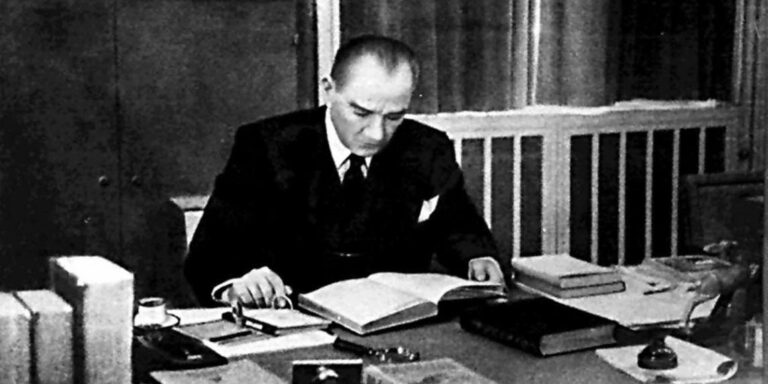
Mustafa Kemal Atatürk – We Must Overcome Pride in Success, Despair in Disaster

Ibn Khaldun – Geography is Destiny

Pythagoras – Child of God Knows No Land Except Heaven

Evliya Çelebi – Listen to Your Heart, But Don’t Give Everything You Want

Mimar Sinan – If You Feel Your Work In Your Heart, Rivers Are In The Ages

Zarathustra – Whatever I Have is Hidden in Your Hands

Heraclitus – A Man’s Character Is His Destiny

TURKISH

Marcus Aurelius: Unutma Mutlu Bir Hayat Çok Az Şeye Bağlıdır

Hallac-ı Mansur: Cehennem Acı Çektiğimiz Yer Değil Acı Çektiğimizi Kimsenin Bilmediği Yerdir

Diyojen: Sen Beni Aşağılayabilirsin Ama Ben Aşağılanmam

Yunus Emre: Dil Söyler Kulak Dinler Kalp Söyler Kainat Dinler-Aşkı Bulmanın Felsefesi

İbni Arabi: Kimi Seviyorsan Herkesin Yüzünde Onu Görürsün: Vahdet-i Vücut Felsefesi

Mevlana: İstediğin Bir Şey Olursa Bir Hayır Olmazsa Bin Hayır Ara

Şems-i Tebrizi: Kalbinde İyilik Biriktirenin Yolu Hep Açıktır

Rabindranath Tagore: Kimse Bize Ait Değildir – Kendin Olabilme Felsefesi

Platon – İnsanın Kendini Yenmesi En Büyük Zaferdir

Mustafa Kemal Atatürk – Başarıda Gururu Felakette Ümitsizliği Yenmeliyiz

İbni Haldun – Coğrafya Kaderdir

Pythagoras – Tanrı’nın Çocuğu Olan Göklerden Başka Vatan Tanımaz

Evliya Çelebi – Gönlünü Dinle Ama Her İstediğini Verme

Mimar Sinan – Yaptığın İşi Gönlünde Hissedersen Irmaklar Çağlar İçinde

Zerdüşt – Bende Olan Ne Varsa Sizin Elinizde de Gizli

Herakleitos-Bir İnsanın Karakteri Onun Yazgısıdır

“Turkey is Turn Key for the Humanity”

Africa: British Invasion in Egypt Ottoman Diplomatic War 1882-1887

by Professor Süleyman Kızıltoprak

@suleymankzltprk

Questions/Contents
What did the Egyptian problem look like for the Ottoman Empire?
How did Ottoman statesmen interpret the Egyptian problem?
Did they understand correctly?
Did they defend their arguments well against the British?
What are the contradictions of II. Abdulhamid’s policy against the Urabî Pasha Movement?
What policy did Britain follow after occupying Egypt, extending the evacuation talks?
How was the British policy of keeping the issue of evacuation from the agenda perceived by the Ottomans?
Why did England bring Ottoman military intervention in Egypt and the Red Sea to the agenda before and after its invasion of Egypt?
In the evacuation negotiations, England, Why did he raise the issue of Sudan?
How did the great European powers react to this occupation?
How did the attitudes of the European powers in the evacuation talks change?
In the 1880s, in the diplomatic rapprochement that became stronger than in the past in Europe, how did the Egypt problem take a place?
Did the Ottoman State resort to the policy of taking part in alliance systems to solve the Egyptian problem?
What was the importance of the Egyptian problem among the external problems that the Ottoman Empire focused on in the conditions of the 1880s? II. How did II.Abdulhamid’s adopting a centralist approach in foreign policy reflect on the Egyptian problem?
What were the main features of Abdulhamid’s foreign policy in the face of the Egypt problem? Is this policy realistic? Or was he an idealist?
At what point was the Ottoman Empire’s dominance in Egypt at the time of the Egyptian crisis that broke out at the end of the reign of Khedive Ismail Pasha?
For what, how much, how did the Ottoman Empire fight?
The British, from time to time, opposed the efforts of the Ottoman Empire to solve the problem. Sometimes they offered solutions. Did the British have any other intentions behind this attitude, or were they sincere in their demands and objections – if we evaluate it from the point of view of finding a solution to the problem?
In the Middle East, why did England and France, who have colonial ambitions, pursue a policy of pressure to bring Ottoman soldiers to the same region at different times?
How did he fight?
The British, from time to time, opposed the efforts of the Ottoman Empire to solve the problem. Sometimes they offered solutions. Did the British have any other intentions behind this attitude, or were they sincere in their demands and objections – if we evaluate it from the point of view of finding a solution to the problem?
In the Middle East, why did England and France, who have colonial ambitions, pursue a policy of pressure to bring Ottoman soldiers to the same region at different times?How did he fight?
The British, from time to time, opposed the efforts of the Ottoman Empire to solve the problem. Sometimes they offered solutions.
Did the British have any other intentions behind this attitude, or were they sincere in their requests and objections – if we evaluate it from the point of view of finding a solution to the problem?
In the Middle East, why did England and France, who have colonial ambitions, pursue a policy of pressure to bring Ottoman soldiers to the same region at different times?
Why did England and France, who have colonial ambitions, pursue a policy of pressure for Ottoman soldiers to come to the same region at different times?
Why did England and France, who have colonial ambitions, pursue a policy of pressure to bring Ottoman soldiers to the same region at different times?

Release date: 02.12.2010
ISBN: 9789753332569
Language: TURKISH
Skin Type: Paperback Cover
Paper Type: Book Paper
Dimension: 13.5 x 21cm

@suleymankzltprk

Hun Turks

XiongNu (Hun) period sites in Mongolia and China.

Huns were scattered all over Eurasia namely in Mongolia, China, Northern India, Southern Russia and hearth of Europe.

The natural defense line that the Huang Ho river made an inverted U was not enough; they could only stop the HUN raids with the Great Wall of China.

The Turks, who reached the shores of the Atlantic with the European Hun Empire of Attila, reached the shores of the PACIFIC during the period of Göktürk Empire and Bilge Tonyukuk.

Aren’t the geographies and museums of Mongolia and Inner Mongolia (China) particularly valuable in terms of Hun and Gokturk works ?

The Roman Empire and the Han Empire around AD 1.

You may add HUN Empire in between simulaneously.

HUN gary

Our dominance on the Silk Road started with the Huns. We fought for it for 2000 years with the Chinese on the plains of Ordos. There are 962 references to the enemy that Sun Tzu (500 BC) mentioned in his book The Art of War, and that enemy is the Hun Turks.

Turks, who were also merchants in ancient times, lived on the Silk Road with the principles that regulated their commercial life and traded with ROME.

The Huns, starting from the Göktürks, are Turks, merchants and have taken the Silk Road under control.

The “trader Turk” controlled the Silk Road and built empires.

When deer migrated south and west in Far Asia, the Huns followed suit. First migration.

ORDOS:  Area inside the great loop of the Yellow River, a critical staging area for steppe tribes at least since the second century BC. Formerly fertile grasslands combined with irrigated agriculture provided a base territory for peoples from the Xiongnu (Hönnö, first century BC) to the Choros tribe of Esen (fifteenth century). Proximity to the trade route funneled through the Gansu corridor financed the power of tribes who held Ordos. page 179
Title: The Tea Road : China and Russia meet across the Steppe  / Martha Avery.
Author: Avery, Martha, 1951-  (1 unit) | Avery, Martha 1951-  (1 pcs)
ISBN: 9787508503806  (3 pcs)
Publication Year: 2003
Tongue: English
Subject: Tea trade — China — History  (1 item)
Trade — History — China  (1 item)
Tea culture — China  (1 item)
Internet Resources: Table of contents only  (1 pc)
Library: Bosphorus  | National Library


ORDOS:

The area within the great ring of the Yellow River that has been a critical staging area for steppe tribes since at least the 2nd century BC.

The formerly fertile pastures, combined with irrigated agriculture, provided a base region for peoples from the Xiongnu (Hönnö, 1st century BC) to the Choros tribe of Esen (fifteenth century BC). 

The proximity to the trade route flowing through the Gansu corridor financed the power of the tribes holding Ordos. page 179

https://www.academia.edu/4660423/Early_Hunic_Invaders_of_Central_Asia_that_influenced_the_history_of_India_China_And_Eurasia_the_Erection_of_Great_Wall_and_Dark_Period_of_Indian_History

http://auzefkitap.istanbul.edu.tr/kitap/tarih_ao/huntarihi.pdf

https://www.quora.com/Are-ancient-Hunnic-people-Turkic-or-Uralic


Psychobiography of Aliya İzetbegoviç

by Professor Erol Göka

ALIYA, EVERY PASSING DAY WE WILL MUCH MORE COMPREHEND YOU

Child of human time… The first determiner of our fate, at which time of history of humanity desired that we say hello to the world… In the same vein, we are born into a tradition, a language which attends to a geographical area.

These are among the great determiners of our fate. Biological structure, our family who knows maybe we inherited our psychological structure, as children of whose coming into the world is from the roots of our fate which is never beyond our control…

I said that “Our family who knows maybe we inherited our psychological structure” because recent research shows that probably half of the constituents that make up our personality are genetically determined. We receive our habit, our temperament from the genetic pool of our parents.

The role of the family in the formation of our psychology, in the contraction of our personality is not limited to this. The first years of our childhood and the family environment we spend these years, the joys and the sadness of the family, the strength as well as the weaknesses of family bonds, are also very important.

Thanks to the genetic material on hand as well as these factors, almost all foundations of our psychology, our personality is laid. What kind of person we will be, our characteristic properties are determined in the family environment we live in.

We now know well what Aliya Izetbegovic’s political march is, where, when, what he says as well as what he does. Until now, we have dealt with his magnificent personality traits, the elegance of his Muslimism formed in European history and geography as well as a socialist cultural climate.

We have emphasized that he saw himself primarily as a person and owned everyone’s endeavor that has thought and has labored for humanity from the West and the East, at the same time, he tied to address not only to Muslim Bosnians, but to all Yugoslavia, to the Islamic world and to humanity.

We are now going to try to show the robustness of these features by going to the bases of the personality that it is incoincident, and we will now focus on the harmony between what he lives and what he says.

In one way, we will make an effort to find the fate line which is the admirable journey for all of us.

http://www.erolgoka.net/aliya-her-gecen-gun-daha-cok-anlayacagiz-seni/

The Turks and Colours

by Assoc. Dr. Cihat Yaycı, Head of Turkish DegsTÜRKDEGS LOGO

27.10.2021

Turks have always expressed the directions with colors. Therefore, they named the seas with colors according to their directions.

At the moment, there is another Black Sea other than our Black Sea. In case you don’t know, I will talk about this Black Sea.

http://www.worldatlas.com/aatlas/infopage/karasea.htm

The name of the region between Novaya Zemiya island and Severnaya Zemyla islands in the north of Russia is Kara Sea (Kara Sea). This place is registered as Kara Sea on Turkish maps in order not to mix with the Black Sea. On English maps, it is indicated as “Black Sea”.

The Turks name the aways with Colors and the Sea with the Colors according to their directions

I would also like to give information about why these seas are called the Black Sea and the Black Sea.

As you know, directions were named with colors in old Turkish culture. Accordingly, the color of the east was sky, the color of the west was white, the color of the north was black, and the color of the south was red.

According to Prof. Dr.M. Fahrettin Kırzıoğlu’s research titled “Dede Korkut Oğuznameleri”, the Turks who came and settled in the Caucasus region in the first years of AD, named the seas around them according to their culture. Therefore, they named the sea in the north as “the Black Sea lying opposite”, the lake in the east as “Gökçe lake”, the sea in the west as the Mediterranean Sea, and the sea in the south as the Red Sea.

The whole world used the place names in this region either with their original names or the translations of these names in their own language. For example, Europeans call the Mediterranean the “Mediterranean Sea”. The Arabs, on the other hand, translate the name Mediterranean into Arabic and call it Bahr-i Sefid (Mediterranean). The Black Sea and the Red Sea are also called the English Black Sea and Red Sea.

The Turks’ naming of directions with colors has passed on to other nations. This is also the case with Russians, who have been greatly influenced by Turkish culture. The Russians to the west of Moscow are called Belarus (White Rus). As you know, in Russian, Bela-Belaya means white.

After the Battle of the Commander-in-Chief, which ended on August 30, 1922, Gazi Mustafa Kemal Atatürk sent the army on September 1, 1922 for the Great Offensive, “Armies! Your first target is the Mediterranean, forward!” gives the order. Our armies do not go towards Antalya, but towards İzmir, that is, towards the west. This shows that even then, the meaning of the word “ak” was widely known.

Although we have now forgotten the directional meanings of the names black, red, white, and sky, we call the wind blowing from the north “black wind”, but we do not even know why it is a black wind.

Let’s not forget what a deep-rooted history and language we have, and that we have historical traces almost everywhere in the world. Let’s be proud to be a member of the Great Turkish Nation. Our best response to those who try to humiliate us and create distrust of ourselves is to research, read and tell our history.

https://turkdegs.org/icerik/tuerkler-yoenleri-renklerle-denizleri-yoenlerine-goere-renklerle-adlandirmislardir


Sait Başer and Turkish Muslim

by Professor Erol Göka
Apr 26, 2018 | Essay, Newspaper Article | 0 |
Under the title of “Turkish-Islamic Synthesis”, the topics were discussed so much and badly in the smog of September 12 that both obstructed vision and smelled bad! Many opportunities were wasted…
The writings of Sait Başer, who approached the issue with the title of “Turkish Islam” and finally his books “Kök Tengri” (1991), “Turkish Islam in Yahya Kemal” (2005) had a very different view from their previous counterparts. Başer, who started a theoretical cadastral study within the framework of the concepts of “reason”, “belief”, “meaning”, “interpretation”, “recognition and learning”, “language, art, history and mind” in his work “Understanding the Social Mind” (2006) increasingly rested on solid ground. He set out to decipher the codes of the “Turkish mind”, which has permeated the language, the Turkish language, just as Mohammed Abid Al-Jabiri tried to do in “The Formation of the Arab Mind”.
Maturity has revealed her works in the books “On the Turkish Understanding and Belief Model” (2011) “Understanding Crisis” (2017), “Lost Yurdun Inside” (2017), “Selam Say” (2017). Thanks to the Hodja, it is now possible to discuss and discuss the concept of “Turkish Islam” under the context and titles of belief and understanding, history and language, in a way that is more liberated from hostility and oriented towards the truth.
Those who are aware of our “Turkish Group Behavior” and “Psychology of Turks” studies will easily understand that we experience a similar and many times greater feeling in front of Başer Hodja’s work, just as we were excited while reading Sabri Ülgener Hodja, who tries to display our social economic mentality. They will tolerate the haste in our effort to read and learn and convey what he wrote.
In his view, for example, “The classical Turkish-Islamic approach, which sits on the Hanafi-Maturidi-Yesevi trivet, has suffered a great loss in its ability to understand, due to a stumbling block caused by mistaking the socio-cultural basis of Arab understanding as Islam. Thought was replaced by a ‘life of worship whose wisdom is not questioned’. The collective memory of Turkishness has been suspended to a great extent, as understanding is shaped by the subject, and therefore within the context of the society’s own experience, language and culture.
The ‘old man faith’ formulated by al-Ghazali was exalted. While ‘obedience to the great’ command at all costs strengthened the central authority, the alternative individuality of understanding was rendered dysfunctional. While the central authority was strengthened, the obedient community became accepted, not the people who understood and produced. What was wanted was muti teb’a and the people’s name was ‘agniya-i şakirin ve fukara-ı sabirin’ (the grateful rich and the patient poor)” You may have many objections to the statement.
Again, for example, “Unfortunately, the Indian Nakshism, which entered our life in Sufism in addition to the Arab Ash’arism in the theological sense, integrated like an integral part of each other. This integration fed the understanding of religion=worship and obedience mentioned above” (Lost Yurdun Inci, p.19-20) may drive you mad.
I have my own criticisms of this view. But wait, whatever your feelings are, it shouldn’t prevent you from taking your hat off and taking it into your archive, mostly for the first time in our history of thought, between Baser Hodja’s understanding and belief and language.
Language can ultimately be traced back to the first moment of the word, and the importance of origins, etymology, and cross-cultural encounters becomes apparent. Başer Hoca is the master of exactly these works and this kind of thinking. That’s why “our Turkish, oh our beautiful Turkish!” he stops.
According to Sait Başer, the trademark of the Turkish mentality is that reason, emotion and belief, understanding and belief never contradict each other. Başer, who argues that the word “believing” comes from the Sanskrit word ‘inana’ and states that this word means knowledge. He joins Z. Eyüpoğlu.
Likewise, the word “understanding”, derived from the root ANG-, has root meanings such as remembering, memory, and limit. “Understanding means to analyze and limit the problem area that the subject is dealing with by looking at all the conditions and acquis, all the processes and context through which the subject passes” (Understanding the Social Mind, p.59-60).
It is quite natural for Hodja to have different interpretations of meaning according to different situations and historical conditions, and again, its source and proof is language. For this reason, it seems more correct to use the verb ‘to interpret’ in Turkish as a further phase of understanding because of its meanings such as ‘to walk’: explaining an event, idea, dream, meaning, advancing, directing, guiding…. says. Başer argues that what he says about meaning and interpretation is also valid for “creation”, based on the analysis of the syphilis in our language (Understanding the Social Mind, p. 82, 84)… We will continue, insha’Allah.

Turks in History and their Stamps.

by Erol Göka

Sep 11, 2014 | Newspaper Article, Culture

Scientific experimentation never leaves the researcher behind. The subjects that once came to his mind as a question, the areas that he focused on, are with him even in his dreams. Do not look at the fact that we keep writing about different subjects, especially about politics, our minds are always on the issues related to psychological health, scientific questions that we are looking for answers to.

Who knows, we have been researching the basic behavior patterns of people whose mother tongue is Turkish, and the motives that have guided their behavior throughout history, under the name of “Turkish group behavior” or “psychology of Turks” for years. This extensive research area has led us to put forward many theses and produce articles and books to date. Apart from the main books “Turkish Group Behavior” and “Psychology of Turks”, our books “Seven Heifers: Leadership and Fanaticism in Turks” and “The Nomadic Spirit of the Turk” were published. Our study, which examines kinship and male-female relations in Turks, has been on our table for a long time, waiting for us to look up from the busy agenda and take care of it.

Examining the psychological characteristics of a large ethnic community like the Turks requires great responsibilities as well as precautions. For example, it is necessary to determine the boundaries of the working areas very carefully, not to violate the borders, to work without falling into tribal traps and without even dusting their impartiality. In order to reveal the behavior patterns of a community throughout history, based on the knowledge revealed in the humanities up to now, the most primordial beliefs of that community, in writing or in words, with space, money and goods, weapons, genders, self, other cultures and We came to the conclusion that it is necessary to examine their relations with civilizations. In our work, we have tried to clarify these issues in relation to the Turks.

Based on the researches, we have shown that the influence of the old beliefs of the Turks is still strong in all areas. In addition to these, the potlaç culture, which is more important than money, was also very effective in the community psychology of the Turks, who have an oral culture and a deep-rooted nomadic past. Contrary to popular belief, the Turks appeared as a warrior community that did not show obvious male-dominated and racist features, had the characteristics of tolerance and permeability towards those who were not their own. We have written at length these results and their justifications in our work.

As Aydın, we have been separated from our field of scientific study due to our duties and the support we need to give to the struggle for a New Turkey. But our readings, classifications, and note-taking always continued. While listening to people and their families who applied for help due to our profession, we did not leave the horizon stemming from our own scientific passion.

I have used all these words in order to talk about a book that I have been very excited about lately, like a novel we love so much that we do not want it to end, that I read every page with care and awe. From the book of Sociologist Mustafa Aksoy’s giant work written in English-Turkish, “Silent Language of History, Stamps”… We had already known and appreciated this great scientist with his modest work, whose awareness was limited to a narrow circle, but now he has produced such a work that I think the academy And she will no longer be able to keep her silence against him.

Aksoy defines himself as a cultural sociologist. We are hesitant because of the vast definition of the concept of “culture” that has not yet been agreed upon. We think that it is more appropriate to consider all human sciences dating back to the past as a sub-branch of the science of history. For example, our work should be called “historical psychology” and Aksoy’s should be called “historical sociology”.

The book in our hands is gigantic in its dimensions. Aksoy seems to have had to choose these dimensions in order to include the English text, to include photographs of material cultural elements with stamps that provide evidence for his theses, and to include a detailed bibliography. But he did well, with these dimensions, the book also had a pleasant visual effect that doubled the reading pleasure. These gigantic dimensions are important in that the book symbolizes the difficulty of traveling every inch of the relevant geographies and carrying out fieldwork on site, which lasted for 18 years. We have a work in front of us that everyone who respects labor will stand for applause.

The stamps that are the subject of the study are not the stamps that the Turks left on the course of history, but maybe they are just as important. Tombstones, rock paintings, carpets-rugs, outer walls of houses, figures on horse harnesses, which are probably the first building blocks of the alphabet of a nomadic-animal society… Aksoy has tried to decipher the secret language of these shapes, which are one of the foundations of steppe Turkish culture. Let’s continue Sunday by informing the curious that they can get information about the book and Aksoy from www.mustafaaksoy.com.

http://www.erolgoka.net/tarihte-turkler-ve-damgalari/