- Akhtuba River Aktepe Irmağı
- Akhtubinsk Aktuba, Aktepe
- Aksay Aksay
- Arpachin Arpacı
- Arzamas Arzamas
- Ashuluk Aşılık
- Astrahan Hacı Tarhan, Hacıtarhan, Ejderhan, Hacıtarkan, Haşterhan, Astırhan, Esterhan
- Atil İtil, İdil, Etil
- Atkarsk İtkara, Etkara
- Azov Azak, Tane, Zane, Kal’a-i Açu
- Balakhna Balahanı, Balahane, Balakan
- Balakovo Balakav Yurt
- Barents Sea Gök Deniz
- Belaya River (Kama) Akidil, Akidel
- Belinsky Çembar, Çember, Çıngar
- Belgorod Çallı Kale
- Bobrov Bityuk Yurt
- Bryansk Birinçi
- Bystraya Sosna River Saz-İdil
- Chaltyr Çaltır, Çıldır
- Cheboksary Şupaşkar, Çeboksarı, Çubuksaray, Çabaksar, Sibosar, Veda Suvar, Veda-Suar
- Cherdyn Çerdin
- Chusovaya River Yüz Uba, Coz Uba
- Cumania Deşt-i Kıpçak, Heyhat Sahrâsı, Kumanya, Kıpçak Eli
- Dimitrovgrad Melekes, Melkes
- Don River Tun, Buzan, Şir, Sir, Ten
- Engels Bakır
- Galich Galiç
- Glazov Kala, Kale, Glaz, Glazkar, Singurt
- Gorbatov Mişer, Mişar, Meşer
- Gorodovikovsk Başanta[citation needed]
- Izhevsk İşkar
- Kalach-na-Donu Kalaç
- Kalininsk Balanda
- Kaluga Kalga, Hologa
- Kama River Çulman, Çolman
- Kamenka Kaminka
- Kamyshla Kamışlı, Kamış-Samar
- Kanash Kaynaş, Şahran
- Kara Sea Kara Denizi, Hara, Kar Denizi
- Kashary Kaşar
- Kashira Kaşir
- Kasimov Hankirman, Kasım, Mişer Şehir
- Kharabali Karabaylı, Harabalı, Harabali, Harabelik
- Kilmez Gelmez
- Kingisepp Yam Kale, Yama
- Kirov Kolya, Kılın, Hılın, Kolın, Kolin, Nukrat, Nokrat
- Klyazma River Nokrat, Nukrat, Gülasma[citation needed]
- Korotoyak Karatayak
- Kostroma Kuş Urma[citation needed], Kosturma[citation needed]
- Kotelnich Karaşar
- Kozmodemyansk Çıkma, Çıkmatala, Çikmetala
- Krasivaya Mecha River Kara Muşa
- Kulikovo Field Kuluk Çölü
- Kursk Kür, Hursa, Hursal, Kursa, Khursa
- Lake Elton Altın Göl
- Lebedyan Lebed, Kuğu
- Lipetsk Borın, Borın İneş, Yavçi, Yauchy
- Lyskovo Sundovit, Laçık, Alaçık
- Mariinsky Posad Sundır
- Moskva River Yavaş İdil
- Moscow Moskova, Moskof, Muska, Mosko, Moskha, Maskov, Moskov
- Murom Kan Kerman, Kan Mardan, Kan
- Narovchat Mukşa, Mokşa, Mohşi, Nurican
- Neglinnaya River Ulen-Su
- Nerl River Nerle-Su
- Nizhny Novgorod Çulkale, Taşkale, İkerman, Cun Kale, Cunne Kale (Yeni Kale), Djunne-Kala, Cunu, İbrahim Balık, Tüben Novgorod, Bryahimov
- Novaya Usman, Voronezh Oblast Yeni Osman
- Novaya Zemlya Yeni Yer
- Novosil İtil, İdil
- Oka River Uka, Oka, Aka
- Orenburg Kargalı, Kargaly, Irımbur, Irınbur, Orunburg, Örenkale, Örenburg
- Oryol Oryol, Orlik, Orel, Ayrel
- Pechora River Biysu
- Penza Kipenza[citation needed]
- Perm Bürühan[citation needed], Börühan[citation needed]
- Rostov Cir, Yir, Djir, Dir
- Rostov-on-Don Temirnik
- Ruzayevka Urazay, Uraz
- Ryazan Rezen, Erzyan, Kisan, Erzan, Kısan
- Saint Petersburg Sen Petersburg, Petersburg, Peterburg, Petreburg, Petreburk, Petreburug, Petrograd, Petari, Peterburi
- Samara Samar, Semer, Samur, Şamar, Şamara, Samarak, Sumeru
- Saqsin Sakşın, Sarışın, Sarı Şehir, Sarışehir, Saksin, Sakçı, Saksin-Bulgar, Sakçı-Bulgar, Saksin-Bolgar
- Sarai Saray Batu, Murtaza Han
- Saraktash Sarıtaş, Sarıktaş
- Sarai, Ryazan Oblast Saray
- Saransk Saran, Saranka, Saran Oş
- Sarapul Sarıpul
- Saratov Sarıdağ, Sarıtau, Sarı-Tav, Saritav
- Sarkel Sarkel, Şarkil, Hin Kerman, Hin
- Sarov Sarıkılıç
- Sasovo, Ryazan Oblast Saz
- Sergach Sergaç
- Sevsk, Bryansk Oblast Sev, Suv
- Shatsk Şaça
- Smolensk Şamlın, Shamlyn
- Sol-Iletsk İlek
- Starocherkasskaya Çerkez Kerman
- Stary Oskol Eski Uskol, Eski Usgöl
- Sudzha, Kursk Oblast Suca
- Sviyaga River Züye, Zöye
- Syzran Suz-Urını, Sızran, Sızan
- Taganrog Taygan, Takan, Togan, Doğan, Tiganak, Tiginak
- Tambov Tomba
- Tarkhany Tarhan
- Temnikov Temnik
- Totskoye Tok, Tokköy
- Tsarev Saray Berke
- Tula Tol, Tolu, Tolay
- Ufa Ufa, Öfe, Öfö, İmen Kale
- Ufa River Kara İdil
- Ukek Ükek, Üvek, Ugek, Uvek, Ukek
- Ulyanovsk Sinbir, Simbir, Sember, Çember, Çemper
- Vaygach Island Bayagaç
- Veliky Ustyug Cuketun
- Vetluga Batlık, Yur
- Vetluga River Batlık
- Vladimir Bulımer, Bulymer, Bulimer
- Volga İdil, İtil
- Volga–Don Canal Türk Or, Türk Hendeği, Bektaş
- Volgograd Sarısu, Sarısin, Sarıtin, Sarı-Tin, Sarıçin, Sarychin
- Volodarsk Sayma, Seyma, Soyma
- Voronezh Kazar, Hazar
- Voronezh River Borın İneş
- Vyatka River Nokrat, Nukrat Su
- Yadrin Yeterne, Eterne
- Yamal Peninsula Camal, Yamal
- Yauza River Avız-Elga
- Yoshkar-Ola Yoşkar Ola, Çarla
- Yug River Cuk, Yuğ
- Zay River Zey
- Zernograd Meçet, Mescit
- Zhiguli Mountains Çakıllı, Çakıllıdağ
- Zhigulyovsk Banca, Banja
North Caucasus Kuzey Kafkasya
-
- Adagum Atakum
- Adler Arıtlar, Ardlar, Arıdlar, Adler
- Adyge-Khabl Adıge Hable
- Adygeysk Adigekale
- Aksai Yahsay
- Anapa Anapa, Buğurkal, Bukurkale, Buğurkale
- Andreyevo, Dagestan Enderi, Endirey
- Armavir Şah Kirman, Yermelhable, Ermelkale, Yermelhabl, Yermelkale
- Baksan Baskın, Baksan
- Baksan River Baskın Su
- Balanjar Belencer, Bülüncar, Balancar
- Bataysk Batısu, Batı
- Belaya River Şagvaşe
- Belorechensk Şıthale, Şithale
- Bolshoy Zelenchuk River Ulu İncik
- Budyonnovsk Mecara Suba, Macar Suba, Macar, Eski Macar
- Bugazkskiy Estuary Boğaz Gölü, Kızıltaş Boğazı
- Buynaksk Temir Han Şura, Buynak
- Caucasus Mountains Kafkaslar, Kafdağ, Saklandağ
- Chebarkul Çebargöl, Çibergöl, Çıbargöl
- Cherkessk Çerkez Şehir, Battalpaşa, Çerkezkale, Şerceskale
- Chushka Spit Çoçka Burnu, Çoçka dili, Çuşka, Çışko, Çışkho, Koşka, Karaşka, Karşaka, Köşka, Karşıyaka
- Dagomys Tığemıps
- Derbent Derbent, Dar Bent, Demirkapı, Babü’l Abvab, Bab el-Abvab, Babü’l Ebvab, Timurkapı
- Divnomorskoye Meyzib
- Dykh-Tau Dikdağ
- Dolgaya Spit Uzundil
- Dombay Dommay
- Dyultydag Dültidağ
- Dzhangi-Tau Yenidağ
- Elbrus Elbruz, Bindağ, Bengüdağ, Berzi Dağı, Küh-El-Berz, Ebu’l-Cibal
- Endirey Endirey, Enderi
- Erken-Shahar Erkin Şehir
- Erkin-Yurt Erkin Yurt
- Gelendzhik Gelincik, Gelencik, Gelençik, Hafitsey
- Georgiyevsk Kumkale, Gumkale
- Golovinka Şehape
- Goryachy Klyuch Psıfabe, Psıfab
- Grozny Süncekale, Cevherkale, Suncakale, Sölcekale, Sunçkale, Süyünçkale, Sevinçkale
- Inzhich-Chukun Küçük İncik
- Izberbash İzberbaş
- Karabudakhkent Karabudakkent
- Karachayevsk Karaçay Şehir, Karaçaykale
- Kara-Tube Kara Tepe
- Kasumkent Kasımkent
- Khabez Habez
- Khadyzhensk Hadıcen
- Khasavyurt Hasavyurt, Hasanyurt, Hasavayurt
- Kislovodsk Narsana, Nartsane, Nartsan
- Kiziltashsky Estuary Kızıltaş Gölü
- Kizlyar Semender, Samandar, Kızılyar, Kızlar, Kızlar Kale
- Kizlyar, Mozdok Kızlarkalesi, Kızlar, Küçük Macar Yurt, Küçük Yurt, Bekiş Yurt
- Koshekhabl Koşhable, Koşhabl
- Koshtan-Tau Koştandağ
- Kostek Köstek
- Krasnaya Polyana Atkuac, Kbaada, Gubaadü, Atkuace
- Krasnodar Kaleşkur, Kaleşho, Bjeduğkale, Bozodukkale, Karasu, Kaleşehve
- Krasnovostochnoe Güm Doğu Kabak
- Krymsk Hatuehable, Kırımköy
- Kuban River Kuban, Kuba Su, Kuman, Kuba, Koban, Kupan
- Kuma River Kum, Kimek
- Labinsk Çetvın, Çetıvın, Çatvın, Çatyun, Çetyun, Nevruz-aul, Navruz-aul
- Lake Chebarkul Çebargöl, Çibergöl, Çıbargöl
- Lazarevsk Psışuape
- Loo Üçdere
- Makhachkala Mahaçkale, İncikale, Ancikale
- Mineralnye Vody Acısu, Kumkent
- Nalchik Nalçık
- Nartkala Nartkale
- Novolakskoye Yarıksu
- Novorossiysk Soğucak, Sucukkale, Tsemez, Semez, Psemez, Sağucak, Suğucak
- Novy Karachay Yeni Karaçay, Akkale
- Pervomayskoe Güm Abu Kabak
- Otradnaya Bek-Murza
- Phanagoria Onogurya, Fenegür, Fanagorya, Banca, Bandja
- Primorsko-Akhtarsk Aktar-Baktar, Ahtar-Bahtar
- Prokhladny Beş Tamak
- Pyatigorsk Beşdağ
- Safakulevo Safgöl
- Sail Rock Yelkenkaya
- Sergokala Deşlahar
- Shabanovskoye Şaban
- Slavyansk-na-Kubani Kopil, Kopıl
- Sochi Soçi, Saçe, Mamaykale
- Stavropol Şetkale, Aşıl, Nogay Şehir, Huç, Kuç
- Sunzha River Sünce, Sunca, Sölce, Süyünç, Sevinç
- Taman Taman, Duman, Kale-yi Taman, Temen, Han Kale
- Taman Peninsula Taman, Duman, Tamam, Ada-i Şahi, Ada-yı Şahi, Adis, Taman Adası, Temen
- Tarki Tarak, Elbek
- Teberda Teberdi
- Temryuk Temir Yürek, Demir Yürek, Temerek, Tarhan, Temrük, Temrek, Temrik, Termik, Demiroğlu, Demiryük, Adis
- Temryuksky District Ada-i Şahi, Ada-yı Şahi, Adis
- Tmutarakan Tamya-Tarhan, Tamiya Tarhan, Dima Tarhan, Damiya Tarhan
- Tsokur Estuary Çukur Gölü
- Tuzla Spit Tuzla dili
- Tyrnyauz Tırnıauz, Turna Ağız, Dar Ağız, Tırnavuz, Turna Aviz
- Ust-Labinsk Lebap
- Vladikavkaz Terekkale, Terekbaşı, Kapkay, Kapıkaya, Bravkale
- Yessentuki Esendik
- Yeysk Yey, Yeya
- Zheleznovodsk Temirsu, Demirsu
Siberia Sibirya
-
- Achinsk Açık Tura
- Alygdzher Alıgyer, Ilıkyer, Alıgcer
- Angara River Angara Nehri
- Angarsk Angara
- Barnaul Borangöl, Barangöl, Boranul, Baranul
- Biya River Beysu Nehri
- Biysk Yaş Tura, Beysu
- Bratsk Buryad, Buryat
- Chelyabinsk Çelebi, Çelyaba, Çeleyaba, Çelebey, Çilebe
- Cheremkhovo Arangata, Şeremye
- Chimgi-Tura Çimgi-Tura, Çinki-Tura, Çımğı-Tora, İbak Han
- Gorno-Altaysk Ulala, Oyrot Tura
- Irkutsk Erkut, İrkut, Örket, Yandaş Darağa
- Irtysh River İrteş, Ertiş, Erdişi
- Ishim İşim, İşim Tura, İşem
- Iskitim Iskitim, Aşkitim
- Kemerovo Kemer, Kemerova, Kömürova
- Khabarovsk Boli, Açan
- Khasan Hasan
- Kopeysk Çelebi Kapı, Çelebi Kopi, Tugaykul
- Krasnoyarsk Kızılyar
- Kurgan Kurgan
- Kyzyl Kızıl, Hem-Beldır
- Lake Baikal Baykal, Baygöl, Boygal
- Lake Khasan Hasan Gölü
- Lena River Lena Nehri, Zülge, Ulahan Yuryak, Ölyöne
- Leninsk-Kuznetsky Kolçuk
- Magnitogorsk Ateşdağ
- Minusinsk Binsu
- Narym Narım
- Nefteyugansk Balık
- Nikolayevsk-on-Amur Çerdak, Çardak
- Novokuznetsk Aba Tura
- Novosibirsk Kazgın, Kozgun
- Novoyagodnoye, Znamensky District Şiş Tamak
- Ob River Obi, Umar, Ümer, Yamar, Omar
- Omsk Omek, Om Tura, Tın, Ombu, Ompu, Umpu, Ombı
- Pur River İber
- Qashliq Kaşlık, İsker, Eskiyer, Kışlak, Sibir
- Sakhalin Sahalin, Doğu Saha (Saha İlin), Karafuto (Japanese)
- Salekhard Abi-Tura
- Slavyanka Tulamu, Brüs Limanı
- Surgut Surğut, Sorğıt
- Tara Tura
- Taymyr Taymır
- Tobol River Tubulka, Tubıl
- Tobolsk Tubulka, Tubul, Tubıl, Tuba
- Tomsk Tom Tura
- Tumen River Tümen, Duman
- Tyumen Tümen, Tümen Tura, Tömen Tura, Tömen
- Usolye-Sibirskoye Dabhan
- Ussuriysk Şuaybinbu
- Ust-Ishim Kızıl Tura
- Vladivostok Hayşenvay
- Yakutsk Yakut
- Yalutorovsk Yavlu Tura, Yalı Tura
- Yekaterinburg Şartaş, Sarıtaş, Ketrinbur
- Yenisei River Yenisey, Ulu Kem, Ulu Hem
- Yuzhno-Sakhalinsk Güney Sahalin, Toyohara
- Zlatoust Kosa Tur
Tatarstan Tataristan
-
- Agryz Egerce, Agerce
- Aksubayevsky Aksubay
- Aktanysh Aktanış
- Alkeyevsky Elki, Alki
- Almetyevsk Elmet, Almat, Calmat
- Apastovo Apas
- Arsk Arça
- Aşlı Aşlı
- Atninsky Etne, Atna
- Aznakayevo Aznakay
- Baltasi Baltaç
- Bavly Bavlı
- Bilär Biler, Büler, Bilyar, Bulyar
- Bolghar Bulgar, Bolgar
- Bolshoy Cheremshan River Ulu Çirmeşen
- Bugulma Bügülme, Bögelma
- Buinsk Bua
- Chatyr-Tau Çadırdağ
- Cheremshansky Çirmeşen, Çirmeşan
- Chistopol Çistay, Tukçi
- Karabash Karabaş
- Kazan Kazan, Üçel, Uchel, Oşel, Oshel, Beş-Balta, Bish-Balta
- Kazan Kremlin Kazan Kirman, Bogıldağ
- Laishevo Layış
- Leninogorsk Peçmen, Pesmen
- Maly Cheremshan River Küçük Çirmeşen, Bula İdil
- Mamadysh Mamadış
- Menzelinsk Minzele, Minzala
- Naberezhnye Chelny Yar Çallı, Çallı
- Nizhnekamsk Tüben Kama, Tübenkama
- Nurlat Nurlat, Norlat
- Pestrechinsky Pitreç, Çuar
- Sheshma River Çeşme
- Suar Nur-Suvar, Suvar, Barıncar, Şam-Suvar, Barıntu
- Sviyaga River Zöye, Deber Su, Zuya
- Sviyazhsk Zöye, Dağ Kerman
- Tetyushi Teteş, Tetüş
- Yelabuga Alabuğa, Alaboğa
- Zainsk Zey, Zay
- Zelenodolsk Yeşil Üzen
https://en.wikipedia.org/wiki/Turkish_exonyms#Russia
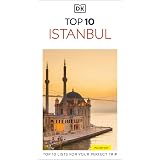
DK Top 10 Istanbul: Top 10 lists for your perfect trip, plus an all-weather folded map (Pocket Travel Guide)
(as of 13/11/2026 03:20 GMT +03:00 - More infoProduct prices and availability are accurate as of the date/time indicated and are subject to change. Any price and availability information displayed on [relevant Amazon Site(s), as applicable] at the time of purchase will apply to the purchase of this product.)
Istanbul & Northwest Turkey Travel Reference Map WP
(as of 13/11/2026 03:20 GMT +03:00 - More infoProduct prices and availability are accurate as of the date/time indicated and are subject to change. Any price and availability information displayed on [relevant Amazon Site(s), as applicable] at the time of purchase will apply to the purchase of this product.)
After Happy Ever After: He thinks it's a normal holiday to Istanbul, she has other plans. (Adam's Adventures Book 4)
$5.99 (as of 13/11/2026 03:20 GMT +03:00 - More infoProduct prices and availability are accurate as of the date/time indicated and are subject to change. Any price and availability information displayed on [relevant Amazon Site(s), as applicable] at the time of purchase will apply to the purchase of this product.)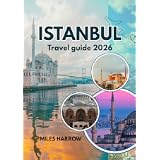
ISTANBUL Travel Guide 2026: Where Two Continents Meet: The Complete Insider's Guide to Exploring the World's Most Captivating City
$3.00 (as of 13/11/2026 03:20 GMT +03:00 - More infoProduct prices and availability are accurate as of the date/time indicated and are subject to change. Any price and availability information displayed on [relevant Amazon Site(s), as applicable] at the time of purchase will apply to the purchase of this product.)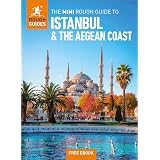
The Mini Rough Guide to Istanbul and the Aegean Coast: Travel Guide with eBook
(as of 13/11/2026 03:20 GMT +03:00 - More infoProduct prices and availability are accurate as of the date/time indicated and are subject to change. Any price and availability information displayed on [relevant Amazon Site(s), as applicable] at the time of purchase will apply to the purchase of this product.)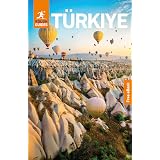
Rough Guides Turkiye: Travel Guide with eBook: 2026-2027 | Insider Tips | Must-See Sights | Maps & Itineraries | Covers: Istanbul, Cappadocia, the Turquoise Coast and more
(as of 13/11/2026 03:20 GMT +03:00 - More infoProduct prices and availability are accurate as of the date/time indicated and are subject to change. Any price and availability information displayed on [relevant Amazon Site(s), as applicable] at the time of purchase will apply to the purchase of this product.)
Istanbul For First Timers: A Local's Travel Guide To Turkiye's Hidden Gems and Culture
$4.99 (as of 13/11/2026 03:20 GMT +03:00 - More infoProduct prices and availability are accurate as of the date/time indicated and are subject to change. Any price and availability information displayed on [relevant Amazon Site(s), as applicable] at the time of purchase will apply to the purchase of this product.)
The Essential Travel Guide to Turkiye: Iconic Sights, Authentic Food and Smart Travel Tips From A Local (Istanbul, Cappadocia, Antalya and Beyond)
$17.99 (as of 13/11/2026 03:20 GMT +03:00 - More infoProduct prices and availability are accurate as of the date/time indicated and are subject to change. Any price and availability information displayed on [relevant Amazon Site(s), as applicable] at the time of purchase will apply to the purchase of this product.)
Istanbul Travel Guide 2026: A First-Timer’s Guide to the Streets, Food, History and Hidden Neighbourhoods of the City Where Europe Meets Asia
$7.99 (as of 13/11/2026 03:20 GMT +03:00 - More infoProduct prices and availability are accurate as of the date/time indicated and are subject to change. Any price and availability information displayed on [relevant Amazon Site(s), as applicable] at the time of purchase will apply to the purchase of this product.)
Istanbul In Pictures: A Stunning Travel Photography Book Featuring the Most Beautiful Attractions, Iconic Landmarks, and Top Places to Explore (Full Color)
$24.99 (as of 13/11/2026 03:20 GMT +03:00 - More infoProduct prices and availability are accurate as of the date/time indicated and are subject to change. Any price and availability information displayed on [relevant Amazon Site(s), as applicable] at the time of purchase will apply to the purchase of this product.)
The Essential Travel Guide to Turkiye: Iconic Sights, Authentic Food and Smart Travel Tips From A Local (Istanbul, Cappadocia, Antalya and Beyond)
$17.99 (as of 13/11/2026 03:19 GMT +03:00 - More infoProduct prices and availability are accurate as of the date/time indicated and are subject to change. Any price and availability information displayed on [relevant Amazon Site(s), as applicable] at the time of purchase will apply to the purchase of this product.)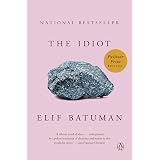
The Idiot: A Novel
(as of 13/11/2026 03:19 GMT +03:00 - More infoProduct prices and availability are accurate as of the date/time indicated and are subject to change. Any price and availability information displayed on [relevant Amazon Site(s), as applicable] at the time of purchase will apply to the purchase of this product.)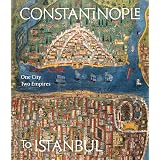
Constantinople to Istanbul: One City, Two Empires.
$54.99 (as of 13/11/2026 03:19 GMT +03:00 - More infoProduct prices and availability are accurate as of the date/time indicated and are subject to change. Any price and availability information displayed on [relevant Amazon Site(s), as applicable] at the time of purchase will apply to the purchase of this product.)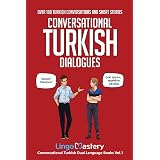
Conversational Turkish Dialogues: Over 100 Turkish Conversations and Short Stories (Conversational Turkish Dual Language Books)
$11.99 (as of 13/11/2026 03:19 GMT +03:00 - More infoProduct prices and availability are accurate as of the date/time indicated and are subject to change. Any price and availability information displayed on [relevant Amazon Site(s), as applicable] at the time of purchase will apply to the purchase of this product.)
Istanbul: Memories and the City (Vintage International)
$11.94 (as of 13/11/2026 03:19 GMT +03:00 - More infoProduct prices and availability are accurate as of the date/time indicated and are subject to change. Any price and availability information displayed on [relevant Amazon Site(s), as applicable] at the time of purchase will apply to the purchase of this product.)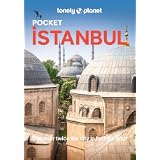
Lonely Planet Pocket Istanbul (Pocket Guide)
$13.27 (as of 13/11/2026 03:19 GMT +03:00 - More infoProduct prices and availability are accurate as of the date/time indicated and are subject to change. Any price and availability information displayed on [relevant Amazon Site(s), as applicable] at the time of purchase will apply to the purchase of this product.)
Istanbul: City of Majesty at the Crossroads of the World
(as of 13/11/2026 03:19 GMT +03:00 - More infoProduct prices and availability are accurate as of the date/time indicated and are subject to change. Any price and availability information displayed on [relevant Amazon Site(s), as applicable] at the time of purchase will apply to the purchase of this product.)
Great Escapes Mediterranean. The Hotel Book
$55.92 (as of 13/11/2026 03:19 GMT +03:00 - More infoProduct prices and availability are accurate as of the date/time indicated and are subject to change. Any price and availability information displayed on [relevant Amazon Site(s), as applicable] at the time of purchase will apply to the purchase of this product.)
What's So Special About Istanbul?: A Solva Publishing Travel Guide (A Solva Publishing Travel Guide Series)
$11.86 (as of 13/11/2026 03:19 GMT +03:00 - More infoProduct prices and availability are accurate as of the date/time indicated and are subject to change. Any price and availability information displayed on [relevant Amazon Site(s), as applicable] at the time of purchase will apply to the purchase of this product.)