BOOKS
Thrace & the Thracians
by Alexander Fol and Ivan Marazov | Jan 1, 1977
A Companion to Ancient Thrace (Blackwell Companions to the Ancient World)
by Julia Valeva, Emil Nankov, et al. | Jan 29, 2020
Thrace: The History of the Ancient World’s Link Between East and West Paperback – January 7, 2015
by Kosta Kafarakis (Author)
With the Turks in Thrace
by Ellis Ashmead-Bartlett | Jun 4, 2011
Rick Steves Mediterranean Cruise Ports (Rick Steves Travel Guide)
(as of 13/11/2026 03:20 GMT +03:00 - More infoProduct prices and availability are accurate as of the date/time indicated and are subject to change. Any price and availability information displayed on [relevant Amazon Site(s), as applicable] at the time of purchase will apply to the purchase of this product.)
ISTANBUL Travel Guide 2026: Where Two Continents Meet: The Complete Insider's Guide to Exploring the World's Most Captivating City
$3.00 (as of 13/11/2026 03:20 GMT +03:00 - More infoProduct prices and availability are accurate as of the date/time indicated and are subject to change. Any price and availability information displayed on [relevant Amazon Site(s), as applicable] at the time of purchase will apply to the purchase of this product.)
Istanbul & Northwest Turkey Travel Reference Map WP
(as of 13/11/2026 03:20 GMT +03:00 - More infoProduct prices and availability are accurate as of the date/time indicated and are subject to change. Any price and availability information displayed on [relevant Amazon Site(s), as applicable] at the time of purchase will apply to the purchase of this product.)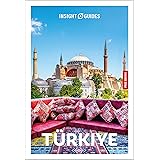
Insight Guides Turkiye: Travel Guide with eBook: 2026-2027 | Culture & Society | Must-See Sights | Stunning Photos | Expert Advice | Covers: Istanbul, Cappadocia, Ephesus and more
(as of 13/11/2026 03:20 GMT +03:00 - More infoProduct prices and availability are accurate as of the date/time indicated and are subject to change. Any price and availability information displayed on [relevant Amazon Site(s), as applicable] at the time of purchase will apply to the purchase of this product.)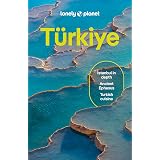
Lonely Planet Turkiye: Plan the Trip of a Lifetime | Detailed Itineraries & Maps | Insider Tips | Covers Istanbul, Troy, Izmir and more (Travel Guide)
(as of 13/11/2026 03:20 GMT +03:00 - More infoProduct prices and availability are accurate as of the date/time indicated and are subject to change. Any price and availability information displayed on [relevant Amazon Site(s), as applicable] at the time of purchase will apply to the purchase of this product.)
After Happy Ever After: He thinks it's a normal holiday to Istanbul, she has other plans. (Adam's Adventures Book 4)
$5.99 (as of 13/11/2026 03:20 GMT +03:00 - More infoProduct prices and availability are accurate as of the date/time indicated and are subject to change. Any price and availability information displayed on [relevant Amazon Site(s), as applicable] at the time of purchase will apply to the purchase of this product.)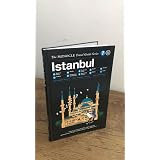
Istanbul: The Monocle Travel Guide Series
(as of 13/11/2026 03:20 GMT +03:00 - More infoProduct prices and availability are accurate as of the date/time indicated and are subject to change. Any price and availability information displayed on [relevant Amazon Site(s), as applicable] at the time of purchase will apply to the purchase of this product.)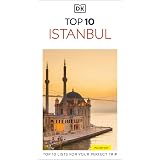
DK Top 10 Istanbul: Top 10 lists for your perfect trip, plus an all-weather folded map (Pocket Travel Guide)
(as of 13/11/2026 03:20 GMT +03:00 - More infoProduct prices and availability are accurate as of the date/time indicated and are subject to change. Any price and availability information displayed on [relevant Amazon Site(s), as applicable] at the time of purchase will apply to the purchase of this product.)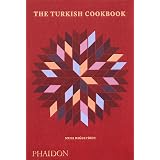
The Turkish Cookbook
$54.95 (as of 13/11/2026 03:20 GMT +03:00 - More infoProduct prices and availability are accurate as of the date/time indicated and are subject to change. Any price and availability information displayed on [relevant Amazon Site(s), as applicable] at the time of purchase will apply to the purchase of this product.)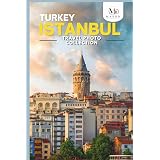
Istanbul, Turkey Travel Photo Collection: A Coffee Table Photo Book of the Most Beautiful Attractions and Places to Explore (Full-Color)
$24.99 (as of 13/11/2026 03:20 GMT +03:00 - More infoProduct prices and availability are accurate as of the date/time indicated and are subject to change. Any price and availability information displayed on [relevant Amazon Site(s), as applicable] at the time of purchase will apply to the purchase of this product.)
The Christian Traveler's Guide to the Holy Land
$18.63 (as of 13/11/2026 03:19 GMT +03:00 - More infoProduct prices and availability are accurate as of the date/time indicated and are subject to change. Any price and availability information displayed on [relevant Amazon Site(s), as applicable] at the time of purchase will apply to the purchase of this product.)
The Idiot: A Novel
(as of 13/11/2026 03:19 GMT +03:00 - More infoProduct prices and availability are accurate as of the date/time indicated and are subject to change. Any price and availability information displayed on [relevant Amazon Site(s), as applicable] at the time of purchase will apply to the purchase of this product.)
Conversational Turkish Dialogues: Over 100 Turkish Conversations and Short Stories (Conversational Turkish Dual Language Books)
$11.99 (as of 13/11/2026 03:19 GMT +03:00 - More infoProduct prices and availability are accurate as of the date/time indicated and are subject to change. Any price and availability information displayed on [relevant Amazon Site(s), as applicable] at the time of purchase will apply to the purchase of this product.)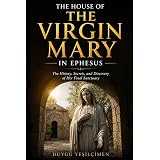
The House of the Virgin Mary in Ephesus: Exploring the History, Faith, Archaeology, and Mysteries of Mary's Final Home Near Ancient Ephesus in Turkey (Ancient History Collection)
$12.99 (as of 13/11/2026 03:19 GMT +03:00 - More infoProduct prices and availability are accurate as of the date/time indicated and are subject to change. Any price and availability information displayed on [relevant Amazon Site(s), as applicable] at the time of purchase will apply to the purchase of this product.)
The Turkish Cookbook
$54.95 (as of 13/11/2026 03:19 GMT +03:00 - More infoProduct prices and availability are accurate as of the date/time indicated and are subject to change. Any price and availability information displayed on [relevant Amazon Site(s), as applicable] at the time of purchase will apply to the purchase of this product.)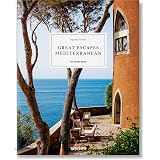
Great Escapes Mediterranean. The Hotel Book
$55.92 (as of 13/11/2026 03:19 GMT +03:00 - More infoProduct prices and availability are accurate as of the date/time indicated and are subject to change. Any price and availability information displayed on [relevant Amazon Site(s), as applicable] at the time of purchase will apply to the purchase of this product.)
Istanbul: The Monocle Travel Guide Series
(as of 13/11/2026 03:19 GMT +03:00 - More infoProduct prices and availability are accurate as of the date/time indicated and are subject to change. Any price and availability information displayed on [relevant Amazon Site(s), as applicable] at the time of purchase will apply to the purchase of this product.)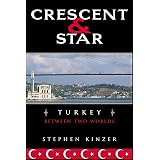
Crescent & Star: Turkey Between Two Worlds
$3.99 (as of 13/11/2026 03:19 GMT +03:00 - More infoProduct prices and availability are accurate as of the date/time indicated and are subject to change. Any price and availability information displayed on [relevant Amazon Site(s), as applicable] at the time of purchase will apply to the purchase of this product.)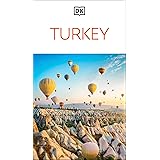
DK Turkey: Must-See Sights. Culture & History. Detailed Maps & Tours. Covers Istanbul, Cappadocia, Antalya, Bodrum, & more (Travel Guide)
(as of 13/11/2026 03:19 GMT +03:00 - More infoProduct prices and availability are accurate as of the date/time indicated and are subject to change. Any price and availability information displayed on [relevant Amazon Site(s), as applicable] at the time of purchase will apply to the purchase of this product.)