BOOKS
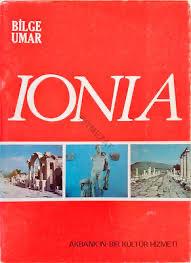
Ionia: A Quest (Tauris Parke Paperbacks)
by Freya Stark | May 25, 2010
Metropolis: A Mother Goddess City in Ionia y Serdar Aybek, Ayg|n Ekin Meric and Ali Kazum Öz (Homer Archaeological Guides)
by Serdar Aybek, Ayg|n Ekin Meric, et al. | Dec 31, 2009
Ionia A Quest
by Freya Stark | Aug 24, 2017
Miletos, the Ornament of Ionia: A History of the City to 400 B.C.E.
by Vanessa B Gorman | Mar 5, 2020
The Land of Ionia: Society and Economy in the Archaic Period
by Alan M. Greaves | Apr 22, 2015
The Ionia Sanction (An Athenian Mystery) Paperback – March 19, 2013
by Gary Corby (Author)

Notes on a Foreign Country: An American Abroad in a Post-American World
$9.87 (as of 15/08/2026 02:11 GMT +03:00 - More infoProduct prices and availability are accurate as of the date/time indicated and are subject to change. Any price and availability information displayed on [relevant Amazon Site(s), as applicable] at the time of purchase will apply to the purchase of this product.)
Rick Steves Mediterranean Cruise Ports (Rick Steves Travel Guide)
$19.10 (as of 15/08/2026 02:11 GMT +03:00 - More infoProduct prices and availability are accurate as of the date/time indicated and are subject to change. Any price and availability information displayed on [relevant Amazon Site(s), as applicable] at the time of purchase will apply to the purchase of this product.)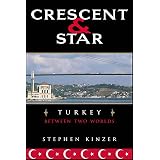
Crescent & Star: Turkey Between Two Worlds
$2.99 (as of 15/08/2026 02:11 GMT +03:00 - More infoProduct prices and availability are accurate as of the date/time indicated and are subject to change. Any price and availability information displayed on [relevant Amazon Site(s), as applicable] at the time of purchase will apply to the purchase of this product.)
Lonely Planet Turkiye: Plan the Trip of a Lifetime | Detailed Itineraries & Maps | Insider Tips | Covers Istanbul, Troy, Izmir and more (Travel Guide)
$14.49 (as of 15/08/2026 02:11 GMT +03:00 - More infoProduct prices and availability are accurate as of the date/time indicated and are subject to change. Any price and availability information displayed on [relevant Amazon Site(s), as applicable] at the time of purchase will apply to the purchase of this product.)
Istanbul & Northwest Turkey Travel Reference Map WP
$10.95 (as of 15/08/2026 02:11 GMT +03:00 - More infoProduct prices and availability are accurate as of the date/time indicated and are subject to change. Any price and availability information displayed on [relevant Amazon Site(s), as applicable] at the time of purchase will apply to the purchase of this product.)
The Mini Rough Guide to Istanbul and the Aegean Coast: Travel Guide with eBook
$6.47 (as of 15/08/2026 02:11 GMT +03:00 - More infoProduct prices and availability are accurate as of the date/time indicated and are subject to change. Any price and availability information displayed on [relevant Amazon Site(s), as applicable] at the time of purchase will apply to the purchase of this product.)
Istanbul: The Imperial City
$12.99 (as of 15/08/2026 02:11 GMT +03:00 - More infoProduct prices and availability are accurate as of the date/time indicated and are subject to change. Any price and availability information displayed on [relevant Amazon Site(s), as applicable] at the time of purchase will apply to the purchase of this product.)
Insight Guides Turkiye: Travel Guide with eBook: 2026-2027 | Culture & Society | Must-See Sights | Stunning Photos | Expert Advice | Covers: Istanbul, Cappadocia, Ephesus and more
$20.06 (as of 15/08/2026 02:11 GMT +03:00 - More infoProduct prices and availability are accurate as of the date/time indicated and are subject to change. Any price and availability information displayed on [relevant Amazon Site(s), as applicable] at the time of purchase will apply to the purchase of this product.)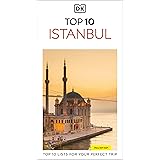
DK Top 10 Istanbul: Top 10 lists for your perfect trip, plus an all-weather folded map (Pocket Travel Guide)
$7.31 (as of 15/08/2026 02:11 GMT +03:00 - More infoProduct prices and availability are accurate as of the date/time indicated and are subject to change. Any price and availability information displayed on [relevant Amazon Site(s), as applicable] at the time of purchase will apply to the purchase of this product.)
After Happy Ever After: He thinks it's a normal holiday to Istanbul, she has other plans. (Adam's Adventures Book 4)
$5.99 (as of 15/08/2026 02:11 GMT +03:00 - More infoProduct prices and availability are accurate as of the date/time indicated and are subject to change. Any price and availability information displayed on [relevant Amazon Site(s), as applicable] at the time of purchase will apply to the purchase of this product.)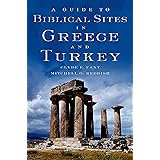
A Guide to Biblical Sites in Greece and Turkey
$11.08 (as of 15/08/2026 01:54 GMT +03:00 - More infoProduct prices and availability are accurate as of the date/time indicated and are subject to change. Any price and availability information displayed on [relevant Amazon Site(s), as applicable] at the time of purchase will apply to the purchase of this product.)
Türkiye (Turkey) Map (National Geographic Adventure Map, 3018)
$7.22 (as of 15/08/2026 01:54 GMT +03:00 - More infoProduct prices and availability are accurate as of the date/time indicated and are subject to change. Any price and availability information displayed on [relevant Amazon Site(s), as applicable] at the time of purchase will apply to the purchase of this product.)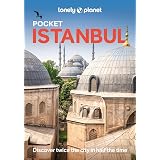
Lonely Planet Pocket Istanbul: Discover Twice the City in Half the Time | Top Sights | Maps & Walking Tours | Covers Sultanahmet & Sirkeci, Bazaar ... & Western Districts and more (Pocket Guide)
$12.48 (as of 15/08/2026 01:54 GMT +03:00 - More infoProduct prices and availability are accurate as of the date/time indicated and are subject to change. Any price and availability information displayed on [relevant Amazon Site(s), as applicable] at the time of purchase will apply to the purchase of this product.)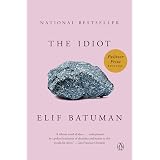
The Idiot: A Novel
$8.94 (as of 15/08/2026 01:54 GMT +03:00 - More infoProduct prices and availability are accurate as of the date/time indicated and are subject to change. Any price and availability information displayed on [relevant Amazon Site(s), as applicable] at the time of purchase will apply to the purchase of this product.)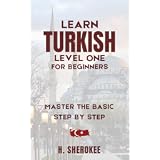
Learn Turkish language self-study (level one for beginners) : Learn to read, write, speak and understand Turkish by yourself, even if you are a beginner ... (Mastering Turkish: Step by Step) Book 1)
$5.99 (as of 15/08/2026 01:54 GMT +03:00 - More infoProduct prices and availability are accurate as of the date/time indicated and are subject to change. Any price and availability information displayed on [relevant Amazon Site(s), as applicable] at the time of purchase will apply to the purchase of this product.)
Lonely Planet Turkiye: Plan the Trip of a Lifetime | Detailed Itineraries & Maps | Insider Tips | Covers Istanbul, Troy, Izmir and more (Travel Guide)
$14.49 (as of 15/08/2026 01:54 GMT +03:00 - More infoProduct prices and availability are accurate as of the date/time indicated and are subject to change. Any price and availability information displayed on [relevant Amazon Site(s), as applicable] at the time of purchase will apply to the purchase of this product.)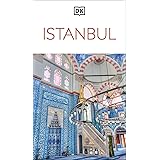
DK Istanbul: Must-See Sights. Culture & History. Detailed Maps & Tours. Covers Sultanahmet, Beyoglu, & more (Travel Guide)
$18.41 (as of 15/08/2026 01:54 GMT +03:00 - More infoProduct prices and availability are accurate as of the date/time indicated and are subject to change. Any price and availability information displayed on [relevant Amazon Site(s), as applicable] at the time of purchase will apply to the purchase of this product.)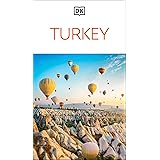
DK Turkey: Must-See Sights. Culture & History. Detailed Maps & Tours. Covers Istanbul, Cappadocia, Antalya, Bod (Travel Guide)
$20.33 (as of 15/08/2026 01:54 GMT +03:00 - More infoProduct prices and availability are accurate as of the date/time indicated and are subject to change. Any price and availability information displayed on [relevant Amazon Site(s), as applicable] at the time of purchase will apply to the purchase of this product.)
Shadow of the Silk Road: A 7,000-Mile Journey Through Central Asia―Trade, Religions, and Ideas from China to Turkey (P.S.)
$1.85 (as of 15/08/2026 01:54 GMT +03:00 - More infoProduct prices and availability are accurate as of the date/time indicated and are subject to change. Any price and availability information displayed on [relevant Amazon Site(s), as applicable] at the time of purchase will apply to the purchase of this product.)