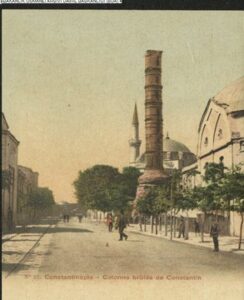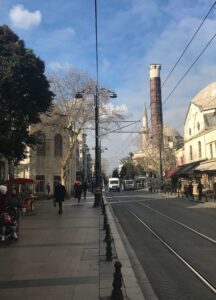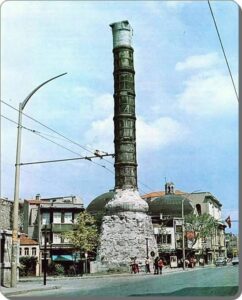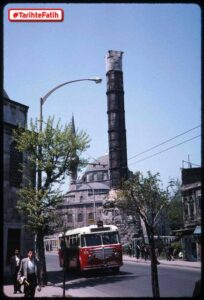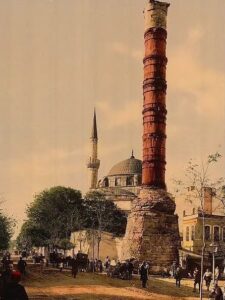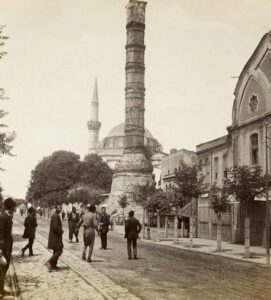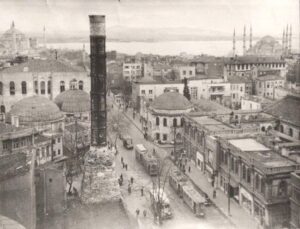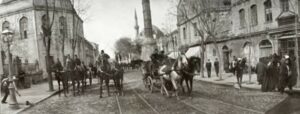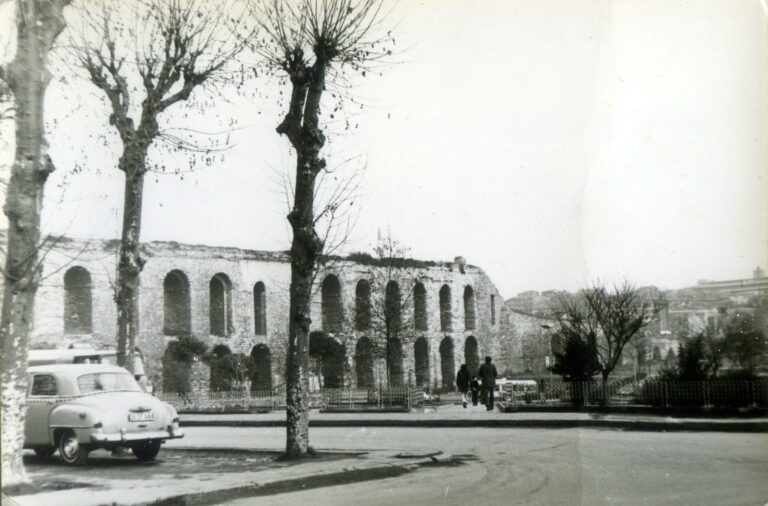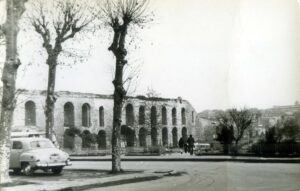
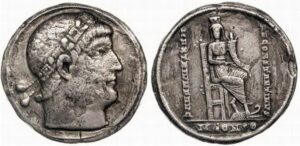
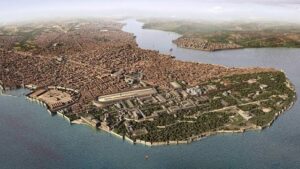
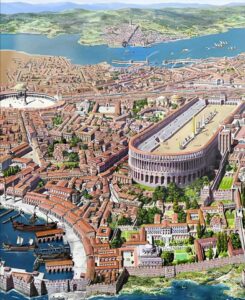
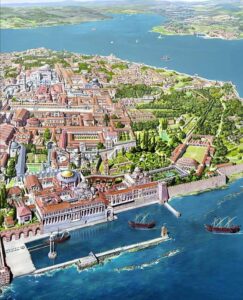
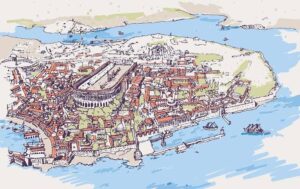
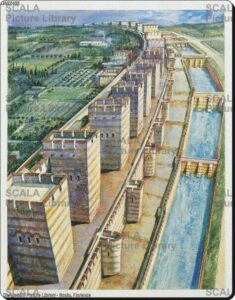
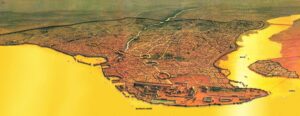
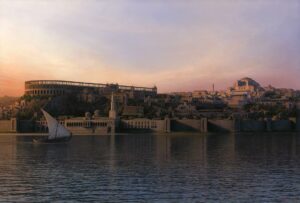
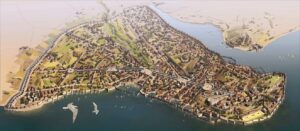
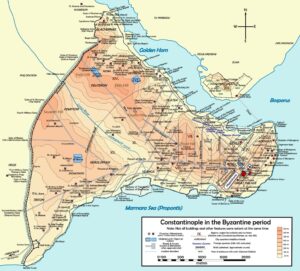
Istanbul was founded by Constantine the Great on May 11, 330, and was conquered by Fatih Sultan Mehmet on May 29, 1453, exactly 1123 years later.
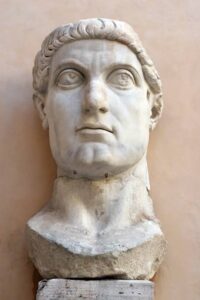
Exactly 1689 years ago today, on May 11, 330, the Roman emperor Constantine the Great declared this city the capital of the unified Roman empire.
1692 years ago today, on May 11, 330, Constantine the Great rebuilt and declared Istanbul as the capital of the Great Roman Empire. The city became the capital for 1593 years.
Today is the day Emperor Constantine founded the new capital, Nova Roma. On May 11, 330, Constantine I declares Byzantion the new capital of the Roman Empire.
On May 11, 330, the city we live in was declared the capital of the Roman empire. The city, which was blessed with the name of Nea Roma, took the name of Constantinople in time. During the Ottoman period, it was referred to as kostantiniyye in most of the official correspondence.
Long live Istanbul, the apple of the world’s eye for 1700 years
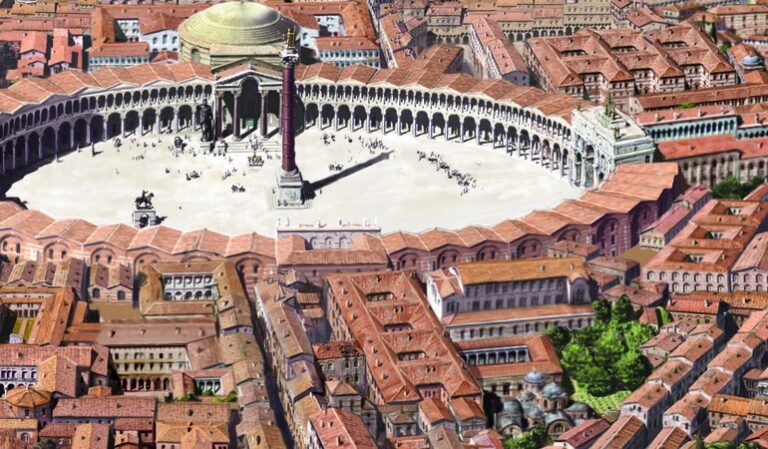
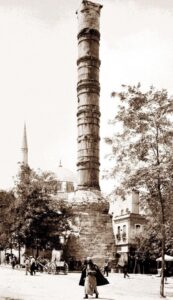
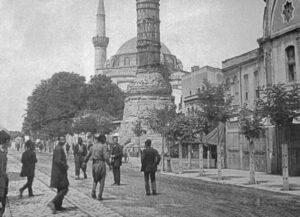
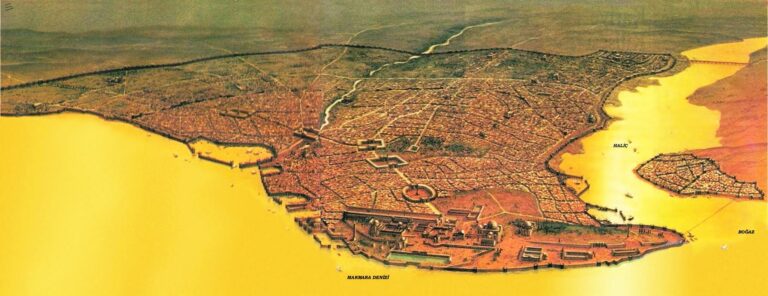
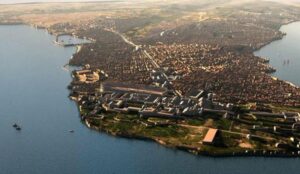
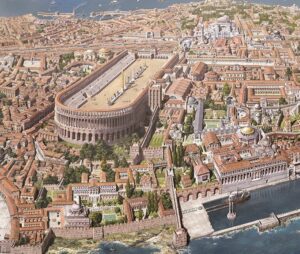
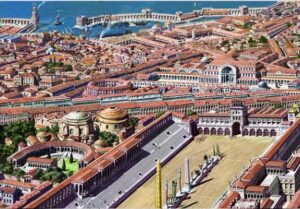
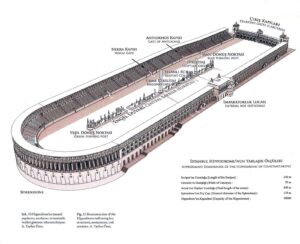
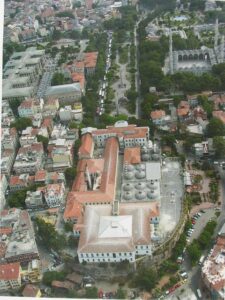
Istanbul was made the capital city by Emperor Constantine, today under the name of Nova Roma (New Rome). May 11, 330. Previously it was called Byzantium. When the emperor died in 337, the name of the city was changed to Constantinople, that is, the city of Constantine. When it became the capital, many monumental buildings were built. One of them is the hippodrome. Today, the section that makes the u in the 39th neck is still standing, and when you look from above, you can see the plan of the hippodrome.
Byzantium, a small town close to the Golden Horn, was declared the capital city by Emperor Constantine on May 11, 330, and was rebuilt. Within 10 years, 3500 villas were built in the city besides churches, temples and official buildings. Constantine is also the founder of a form of government called Caesaropapism.
May 11, 330: Emperor Constantine declares Byzantium, which was an insignificant Roman city, the new capital city with the name “Constantinople” in order to intervene more easily in the military problems of the period. The founding date of the New Roman Empire is also the founding date of Istanbul, where we live.
11 May 330 | Istanbul was declared the new capital of the Roman Empire by Emperor Constantine under the name of Nova Roma (New Rome).
“The emperor spent enough money on the city to almost bankrupt the imperial treasury.” -Excerpta Valesiana.
Today is the anniversary of the official establishment of Istanbul. It was officially founded by Emperor Constantine on 11 May 330, on the historical city of Byzantion, as the new capital, inspired by Rome. Although it was known as Constantinopolis, its official name was Nova Roma. It was always beautiful.
Today is May 11th..M.S. On this very day in 330, Constantine the Great moved the imperial capital from Rome to Istanbul.
On May 11, 330 AD, Constantinople, that is, Istanbul became the capital.
Because of foreign policy and endless wars, the Roman Emperors considered it appropriate to establish a city in the area where they could control the area they were responsible for and rule from there.
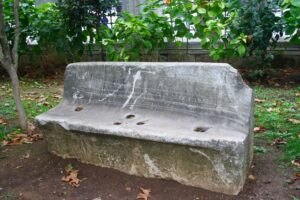
In the courtyard of the Blue Mosque, this chair, carved from a single piece of stone, which most people do not realize, was a part of the Hippodrome, which was the most magnificent structure of Istanbul at the time. He still continues to watch the square today as a witness of what has happened in the Horse Square for 1800 years.
May 11, 330: Constantine I declared Istanbul as the new capital of the Roman Empire. Named Nova Roma, Istanbul turned into a construction site for 7 years and was completely reconstructed. From 337 onwards, Istanbul began to be called Constantinople.
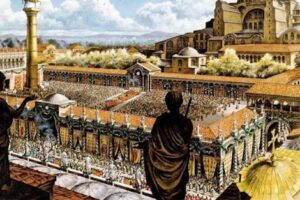
The exciting HIPODROME SQUARE of Rome and Byzantium, where aristocrats, slaves, military leaders and about 80,000 people gathered on May 11, 330, where horse races were held, and the Ottomans witnessed circumcision weddings and feasts, SULTAN AHMET SQUARE
In 1123 years and 18 days from May 11, 330 to May 29, 1453, nearly a hundred Eastern Roman emperors were enthroned in Istanbul. Some of them were women, that is, empresses…
The city of Constantinople was opened in a planned corporate sense with ribbons and redbud trees.
https://twitter.com/search?q=11%20may%C4%B1s%20330&src=typed_query&f=top
https://ozhanozturk.com/2017/09/02/konstantinopolisin-kurulusu-11-mayis-330/
https://twitter.com/sehredogru_/status/1524343415076438017
İstanbul (Constantinople) 11 Mayıs 330’da Roma İmparatorluğu’nun başkenti ilan edilmişti. Videoda şehrin 1200 yılından görünümü yer alıyor pic.twitter.com/XEKLwcruy6
— Nezih Onur Kuru (@NOnurkuru) May 11, 2020
Crescent & Star: Turkey Between Two Worlds
$2.99 (as of 15/08/2026 02:11 GMT +03:00 - More infoProduct prices and availability are accurate as of the date/time indicated and are subject to change. Any price and availability information displayed on [relevant Amazon Site(s), as applicable] at the time of purchase will apply to the purchase of this product.)
Magic Bus: On the Hippie Trail from Istanbul to India
$7.69 (as of 15/08/2026 02:11 GMT +03:00 - More infoProduct prices and availability are accurate as of the date/time indicated and are subject to change. Any price and availability information displayed on [relevant Amazon Site(s), as applicable] at the time of purchase will apply to the purchase of this product.)
DK Top 10 Istanbul: Top 10 lists for your perfect trip, plus an all-weather folded map (Pocket Travel Guide)
$7.31 (as of 15/08/2026 02:11 GMT +03:00 - More infoProduct prices and availability are accurate as of the date/time indicated and are subject to change. Any price and availability information displayed on [relevant Amazon Site(s), as applicable] at the time of purchase will apply to the purchase of this product.)
Travel and leisure magazine istanbul: A Guide For First Time Travelers
$2.99 (as of 15/08/2026 02:11 GMT +03:00 - More infoProduct prices and availability are accurate as of the date/time indicated and are subject to change. Any price and availability information displayed on [relevant Amazon Site(s), as applicable] at the time of purchase will apply to the purchase of this product.)
Rick Steves Istanbul: With Ephesus & Cappadocia (Rick Steves Travel Guide)
$22.99 (as of 15/08/2026 02:11 GMT +03:00 - More infoProduct prices and availability are accurate as of the date/time indicated and are subject to change. Any price and availability information displayed on [relevant Amazon Site(s), as applicable] at the time of purchase will apply to the purchase of this product.)
Istanbul For First Timers: A Local's Travel Guide To Turkiye's Hidden Gems and Culture
$4.99 (as of 15/08/2026 02:11 GMT +03:00 - More infoProduct prices and availability are accurate as of the date/time indicated and are subject to change. Any price and availability information displayed on [relevant Amazon Site(s), as applicable] at the time of purchase will apply to the purchase of this product.)
Istanbul Travel Guide 2026: A First-Timer’s Guide to the Streets, Food, History and Hidden Neighbourhoods of the City Where Europe Meets Asia
$7.99 (as of 15/08/2026 02:11 GMT +03:00 - More infoProduct prices and availability are accurate as of the date/time indicated and are subject to change. Any price and availability information displayed on [relevant Amazon Site(s), as applicable] at the time of purchase will apply to the purchase of this product.)
Istanbul: The Imperial City
$12.99 (as of 15/08/2026 02:11 GMT +03:00 - More infoProduct prices and availability are accurate as of the date/time indicated and are subject to change. Any price and availability information displayed on [relevant Amazon Site(s), as applicable] at the time of purchase will apply to the purchase of this product.)
Black Sea: Dispatches and Recipes – Through Darkness and Light
$16.74 (as of 15/08/2026 02:11 GMT +03:00 - More infoProduct prices and availability are accurate as of the date/time indicated and are subject to change. Any price and availability information displayed on [relevant Amazon Site(s), as applicable] at the time of purchase will apply to the purchase of this product.)
Turkey Travel Guide 2026: Complete Companion for Istanbul, Cappadocia, Ephesus, and Antalya with Cultural Etiquette, Archaeological Sites, Budget Strategies, Transportation Options, and Turkish Exper
$7.99 (as of 15/08/2026 02:11 GMT +03:00 - More infoProduct prices and availability are accurate as of the date/time indicated and are subject to change. Any price and availability information displayed on [relevant Amazon Site(s), as applicable] at the time of purchase will apply to the purchase of this product.)
An Ottoman Traveller: Selections from the Book of Travels by Evliya Çelebi
$9.99 (as of 15/08/2026 01:54 GMT +03:00 - More infoProduct prices and availability are accurate as of the date/time indicated and are subject to change. Any price and availability information displayed on [relevant Amazon Site(s), as applicable] at the time of purchase will apply to the purchase of this product.)
High Albania
$0.99 (as of 15/08/2026 01:54 GMT +03:00 - More infoProduct prices and availability are accurate as of the date/time indicated and are subject to change. Any price and availability information displayed on [relevant Amazon Site(s), as applicable] at the time of purchase will apply to the purchase of this product.)
The Amazing Mrs. Pollifax (Mrs. Pollifax Series Book 2)
$5.99 (as of 15/08/2026 01:54 GMT +03:00 - More infoProduct prices and availability are accurate as of the date/time indicated and are subject to change. Any price and availability information displayed on [relevant Amazon Site(s), as applicable] at the time of purchase will apply to the purchase of this product.)
Shadow of the Silk Road: A 7,000-Mile Journey Through Central Asia―Trade, Religions, and Ideas from China to Turkey (P.S.)
$1.85 (as of 15/08/2026 01:54 GMT +03:00 - More infoProduct prices and availability are accurate as of the date/time indicated and are subject to change. Any price and availability information displayed on [relevant Amazon Site(s), as applicable] at the time of purchase will apply to the purchase of this product.)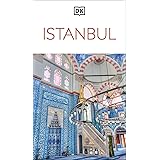
DK Istanbul: Must-See Sights. Culture & History. Detailed Maps & Tours. Covers Sultanahmet, Beyoglu, & more (Travel Guide)
$18.41 (as of 15/08/2026 01:54 GMT +03:00 - More infoProduct prices and availability are accurate as of the date/time indicated and are subject to change. Any price and availability information displayed on [relevant Amazon Site(s), as applicable] at the time of purchase will apply to the purchase of this product.)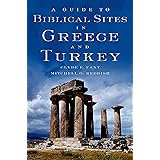
A Guide to Biblical Sites in Greece and Turkey
$11.08 (as of 15/08/2026 01:54 GMT +03:00 - More infoProduct prices and availability are accurate as of the date/time indicated and are subject to change. Any price and availability information displayed on [relevant Amazon Site(s), as applicable] at the time of purchase will apply to the purchase of this product.)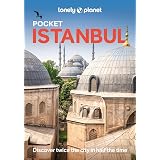
Lonely Planet Pocket Istanbul: Discover Twice the City in Half the Time | Top Sights | Maps & Walking Tours | Covers Sultanahmet & Sirkeci, Bazaar ... & Western Districts and more (Pocket Guide)
$12.48 (as of 15/08/2026 01:54 GMT +03:00 - More infoProduct prices and availability are accurate as of the date/time indicated and are subject to change. Any price and availability information displayed on [relevant Amazon Site(s), as applicable] at the time of purchase will apply to the purchase of this product.)
Istanbul: Memories and the City (Vintage International)
$13.28 (as of 15/08/2026 01:54 GMT +03:00 - More infoProduct prices and availability are accurate as of the date/time indicated and are subject to change. Any price and availability information displayed on [relevant Amazon Site(s), as applicable] at the time of purchase will apply to the purchase of this product.)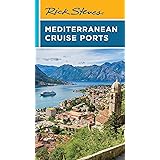
Rick Steves Mediterranean Cruise Ports (Rick Steves Travel Guide)
$19.10 (as of 15/08/2026 01:54 GMT +03:00 - More infoProduct prices and availability are accurate as of the date/time indicated and are subject to change. Any price and availability information displayed on [relevant Amazon Site(s), as applicable] at the time of purchase will apply to the purchase of this product.)