Home Blog Page 233

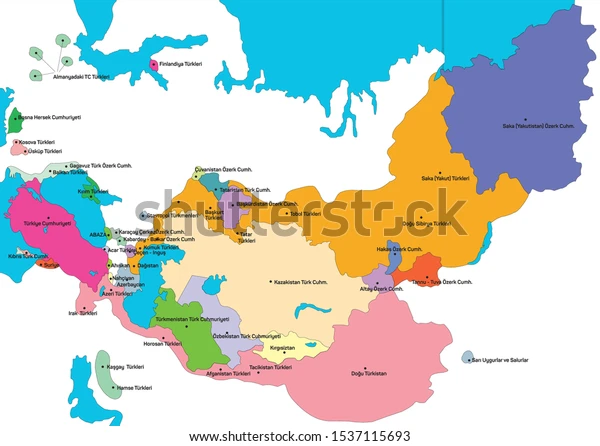
Turks all over the World


under STATES

*REPUBLIC OF TURKEY :*
(Anatolian Turks-Oghuz)
Population: 85 million
Capital: Ankara

*REPUBLIC OF AZERBAIJAN :*
(Azeris)
Population: 12,000,000
Capital: Baku

*REPUBLIC OF KAZAKHSTAN :*
(Kazaks)
Population: 17.400.000
Capital: Astana

*REPUBLIC OF TURKMENISTAN :*
(Turkmen)
Population: 6,000,000
Capital: Ashgabat

*REPUBLIC OF UZBEKISTAN :*
(Uzbeks)
Population: 31,000,000
Capital: Tashkent

*REPUBLIC OF KYRGYZSTAN :*
(Kyrgyz)
Population: 6.200.000
Capital: Bishkek

*TURKISH REPUBLIC OF NORTHERN CYPRUS*
(Cypriots)
Population: 300,000
Capital: Nicosia

?????

* AUTONOMOUS TURKISH REPUBLICS:*

*ALTAI REPUBLIC :*
(Altaic Turks)
Population: 300,000
Capital: Gorno-altaysk

*BASCORTISTAN :*
(Bashkirs)
Population: 5.300.000
Capital: Ufa

*REPUBLIC OF KABARDEY-BALKARIA*
(Balkars)
Population: 1.200.000
Capital: Nalchik

*REPUBLIC OF CHUVASHISTAN :*
(Chuvash)
Population: 1.800.000
Capital: Supaskar

*REPUBLIC OF DAGESTAN :*
Population: 3.500.000
Capital: Makhachkala

*EASTERN TURKISTAN :*

Kokbayars (Uyghur Turks-Turkmens)
Population: 30,000,000
Capital: Urumqi

*GAGAUZIA :*
Gagauz (gok-oguz)
Population: 200,000
Capital: Comrat

*HAKASYA :*

(Hakas)
Population: 600,000
Capital: Abakan

*KARACAY-CIRCASUS REPUBLIC:*
(Karachays-Circassians)
Population: 700,000
Capital: Cherkessk

*KARAKALPAKHISTAN :*
(Karakalpaks)
Population: 1.400.000
Capital: Nukus

*NAHCHIVAN :* (Azeris)
Population: 500,000
Capital: Nakhchivan

*TATARSTAN (Tatars) :*
Population: 4.500.000
Capital: Kazan

*REPUBLIC OF TUVA :*(Tuvas)
Population: 388,000
Capital: Kisil

*YAKUTISTAN :*
(Sibirs-Yakut Turks)
Population: 1.200.000
Capital: Yakutsk

*TURKISH MINORITIES:*

*SOUTH AZERBAIJAN TURKS :*
The Turkish community, which maintains its existence in Iran outside the Republic of Azerbaijan and forms the largest Azeri community with a population of 30,000,000.

*KASKHAYS:*
Turkish community existing in Iran. 2.500.000 Kashkay Turks live in Iran.

*NOGAYS:*
They live in the Russian Federation, Turkey, Romania and the Turkic Republics. Their total number is around 400,000.

*AHISKA TURKS :*
A community with a population of around 500,000 in Russia, Turkic Republics, Europe and the USA, apart from Turkey.

*BALKAN TURKS :*
Turks living in Greece, Bulgaria and the former Yugoslav states. It is around 1,000,000.

*IRAQ TURKMENS :*
It is the Turks who continue their existence in Iraq, especially in Mosul – Kirkuk. It is a population of around 3,500,000.

*KACHAYS :*
The Turkish tribe that left its mark on a period of Iran. Today, 25-30,000 Qajar Turks live in Iran.

*KARAY TURKS (KARAIM) :*
Turkish people who chose Judaism as their religious belief. Today, there are around 100,000 Karaite Turks in the world, especially in Russia and Israel.

*KIRIMCHAKS :*
Another Jewish Turkish tribe. They are related to the Karaims and live especially in the Crimea. Today, their number is around 10,000.

*KAMUKS :*
They are Kipchak Turks living in Russia – Caucasus – Dagestan. Their population is around 500,000.

*SALARS :*
The Turkish community, which continues to exist in China and whose number is around 200,000.

*DOLGANS :*
The Turkish community living in the northernmost part of Russia and having a kinship with the Siberian Turks, numbering 10,000.

*SHORS :*
Turkish community living in Siberia with a population of around 20,000 today.

*SYRIAN TURKS:*
Today, they are the Oghuz Turkmens, whose number reaches 3,700,000.

*UYGHURS :*
Turkish community living in China and numbering around 20,000.

*TEREKEMES :*
Today, the Kipchak community, mostly living in Russia and their number is around 1,000,000.

*HALACHS (KALACH) :*
The Turkish community living in Iran – Afghanistan and numbering 200,000.

*SHAHSEVENS :*
Azeri people, whose number reaches 300,000, living in Iran.

*NAYMANS :*
A community of 3,000,000 people living in Mongolia, Kazakhstan, Turkey and Russia.

*EUROPEAN TURKS :*

They are our blood relatives living in Europe, especially Germany. Their population is around 9.000.000.

Apart from these, there are many Turkish communities that maintain their own traditions and customs, although their populations are not significant. The names of some of these communities, generally living in the former Soviet geography;

Tofas – Yaka Turkmens – Afghanistan Turkmens – Ilu Turks – Aynallu Turks – Aymaks – Hamses – Stravopol Turkmens – Teleuts – Chulims – Barabas – Öngüts – Kızıls – Hoşbals – Biltirs – Kamasins – Chulims.

Today, the Turkish population living all over the world reaches 365.200.000, which makes the Turkish nation the third most populous ethnic group in the world after the Chinese and Indians.


Gallipoli 1915, March 18 Victory of Turks against WarLords

Beneath a Turkish Sky: The Royal Dublin Fusiliers and the Assault on Gallipoli
by Philip Lecane | Sep 1, 2015

The Gallipoli Campaign: The Turkish Perspective (Routledge Studies in First World War History)
Part of: Routledge Studies in First World War History (41 Books) | by Metin Gürcan and Robert Johnson | Oct 26, 2017

Finding Gallipoli: Battlefield Remembrance and the Movement of Australian and Turkish History (Cultural Sociology)
by Brad West | May 23, 2022

Defending Gallipoli: The Turkish Story
by Harvey Broadbent | May 18, 2015

Gallipoli: The Turkish Story
by Kevin Fewster, Vecihi Hürmüz Basarin, et al. | Sep 1, 2003

Farewell – A Turkish Officer’s Diary of the Gallipoli Campaign
by Ibrahim Naci, Recep Tayyip Erdogan ; Seyit Ahmet Silay, et al. | Jan 1, 2013

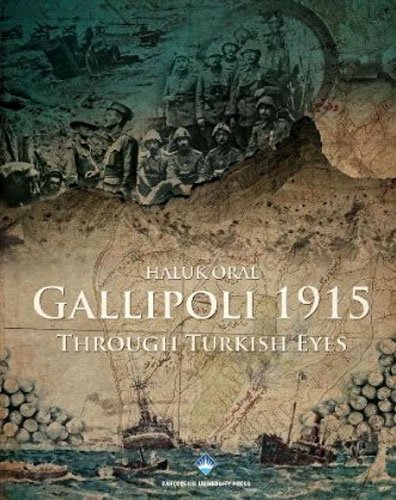
Gallipoli 1915 Through Turkish Eyes
Turkish Edition | by Haluk. Oral | Jan 1, 2012

The Turkish War Medal (WW1 Gallipoli War Medal) (Military History)
Turkish Edition | by Demir Erman and n/a | Jan 1, 2012

Maps of the Battleground of Gallipoli (Gelibolu) and the Dardanelles: A Turkish View
by Cevat Ülkekul, Osman Alp, et al. | Oct 11, 2017

A Turkish view of Gallipoli: Çanakkale
by Kevin Fewster | Jan 1, 1985

The Gallipoli Campaign of World War I: The History and Legacy of the Ottoman Empire’s Lone Victory during the Great War

Decisive Victories: Gallipoli, Sakarya, Dumlupinar Paperback – October 14, 2017
by S.E. Al-Djazairi (Author)

The Finest Hour : Articles- The Dardanelles and Gallipoli 90 Years On; Churchill in Turkey; Simpson and His Donkey; Chratwell Memories (2005 Journal) Journal – January 1, 2005
by Winston S. Churchill (Author), William C. Ives (Author), Sir Martin Gilbert (Author)

Gallipoli 1915: Frontal Assault on Turkey (Campaign) Paperback – January 24, 1991
by Philip Haythornthwaite (Author)

Victory at Gallipoli, 1915: The German-Ottoman Alliance in the First World War Kindle Edition
by Klaus Wolf (Author), Thomas P. Iredale (Translator)


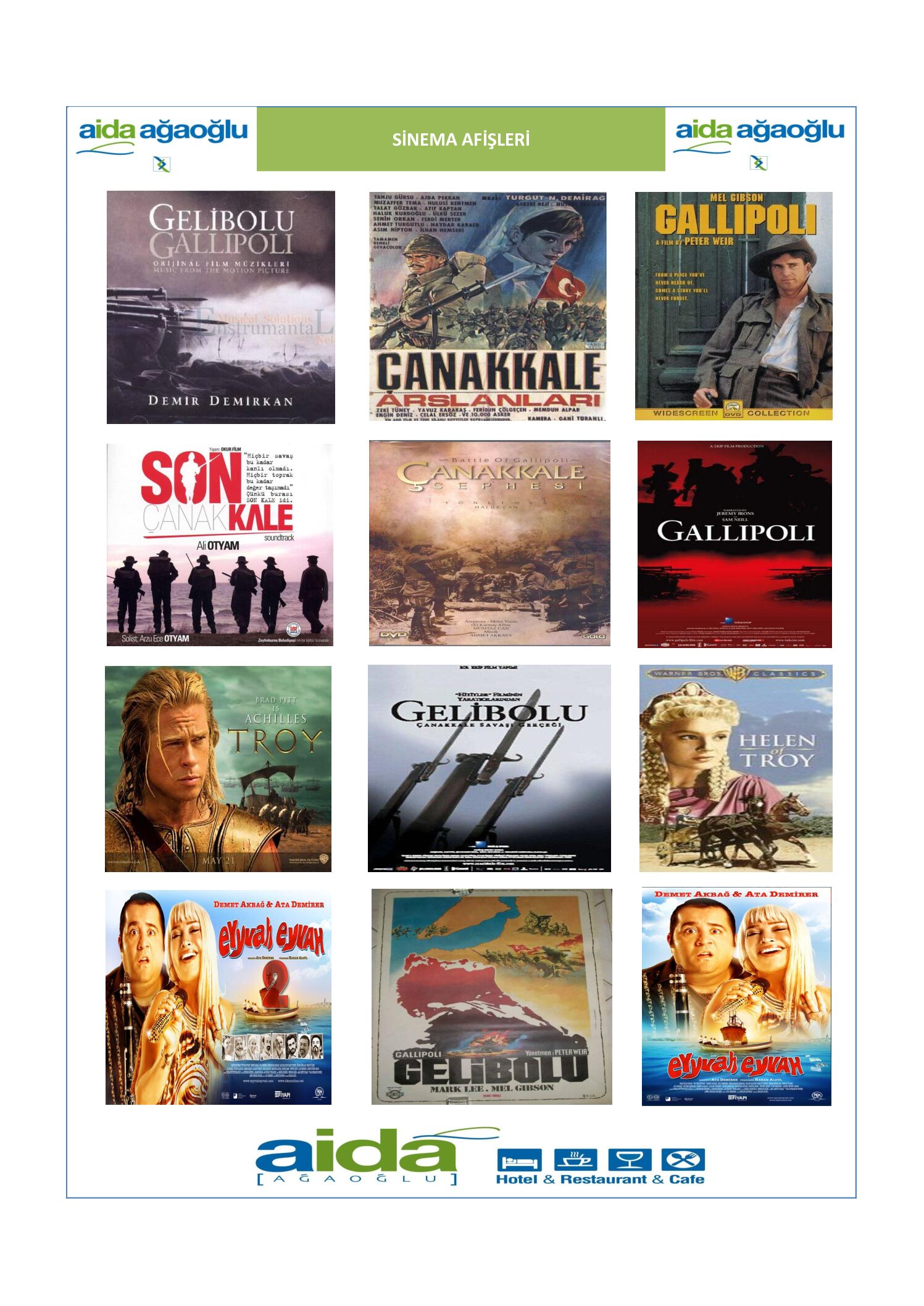
Films on Dardanelles, Gallipoli and Troy

Ukraine at BooksonTurkey

https://booksonturkey.com/?s=ukraine

Turcae by Pomponius Mela of Roman geographer and Plinius of Roman natural philosopher

Turcae by Pomponius Mela of Roman geographer and Plinius of Roman natural philosopher

Turkish States in Ukraine

Turkish States in Ukraine

Roxelana of Ukraine

Roxelana of Ukraine

Cultural Heritage Monuments of Turks in Ukraine

Cultural Heritage Monuments of Turks in Ukraine

Scythians in Ukraine 500 BC

Scythians in Ukraine 500 BC

Literature on Ukraine in Turkey National Library

Literature on Ukraine in Turkey National Library

Ukraine Issue of Karam Periodical from Turkey

Ukraine Issue of Karam Periodical from Turkey

Who are the Turks in Ukraine?

Who are the Turks in Ukraine?

Turkish Languages in Ukraine

Turkish Languages in Ukraine

Turks in Ukraine: States. Peoples. Religions

Turks in Ukraine: States. Peoples. Religions

Donbass, Eastern Ukraine in 19 November 2021. Interviews by Turkish Journalist Okay Deprem

Donbass, Eastern Ukraine in 19 November 2021. Interviews by Turkish Journalist Okay Deprem

Turkish Exonyms in Ukraine

Turkish Exonyms in Ukraine

Turks in Ukraine

Turks in Ukraine

Galician Ottoman-Turkish Martyrdom Cemetery, Ukraine

Galician Ottoman-Turkish Martyrdom Cemetery, Ukraine

Countries where non-Muslim Turks live in Europe

Countries where non-Muslim Turks live in Europe

“The name Hungarians gave themselves was Turkish” Prof Dr Osman Karatay

“The name Hungarians gave themselves was Turkish” Prof Dr Osman Karatay

“The Homeland of the Turks: The North of the Caspian Sea”

“The Homeland of the Turks: The North of the Caspian Sea”

Eastern Tourkia, Khazaria

Eastern Tourkia, Khazaria

Kyiv is a city founded by the Khazar Turks.

Kyiv is a city founded by the Khazar Turks.

Where is Yalta?

Where is Yalta?

Turkish Exonyms (Place Names) in 21 Countries of Eastern Europe

Turkish Exonyms (Place Names) in 21 Countries of Eastern Europe

Crimea: In the Footsteps of the Thirteenth Tribe

Crimea: In the Footsteps of the Thirteenth Tribe

Literature on Crimea in Turkey National Library

Literature on Crimea in Turkey National Library

Turkey and Crimea of Ukraine

Turkey and Crimea of Ukraine

Turks in Crimea

Turks in Crimea

Republic of Crimea: Nature. Culture and History Tour by North Travel

Republic of Crimea: Nature.Culture and History Tour by North Travel

Crimea: Karaite (Karaim) Canaan in Yevpatoriya

Crimea: Karaite (Karaim) Canaan in Yevpatoriya

Crimea: Capital of Modern Crimea: Simferopol

Crimea: Capital of Modern Crimea: Simferopol 

Crimea: Tatar Capital Bahçesaray and Mini Topkapi Palace: Hansaray

Crimea: Tatar Capital Bahçesaray and Mini Topkapi Palace: Hansaray

Where is Tauri of Herodotus?

Where is Tauri of Herodotus?

Crimean problem from history to present

Crimean problem from history to present

Crimean problem from history to present

Prof. Dr. Süleyman Kızıltoprak / Mimar Sinan Fine Arts University
6.03.2022  Facebook  twitter

Tsarina II. Saying “The best pearl in Russia’s crown is the Crimea”, Katerina established a naval base in the Ottoman port city of Akyar and named it Sevastopol. Thus, the territory began to become a symbol of the Russian Empire. During the Russian Tsarist period, the Crimean peninsula was more under the pressure of the Russification policy than any other part of Russia. Tatars, who were encouraged to leave the Crimea for different reasons during war and peacetime, continued to migrate to the Ottoman lands intensively. While this situation caused the demographics to change in favor of the Russians, it disrupted the economic structure of Crimea, especially agriculture and animal husbandry.

Located in the north of the Black Sea with an area of ​​26,140 square kilometers, Crimea is a peninsula integrated with the Azov Sea with its eastern borders. Historical cities such as Bahçesaray, Akmescit and Karasubazar were established in the river basins on the northern slopes of the mountains extending from the southwest to the northeast. The coastal part between Kefe and Akyar is highly developed.

In addition to maritime and trade, the relatively favorable climate attracted the peoples of Asia and the Mediterranean region. Cimmerians, Ancient Greeks, Scythians, Goths, Huns, Khazars, Kievan Rus, Byzantium, Bulgars, Kipchaks, Mongols, Golden Horde Tatars, Crimean Khanate, Ottomans and Russians kept the island under their sovereignty.  At the end of the XI.century, even after the Khazars left the area of ​​domination, there was a Turkish state called Khazarya, which included the Azov basin in Crimea.

Venice  and Genoese sovereignty was valid in some of the coastal cities of Crimea in XIII. and XIV. century. Meanwhile, during the reign of Alaeddin Keykubat (1220-1237), the most important commercial city of Crimea, Suğdak, was captured. When the Mongol army under the leadership of Batu Khan captured the Crimea in 1239, it was the Kipchaks, Bulgars, Bashkirs and Aslar who opposed it. After that, the Golden Horde domination began.

Ethnic Crimean identity strengthened during this time and Islam became widespread. Crimean Tatars as an ethnic group, They come from the mixture of Turkic peoples who settled in Crimea since VIII.th century.   Sultan Baybars Mosque was built in Solhat, in  19th century, one of the central cities of Crimea, as a sign of trade between the Mamluk State of Egypt and the Crimea. Later, works such as Özbek Han Mosque, Hacı Mehmed Mosque, Hacı Ömer Mosque were built. In addition, Tatar Khan Mosque, Cuma Mosque and Nureddin Sultan Mosque, which are attributed to Mimar Sinan, were built.

Sultan Baybars Mosque was built in Solhat, one of the central cities of Crimea, as a sign of trade between the Mamluk State of Egypt and the Crimea. Later, works such as Özbek Han Mosque, Hacı Mehmed Mosque, Hacı Ömer Mosque were built. In addition, Tatar Khan Mosque, Cuma Mosque and Nureddin Sultan Mosque, which are attributed to Mimar Sinan, were built. Sultan Baybars Mosque was built in Solhat, one of the central cities of Crimea, as a sign of trade between the Mamluk State of Egypt and the Crimea. Later, works such as Özbek Han Mosque, Hacı Mehmed Mosque, Hacı Ömer Mosque were built. In addition, Tatar Khan Mosque, Cuma Mosque and Nureddin Sultan Mosque, which are attributed to Mimar Sinan, were built.

To overcome the power vacuum created after Timur’s destruction of the Mongol Golden Horde army in 1395, the Crimean Tatars established the Crimean Khanate in 1441, led by Haji Giray Khan, a descendant of Genghis Khan. Through their trading towns on the Crimean coast, the Genoese posed serious threats to both the Ottomans and the Crimeans. In 1475, during the reign of Fatih, Gedik Ahmed Pasha took control of Kefe and other commercial towns on the coast.

From this period onwards, the Crimean Khanate accepted the sovereignty of the Ottomans in the Crimea. The close relations of the Crimean Tatars and the Ottoman Empire can be explained by two main factors: The first is geopolitical necessity, and the second is ethnic origin, language and religion, etc., which form a similar political view. are common features. Mengli Giray’ During the third reign of the Ottoman Empire (1478-1514), the relations between the Ottoman Empire and the Crimean Khanate became very important. So much so that when Yavuz Sultan Selim ascended the Ottoman throne in 1512, he received the military support of his father-in-law, Mengli Giray.

During the three centuries (1475-1774) when the Crimean Khanate was included in the Ottoman Empire, a common defense policy was followed against power centers such as Poland-Lithuania and Moscow, which were trying to land on the Black Sea coast. The Crimean Tatars made a serious contribution to the Ottoman Empire with the troops they sent during the military campaigns. As in the wars of the Ottomans with Austria and Iran, the Crimean forces provided great support to the Ottoman army in the campaigns of the northern wing of the state against the enemy attacks. On the other hand, one of the supply centers of grain, meat and dairy products that Istanbul needs is the Khanate of Crimea.

While the Ottomans lost power in Europe, Russia gained power. The expansion of Russia was against the Turks and Crimeans. While Russia, as the victorious state, signed the Treaty of Karlowitz with the Ottoman Empire in Istanbul in 1700, not paying tribute to the Crimean Khanate was one of the conditions of the agreement. In addition, Russia, which captured the Azov fortress, landed in the Black Sea. Besides, internal instability in Crimea weakened the Khanate. The loss of the 1768-1774 Ottoman-Russian war separated Crimea from Istanbul. As a matter of fact, in 1783, Russia invaded the peninsula and connected the Khans to Moscow.

The best pearl in the crown Crimea
Tsarina II. Saying “The best pearl in Russia’s crown is the Crimea”, Katerina established a naval base in the Ottoman port city of Akyar and named it Sevastopol. Thus, the territory began to become a symbol of the Russian Empire. The 1853-1856 Crimean War turned into a war between Russia and Europe with the diplomatic success of the Ottoman Empire. The war ostensibly broke out due to the uncompromising attitude of France, the protector of the Catholics, and Russia, which claimed to be the protector of the Orthodox, within the framework of the problems that arose in the places considered sacred by the Christian sects in Jerusalem.

When Russia could not get what they wanted from the Ottoman Empire, they declared war. France and England joined the war on the Ottoman side. However, the war was mismanaged by both sides, and in 1856, Russia’s Ottoman Empire. It ended with the signing of the Treaty of Paris, which demanded that he give back the lands he had taken. The agreement also eliminated the Russian naval and military presence in the Black Sea region for 20 years. Despite this, the presence of the Crimean Tatars in the peninsula continued to be seen as a threat.

During the Russian Tsarist period, the Crimean peninsula was more under the pressure of the Russification policy than any other part of Russia. Tatars, who were encouraged to leave the Crimea for different reasons during war and peacetime, continued to migrate to the Ottoman lands intensively. While this situation caused the demographics to change in favor of the Russians, it disrupted the economic structure of Crimea, especially agriculture and animal husbandry.

The impact of Crimea on the Turkish world

The reform policies implemented in Moscow at the end of the 19th century had positive reflections on the Crimea as well. When the Russians came to 1883, they largely dominated the geography of Turkestan. They put their plans to deploy their armies on Afghanistan, which is a part of Southern Turkestan. They needed sympathetic approaches in order to get rid of the unsavory adjectives attributed to them without entering into a struggle for dominance with the British in Afghan lands.

In this political environment, he paved the way for softening policies towards the Turks. In this process, Crimean intellectuals were also hopeful. In 1883, İsmail Bey Gaspıralı (1851-1914) started publishing the newspaper “Tercüman” in Bahçesaray. In its first copy, it invited Muslim Turks living in Russia to be open to innovations, modernization of Islam

The status of Crimea was heavily debated during the founding and dissolution of the USSR. In other words, when Tsarism collapsed and the USSR dissolved, there were three options for Crimea: independence of Crimea, autonomy of Crimea within a Ukrainian state, and joining Russia. The first chic was by no means accepted by Moscow and Kyiv. The second and third options were put on the agenda one after the other. Crimea was occupied by the Nazis from 1941 to 1944, and as in other German-occupied territories, a policy of provoking national division and ethnic conflicts was implemented. Crimean Tatars suffered greatly in this process. One totalitarian regime accused Tatars of treason and collaboration with another totalitarian regime.

Exile 1944

When Crimea came under Soviet control on May 12, 1944, Stalin sentenced the Crimean Tatars and other minorities to mass punishment and exiled them on charges of collaborating with the Nazis. According to official figures, 188,000 Crimean Tatars were first deported. Then, in June 1944, Greeks (14 thousand), Armenians (11 thousand) and Bulgarians (12 thousand) in the peninsula were deported. According to the official figures of Russia, 32 thousand 107 people died in exile between 1945-1950. Russians dispatched from Russia and Ukraine were placed in their place

The Autonomous Soviet Socialist Republic of Crimea was abolished in June 1945 and was reduced to the status of an Oblast (province) of the Socialist Republic of the Russian Soviet Federation (RSFSR), directly attached to Moscow. In 1954, there was a surprising turn in the status of Crimea. On February 19, 1954, the decision to transfer Crimea from the RSFSR to the Ukrainian Soviet Socialist Republic was announced. It was made as a friendly gesture celebrating the 300th Anniversary of the 1654 treaty of Pereislav uniting Russia and Ukraine.

There were some who first explained the reason for this gesture as rewarding the nation that he came from, attributing the USSR leader Khrushchev to his Ukrainian origin. Secondly, there were those who interpreted it as repairing the post-Stalin system and licking the wounds caused by the unjust and cruel policies of the past.

After the collapse of the USSR in 1991, the atmosphere in Crimea was complicated, many pro-Russian and separatist movements emerged and began to spread the independence of Crimea or its integration with Russia.

The first real tension between Moscow and Kyiv occurred in 1992 due to unresolved problems of the Black Sea Fleet. Simultaneously, a movement to change the status of the peninsula emerged in the Crimea. Some Russian politicians debated the amendment of the Law on the Transition of Crimea to Ukraine of 1954.

The focus of the discussions between 1992-1995 was the fear that Ukraine would disintegrate, the establishment of a hostile regime against Russia in Kiev, and even the fear that Crimea would get out of hand and become independent. On the other hand, the Ukrainian administration showed that they are aware of the Russian government’s fears. They declared that they attach importance to harmony with Russia in order to ensure stability and integrity in the country. After that, Yeltsin began to actively support the authorities in Ukraine. In Moscow, comments were made that friendly relations with Ukraine are more advantageous than having the Crimea region.

In the talks between Yeltsin and the Ukrainian leader Kravchuk, an agreement was reached on the Crimea and the Black Sea Fleet. The Black Sea Fleet was shared between the two countries, while Crimea remained in Ukraine. In October 1992, an agreement was signed in Yalta for joint control of the fleet for three years. Another issue that preoccupied the Ukrainian government was the Crimean Tatars, who began to return to their homeland.

According to the 1987 census, there were only 17,400 Crimean Tatars among the peninsula’s population, just over 2 million. Since the Crimean Tatars received the right to return from exile, their population suddenly increased to 135 thousand people. Ukrainian policy favored the return of the Crimean Tatars, but the government failed to properly manage the problems that have arisen since the Crimean Tatars. Tatars had difficulty in settling in their ancestral lands and finding jobs, and therefore their living conditions were not good at all. Despite everything, Kyiv saw the Tatars on its side against the pro-Russian movements.

Russia’s annexation of Crimea

In the 1994-1996 Chechen war, Russia could not achieve the desired results. He then concluded that it was necessary to take measures against possible separatist movements. Putin, who took Chechnya under control in 2003, focused on the Crimea and Ukraine policy. However, the turning point in Ukrainian-Russian relations was the Orange Revolution that took place in Ukraine in 2004. The color orange was symbolic of the opposition movement of Viktor Yushchenko and Yulia Tymoshenko against Russia, pro-EU and NATO. The victory of pro-Russian Viktor Yanukovych’s presidential election in November 2004 sparked public protests in the capital and other parts of Ukraine, known as the Orange revolution. The country has continued to experience instability since then, due to the uncompromising stances of the pro-Western and pro-Russian parties.

Power began to change hands between the two main currents. When the orange revolutionaries came to power, their rhetoric such as “reaching the standard of freedom and Western democracy” did not bring any change in the Crimean politics and the life of the Crimean Tatars. The President of the Crimean Tatar National Assembly Mustafa Cemiloğlu decided to stand by Yushchenko because of his negative memories of Russia. The Crimean Tatars wanted the representation of Tatars in the local government and the official status of the Crimean Tatar language in Crimea. Even after Mustafa Cemiloğlu’s meeting with Yushchenko in 2005, there was no progress on this issue. Such statements did not bring any change in the Crimean politics and the life of the Crimean Tatars.

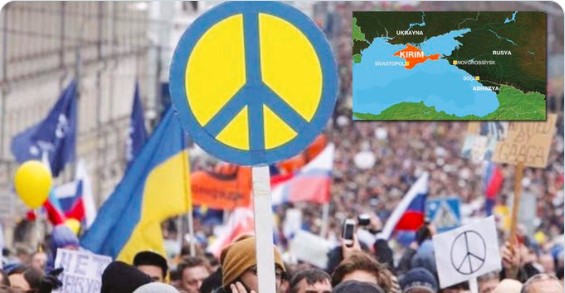
After Yanukovych, who regained power by winning the 2012 elections, started close relations with Russia, the opposition started demonstrations. Indeed, when pro-Western Petro Poroshenko won the 2014 elections, Moscow openly declared its security concerns. Russia landed troops in Crimea, first occupied it, and then announced its annexation decision on March 18, 2014.

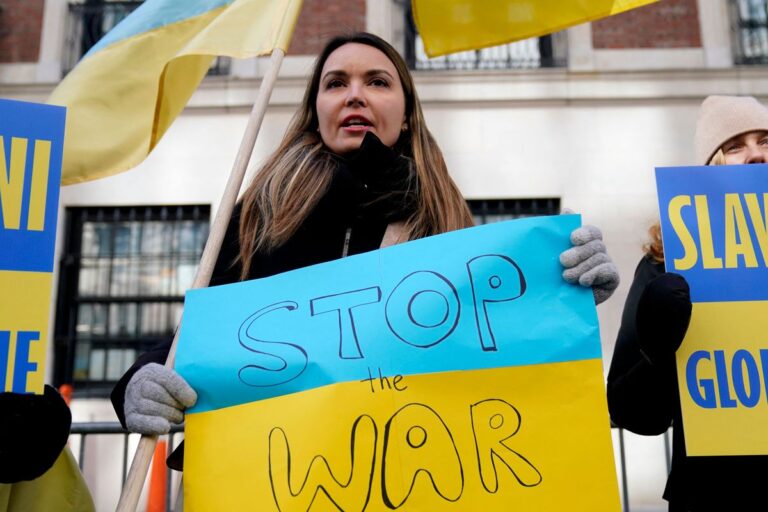
Uncomfortable with the pro-Western attitude of the Ukrainian leaders, Russia started to have security concerns again when Volodymyr Zelensky was elected president in May 2019. As a matter of fact, on February 24, 2022, the Moscow administration, which expressed the claim that the Russians and Ukrainians are one nation, started a three-way war to occupy Kiev. The war between the brothers is dangerous enough to create new fault lines in the region. Moreover, it is clear that it will not yield results in favor of Ukraine and Crimean Tatars. Ukrainians should not be partners in the unfortunate story of the Crimean Tatars. Today is the day to be on the side of peace and to embrace those who fled war, regardless of ethnicity…

[email protected]

Ataturk at BooksonTurkey

Why Turks love Ataturk so much as the father of the nation?
https://booksonturkey.com/why-turks-love-ataturk-so-much-as-the-father-of-the-nation/

Recent Books by Prof Hikmet Özdemir on Ataturk supplied by Amazon
https://booksonturkey.com/recent-books-by-prof-hikmet-ozdemir-on-ataturk-supplied-by-amazon/

Ataturk and Humanity
https://booksonturkey.com/ataturk-and-humanity/

Ataturk According to Ataturk
https://booksonturkey.com/ataturk-according-to-ataturk/

100 Quotes by Ataturk (1881-1938)
https://booksonturkey.com/100-quotes-by-ataturk-1881-1938/

Yoruks, Turkish Nomads and Atatürk
https://booksonturkey.com/yoruks-turkish-nomads-and-ataturk/

Republican Thought: Ali Fuat Cebesoy, Kazım Karabekir, Refet Bele, Rauf Orbay and Atatürk.
https://booksonturkey.com/republican-thought/

Visionary Leader Mustafa Kemal ATATÜRK by Arnold LUDWIG
https://booksonturkey.com/visionary-leader-mustafa-kemal-ataturk-by-arnold-ludwig/

Art and Kemal Ataturk (1881-1938)
https://booksonturkey.com/art-and-kemal-ataturk-1881-1938/

Atatürk and Unity Movements/Goals
https://booksonturkey.com/https-www-agaoglulevent-com-ataturk-ve-birlik-hareketleri-hedefleri/

ATATÜRK’S LEADERSHIP CRITERIA
https://booksonturkey.com/https-www-agaoglulevent-com-ataturkun-liderlik-kriterleri/

Sun Tzu and Atatürk: Art of War…
https://booksonturkey.com/sun-tzu-and-ataturk-art-of-war/

Kemal Ataturk, Human Value
https://booksonturkey.com/kemal-ataturk-human-value/

Turks and Turkish in the World

Turkish Monuments Speaking Turkish  Turkish Place Names
     in 77 countries    in 58 countries     in 103 countries
Afghanistan (21) Afghanistan  Afghanistan
Albania  (89) Albania  Albania
Algeria  (8) Algeria  Algeria
Armenia  (2) Australia  Andorra
Austria  (1) Austria  Armenia
Azerbaijan  (40) Azerbaijan  Australia
Bahrain  (3) Bangladesh  Austria
Belgium  (1) Belgium  Azerbaijan
Bosnia and Herzegovina  (166) Bosnia  Belarus
Bulgaria  (102) Bulgaria  Belgium
busan (1) Canada  Bosnia-Herzegovina
Chad  (1) China  Bulgaria
China  (3) Cyprus  Central Asia
Croatia  (4) Denmark  Chad
Cyprus  (83) Egypt  China
Czech Republic  (3) England  Xinjiang Uyghur Autonomous Region
East Turkestan  (36) Finland  Comoros
Egypt  (31) France  Croatia
England  (4) Georgia  Cuba
Eritrea  (1) Germany  Cyprus
Ethiopia  (2) Greece  Czech Republic
France  (1) Holland  Denmark
Georgia  (16) Hungary  Egypt
Germany  (3) India  Eritrea
Greece  (486) Iran  Ethiopia
Hungary  (42) Iraq  Europe
India  (56) Israel  Finland
Indonesia  (1) Italy  France
Iran  (147) Kazakhstan  Georgia
Iraq  (28) Kosovo . Abkhazia
Israel  (93) Kuwait . South Ossetia
Italy  (4) Kyrgyzstan  Germany
Japan  (2) Lebanon  Gibraltar
Jordan  (3) Libya  Greece
Kazakhstan  (4) Liechtenstein  Hungary
Kosovo  (89) Lithuania  India
Kyrgyzstan  (4) Macedonia  Indonesia
Latvia  (1) Moldova  Iran
Lebanon  (9) Mongolia  Iraq
Libya  (10) Montenegro  Israel
Lithuania  (1) Norway  Italy
Malta  (1) Pakistan  Jamaica
Mauritania  (3) Poland  Japan
Mexico  (1) Romania  Jordan
Moldova  (1) Russia  Haiti
Mongolia  (18) Saudi Arabia  Kazakhstan
Montenegro  (27) Serbia  Kenya
Morocco  (5) Sweden  Kosovo
Mozambique (1) Switzerland  Kyrgyzstan
Myanmar  (2) Syria  Lebanon
Niger  (1) Tajikistan  Libya
North Macedonia  (87) TRNC Cyprus  Lithuania
Oman (1) Tunisia  Luxembourg
Pakistan  (28) Turkey  Madagascar
Palestine  (7) Turkmenistan  Malaysia
Poland  (1) Ukraine  Malta
Portugal  (1) United States of America  Mexico
Qatar  (9) Uzbekistan  Moldova
Romania  (14)  Mongolia
Russia  (11)  Montenegro
Saudi Arabia  (68)  Morocco
Serbia  (38)  Mozambique
Slovakia  (4)  Myanmar
Slovenia (1)  Netherlands
Somalia (1)  North Korea
South Korea  (1)  North Macedonia
Sudan  (5)  Oman
Sweden  (2)  Pakistan
Syria  (42)  Palestine
Thailand  (1)  Papua New Guinea
Tunisia  (6)  Poland
Turkey  (23215)  Portugal
Turkmenistan  (34)  Puerto Rico
Uganda  (1)  Romania
Ukraine  (34)  Russia
Uzbekistan  (35)  Saudi Arabia
Yemen  (4)  Serbia
 Slovakia
 Slovenia
 Somalia
 South Africa
 South Korea
 South Sudan
 Spain
 Sri Lanka
 Sudan
 Sweden
 Switzerland
 Syria
 Tajikistan
 Tanzania
 Tunisia
 Turkey
 Turkmenistan
 Turks and Caicos Islands
 Ukraine
 United Arab Emirates
 United Kingdom
 United States
 Uzbekistan
 Vatican
 Vietnam
 Yemen

Countries where non-Muslim Turks live in Europe

Photo: Krymchaks in Ukraine

1. Germany (Hungarian-Kipchak)
2. Austria (Hungarian-Kipchak)
3. Belarus (Gagauz)
4. Bosnia-Herzegovina (Hungarian-Kipchak)
5. Bulgaria (Gagauz)
6. Czech Republic (Hungarian-Kipchak)
7. Estonia (Gagauz)
8. Croatia (Hungarian-Kipchak)
9. North Macedonia (Hungarian-Kipchak)
10. Latvia (Gagauz)
11. Lithuania (Gagauz, Karaite)
12. Hungary (Kipchak)
13. Moldova (Gagauz)
14. Poland (Karaite)
15. Romania (Gagauz, Hungarian-Kipchak, Sekel)
16. Russia (Chuvash, Kireshin, Khakas, Altai, Dolgan, Tofa, Yakut)
17. Serbia (Hungarian-Kipchak)
18. Slovakia (Hungarian-Kipchak)
19. Slovenia (Hungarian-Kipchak)
20. Ukraine (Urum, Rumey, Karaim, Karay, Hungarian-Kipchak)
21. Greece (Karamanli)

Turkish States in Ukraine

The first use of the Turkish name, accepted by the scientific community, was recorded in the 1st century AD by Roman historians named Pomponius Mela and Plinius. The people living in the east of Azov were recorded as Turcae/Tyrcae.

5 TURKISH STATES IN UKRAINE

  1. European Hun Empire; Balamir 375-469: 94 years
  2. Khazar Khaganate; Böri Şad 651-983: 332 years
  3. Golden Horde State; Batu Khan 1236-1502: 266 years
  4. Crimean Khanate; 1441-1783: 342 years
  5. Ottoman Empire; Osman Ghazi 1299-1922: 623 years

Five of the 16 Turkish states had sovereignty on the territory in Ukraine.

Two Turkish states are mentioned in Byzantine sources, the first is western Turkey, which is the territory of today’s Hungary.

The other is Eastern Turkey and the territory of today’s Ukraine. These states are named as Turkey. It is the Khazar (Caspian) state, which is referred to as Eastern Turkey, between the years 651-983 it provided sovereignty in these lands.

………………………………………….

Türk adının bilim çevrelerince kabul edilen ilk kullanımı MS 1. yüzyılda Pomponius Mela ve Plinius adlı Romalı tarihçilerce kaydedilmiştir. Azak’ın doğusunda yaşayan insanlar Turcae/Tyrcae adı ile kayda geçmiştir. 

UKRAYNA’da 5 TÜRK DEVLETİ
  • Avrupa Hun İmparatorluğu Balamir 375-469: 94 yıl
  • Hazar Kağanlığı Böri Şad 651-983: 332 yıl
  • Altın Orda Devleti Batu Han 1236-1502: 266 yıl
  • Kırım Hanlığı 1441-1783: 342 yıl
  • Osmanlı İmparatorluğu Osman Gazi 1299-1922: 623 yıl
16 Türk devletinden beş tanesi Ukrayna topraklarında egemenlik sağlamışlardı. Bizans kaynaklarında iki tane Türk devletinden bahsedilmektedir birincisi batı Türkiye ki bugünkü Macaristan topraklarıdır.
Diğeri ise Doğu Türkiye ve bugünkü Ukrayna topraklarıdır. Bu  devletler Türkiye olarak adlandırılmıştır. Doğu Türkiye olarak bahsedilen Hazar devletidir, 651-983 yılları arasında  bu topraklarda egemenlik sağlamıştır.

Turkey and Black Sea

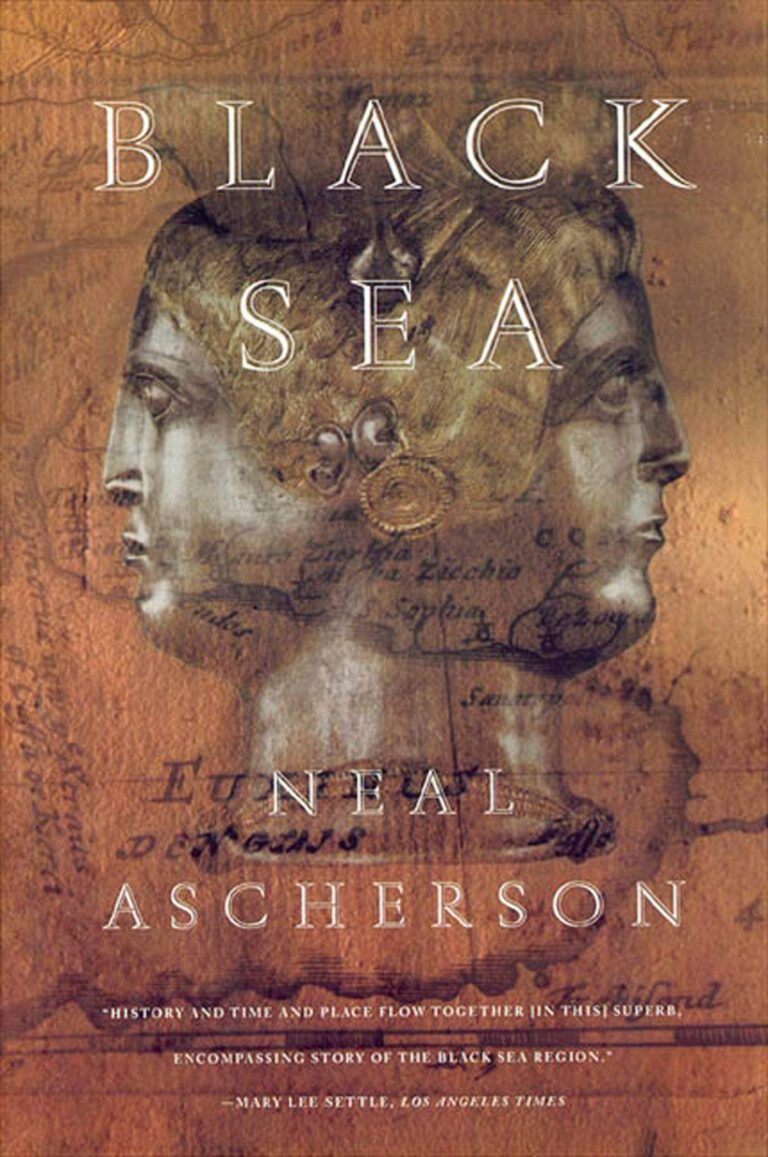
Black Sea Paperback – September 30, 1996 by Neal Ascherson (Author)

The Black Sea: The Birthplace of Civilisation and Barbarism
by Neal Ascherson | Nov 13, 2007

Urban Life and Local Politics in Roman Bithynia: The Small World of Dion Chrysostomos (BLACK SEA STUDIES) Hardcover – Illustrated, December 31, 2008

Death on the Black Sea: The Untold Story of the ‘Struma’ and World War II’s Holocaust at Sea Hardcover – February 4, 2003
by Douglas Frantz (Author), Catherine Collins (Author)

The New Geopolitical Realities for Russia: From the Black Sea to the Mediterranean Illustrated Edition
by Nurşin Ateşoğlu Güney (Editor), Eda Güney (Contributor), Ellen Wasylina (Contributor), Gawdat Bahgat National Defense University (Contributor), Janetta J. Medzhidova (Contributor), Mert Bilgin (Contributor), & 2 more

America’s Black Sea Fleet: The U.S. Navy Amidst War and Revolution, 1919–1923
by Robert Shenk | Nov 15, 2012

Black Sea Circuit: An Adventure Through the Caucasus Paperback – May 20, 2015
by Simon Raven (Author), Chris Raven (Author), The Raven Brothers (Author)

The Geopolitics of Region Building in the Black Sea (Routledge Geopolitics Series) 1st Edition
by Yannis Tsantoulis (Author)

Turkey, Russia, the Black Sea, and Circassia Hardcover – August 22, 2015
by Edmund Spencer (Author)

The Wonders of the Black Sea
by Audrey Forsyth | Aug 16, 2021

Karadeniz: Meraklısı için gezi rehberi = Black Sea : a traveller’s handbook for northern Turkey (Turkish Edition)
by Nisanyan Sevan | Jan 1, 2010

Migration and Disease in the Black Sea Region: Ottoman-Russian Relations in the Late Eighteenth and Early Nineteenth Centuries
by Andrew Robarts (Author)