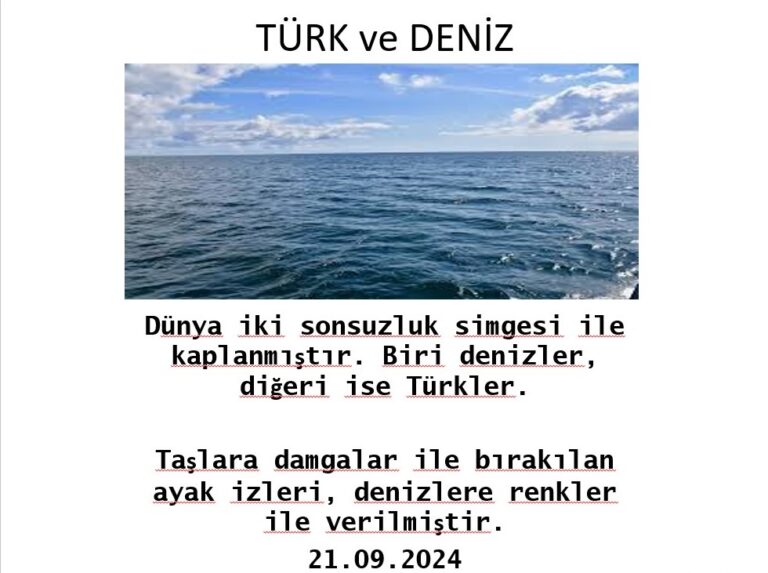
02:56
The importance of the Turkish relationship with the sea is explored, emphasizing its historical and cultural significance. This connection challenges misconceptions about Turks being solely land-based people.
06:13
The video discusses the significance of water in Turkish culture and mythology, emphasizing its connection to creation stories and historical narratives. Water is portrayed as a vital element influencing social and philosophical concepts among the Turks.
12:15
Strategically utilizing the integration of Turkic nations through maritime access to oceans presents significant opportunities. These connections will enhance economic and cultural exchanges among these nations.
18:18
The significance of rivers in Central Asia is highlighted, showcasing their cultural, historical, and geographical importance. These rivers have shaped civilizations and facilitated the development of cities across the region.
24:22
The discussion emphasizes the historical and cultural significance of Turkish influence in various regions, particularly in Central Asia and the Indian subcontinent. It highlights the importance of natural resources and historical connections to present-day geopolitical standings.
30:27
Atatürk’s historical thesis, which emphasizes Turkish civilization’s deep roots and cultural heritage, is often overlooked and must be re-evaluated in light of new archaeological findings. The significance of Göbeklitepe underscores the advanced existence of Turkish civilization over 12,000 years.
36:29
The significance of the Turan geography is emphasized, highlighting its historical and cultural connections across various regions. This interconnectedness is crucial for understanding contemporary geopolitical dynamics.
42:32
The concept of ‘Blue Homeland’ emphasizes the strategic importance of maritime territories for a nation. It highlights historical influences and the necessity to promote this mindset globally.
Istanbul, City map 1:10.000, City Pocket map + The Big Five
(as of 23/11/2026 03:25 GMT +03:00 - More infoProduct prices and availability are accurate as of the date/time indicated and are subject to change. Any price and availability information displayed on [relevant Amazon Site(s), as applicable] at the time of purchase will apply to the purchase of this product.)
Istanbul: City of Majesty at the Crossroads of the World
(as of 23/11/2026 03:25 GMT +03:00 - More infoProduct prices and availability are accurate as of the date/time indicated and are subject to change. Any price and availability information displayed on [relevant Amazon Site(s), as applicable] at the time of purchase will apply to the purchase of this product.)
Istanbul Travel Guide 2027 For First-timers: A Practical Guide to the Best Attractions, Neighborhoods, Day Trips, Hotels, Restaurants, Transportation, and Cultural Experiences
$19.99 (as of 23/11/2026 03:25 GMT +03:00 - More infoProduct prices and availability are accurate as of the date/time indicated and are subject to change. Any price and availability information displayed on [relevant Amazon Site(s), as applicable] at the time of purchase will apply to the purchase of this product.)
Istanbul Travel Guide 2026: A First-Timer’s Guide to the Streets, Food, History and Hidden Neighbourhoods of the City Where Europe Meets Asia
$14.99 (as of 23/11/2026 03:25 GMT +03:00 - More infoProduct prices and availability are accurate as of the date/time indicated and are subject to change. Any price and availability information displayed on [relevant Amazon Site(s), as applicable] at the time of purchase will apply to the purchase of this product.)
Rough Guides Turkiye: Travel Guide with eBook: 2026-2027 | Insider Tips | Must-See Sights | Maps & Itineraries | Covers: Istanbul, Cappadocia, the Turquoise Coast and more
(as of 23/11/2026 03:25 GMT +03:00 - More infoProduct prices and availability are accurate as of the date/time indicated and are subject to change. Any price and availability information displayed on [relevant Amazon Site(s), as applicable] at the time of purchase will apply to the purchase of this product.)
Wonders of Istanbul: A Photo Collection of the City’s Most Beautiful Places to See – A Stunning Coffee Table Travel Photobook
$23.99 (as of 23/11/2026 03:25 GMT +03:00 - More infoProduct prices and availability are accurate as of the date/time indicated and are subject to change. Any price and availability information displayed on [relevant Amazon Site(s), as applicable] at the time of purchase will apply to the purchase of this product.)
Istanbul Travel Guide 2026: The Complete Guide to Planning, Exploring, and Experiencing Istanbul, Turkey – Including Where to Stay, Top Attractions, ... (Discover Asia: City-by-City Travel Guides)
$14.89 (as of 23/11/2026 03:25 GMT +03:00 - More infoProduct prices and availability are accurate as of the date/time indicated and are subject to change. Any price and availability information displayed on [relevant Amazon Site(s), as applicable] at the time of purchase will apply to the purchase of this product.)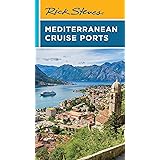
Rick Steves Mediterranean Cruise Ports (Rick Steves Travel Guide)
(as of 23/11/2026 03:25 GMT +03:00 - More infoProduct prices and availability are accurate as of the date/time indicated and are subject to change. Any price and availability information displayed on [relevant Amazon Site(s), as applicable] at the time of purchase will apply to the purchase of this product.)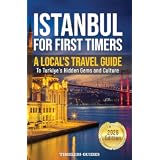
Istanbul For First Timers: A Local's Travel Guide To Turkiye's Hidden Gems and Culture
$4.99 (as of 23/11/2026 03:25 GMT +03:00 - More infoProduct prices and availability are accurate as of the date/time indicated and are subject to change. Any price and availability information displayed on [relevant Amazon Site(s), as applicable] at the time of purchase will apply to the purchase of this product.)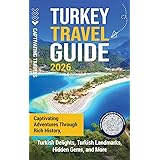
Turkey Travel Guide: Captivating Adventures through Rich History, Turkish Delights, Turkish Landmarks, Hidden Gems, and More
$23.39 (as of 23/11/2026 03:25 GMT +03:00 - More infoProduct prices and availability are accurate as of the date/time indicated and are subject to change. Any price and availability information displayed on [relevant Amazon Site(s), as applicable] at the time of purchase will apply to the purchase of this product.)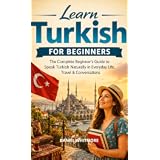
Learn Turkish for Beginners: The Complete Beginner’s Guide to Speak Turkish Naturally in Everyday Life, Travel & Conversations (The Everyday Fluency Series)
$2.99 (as of 23/11/2026 03:25 GMT +03:00 - More infoProduct prices and availability are accurate as of the date/time indicated and are subject to change. Any price and availability information displayed on [relevant Amazon Site(s), as applicable] at the time of purchase will apply to the purchase of this product.)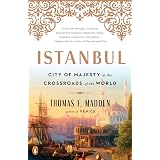
Istanbul: City of Majesty at the Crossroads of the World
(as of 23/11/2026 03:25 GMT +03:00 - More infoProduct prices and availability are accurate as of the date/time indicated and are subject to change. Any price and availability information displayed on [relevant Amazon Site(s), as applicable] at the time of purchase will apply to the purchase of this product.)
Collins Turkish Phrasebook and Dictionary Gem Edition: Your Indispensable Guide to Speaking the Local Language While Travelling (Collins Gem)
$0.99 (as of 23/11/2026 03:25 GMT +03:00 - More infoProduct prices and availability are accurate as of the date/time indicated and are subject to change. Any price and availability information displayed on [relevant Amazon Site(s), as applicable] at the time of purchase will apply to the purchase of this product.)
Learn Turkish language self-study (level one for beginners) : Learn to read, write, speak and understand Turkish by yourself, even if you are a beginner ... (Mastering Turkish: Step by Step) Book 1)
$5.99 (as of 23/11/2026 03:25 GMT +03:00 - More infoProduct prices and availability are accurate as of the date/time indicated and are subject to change. Any price and availability information displayed on [relevant Amazon Site(s), as applicable] at the time of purchase will apply to the purchase of this product.)
The Passenger: Turkey
$2.99 (as of 23/11/2026 03:25 GMT +03:00 - More infoProduct prices and availability are accurate as of the date/time indicated and are subject to change. Any price and availability information displayed on [relevant Amazon Site(s), as applicable] at the time of purchase will apply to the purchase of this product.)
Rick Steves Mediterranean Cruise Ports (Rick Steves Travel Guide)
(as of 23/11/2026 03:25 GMT +03:00 - More infoProduct prices and availability are accurate as of the date/time indicated and are subject to change. Any price and availability information displayed on [relevant Amazon Site(s), as applicable] at the time of purchase will apply to the purchase of this product.)
Turkish Grammar Made Simple: A Beginner's Guide with Practice Exercises A1-A2 (TURKISH STEP BY STEP GRAMMAR Book 1)
$4.90 (as of 23/11/2026 03:25 GMT +03:00 - More infoProduct prices and availability are accurate as of the date/time indicated and are subject to change. Any price and availability information displayed on [relevant Amazon Site(s), as applicable] at the time of purchase will apply to the purchase of this product.)
Rick Steves Istanbul: With Ephesus & Cappadocia
(as of 23/11/2026 03:25 GMT +03:00 - More infoProduct prices and availability are accurate as of the date/time indicated and are subject to change. Any price and availability information displayed on [relevant Amazon Site(s), as applicable] at the time of purchase will apply to the purchase of this product.)
Notes on a Foreign Country: An American Abroad in a Post-American World
$3.99 (as of 23/11/2026 03:25 GMT +03:00 - More infoProduct prices and availability are accurate as of the date/time indicated and are subject to change. Any price and availability information displayed on [relevant Amazon Site(s), as applicable] at the time of purchase will apply to the purchase of this product.)